Sale
Sold out

Perennial to plant
Brassicaceae
Horseradish
Armoracia
Horseradish is a perennial cultivated for its pungent root, which is grated to enhance sauces and side dishes. Its large foliage gives this vegetable crop a prominent presence. Reserve a distinct space for it to facilitate root harvesting and to monitor regrowth. In cooking, start with a small amount to adjust the condiment's strength to your taste. A simple preparation allows you to discover its character before combining it with other ingredients. Keep harvested roots for meals separate from pieces intended for new planting. The pleasure of this planting continues in the kitchen with a harvest that you have monitored throughout its growth. The quality of the harvest also depends on the soil, the weather, and the care given during cultivation. Keep these observations in mind for preparing your next vegetable garden.
- Quantity
- 2 units
- Exposure
- Sun
Discover the plant
Common nameHorseradish
FamilyBrassicaceae
GenusArmoracia
TypePerennial to plant
Botanical nameArmoracia
Horseradish (Armoracia). Horseradish is a perennial cultivated for its pungent root, which is grated to enhance sauces and side dishes. Its large foliage gives this vegetable crop a visible presence. Reserve a distinct spot for it to facilitate root harvesting and monitor regrowth. In the kitchen, start with a small amount to adjust the condiment's strength to your taste. A simple preparation allows you to discover its character before combining it with other ingredients. Keep harvested roots for meals separate from pieces intended for new planting.
Plant horseradish in spring in deep, fertile, well-drained soil, preferably in a sunny location. Prepare a distinct spot, as root pieces left in the ground can regrow into new plants. Place the root diagonally, with its upper end close to the surface, then cover and water to ensure establishment. Leave enough space for the foliage and maintain access for harvesting. A large container can facilitate monitoring this vigorous crop, provided it allows for root development. Monitor moisture during establishment and weed without inadvertently cutting the roots with your tools.
Harvest the roots in autumn when they are sufficiently developed, carefully lifting the soil to avoid breaking them. Sort the healthy roots, brush off the dirt, and prepare only the amount needed for your recipe. Freshly grated horseradish emits a very pungent odor: work in a well-ventilated area and avoid touching your eyes during preparation. Keep the rest of the harvest cool, in conditions that limit drying out. In the garden, identify any regrowth and remove it if it extends beyond the designated area. Monitoring root fragments helps contain the crop within its allocated space.

Planting guide
Plant well.Grow beautifully.
Growing method
Install horseradish in spring in deep, fertile, well-drained soil, preferably in a sunny location. Prepare a distinct area, as root pieces left in the ground can regrow. Place the root at an angle, with its upper end close to the surface, then cover and water to ensure establishment. Leave enough space for foliage and maintain access for harvesting. A large container can make it easier to manage this vigorous crop, provided it allows for root development. Monitor moisture during establishment and weed without accidentally cutting the roots with your tools. Harvest the roots in autumn when they are sufficiently developed, carefully lifting the soil to avoid breaking them. Sort healthy roots, brush off the soil, and prepare only the amount needed for your recipe. Freshly grated horseradish has a very pungent odor: work in a well-ventilated area and avoid touching your eyes during preparation. Keep the rest of the harvest cool, in conditions that limit drying out. In the garden, identify any regrowth and remove it if it extends beyond the reserved space. Monitoring root fragments helps contain the crop in its designated area.
Soil and care
The right care,at the right time.
Watering
Water regularly while the horseradish is establishing, then according to soil moisture during growth. Keep the soil moist without waterlogging it, especially when heat or wind accelerate drying. Pour water slowly at the base so it penetrates the root zone. Check beneath the surface before watering again and space out applications after rain. Mulch around plants to limit evaporation. Avoid keeping the root in saturated soil or a in a saucer full of water.
Soil type
Opt for loose, well-drained soil where water does not linger around the roots or bulbs. Check drainage after rain: water should be able to leave the root zone. Work the soil when it is crumbly to avoid compacting it. Adapt amendments to its actual texture. In containers, use appropriate potting soil and a pot with drainage holes. Keep these openings clear and avoid any accumulation of water in the saucer.
Fertilization
Feed the plants taking into account the richness of the soil and any previous additions. A regularly amended soil does not require the same care as potting soil used all season. If you use a fertilizer, respect its dosage and application method, without multiplying products. Avoid concentrated applications against roots or storage organs. Observe growth before reapplying fertilizer: adding more fertilizer does not guarantee more flowers.
Seasonal care
Plant horseradish in spring in deep, fertile, well-drained soil, preferably in a sunny location. Prepare a dedicated spot, as root fragments left in the ground can regrow. Place the root at an angle, with its upper end close to the surface, then cover and water to ensure establishment. Allow enough space for the foliage and maintain access for harvesting. A large container can help manage this vigorous crop, provided it allows for root development. Monitor moisture during establishment and weed without inadvertently cutting the roots with your tools. Harvest the roots in autumn when they are sufficiently developed, carefully lifting the soil to avoid breaking them. Sort healthy roots, brush off the soil, and prepare only the amount needed for your recipe. Freshly grated horseradish has a very pungent odor: work in a well-ventilated area and avoid touching your eyes during preparation. Store the rest of the harvest in a cool place, under conditions that limit drying out. In the garden, identify any new shoots and remove them if they grow outside the designated area. Monitoring root fragments helps contain the plant to its location. Over the seasons, observe new shoots, soil moisture, and stem condition. A durable label helps locate the planting during its dormancy. Clean tools after cutting diseased parts and remove debris that degrades around the base of the plant.
Container growing
A garden,within reach.
Container gardening requires planning for the volume needed for the roots and the plant's final height. Choose a stable pot with drainage holes and a substrate suitable for planting. Leave enough space to respect the recommended depth and spacing, rather than crowding plants to fill the pot immediately. Place the container in the indicated exposure and check the moisture regularly, especially in hot or windy weather. A pot is more exposed to temperature variations than a plant in the ground. Therefore, plan for a wintering location compatible with the plant's needs and your region's climate from the outset. Plant horseradish in spring in deep, fertile, well-drained soil, preferably in full sun. Prepare a separate location, as root pieces left in the ground can regrow. Place the root diagonally, with its upper end close to the surface, then cover and water to ensure recovery. Leave enough space for foliage and maintain access for harvesting. A large container can facilitate monitoring this vigorous crop, provided it allows for root development. Monitor moisture during installation and weed without inadvertently cutting the roots with your tools. In winter, protect the container according to the plant's needs: its roots are more exposed to cold than those in the ground.

Bloom and dimensions
Its place,in your garden.
Bloom period
Horseradish can produce clusters of small white flowers with four petals, held above its foliage. This flowering is secondary in a crop intended for root harvest. Observe the flower stalks when they appear, but do not confuse this stage with a signal for immediate harvest. Continue to monitor plant vigor and soil moisture. Keep the foliage healthy during growth and reserve root harvesting for the appropriate time for your crop.

Garden associations
In goodcompany.
Companion plants
To accompany Horseradish, you can consider plants chosen for compatible exposure and water needs. Select neighboring varieties based on their height, flowering period, and the colors you wish to combine. Above all, ensure their exposure and water needs are suitable for the same location. Maintain sufficient distance so that leaves do not obscure young shoots and to allow easy access to each plant during maintenance. These pairings are intended to compose the garden's decor; they do not guarantee protection against pests or diseases. Adjust the layout after observing one growing season.
Frequently asked questions
Your questions,answered.
How to successfully plant Horseradish?
Plant horseradish in spring in deep, fertile, well-drained soil, preferably in full sun. Prepare a separate location, as root pieces left in the ground can regrow into new plants. Place the root at an angle, with its upper end close to the surface, then cover and water to ensure establishment. Leave enough space for foliage and maintain access for harvesting. A large container can make it easier to manage this vigorous crop, provided it allows for root development. Monitor moisture during establishment and weed without inadvertently cutting the roots with your tools.
What kind of light should I provide for Horseradish?
Recommended exposure: full sun. Observe the light in your chosen location in the morning and afternoon, as the shade from trees or buildings changes throughout the day. Also consider neighboring plants: their foliage can obscure a young planting as it develops. For potted plants, place the pot where you can move it if conditions become too hot or too shaded. Appropriate exposure must go hand in hand with suitable soil and watering. If you move a plant started indoors to the outdoors, gradually accustom it to garden conditions to avoid too abrupt a transition for young leaves.
How to adjust the watering?
Water according to the actual soil moisture, taking into account rain, heat, and wind. Check below the surface before deciding to water again: soil that is dry on the surface may still be moist at the root level. Direct water to the base of the plant and allow it to penetrate, without keeping the plant in saturated soil. Containers generally require more frequent checks because they dry out faster. Make sure their drainage holes remain clear and empty any water-retaining saucers. Also adapt care to the plant's cycle: active growth and a dormant period do not require the same inputs.
What should I plan for container gardening?
Container gardening requires you to plan for the necessary root volume and the plant's final height. Choose a stable pot with drainage holes and a suitable growing medium. Leave enough space to respect the recommended depth and spacing, rather than overcrowding plants to immediately fill the pot. Place the container in the recommended exposure and regularly check the moisture, especially in hot or windy weather. A pot is more exposed to temperature variations than a plant in the ground. Therefore, from the outset, plan for a wintering location compatible with the plant's needs and your region's climate.
What care should be planned after the growing season?
Harvest the roots in the fall when they are sufficiently developed, carefully lifting the soil to avoid breaking them. Sort the healthy roots, brush off the soil, and prepare only the amount needed for your recipe. Freshly grated horseradish gives off a very pungent odor: work in a well-ventilated area and avoid touching your eyes during preparation. Keep the rest of the harvest cool, in conditions that limit drying out. In the garden, identify any regrowth and remove it if it extends beyond the allocated space. Monitoring root fragments helps to contain the crop within its location.
For planting your bulbs
The right extras.Right here.
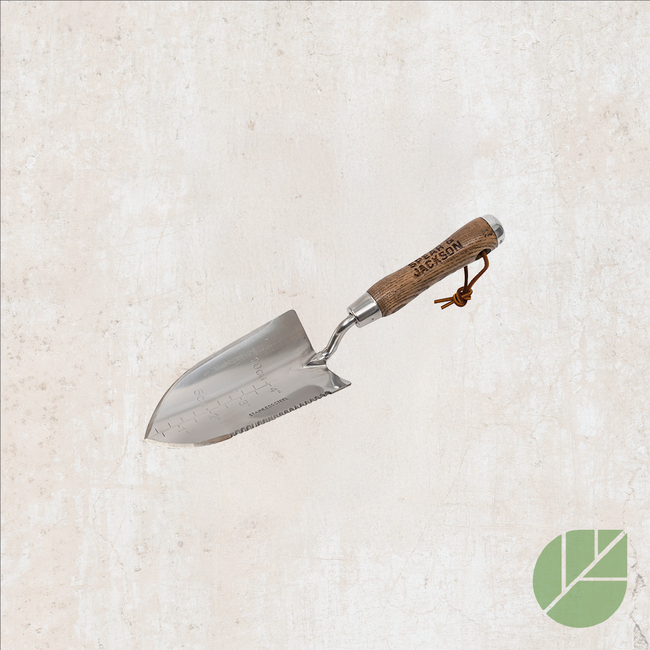
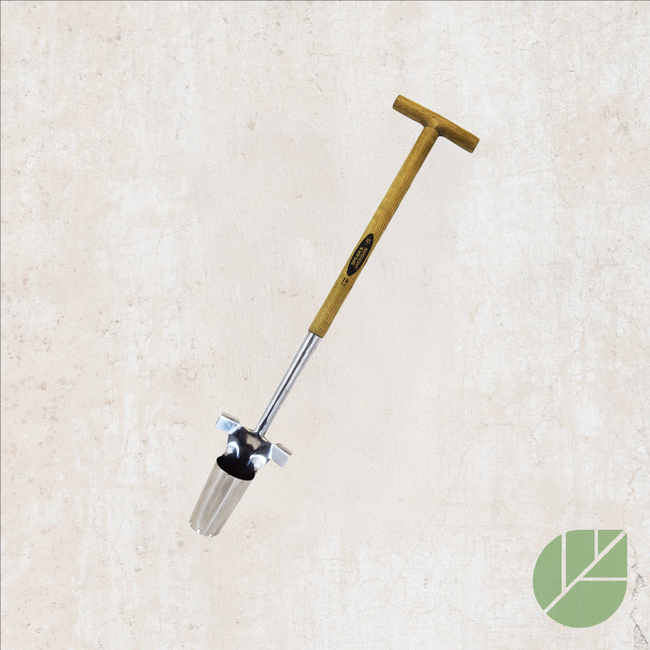
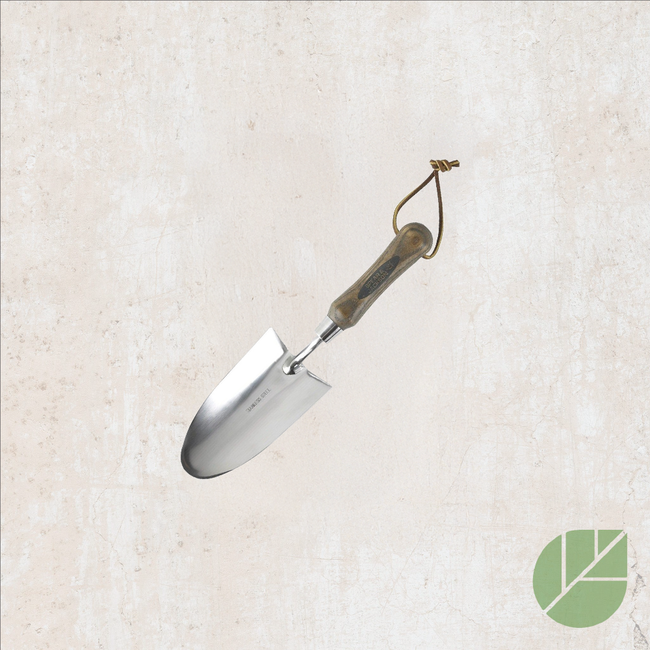
Bulb planters and planting tools
Shop the collection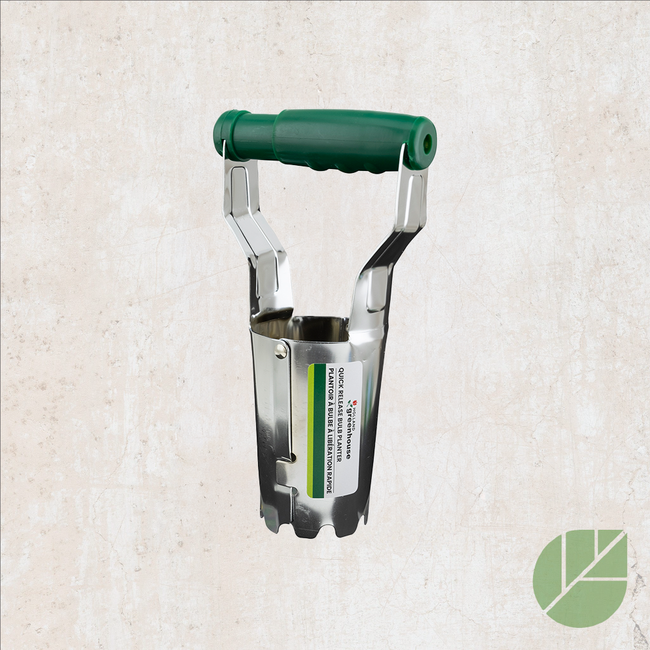
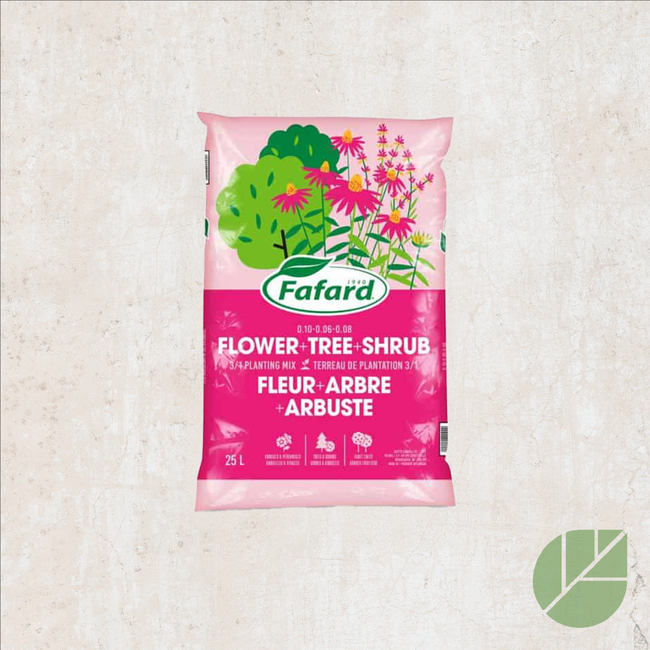
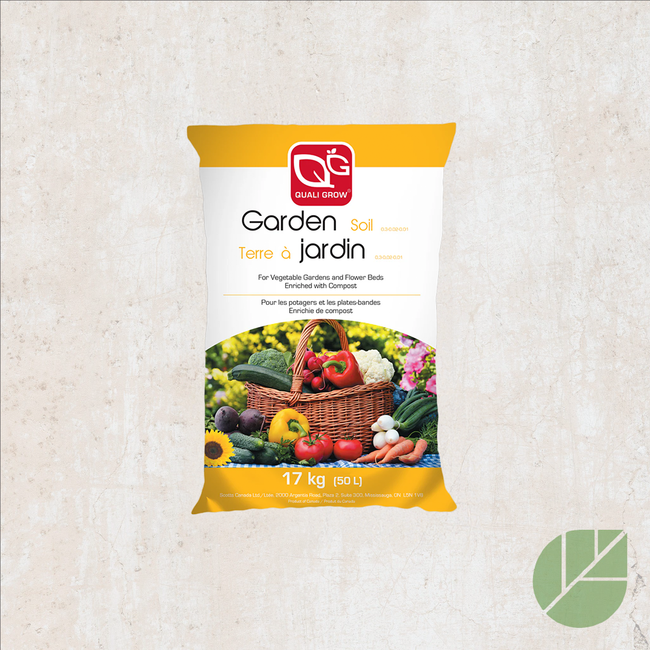
Soils and amendments for bulbs
Shop the collection