Sale
Sold out

Bulb
Liliaceae
Oriental Lily 'Salmon Stargazer' (Lilium)
A spectacular lily with peach hues and an enchanting fragrance! The 'Salmon Stargazer' Oriental Lily is a refined and vibrant variety, renowned for its large flowers with rosy-peach tones enhanced by delicate golden highlights and a brilliant center. Its sweet and intense fragrance makes it an ideal plant for flowerbeds, borders, and fragrant bouquets. This majestic variety reaches 100 cm (39 in) in height and offers abundant blooms from late spring to early autumn. Grown in the ground or in pots, this lily is perfect for brightening up the garden while attracting butterflies and pollinators. A must-have for an elegant and fragrant garden!
- Quantity
- 1 bulb
- Exposure
- Sun to partial shade
- Life cycle
- Bulbous perennial
Discover the plant
Common nameOriental lily
FamilyLiliaceae
GenusLily
TypeBulb
Botanical nameLily
'Salmon Stargazer' Oriental Lily (Lilium). A spectacular lily with peach hues and an enchanting fragrance! The 'Salmon Stargazer' Oriental Lily is a refined and vibrant variety, renowned for its large, peach-pink flowers enhanced with delicate golden reflections and a luminous heart. Its sweet and intense fragrance makes it an ideal plant for flower beds, borders, and fragrant bouquets. This majestic variety reaches 100 cm (39 in) in height and offers abundant blooms from late spring to early autumn. Grown in the ground or in pots, this lily is perfect for brightening up the garden while attracting butterflies and pollinators. A must-have for an elegant and fragrant garden!
Water needs: Medium (well-drained, moist soil). Ideal soil: Loamy, humus-rich, or sandy, neutral to slightly acidic pH. September to November for optimal root development before winter. In the ground: Ideal for flower beds and borders. In pots: Perfect for a fragrant balcony or terrace. Draining soil: Good drainage is essential to prevent bulb rot. For successful planting, dig a hole 15 cm (6 in) deep in loosened and enriched soil. Then, place the bulb point-up and cover it with soil. Then, space the bulbs 30 cm (12 in) apart for good growth. Then, water lightly after planting.
Tip: Combine it with other oriental or Asiatic lilies for an explosion of colors and fragrances! Watering: Regular but moderate, without waterlogging the soil. Fertilizer: Potassium-rich fertilizer promotes generous blooming. Pruning: Remove faded flowers but keep the foliage until it yellows. Wintering: Hardy in the ground, but in pots, bring it indoors away from frost. Caution: Like all lilies, it is toxic to cats. A unique color with peach and pink hues. Ideal in pots or in the ground for a spectacular effect. Long and generous blooming throughout the summer. Add a touch of softness and elegance to your garden with the 'Salmon Stargazer' Lily!

Planting guide
Plant well.Grow beautifully.
Growing method
Plant this lily in sun or partial shade, in loose soil that drains well. Plant the bulb with its base facing down and its tip facing up, at the depth indicated on the packaging. Prepare a planting site wide enough for the roots to find loosened soil around them. If the site is exposed to wind, provide support before the stems grow tall to avoid damaging the bulb later. After planting, water to bring the soil into contact with the roots, then adjust watering based on the actual soil moisture. After flowering, remove faded flowers but keep the leaves green. They allow the bulb to replenish its reserves before the plant's dormancy. Wait for the foliage to naturally yellow before cutting the dry stems. In a container, particularly monitor for dryness and ensure water does not remain in the saucer. For your bouquets, leave enough foliage on the garden plant and use a stable vase. Lilies are ornamental plants that are not edible and are very toxic to cats: keep bulbs, plants, cut flowers, and vase water out of their reach.
Soil and care
The right care,at the right time.
Watering
Water the base of the plant when the soil begins to dry out beneath the surface. While the stems are growing and buds are forming, maintain consistent moisture without waterlogging the soil around the bulbs. After flowering, continue to monitor moisture as long as the leaves remain green. For potted plants, check the potting mix more often in hot or windy weather and allow excess water to drain. Adjust each watering based on rainfall and reduce watering when the foliage naturally yellows.
Soil type
Favor a humus-rich soil that retains moisture while allowing excess water to drain away. Check drainage after rain: water should be able to leave the root zone. Work the soil when it is crumbly to avoid compaction. Adapt amendments to its actual texture. In containers, use an appropriate potting mix and a pot with drainage holes. Keep these openings clear and avoid any water accumulation in the saucer.
Fertilization
Fertilizing with a potassium-rich fertilizer promotes abundant flowering. Follow the dosage indicated on your fertilizer packaging and measure the quantity before applying it. Take into account compost and other applications already made to avoid fertilizing the same plant twice. Distribute the product according to its instructions for use; avoid concentrated contact with roots or storage organs.
Seasonal care
Install this lily in sun or partial shade, in loose, well-draining soil. Plant the bulb with its base facing down and its tip facing up, at the depth appropriate for its conditioning. Prepare a sufficiently wide space so that the roots find loosened soil around them. If the site is exposed to wind, provide support before the stems grow tall, to avoid damaging the bulb later. After planting, water to bring the soil into contact with the roots, then adjust watering based on the actual soil moisture. After flowering, remove faded flowers but keep the leaves that are still green. They allow the bulb to replenish its reserves before the plant's dormancy. Wait for the foliage to naturally yellow before cutting the dry stems. In a container, pay particular attention to drying out and ensure water does not remain in the saucer. For your bouquets, keep enough foliage on the plant in the garden and use a stable vase. Lilies are ornamental plants that are not edible and are very toxic to cats: keep bulbs, plants, cut flowers, and vase water out of their reach. Throughout the seasons, observe new shoots, soil moisture, and the condition of the stems. A durable label helps locate the planting during its dormant period. Clean tools after cutting diseased parts and remove decaying debris around the base.
Container growing
A garden,within reach.
Container culture requires forecasting the necessary volume for the roots and the plant's final height. Choose a stable pot with drainage holes and a substrate suitable for planting. Leave enough space to respect the recommended depth and spacing, rather than crowding plants to immediately fill the pot. Place the container in the indicated exposure and regularly check the moisture, especially in hot or windy weather. A pot is more exposed to temperature variations than planting directly in the ground. Therefore, plan for a wintering location compatible with the plant's needs and your region's climate from the outset. Place this lily in full sun or partial shade, in loose soil that drains well. Plant the bulb with its base facing down and its tip facing up, respecting the depth appropriate for its conditioning. Prepare a site wide enough for the roots to find loosened soil around them. If the site is exposed to wind, provide support before the stems grow tall, to avoid damaging the bulb later. After planting, water to bring the soil into contact with the roots, then adjust watering based on the soil's actual moisture. In winter, protect the container according to the plant's needs: its roots are more exposed to cold than in the ground.

Bloom and dimensions
Its place,in your garden.
Mature height
100 cm (40")
Bloom period
The 'Salmon Stargazer' Oriental Lily is a refined and vibrant variety, renowned for its large, peach-pink blossoms enhanced with delicate golden hues and a radiant center. This majestic variety reaches 100 cm (39 in) in height and offers abundant blooms from late spring to early autumn. Fertilizer: Potassium-rich fertilizer promotes generous flowering. Pruning: Remove faded flowers but keep the foliage until it turns yellow. Long and generous flowering throughout the summer.

Garden associations
In goodcompany.
Companion plants
To accompany the 'Salmon Stargazer' Oriental Lily, you might consider perennial geraniums or campanulas. Choose neighboring varieties based on their height, flowering period, and the colors you wish to combine. Most importantly, ensure their sun exposure and water requirements are suitable for the same location. Maintain enough distance so that leaves don't obscure young shoots and to allow easy access to each plant for maintenance. These combinations help create the garden's aesthetic; they do not guarantee protection against pests or diseases. Adjust the layout after observing one growing season.
Frequently asked questions
Your questions,answered.
How to successfully plant Oriental Lily 'Salmon Stargazer'?
Plant this lily in sun or partial shade, in loose, well-draining soil. Plant the bulb with its base facing down and its tip facing up, at the depth indicated on the packaging. Prepare a space wide enough so that the roots can find loosened soil around them. If the site is exposed to wind, provide support before the stems grow tall, to avoid damaging the bulb later. After planting, water to bring the soil into contact with the roots, then adjust watering based on the actual soil moisture.
What kind of light should I provide for Oriental Lily 'Salmon Stargazer'?
The recommended exposure is full sun to partial shade. Observe the light in your chosen spot in the morning and afternoon, as the shade from trees or buildings changes throughout the day. Also consider neighboring plants: their foliage can obscure a young planting as it develops. For container plants, place the pot where you can move it if conditions become too hot or too shady. Suitable exposure must go hand in hand with appropriate soil and watering. If you are moving a plant started indoors outside, gradually accustom it to garden conditions to avoid too abrupt a transition for young leaves.
How to adjust watering?
Water according to the actual moisture content of the soil, taking into account rain, heat, and wind. Check below the surface before deciding to water again: soil that is dry on the surface may still be moist at the root level. Direct the water to the base of the plant and let it penetrate, without keeping the plant in saturated soil. Containers generally require more frequent checks because they dry out faster. Make sure their drainage holes remain clear and empty any saucers that retain water. Also, adapt care to the plant's cycle: active growth and a resting period do not require the same amount of water.
What to plan for container gardening?
Container growing requires considering the volume needed for the roots and the final height of the plant. Choose a stable pot with drainage holes, and a substrate suitable for planting. Leave enough space to respect the recommended depth and spacing, rather than cramming plants together to fill the pot immediately. Place the container in the indicated exposure and regularly check the moisture, especially in hot or windy weather. A pot is more exposed to temperature variations than planting in the ground. Therefore, plan for a wintering location from the start that is compatible with the needs of the plant and the climate of your region.
What aftercare is needed once the growing season is over?
After flowering, remove faded flowers but keep the leaves green. They allow the bulb to replenish its reserves before the plant rests. Wait for the foliage to naturally yellow before cutting the dry stems. When grown in a container, pay particular attention to drying out and ensure water does not remain in the saucer. For your bouquets, keep enough foliage on the plant in the garden and use a stable vase. Lilies are ornamental plants that are non-edible and highly toxic to cats: keep bulbs, plants, cut flowers, and vase water out of their reach.
Wildlife and pets
Life,around your plants.
Reported toxicity
Yes
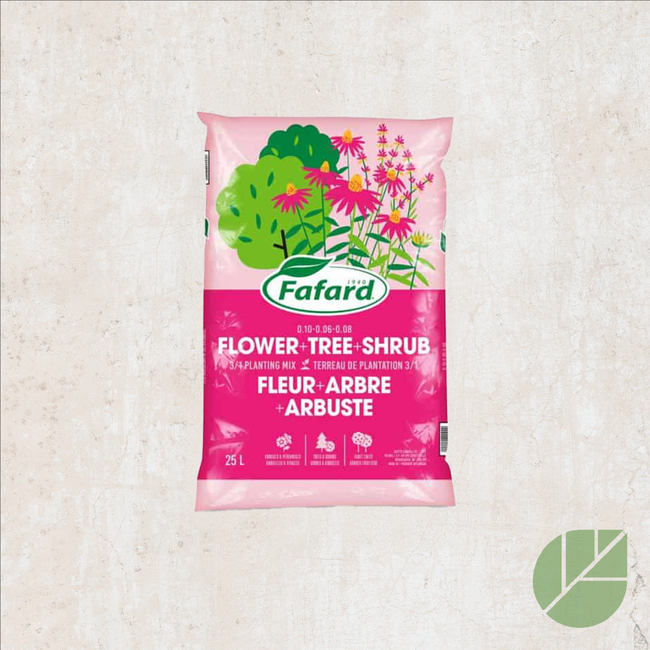
For planting your bulbs
The right extras.Right here.
Bulb planters and planting tools
Shop the collection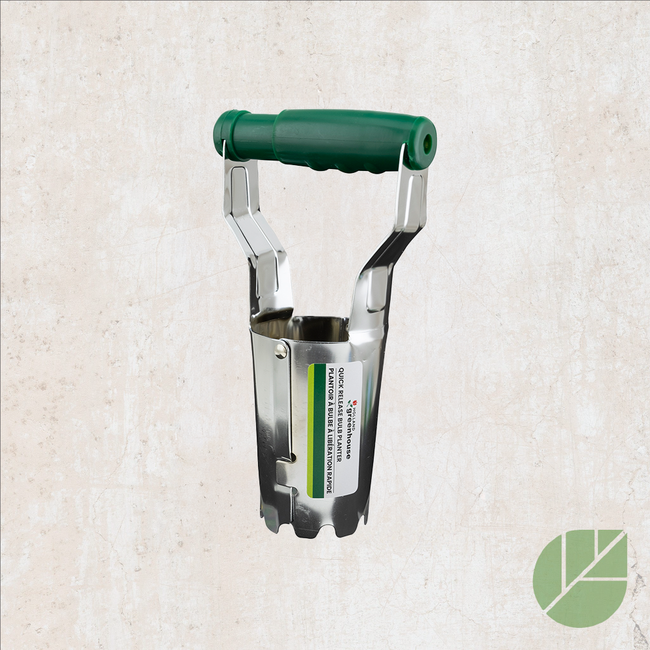
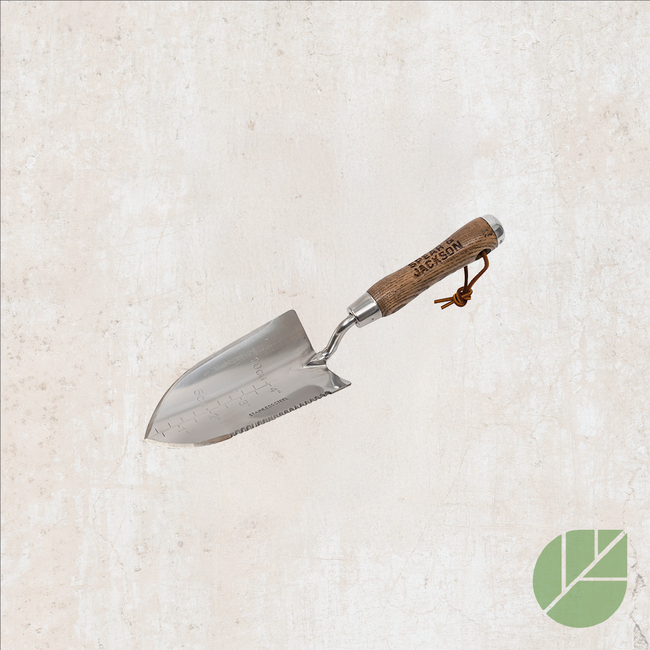
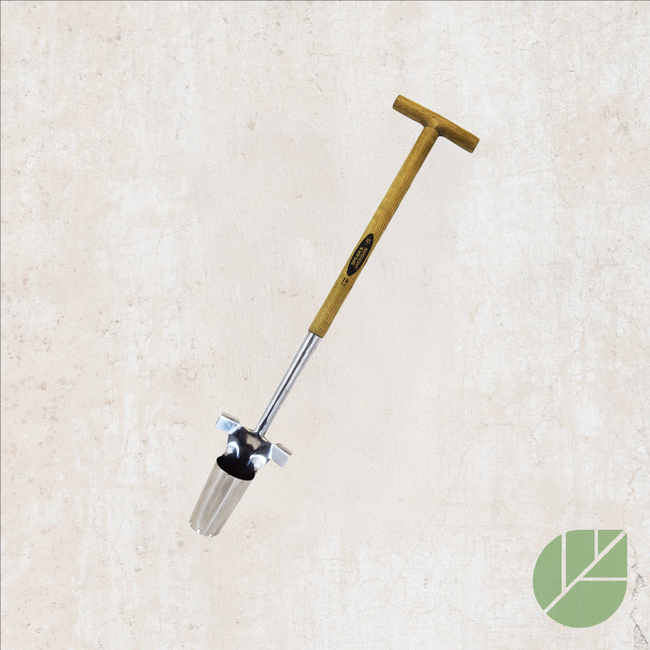
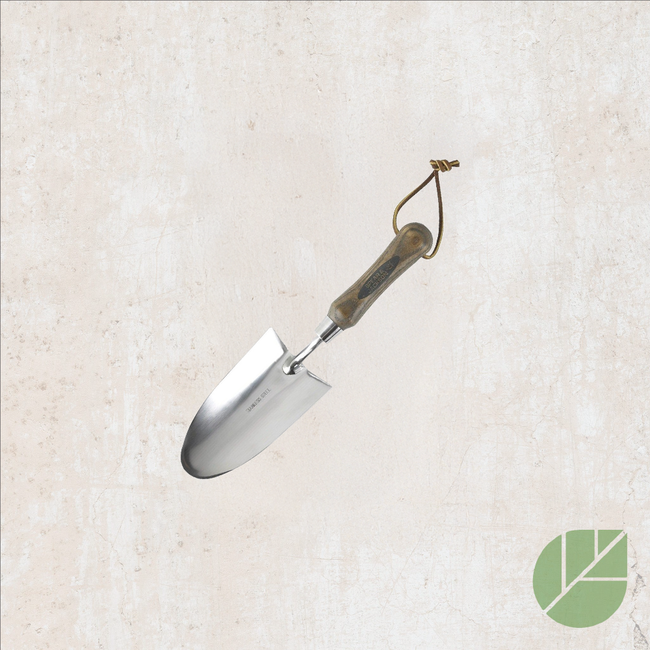
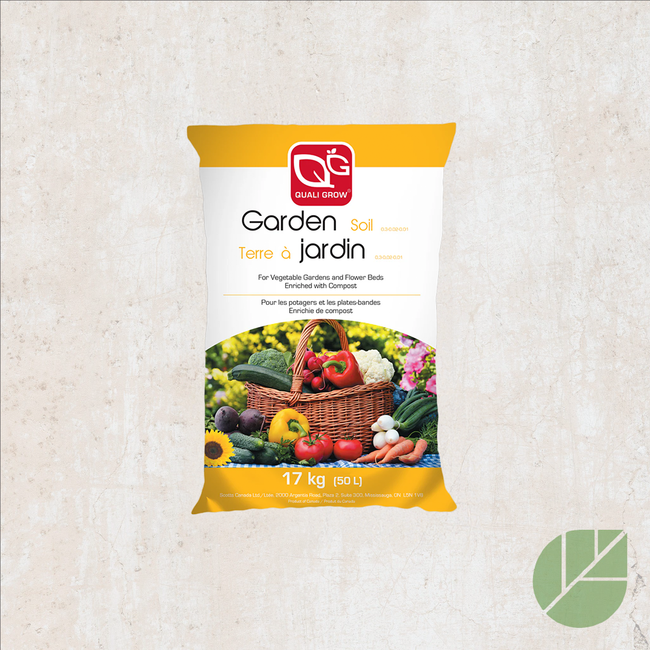
Soils and amendments for bulbs
Shop the collection