Sale
Sold out

Bulb
Asparagaceae
Camassia Pink Stars
Camassia leichtlinii ‘Pink Stars’
Camassia Pink Stars produces elegant spikes of pale pink star-shaped flowers above glossy strap-like foliage. This rare variety adds charm and refinement to spring gardens.
- Quantity
- 1 bulb
- Exposure
- Full sun to partial shade
- Life cycle
- Perennial
- Hardiness
- Zone 4
Discover the plant
Common namePink Stars Camas
FamilyAsparagaceae
GenusCamassia
TypeBulb
Botanical nameCamassia leichtlinii ‘Pink Stars’
Reproducible seedsYes
Pink Stars Camas (Camassia leichtlinii ‘Pink Stars’) is a rare bulbous perennial admired for its elegant spikes of soft pink, star-shaped flowers. Also known as Camassia Pink Stars, this refined variety blooms from May to June, producing delicate flower spikes above glossy green, strap-like foliage that forms a graceful, well-structured clump. Reaching approximately 60 cm (24 in) in height, it brings softness, vertical interest, and elegance to spring landscapes. Hardy to Zone 4, Camassia Pink Star naturalizes gradually over time when planted in well-drained soil and left undisturbed.
Plant the bulbs in autumn before the ground freezes, approximately 12 cm (5 in) deep and spaced 10 to 15 cm (4 to 6 in) apart. Choose a location in full sun or partial shade with rich, loose, neutral to slightly alkaline, and perfectly drained soil. Keep the soil lightly moist during spring growth, then reduce watering as the foliage enters dormancy. A moderate application of compost or balanced fertilizer in spring encourages abundant flowering. After blooming, allow the foliage to yellow naturally so the bulbs can replenish their energy reserves before summer.
Camassia Pink Stars is an outstanding choice for naturalized gardens, wildflower meadows, borders, and sunny flower beds. Its pale pink flower spikes pair beautifully with daffodils, ornamental alliums, Siberian irises, forget-me-nots, and ornamental grasses to create graceful, refined spring displays. The nectar-rich flowers attract bees and many other beneficial pollinators, making this variety an excellent addition to wildlife-friendly gardens. The long flower spikes also make beautiful fresh-cut flowers with excellent vase life. Although Camassia Pink Stars is prized for its ornamental beauty, it is grown exclusively for decorative purposes, and its flowers are not intended for consumption.

Planting guide
Plant well.Grow beautifully.
Planting depth
12 cm (5 in)
Best planting time
Fall
Propagation
Propagate by dividing mature bulbs after several years or by seed. Division remains the fastest and most reliable method.
Growing method
Plant the bulbs approximately 12 cm (5 in) deep in rich, loose, well-drained soil. Space bulbs 10 to 15 cm (4 to 6 in) apart. Grow in full sun or partial shade where the soil remains cool during spring. Water after planting, then maintain light, even moisture throughout active growth. Allow the foliage to yellow naturally so the bulbs can replenish their energy reserves. Established colonies naturalize gradually over time.
Soil and care
The right care,at the right time.
Soil pH
Neutral to slightly alkaline
Minimum temperature
-34°C (-30°F)
Care level
Easy
Watering
Keep the soil evenly moist during active growth, then reduce watering once the foliage enters dormancy.
Soil type
Rich, loose, well-drained soil that remains cool during spring.
Fertilization
Apply compost in spring or use a balanced slow-release fertilizer. Moderate feeding encourages abundant flowering.
Seasonal care
Allow the foliage to yellow naturally before removing it. Divide established clumps only when flowering declines. Avoid moving the bulbs frequently.
Container growing
A garden,within reach.
Recommended pot size
35 cm (14 in)
Container growing requires planning for the necessary root volume and the plant's final height. Choose a stable pot with drainage holes and a substrate suitable for planting. Leave enough space to respect recommended depth and spacing, rather than crowding plants to immediately fill the pot. Place the container in the indicated exposure and regularly check the moisture level, especially in hot or windy weather. A pot is more exposed to temperature variations than ground planting. Therefore, plan an overwintering location from the start that is compatible with the plant's needs and your region's climate. Plant bulbs in the fall, before the ground freezes, at a depth of about 12 cm (5 in) and leaving 10 to 15 cm (4 to 6 in) between each. Choose a sunny or semi-shady location, in rich, loose, neutral to slightly alkaline, and perfectly drained soil. Keep the soil slightly moist during spring growth, then reduce watering when the foliage goes dormant. A moderate application of compost or balanced fertilizer in spring promotes generous flowering. After flowering, allow the foliage to yellow naturally so that the bulbs can replenish their reserves before summer. In winter, protect the container according to the plant's needs: its roots are more exposed to cold than in the ground.

Bloom and dimensions
Its place,in your garden.
Mature height
60 cm (24 in)
Width / spread
10 to 15 cm (4 to 6 in)
Flower color
Pale pink
Foliage color
Glossy green
Foliage type
Deciduous
Growth rate
Medium
Bloom period
Elegant pale pink star-shaped flowers bloom in late spring and attract a wide variety of pollinators.

Garden associations
In goodcompany.
Companion plants
Daffodils, ornamental alliums, Siberian irises, forget-me-nots, and ornamental grasses make excellent companion plants.
Frequently asked questions
Your questions,answered.
When should Camassia Pink Stars be planted?
Plant the bulbs in autumn before the ground freezes. Fall planting encourages excellent root development before spring flowering.
Is this variety hardy?
Yes. Camassia Pink Stars is hardy to Zone 4 and returns reliably every spring when planted in well-drained soil.
Can it be naturalized?
Yes. It naturalizes gradually in wildflower meadows, naturalized gardens, and sunny borders when left undisturbed for several years.
Should the foliage be removed after flowering?
No. Allow the foliage to yellow completely before removing it so the bulbs can store energy for the following season.
Does it attract pollinators?
Yes. The nectar-rich flowers attract bees and many other pollinating insects throughout spring.
Wildlife and pets
Life,around your plants.
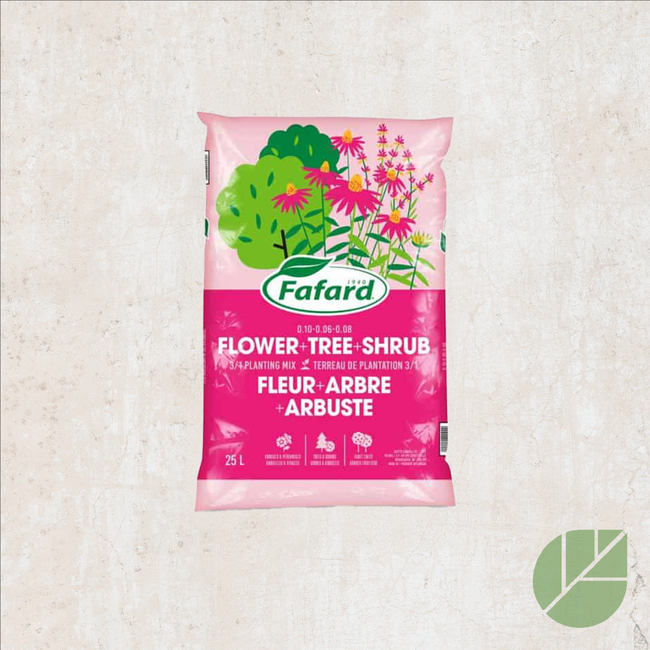
For planting your bulbs
The right extras.Right here.
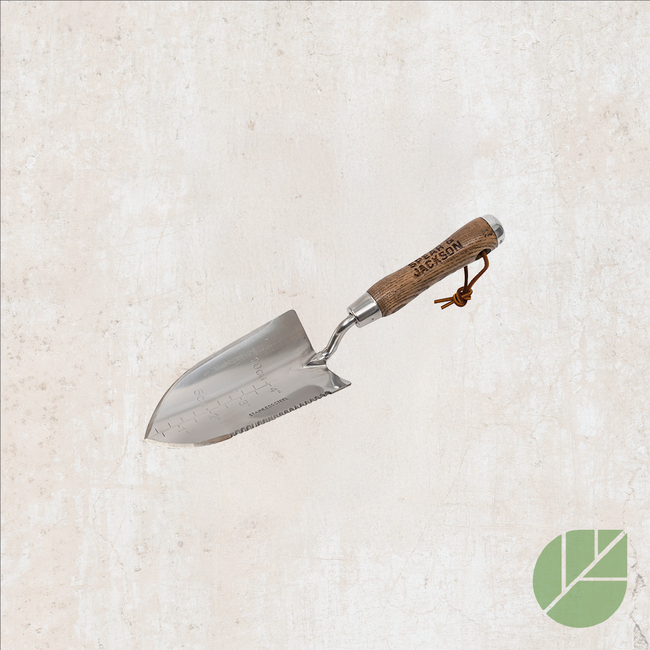
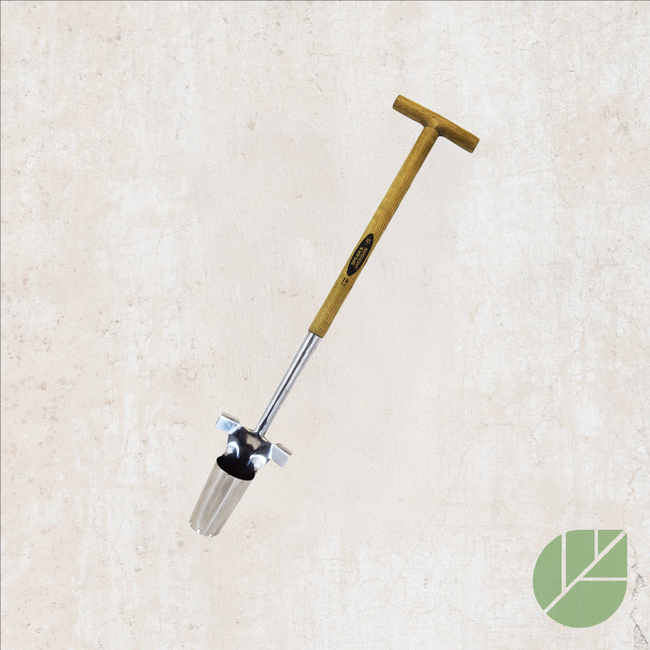
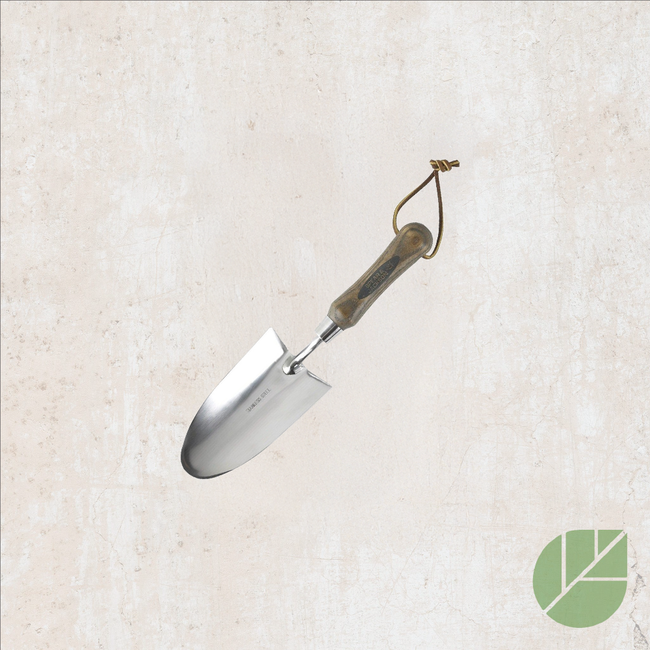
Bulb planters and planting tools
Shop the collection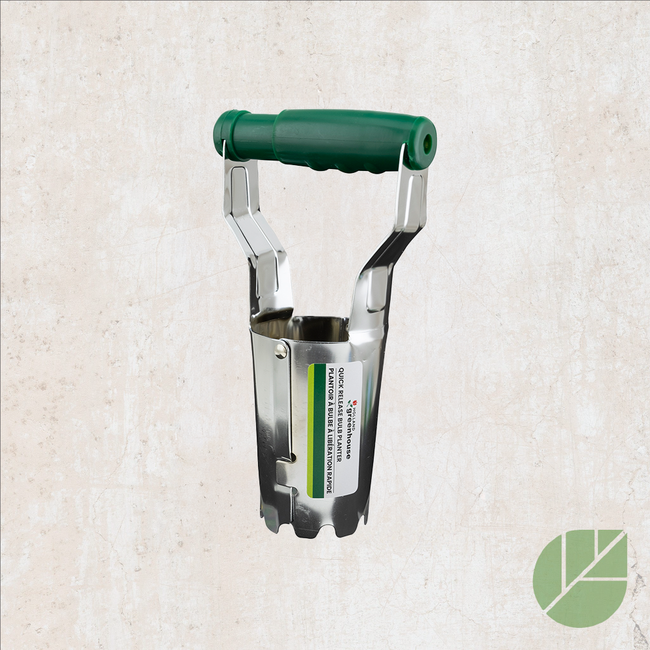
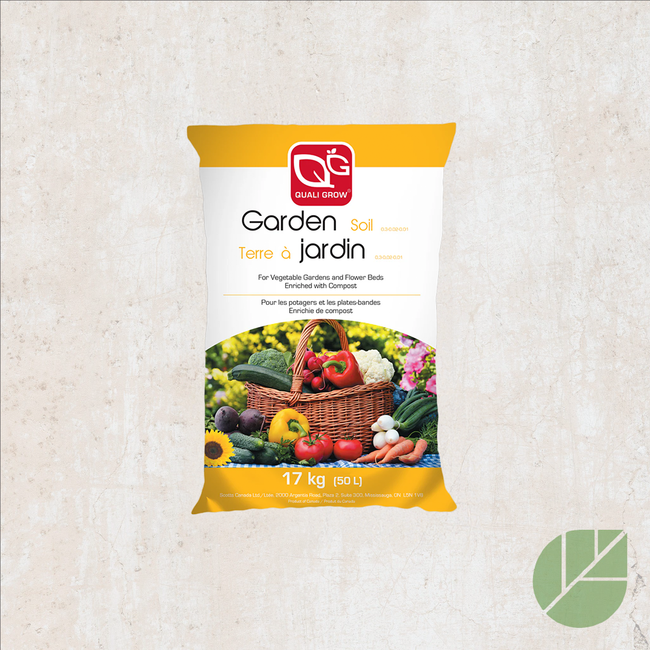
Soils and amendments for bulbs
Shop the collection