Sale
Sold out

Tropical rhizome
Zingiberaceae
Summer bulbs and rhizomes
Pink Siam Tulip
Curcuma alismatifolia
Product code : VAN-325-602-01
Pink Siam tulip (Curcuma alismatifolia) transforms a large pot into a tropical scene with bright-green leaves and lasting spikes of vivid pink bracts. The package contains 1 rhizome to start in warmth during spring and plant 5 cm (2 in) deep. It reaches 60 to 75 cm (24 to 30 in) and flowers from June through September with bright light, warmth, regular moisture, and excellent drainage. Not hardy in Quebec, it must be brought inside before frost; water is then reduced to permit dormancy. This strictly ornamental selection suits patios, terraces, tropical borders, and bouquets, with no culinary use.
- Quantity
- 1 rhizome
- Exposure
- Full sun to partial shade
- Life cycle
- Tropical perennial grown seasonally
- Hardiness
- Zone 10; overwinter frost free in Quebec
Discover the plant
Common namePink Siam tulip
FamilyZingiberaceae
GenusCurcuma
Speciesalismatifolia
CultivarRose
TypeTropical rhizome
Botanical nameCurcuma alismatifolia
Pink Siam tulip (Curcuma alismatifolia) forms an upright tropical clump of bright-green lance-shaped leaves topped by architectural inflorescences with vivid pink bracts. The small true flowers are tucked between these lasting bracts, which provide most of the display from June through September when warmth is sufficient. Plants reach about 60 to 75 cm (24 to 30 in) tall and 30 cm (12 in) wide. The Van Noort package contains 1 rhizome. Perennial in Zone 10, it is grown as a seasonal plant in Quebec and must spend winter completely protected from frost.
Wake the rhizome in warmth during spring, then plant it 5 cm (2 in) deep once the growing mix is comfortably warm. Provide bright light, morning sun, or luminous partial shade without scorching midday exposure. Rich, humus-filled, airy, drained soil should remain evenly moist during growth but never saturated. Space plants 30 cm (12 in) apart, water regularly, and feed moderately every two weeks after leaves emerge. When foliage yellows in autumn, stop fertilizer and gradually reduce water. Before frost, bring the pot indoors or lift the rhizome for a dry dormant period in a reliably frost-free place.
Pink Siam tulip creates a refined focal point in a large container, on a sheltered patio, or near the front of a tropical border. Pair its smooth foliage with caladiums, begonias, ferns, and tender grasses that share similar needs for warmth and moisture. Durable stems may be cut for bouquets, while the discreet true flowers may receive visits from small pollinating insects. This ornamental selection of Curcuma alismatifolia must not be confused with culinary turmeric, Curcuma longa. It is not intended for eating; grow it for its pink bracts, lush foliage, and distinctly exotic silhouette.

Planting guide
Plant well.Grow beautifully.
Planting depth
5 cm (2 in)
Spacing / density
30 cm (12 in)
Best planting time
Spring, once the growing mix is warm
Propagation
Division of dormant rhizomes, each section carrying a healthy bud
Growing method
Inspect the rhizome in spring and retain only firm material without mould. To advance the Quebec season, start it indoors in a clean pot where the growing mix can remain between 24 and 30°C (75 to 86°F). Use a rich, humus-filled, airy mixture and set the rhizome about 5 cm (2 in) deep with buds upward. Moisten lightly until emergence because cold, saturated soil encourages rot. As leaves develop, increase watering gradually and provide bright light. Acclimatize the plant for one week before moving it outside, only when nights stay above 10°C (50°F). In the garden, space plants 30 cm (12 in) apart and choose luminous partial shade or gentle sun. Maintain even moisture, feed every two weeks at half strength, and remove only fully spent stems. Before autumn frost, bring the pot indoors or lift the rhizome. Let foliage yellow, reduce water, clean away dry soil, and store the rhizome in a dark, dry, ventilated, frost-free place until the next start. Label the pot and record the starting date so timing can be adjusted the following season. Use clean tools whenever cutting damaged tissue and let fresh cuts dry briefly before potting. Keep the crown above persistent surface moisture, and never place a newly started pot directly on a cold basement floor.
Soil and care
The right care,at the right time.
Soil pH
Slightly acidic to neutral
Minimum temperature
10°C (50°F)
Care level
Moderate
Watering
Keep the mix lightly moist until emergence, then evenly fresh through growth and flowering. Water when the upper few centimetres begin to dry, allowing drainage, and empty the saucer. The plant tolerates neither active-season drought nor saturation. In autumn, gradually reduce watering as leaves yellow, then keep the rhizome nearly dry throughout winter dormancy. During hot weather, check moisture each morning rather than following a fixed calendar. Water at the soil surface and keep the colourful bracts dry whenever possible to preserve their appearance.
Soil type
Rich, organic, humus-filled, light, airy soil that holds regular moisture while quickly releasing excess water is ideal. Tropical potting mix amended with mature compost and perlite works well. Avoid cold clay, containers without drainage, and water-filled saucers. During dormancy, the rhizome instead requires a dry, ventilated environment. A coarse bark fraction may be included to preserve pore space through repeated watering. Renew compacted mix each spring and keep the rhizome crown free of dense mulch. The substrate should feel springy rather than muddy when gently pressed.
Fertilization
After active leaves appear, apply a balanced liquid fertilizer at half strength every two weeks to already moist soil. Regular feeding supports the bracts without excessive salt accumulation. Flush the pot occasionally with clear water. Stop all fertilizer when foliage begins yellowing because a dormant rhizome cannot use it and should remain dry. Watch leaf colour and reduce the dose if tips brown or a white crust develops on the soil surface.
Moisture
Moderate to high ambient humidity supports clean foliage provided air circulates. Group pots or use a pebble tray without immersing the base. Keep the plant away from dry air vents and watch for spider mites. Never compensate for dry air by saturating the mix because the rhizome remains vulnerable to rot. Wipe dusty leaves so gas exchange remains efficient. A small fan used gently nearby can reduce stagnant air without chilling the plant.
Seasonal care
In spring, inspect the rhizome, remove soft tissue, and start it in warmth using fresh mix. Water sparingly before emergence, then increase gradually as leaves lengthen. Rotate the pot for balanced growth and begin feeding only after active development. In early summer, acclimatize the plant outdoors over one week and wait for nights above 10°C (50°F). Maintain even moisture, empty saucers, and watch for slugs, aphids, and spider mites. During summer, feed every two weeks, protect foliage from scorching sun, and cut stems only after their colour is fully spent. In late summer, stop cutting so natural slowing can be observed. During autumn, bring the pot inside before any frost. Reduce water as foliage yellows, stop fertilizer, and let reserves return to the rhizome. Once leaves are dry, cut them cleanly. Store the rhizome in its dry pot or lift, clean, and place it in barely dry peat. Through winter, keep it dark, ventilated, and frost free without regular watering. Inspect monthly and remove any soft tissue before rot spreads. At the next start, repot into fresh mix, label the date, and increase water only after a new shoot becomes visible. Keep cutting tools clean between plants. If stored material shrivels slightly but remains firm, do not soak it; restore moisture gradually after potting. Discard badly moulded material rather than placing it beside healthy rhizomes. Record flowering time, light exposure, and feeding so the following season can be adjusted precisely.
Container growing
A garden,within reach.
Recommended pot size
30 to 35 cm (12 to 14 in) wide and at least 30 cm (12 in) deep
Choose a stable container 30 to 35 cm (12 to 14 in) wide and at least 30 cm (12 in) deep with several drainage holes. Fill it with rich tropical mix amended with perlite and mature compost. Set the rhizome 5 cm (2 in) deep, buds upward, then moisten lightly. Keep the pot at 24 to 30°C (75 to 86°F) until emergence in bright light. Increase watering afterward without ever leaving water in the saucer. Rotate weekly and feed every two weeks at half strength. Move outside only after acclimatization when nights exceed 10°C (50°F), choosing shelter from wind and scorching sun. Remove faded stems and inspect beneath leaves for spider mites. Before the first frost, bring the container indoors. Gradually reduce water as foliage yellows, then cut dry leaves. The rhizome may rest in its pot, nearly dry, dark, and frost free. Repot in fresh mix during spring; divide only a large rhizome so each section keeps at least one vigorous bud. Clean the saucer regularly and replace the mix if it becomes compact. Support an unusually heavy flower stem with a discreet stake inserted away from the rhizome. During indoor display, keep the plant away from heating vents and cold glass. Check moisture with a finger instead of watering on schedule, and never let decorative cache-pots conceal standing water.

Bloom and dimensions
Its place,in your garden.
Mature height
60 to 75 cm (24 to 30 in)
Width / spread
About 30 cm (12 in)
Flower color
Vivid pink bracts; small discreet flowers between the bracts
Foliage color
Bright green
Foliage type
Deciduous in dormancy, broad and lance-shaped in growth
Growth rate
Moderate
Growth habit
Upright, clumping, and tropical
Bloom period
From June through September under steady warmth, stems carry overlapping vivid pink bracts surrounding the small true flowers. Bracts provide a long colourful display and cut well for bouquets. Bright light, regular moisture, warm soil, and moderate feeding encourage spike production, whereas cold or drought noticeably delay the show. Each spike develops progressively, so a healthy clump can carry bracts at different stages. Remove ageing stems at the base with clean shears while preserving every green leaf that continues feeding the rhizome.
Harvest
June to September. Flower spikes can be harvested for bouquets and have an excellent vase life.

Garden associations
In goodcompany.
Companion plants
Pair it with caladiums, begonias, ferns, coleus, and small tropical grasses sharing its need for warmth, filtered bright light, rich soil, and regular moisture. Purple or silver foliage emphasizes the pink bracts, while fine textures balance its broad leaves. Avoid xeric plants requiring dry soil and vigorous neighbours that would crowd the rhizome or consume the container’s moisture. Leave open access for watering and rhizome inspection. In mixed pots, choose companions with shallower roots and prune them before they shade the emerging curcuma shoots.
Plants to avoid
Avoid pairing with cacti, succulents, and other xeric plants because their dry watering regime conflicts with active curcuma growth. Do not place it beneath woody plants with strongly competitive roots. These are cultural incompatibilities, not chemical companion-plant effects.
Frequently asked questions
Your questions,answered.
When should the Pink Siam tulip rhizome be started?
Start the rhizome indoors in spring, about eight to ten weeks before the expected outdoor date, when warm soil can be maintained. Set it 5 cm (2 in) deep with buds upward in a rich, airy mix. Keep it between 24 and 30°C (75 to 86°F) and water lightly until emergence because excess water before roots develop promotes rot. Gradually increase moisture and light afterward. Acclimatize the plant for one week, then move it outside only after frost risk has passed and nights remain above 10°C (50°F). Record the result in a garden notebook so warmth, light, watering, and timing can be refined next season. Use clean tools and inspect the rhizome regularly rather than waiting for visible decline.
Why is my Pink Siam tulip not flowering?
Slow performance often results from a rhizome started in cold soil, insufficient light, irregular watering, or a warm season that is too short. Provide bright light with morning sun, keep the root ball evenly moist, and feed every two weeks after leaves develop. Confirm that the pot drains freely and nights exceed 10°C (50°F). A weak or recently divided rhizome may spend one season building foliage. Do not force it with nitrogen-rich fertilizer; maintain warmth, balanced nutrition, and patience until the clump matures. Record the result in a garden notebook so warmth, light, watering, and timing can be refined next season. Use clean tools and inspect the rhizome regularly rather than waiting for visible decline.
How should the rhizome be overwintered in Quebec?
Bring the plant inside before the first frost. When leaves begin yellowing, stop fertilizer and gradually reduce watering so reserves return to the rhizome. Cut only completely dry foliage. Leave the rhizome in its nearly dry pot or lift it, remove loose soil, and store it in barely dry peat. Keep it in a dark, ventilated, frost-free place, ideally cool but never below 10°C (50°F). Inspect monthly and promptly remove soft tissue. Resume water and warmth only when beginning spring growth. Record the result in a garden notebook so warmth, light, watering, and timing can be refined next season. Use clean tools and inspect the rhizome regularly rather than waiting for visible decline.
Can Pink Siam tulip be grown entirely in a pot?
Yes, container culture is the most practical method in Quebec. Choose a pot 30 to 35 cm (12 to 14 in) wide and at least 30 cm (12 in) deep with several unobstructed holes. Use rich, humus-filled, airy mix and monitor moisture more frequently than in open ground. Provide bright light with shelter from wind and scorching sun. Feed at half strength every two weeks during growth. A mobile container simplifies spring acclimatization, relocation during prolonged rain, and movement indoors before frost, then allows a nearly dry dormancy. Record the result in a garden notebook so warmth, light, watering, and timing can be refined next season. Use clean tools and inspect the rhizome regularly rather than waiting for visible decline.
Is Pink Siam tulip edible like grocery-store turmeric?
No. This product is an ornamental selection of Curcuma alismatifolia, grown for pink bracts and foliage, whereas turmeric spice comes primarily from Curcuma longa. Belonging to the same genus does not ensure the same use or equivalent food safety. Do not eat the rhizome, leaves, or inflorescences described here. Keep stored material away from curious children and pets, wear gloves if skin is sensitive, and wash hands after handling. For cooking, use only a food product clearly identified and sold for that purpose. Record the result in a garden notebook so warmth, light, watering, and timing can be refined next season. Use clean tools and inspect the rhizome regularly rather than waiting for visible decline.
Wildlife and pets
Life,around your plants.
Reported toxicity
Yes
Supporting wildlife
Small flowers tucked between the bracts may receive visits from bees and other pollinating insects while the plant is outdoors. This contribution is modest and depends on accessible blooms. Avoid insecticides on the spikes and combine curcuma with open nectar plants to support beneficial wildlife more broadly. Leave several stems uncut outdoors through their full display and provide pesticide-free companion flowers nearby for a longer succession of accessible bloom.
For planting your bulbs
The right extras.Right here.
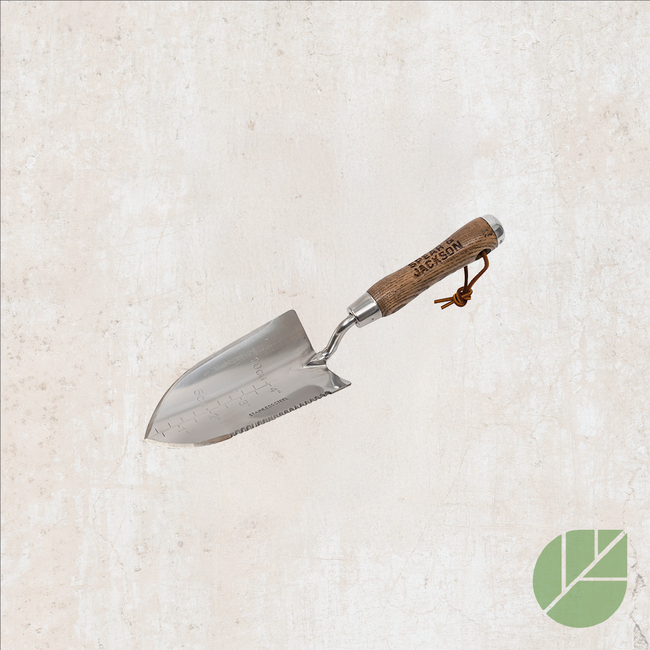
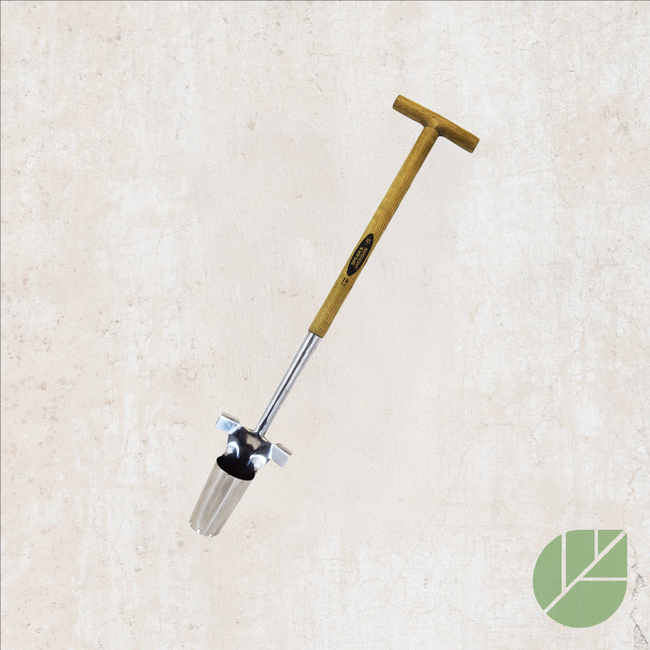
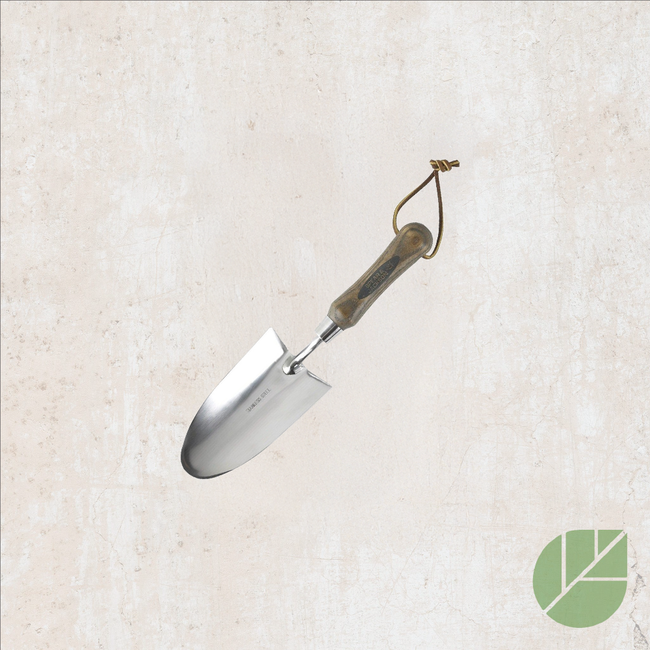
Bulb planters and planting tools
Shop the collection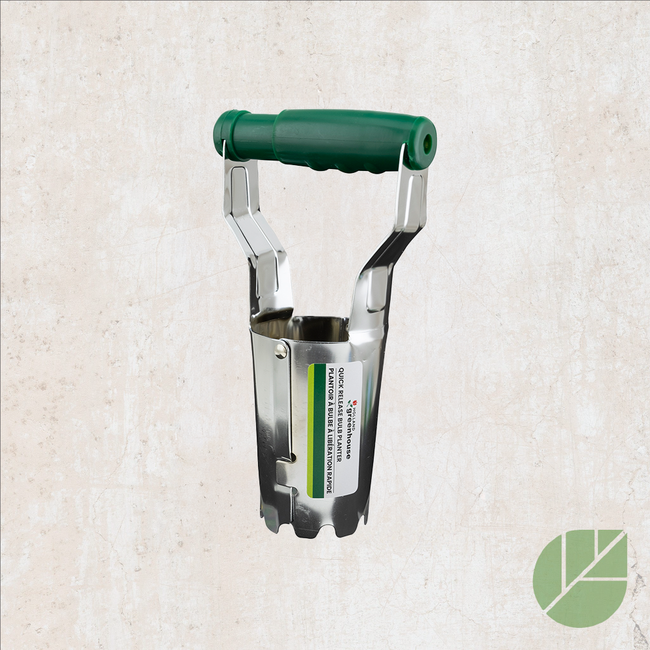
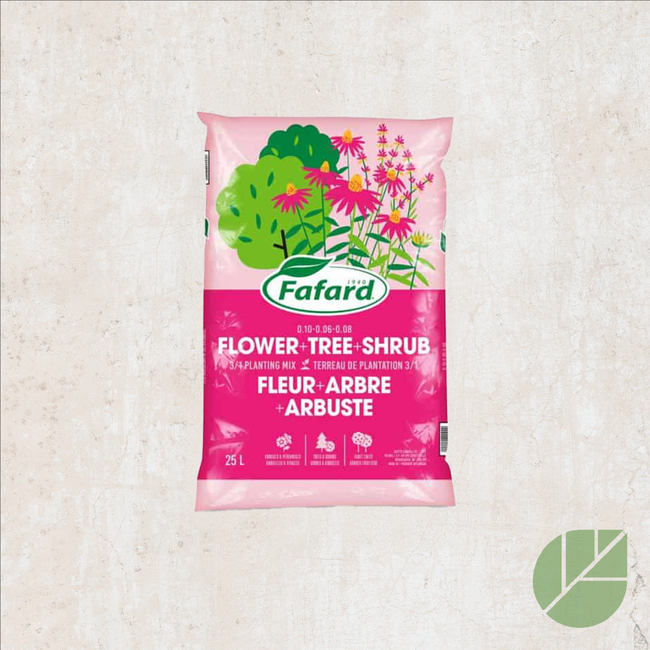
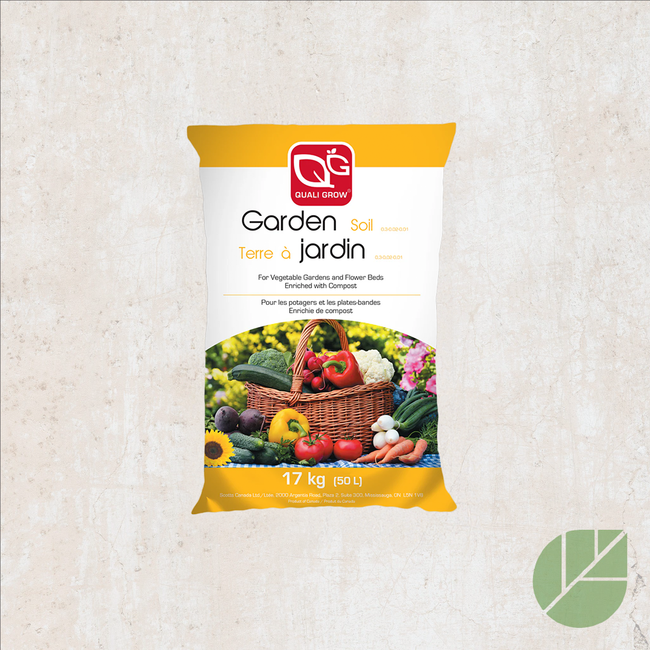
Soils and amendments for bulbs
Shop the collection