Ornamental bulbs

Van Noort

Paeonia

Available

Pay in 4 interest-free payments withSezzle

Delivery and pickup: view conditions

Product information
Advice adapted to Canada
Secure payment
Preorders open November 1, 2026
Expected delivery: early April 2027.
Share

From bulb to bloom

Common name‘Coral Sunset’ peony
FamilyPaeoniaceae
GenusPaeonia
CultivarCoral Sunset
Bulb typeRacine nue avec couronne et racines charnues
Botanical namePaeonia
Quantity per pack1 racine nue
Bulb size2 à 3 yeux

‘Coral Sunset’ Peony (Paeonia ‘Coral Sunset’) is a prized herbaceous hybrid peony with large, fragrant flowers that change colour as they mature. Buds open a vivid coral pink, then the ruffled petals fade through apricot, creamy yellow, and ivory. This progression creates several warm shades on one clump during the early peony season. The cultivar forms divided, deep-green foliage and strong stems approximately 80 cm tall and 60 cm wide. Its semi-double blooms suit perennial borders, romantic gardens, and cut bouquets. The package contains one bare root. Established plants are vigorous and form a durable clump when left undisturbed.

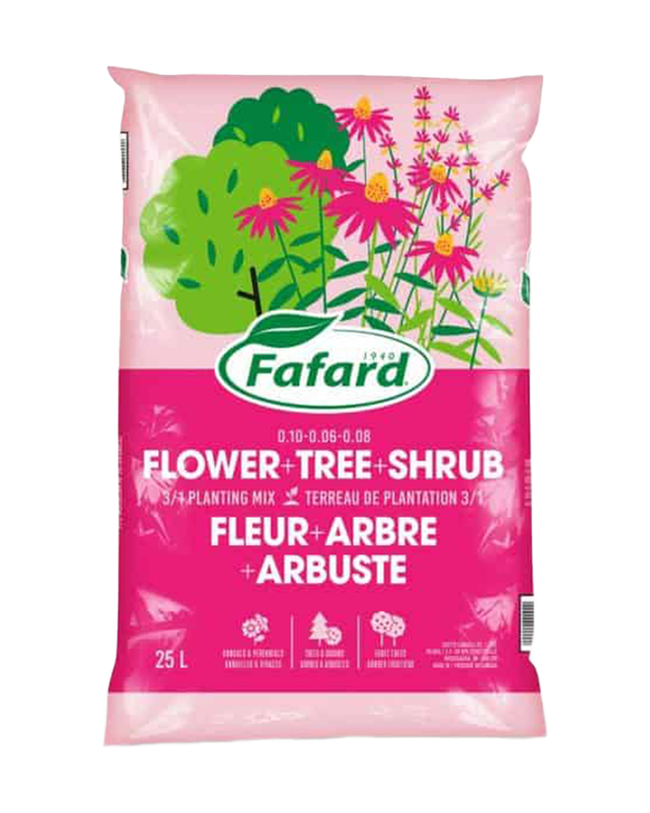
Plant the root in spring in deep, fertile, organic-rich, very well-drained soil. Choose full sun or bright partial shade, then position the crown with its eyes facing upward beneath approximately 5 cm of soil. Space plants 90 cm apart so air can circulate around mature foliage. Water deeply after planting and maintain even moisture during establishment without allowing water to collect. Avoid piling mulch or compost over the crown because deeply buried eyes may produce attractive foliage without abundant flowers. A young peony can require one to three growing seasons to reach its full flowering potential. Mark the planting position so emerging red shoots are not disturbed.

Install a support ring early in spring when the site is windy or rain may weigh down the flowers. Cut a few buds when they feel soft like marshmallows to enjoy their fragrance indoors, while leaving ample foliage on the plant. Remove faded blooms afterwards but retain every healthy leaf until frost. Water at soil level and watch for botrytis during cool, wet periods. After the first hard frost, cut stems and remove diseased debris. Peonies prefer to remain in place; divide only a crowded clump, ideally in fall. Every part is unsuitable for eating and toxic to pets. Keep the root, foliage, flowers, and bouquets beyond their reach.

Light and life cycle

In the garden

Exposure
Full sun to partial shade
Life cycle
Bulbous perennial
Hardiness
Zones 4 to 8
Planting and establishment

Planting guide

Planting & establishment

Planting depth

Yeux à 2,5 à 5 cm (1 à 2 po) sous la surface

Spacing / density

space plants or bulbs 10 to 15 cm (4 to 6 in.).

Planting period

Printemps, dès que le sol est praticable

Propagation

Bare-root the crown; division of mature clumps in fall

Growing method

Planter au printemps dès que le sol se travaille. Yeux vers le haut, à 2,5 à 5 cm sous la surface; espacer de 90 cm. Arroser à l’installation. Laisser la racine en pleine terre durant l’hiver.
Soil and care

Soil and care

Soil & care

Soil pH

pH 6.0 to 7.5

Moisture

Moist soil during establishment, then moderate moisture with constant drainage

Care level

Easy

Drought tolerance

Yes

Watering

Régulier à l’établissement; au pied durant les périodes sèches

Soil type

Fertile et bien drainé

Fertilization

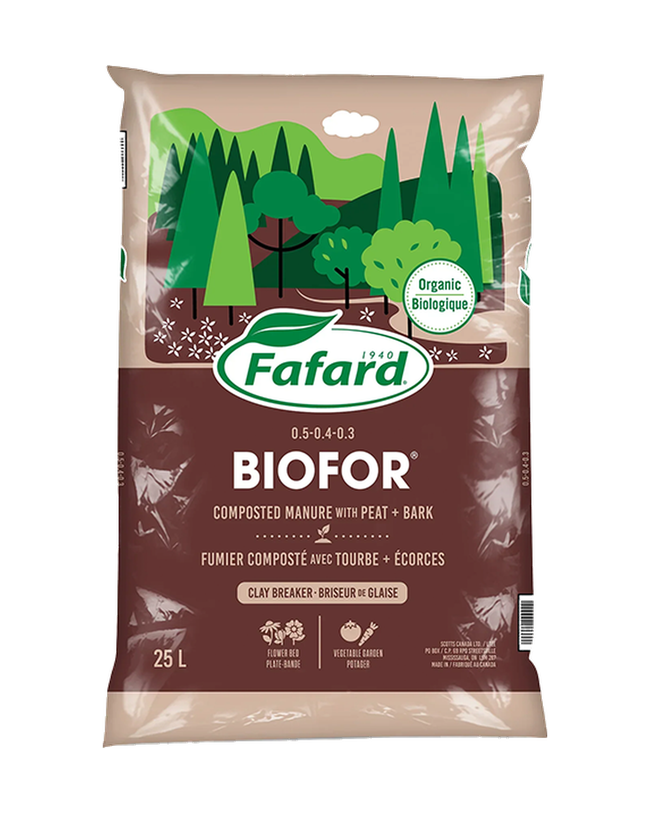
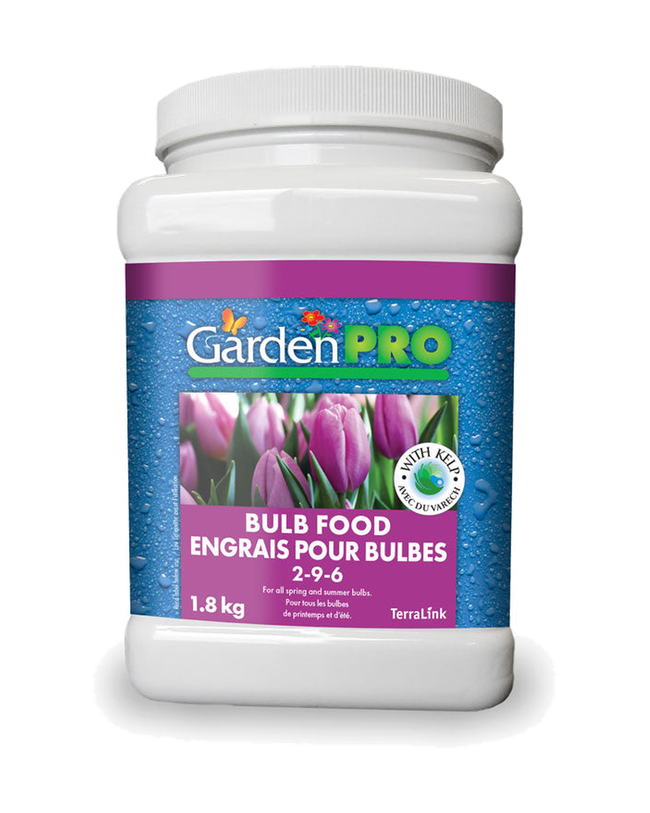
Incorporate mature compost before planting. In spring as shoots emerge, apply a thin compost layer around the clump without covering the eyes. A balanced slow-release fertilizer may be used according to its label when a soil test identifies a need. Avoid excess nitrogen, which encourages foliage at the expense of flowers, and keep concentrated fertilizer away from the crown. Do not feed late in the season when plants are preparing for dormancy.

Seasonal care

In early spring, remove excess mulch carefully without injuring emerging red eyes. Install a support ring before stems lengthen, especially when ‘Coral Sunset’ produces double or heavy flowers. Add a thin compost layer around the clump without covering the crown. During growth, keep soil moist and weed by hand to avoid cutting shallow the root. Water at soil level in the morning and inspect young stems, buds, and leaves for botrytis symptoms. Remove black, soft, or grey-moulded tissue promptly and clean tools between plants. When buds feel soft like marshmallows, cut several stems for bouquets while leaving multiple leaves on every plant. Remove remaining faded flowers afterwards. Through summer, retain all healthy foliage and water deeply during extended dry weather. Late powdery mildew is reduced by wide spacing and constant airflow. After the first hard frost, cut stems at soil level, collect every leaf, and discard diseased debris rather than composting it at home. Do not move young clumps. When division becomes necessary, work in fall four to six weeks before the ground freezes, then replant every section immediately at the correct depth. Check supports yearly and enlarge them before they constrict expanding the crown. The following spring, compare emerging points with labels before cultivating nearby soil. When frost movement exposes a crown, replace loose soil gently without burying it more deeply. After heavy rain, verify that water does not collect around the plants. In years of abundant flowering, support only leaning stems and avoid tightly binding the entire clump. Every intervention should preserve as much healthy foliage as possible so the root store enough energy for the next display.
Growing in containers

Container growing

Container growing

Recommended pot size

container at least 25 to 30 cm (10 to 12 in.) deep, with drainage
Peonies perform best in the ground, but each root can grow in a durable container holding at least 50 to 60 L and measuring approximately 50 cm deep. Use rich, freely draining mix in a pot with open drainage holes, then position the crown with its eyes beneath approximately 5 cm of medium. Plant only one root per container to preserve root space and airflow. Place the pot in full sun and water deeply when the upper few centimetres dry, never leaving water in a saucer. A circular support assists flowering stems. In cold regions, move the container beside a sheltered wall after frost, insulate its sides, or place it in an unheated location where the root ball stays cold without repeated freeze-thaw cycles. Do not bring the plant into a warm room. Remove protection gradually in spring. Repot only when the root fill the container, preferably in fall, keeping eyes shallow. Slower flowering after planting or repotting is normal. Check drainage each spring before new shoots expand. Rotate the container occasionally for balanced light and confirm that drainage holes remain open rather than blocked by the root or debris. A very thin mulch layer can slow evaporation, but always keep the crown visible and clear. After flowering, continue regular watering while foliage remains green. Avoid small decorative pots that overheat or dry completely within one day, since repeated stress limits root development and future flower production.
Growth and flowering

Size, flowering & harvest

Mature height

Environ 80 cm (31 po)

Width / spread

Environ 60 cm (24 po)

Flower color

Corail rosé pâlissant vers le crème; étamines jaunes

Foliage color

Green

Foliage type

Deciduous foliage that becomes dormant after flowering

Growth rate

Moderate

Growth habit

Upright to gently spreading herbaceous clump

Fragrance

Subtle fragrance

Bloom period

Early in the peony season, generally in late spring or early summer. Coral buds open into fragrant semi-double to double flowers, then fade through apricot and creamy yellow to ivory. A young root may require one to three growing seasons before reaching its full flowering display. Exact timing depends on region, exposure, and spring temperatures. Older flowers may therefore become nearly cream while newly opened buds still retain their vivid coral colour, creating the cultivar’s characteristic multitone display.

Harvest

Pour les bouquets, coupez les tiges lorsque les boutons montrent leur couleur et que leur centre devient souple au toucher, avant l’ouverture complète. Conservez du feuillage sur la touffe pour qu’elle reconstitue ses réserves. Évitez de dégarnir une jeune pivoine.
Garden companions

Garden associations

Companion plants & uses

Companion plants

Combine peonies with hardy geraniums, catmint, lady’s mantle, salvias, ornamental alliums, and irises. These plants extend the season and can conceal supports or stems after flowering without smothering the crown. Keep open space directly around every eye. Choose low or airy companions that enjoy sun and drained soil, and avoid aggressive division near the fleshy roots. Spring bulbs can also bloom nearby when planted beyond the crown’s immediate root zone. Space companions so their leaves do not remain pressed against peony stems after rain. This separation reduces persistent humidity and simplifies inspection.

Garden use

Place ‘Coral Sunset’ in the middle of a sunny border, where its approximately 80 cm height can rise above low perennials without hiding background plants. The transition from coral to cream harmonizes with violet-blue hardy geraniums, catmint, lady’s mantle, and ornamental alliums. Reserve approximately 90 cm for the mature clump from planting time because the peony prefers to stay in place. A support ring installed early disappears beneath foliage and holds flowers after rain. In a cutting garden, harvest only several soft buds and leave multiple flowering stems in the border. Retain every healthy leaf after bloom so the crown can rebuild reserves. White or burgundy midseason peonies extend the display, while spring bulbs planted away from the crown fill the space before emergence. Avoid large trees, dense groundcovers, and waterlogged low spots. Cutting stems after frost opens the view and reduces debris that may shelter disease. Keep a narrow path nearby for bouquets without compacting soil above the roots. For the clearest colour changes, place the clump where morning light reaches the petals. A permanent label prevents accidental disturbance during dormancy. Keep a small open work area beside the path so a support can be installed and flowers can be cut without stepping above the fleshy roots. This permanent layout also makes seasonal cleanup and disease inspection easier.

Frequently asked questions

Frequently asked questions

How should a ‘Coral Sunset’ peony root be planted?
Plant in spring once soil can be worked. Choose full sun or bright partial shade and deep, fertile, organic-rich, very well-drained ground. Unpack the root, soak it briefly when dry, then position the crown with its two to three eyes facing upward. Cover the eyes with approximately 5 cm of soil, following Van Noort’s specification, and allow 90 cm to the next plant. Water deeply and mark the position. Do not pile mulch directly over the crown. Planting too deeply can reduce flowering, while saturated soil encourages rot. Keep the area weed-free and avoid disturbing emerging red shoots. Leave the crown undisturbed during its first growing seasons.
When does ‘Coral Sunset’ peony flower?
‘Coral Sunset’ flowers early in the peony season, generally in late spring or early summer depending on climate. Coral buds open into fragrant semi-double to double blooms, then fade through apricot and creamy yellow to ivory. A newly planted root may produce few flowers in its first year and require one to three growing seasons to reach full potential. Full sun, shallow crown placement, well-drained soil, and retaining foliage until frost support future flowering. Avoid moving the plant during establishment, and keep compost or mulch from gradually burying the eyes. Morning light makes the colour progression easier to observe, while regular moisture during bud development supports the display. The exact week varies with spring weather.
Why does a peony grow leaves without flowers?
Planting too deeply is a common reason for poor flowering. Check that the eyes have not become buried beneath repeated layers of compost or mulch. Insufficient sun, recent division, a young root still establishing, excess nitrogen, or removing foliage too early can also reduce buds. Allow ‘Coral Sunset’ one to three seasons before judging its performance. Retain all healthy leaves until frost and avoid moving the crown. When it is clearly too deep, correct its position carefully in fall rather than during active growth. Also check whether nearby trees or vigorous perennials create excessive shade and root competition. Even moisture during bud development also helps an established plant perform reliably.
How can botrytis be reduced on this peony?
Allow 90 cm of space and keep the clump centre open to airflow. Water at soil level in the morning so leaves and buds remain dry. During cool, wet weather, inspect emerging shoots, stems, and buds. Remove every black, soft, or grey-moulded part promptly, then clean the tool before touching another plant. After frost, cut stems at soil level and collect all foliage. Discard diseased debris rather than placing it in a home compost pile. Well-drained soil and the absence of dense groundcover around the crown also reduce risk. Avoid overhead irrigation and inspect support rings that may hold wet leaves against stems.
Is ‘Coral Sunset’ peony safe around pets?
No. The ASPCA lists peonies as toxic to dogs, cats, and horses because they contain paeonol. Ingestion may cause vomiting, diarrhoea, and depression. Position ‘Coral Sunset’ beyond the reach of animals that chew vegetation, and do not leave roots, leaves, petals, or faded bouquets accessible. No part is intended for human food. If an animal eats peony material or develops symptoms, contact a veterinarian or animal poison centre promptly and provide the botanical name Paeonia. Keep the original product label available for identification, and collect fallen petals before a curious pet can chew them. Collect fallen petals as well before a curious animal can chew them, and keep cut bouquets in an inaccessible location.

Wildlife and pets

Wildlife & precautions

Reported toxicity

Yes

Supporting wildlife

Les boutons floraux peuvent attirer des fourmis qui récoltent le nectar; elles ne sont pas nécessaires à l’ouverture des fleurs. La pivoine est généralement peu broutée par les cerfs, sans être à l’abri de tout dommage.

Complete your purchase

Complete your purchase

Click a product to build your selection.

Your selection

Total