Sale
Sold out

Vegetable bulb, standard softneck garlic
Amaryllidaceae
Fall vegetable bulb
Regular garlic (Allium sativum ‘Regular’)
Regular garlic is a standard softneck type sold as a package of three bulbs. Each head generally produces nine to twenty-four small to medium cloves suited to everyday cooking. Its mild to medium flavour works well in sauces, soups, marinades, roasted vegetables, and slow-cooked dishes. Plant cloves in fall, 8 cm (3 in) deep and 15 cm (6 in) apart, in fertile, well-drained soil. Plants reach about 60 cm (24 in), suit Zones 2 to 10, and are harvested in late summer. After thorough curing, flexible stems may be braided and the bulbs can remain useful into spring when stored in a cool, dry, airy place.
- Quantity
- 3 bulbs
- Exposure
- Full sun to partial shade
- Life cycle
- Annual in vegetable production
- Hardiness
- Zones 2 to 10
Discover the plant
Common nameGarlic
FamilyAmaryllidaceae
GenusAllium
Speciessativum
CultivarRegular
TypeVegetable bulb, standard softneck garlic
Botanical nameAllium sativum
Reproducible seedsYes
Regular garlic (Allium sativum ‘Regular’) is a standard softneck garlic sold by Van Noort as a package of three bulbs for planting. Each head generally carries nine to twenty-four small to medium cloves protected by several layers of pale papery wrappers. Its mild to medium flavour suits everyday cooking, whether raw or cooked, without overwhelming other ingredients. Flat upright green leaves reach about 60 cm (24 in), then soften and yellow as bulbs mature. Grown as an annual vegetable crop, this cold-hardy garlic suits Zones 2 to 10. It is productive, adaptable to several well-drained soils, and valued for storage into spring after proper curing.
Plant cloves in fall in full sun or bright partial shade, using loose, fertile, organic-rich soil with excellent drainage. Separate the three bulbs one or two days before planting without damaging each clove’s basal plate. Set every clove pointed end up 8 cm (3 in) deep, spacing plants 15 cm (6 in) apart and rows approximately 30 cm (12 in) apart. After the soil cools, apply clean straw mulch to moderate freeze-thaw cycles. In spring, maintain even moisture without saturation, weed early, and fertilize moderately. Reduce irrigation as lower leaves begin to yellow. Avoid standing water, fresh manure directly in the row, and late high-nitrogen feeding that delays bulb maturity.
Harvest in late summer when several lower leaves have browned while a few upper leaves remain green. Loosen bulbs with a garden fork instead of pulling stems, then cure whole plants for two to four weeks in a shaded, dry, exceptionally well-ventilated place. Once necks and wrappers are dry, brush away loose soil and store bulbs in an airy container in a cool, dark location. Cloves season sauces, soups, marinades, roasted vegetables, and slow-cooked dishes. Flexible stems also allow thoroughly cured bulbs to be braided. Reserve the largest firm cloves for future planting and use a four-year rotation with unrelated crops. Keep stored garlic away from dogs and cats because Allium ingestion can be harmful.

Planting guide
Plant well.Grow beautifully.
Planting depth
8 cm (3 in)
Spacing / density
15 cm (6 in) between cloves and approximately 30 cm (12 in) between rows
Best planting time
Fall, one to two weeks after the first killing frost and before permanent freeze-up
Propagation
Division and planting of cloves separated from the bulb
Growing method
Separate the cloves shortly before planting and keep the basal plate intact. In fall, set each clove pointed end up about 80 mm deep, spacing plants 15 cm (6 in) apart and rows about 30 cm (12 in) apart. Use loose, fertile soil rich in organic matter with excellent drainage. Once the soil has cooled, apply mulch to moderate winter freeze-thaw cycles. In spring, control weeds, water consistently without saturating the soil, and fertilize moderately. Then gradually reduce watering as the lower leaves yellow, and lift the bulbs while several upper leaves are still green. Cure them in a shaded, dry, well-ventilated location. After the soil cools, cover the row with 8 to 10 cm (3 to 4 in) of clean straw to moderate freeze-thaw cycles. In spring, loosen mulch around emerging shoots, feed moderately, and weed before shallow roots are disturbed. Stop watering about two weeks before harvest. Lift one test bulb when lower leaves brown and four or five upper leaves remain green; cure whole plants afterward in a shaded, dry location with steady airflow. Softneck garlic normally produces no scape; focus instead on foliage condition, soil moisture, and wrapper maturity. Harvest in late summer, then cure the flexible stems thoroughly when bulbs will be braided for storage.
Soil and care
The right care,at the right time.
Soil pH
pH 6.0 to 7.0
Minimum temperature
Approximately -40°C
Care level
Easy
Watering
Water moderately during active growth to maintain even moisture without waterlogging the soil. Gradually reduce watering when the lower leaves begin to yellow as harvest approaches. Water deeply rather than frequently at the surface, and check sandy soil more often. Avoid extreme swings between drought and saturation while bulbs enlarge. Reduce irrigation as lower leaves begin browning, then stop about two weeks before harvest to protect wrappers and support efficient curing.
Soil type
Loose, fertile soil rich in organic matter with excellent drainage Loam amended with mature compost performs especially well. Aim for a pH near 6.0 to 7.0. Avoid compacted clay, standing water, and fresh manure directly in the row, because they may distort bulbs or encourage disease. In heavy ground, plant on a low mound or in a raised bed. Raised beds are useful wherever native soil drains slowly.
Fertilization
Incorporate well-finished compost before planting and fertilize moderately early in the growing season. Avoid excessive nitrogen, particularly later in the season, so foliage growth is not unnecessarily prolonged. A soil test helps refine nutrient inputs. Incorporate mature compost before planting and, when needed, provide balanced fertilizer or moderate nitrogen early in spring growth. Stop nitrogen applications as bulbs enlarge; excessive late feeding prolongs foliage and delays maturity. Avoid placing fresh manure directly against the cloves.
Moisture
Maintain consistent to moderate soil moisture during active growth; avoid standing water and persistently saturated soil, especially as the bulbs approach maturity.
Seasonal care
In fall, prepare loose, well-drained soil, incorporate mature compost, and plant the cloves before the ground freezes permanently. Once the soil cools, apply mulch to moderate temperature swings and repeated freeze-thaw cycles. In spring, watch for renewed growth, loosen compacted mulch around emerging shoots if needed, and weed regularly because garlic competes poorly with weeds. Maintain moderate, consistent moisture during active growth without saturating the soil, and fertilize reasonably early in the season. Gradually reduce watering as the lower leaves yellow. Harvest in July or August while several upper leaves remain green. Cure the bulbs for several weeks in a shaded, dry, well-ventilated location before cleaning away excess soil and placing them in suitable ventilated storage. In early summer, watch for normal yellowing of lower leaves and stop high-nitrogen feeding as bulbs begin to enlarge. About two weeks before lifting, stop irrigation when weather permits. Loosen one test bulb with a fork; cloves should fill their wrappers without splitting them. Harvest in dry conditions, avoid bruising, and do not wash bulbs. Cure whole plants for two to four weeks in a shaded, dry place with steady airflow. Then trim roots, shorten stems, grade the crop, and use any damaged bulb promptly. Store only firm bulbs in baskets or mesh bags away from moisture and pets. Because this type normally forms no scape, routine flower-stalk removal is unnecessary. Monitor neck firmness, wrapper condition, and the progression of yellowing instead. After curing, flexible stems may be braided without tightening around the bulbs.
Container growing
A garden,within reach.
Recommended pot size
At least 30 cm (12 in) deep, ideally 30 to 40 cm (12 to 16 in) in diameter or larger
Container growing is possible in a pot at least 30 cm (12 in) deep, ideally 30 to 40 cm (12 to 16 in) in diameter or larger, with generous drainage holes. Fill it with a light, fertile potting mix enriched with compost, then plant the cloves about 80 mm deep while leaving enough space for bulb development. Place the container in full sun or bright partial shade and keep the mix lightly and consistently moist during active growth without allowing water to collect. During winter, protect the pot from excessive freeze-thaw fluctuations while keeping the plants exposed to their required cold period. Monitor moisture more closely in spring, then gradually reduce watering before harvest and cure the bulbs in a dry, well-ventilated location. For a Canadian winter, insulate the container walls, move it to a sheltered position, or sink it temporarily into the ground to reduce rapid temperature changes. In spring, check drainage after rain, uncover shoots, and fertilize without excess. Lift bulbs without pulling the leaves and cure them in an airy place. Refresh part of the potting mix before another crop and avoid immediately growing another Allium in the same medium. Softneck plants require attention to foliage and bulb maturity rather than a scape harvest. After curing, store bulbs away from the used potting mix and label any cloves reserved for planting.

Bloom and dimensions
Its place,in your garden.
Mature height
Approximately 60 cm (24 in)
Width / spread
Approximately 15 cm (6 in)
Flower color
White to pinkish white
Foliage color
Blue-green
Foliage type
Deciduous herbaceous foliage with narrow linear leaves that naturally yellow and dry as the bulbs reach maturity.
Growth rate
Vigorous spring growth after fall rooting, followed by summer bulb maturation.
Growth habit
Upright
Fragrance
Pronounced garlic aroma with mild to medium clove flavour; cooking develops a rounder, sweeter, more delicate expression.
Bloom period
Secondary flowering; scapes are usually harvested before the flowers fully develop so they can be eaten and bulb development can be favoured. The central scape curls before straightening. When left on the plant, its tip may carry bulbils and sometimes small whitish to pinkish flowers. To favour bulb size, harvest the scape at its first curl. At that stage it is tender and offers a milder flavour than mature cloves.
Fruiting
Regular garlic does not form fleshy fruit and rarely produces a useful flower display. Propagation is done mainly by separating bulbs into firm cloves shortly before planting. Every clove reproduces the selection vegetatively and develops a new head during the following growing season. Reserve only healthy, uninjured cloves without mould for planting stock, and keep them clearly labelled until they return to the garden.
Harvest
July to August, when several lower leaves have yellowed or dried while a few upper leaves are still green.

Garden associations
In goodcompany.
Companion plants
Carrots, tomatoes, beets, lettuce, and strawberries can grow nearby when their spacing, light requirements, and appropriate crop rotation are respected. Choose neighbours that do not block light or interfere with timing, such as early lettuce or spinach harvested before bulbs enlarge. An edging of annual herbs can also use space without strong root competition. Do not present these combinations as guaranteed pest protection. Avoid planting after onions, leeks, shallots, chives, or other Allium crops; use a four-year rotation with unrelated families.
Plants to avoid
Avoid poorly drained soils and repeated rotations with garlic, onions, leeks, or other Allium crops, which can encourage the buildup of problems associated with this group.
Recipe idea
From the gardento your plate.
Roasted Regular garlic spread. Heat the oven to 190°C (375°F). Slice the top from two bulbs to expose the cloves slightly, place them on foil, and add one teaspoon of olive oil. Close the packet loosely and roast for 40 to 50 minutes, until cloves are tender and golden. Cool briefly, squeeze the flesh into a bowl, then mash it with 100 g of cream cheese or cooked white beans, one tablespoon of lemon juice, salt, pepper, and fresh herbs. Serve on toast, with vegetables, or in a sandwich. Refrigerate promptly in a covered container and use within three days. Never keep homemade garlic in oil at room temperature. Freeze the spread in small portions when longer storage is needed. Thaw only the amount required, keep leftovers chilled, and discard any portion with an unusual odour, mould, or fermentation. This mild preparation highlights the cloves’ rounded flavour without masking fresh herbs or lemon.
Frequently asked questions
Your questions,answered.
When should Regular garlic be planted?
Plant the cloves in fall, generally from September to November in Quebec, before the ground freezes permanently. This timing allows roots to begin establishing before winter without encouraging excessive top growth. Set the cloves pointed end up about 80 mm deep, then apply mulch after the soil has cooled to moderate repeated freeze-thaw cycles and protect the planting bed through winter. Choose firm cloves, set them pointed end up 8 cm (3 in) deep and 15 cm (6 in) apart. Clean straw mulch applied after the soil cools moderates freeze-thaw cycles. In spring, loosen mulch gently around emerging shoots and keep the row weed-free.
Why choose Regular softneck garlic?
Regular softneck garlic suits gardeners who want a versatile crop, many cloves, and extended storage. Each bulb generally carries nine to twenty-four small to medium cloves that are convenient for everyday recipes. Its mild to medium flavour remains noticeable without dominating sauces, soups, marinades, or roasted vegetables. After curing, flexible stems can be braided for airy storage. This type rarely produces a flower stalk, so most seasonal growth supports the bulb. For an even harvest, provide full sun, fertile soil with excellent drainage, consistent spring moisture, early weed control, and a four-year rotation with crops unrelated to Allium. Cure bulbs thoroughly before braiding or storing them, and inspect the crop regularly through winter.
When should Regular garlic bulbs be harvested?
Harvest generally takes place in July or August in Quebec. Watch the foliage rather than relying on the calendar alone: several lower leaves should have yellowed or dried while a few upper leaves remain green. Gradually reduce watering as this stage approaches, then lift the bulbs carefully. Cure them for several weeks in a shaded, dry, well-ventilated location before cleaning away excess soil and preparing them for storage. Lift one test bulb with a fork rather than pulling the stem. Cloves should fill their wrappers without the outer skins splitting completely. Harvest in dry conditions, do not wash bulbs, and handle them gently because bruising shortens storage life.
Does Regular garlic store well?
Yes. Regular garlic is known for good storage performance when harvested at the proper stage, cured thoroughly, and kept under suitable conditions. After harvest, allow the bulbs to cure for several weeks in a shaded, dry, very well-ventilated place. Once the wrappers are dry and papery, store the bulbs somewhere cool, dry, and airy. Actual storage life varies with curing quality, temperature, humidity, airflow, and the condition of individual bulbs. After curing, brush away loose soil, trim roots, and shorten stems. Store only firm bulbs in baskets, ventilated crates, or mesh bags away from moisture and heat. Inspect the crop regularly and use any bulb that softens or deteriorates promptly.
How should Regular garlic be stored and braided?
After harvest, keep stems and roots attached, then arrange plants in one layer or small groups in a shaded, dry, exceptionally well-ventilated location. Cure for two to four weeks, until necks are completely dry and wrappers feel papery. Brush away soil, trim roots, and remove only dirty outer wrappers. For braiding, gently soften the dried stems and add a few bulbs at a time without tightening around their necks. Hang the braid in a cool, dark, airy place. Inspect it regularly and use first any bulb that softens or develops loosening wrappers. Properly cured Regular garlic can remain useful into spring. Do not refrigerate planting stock, and keep all garlic away from dogs and cats.
Wildlife and pets
Life,around your plants.
Reported toxicity
Yes
Supporting wildlife
Softneck garlic rarely flowers in an ordinary vegetable crop, so it is not a dependable floral resource for pollinators. Its aroma may discourage some browsing mammals, but no complete protection should be promised. Every part of garlic must remain away from dogs and cats because ingestion can be harmful to these animals.
For planting your bulbs
The right extras.Right here.
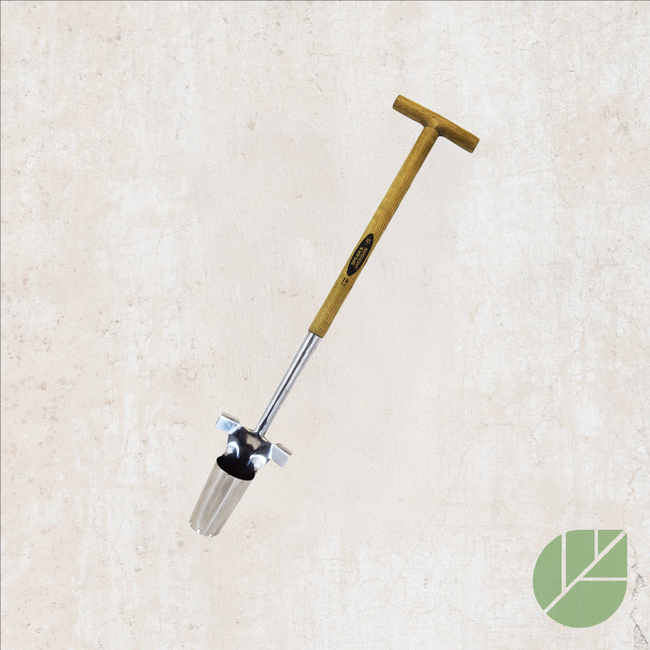
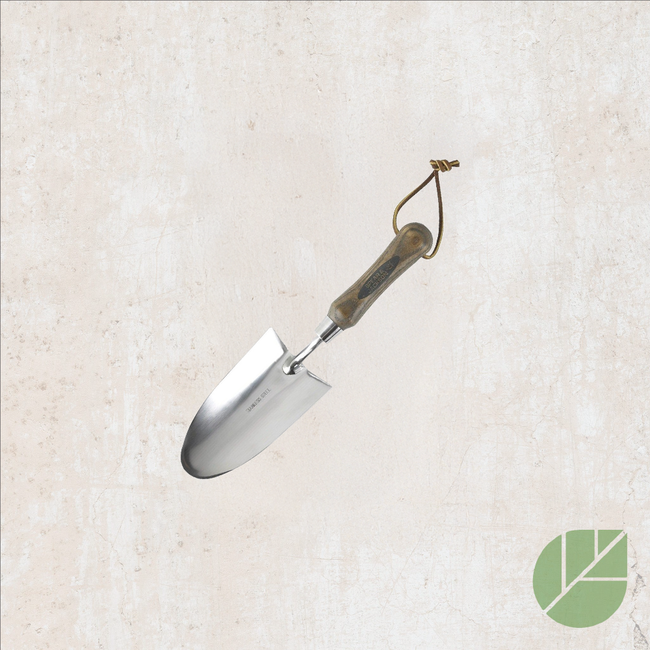
Bulb planters and planting tools
Shop the collection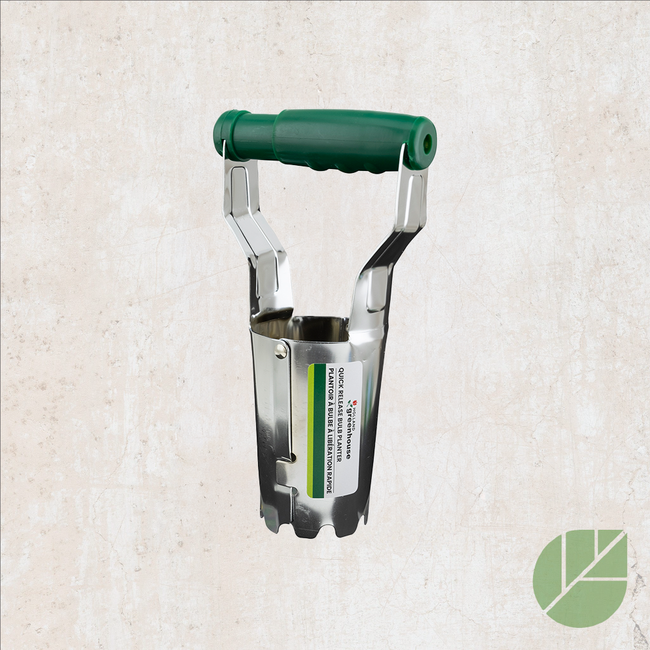
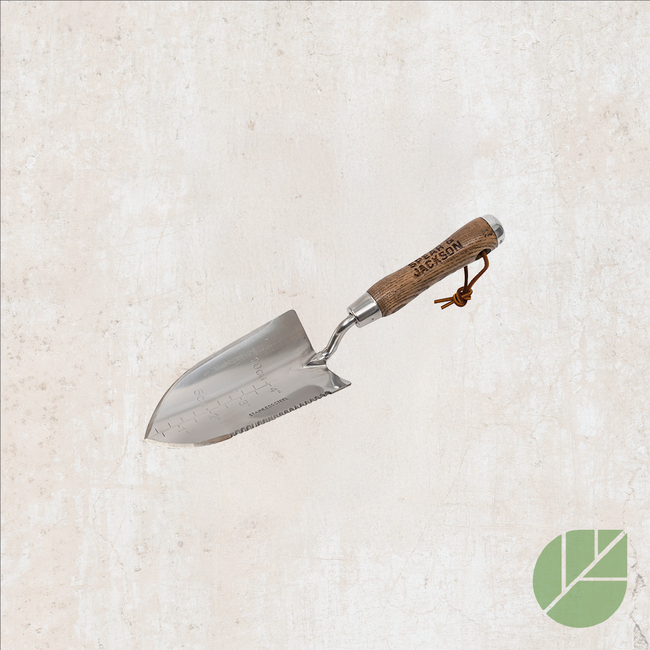
Soils and amendments for bulbs
Shop the collection