Sale
Sold out

Perennial plant
Polygonaceae
Rhubarb 'Holsteiner Blut' (1 plant)
A rhubarb with dark red stalks for generous harvests! Rhubarb 'Holsteiner Blut' (Rheum rhabarbarum) is a vigorous and hardy variety, renowned for its long, intensely red stalks and its balanced, tart yet sweet flavor. This ancient variety, originating from Germany, is perfect for lovers of homemade pies, jams, and compotes. Very cold-resistant, it reliably returns each spring, producing abundant harvests from late April to June. An ideal choice for gardeners seeking yield and flavor! Plant rhubarb in spring or autumn, in deep, rich soil.
- Quantity
- 1 plant
- Exposure
- Sun
Discover the plant
Common nameRhubarb
FamilyPolygonaceae
GenusRhubarb
TypePerennial plant
Botanical nameRhubarb
Rhubarb 'Holsteiner Blut' (1 plant) – A vigorous and tasty variety
?? A rhubarb with dark red stems for generous harvests! ??
Rhubarb 'Holsteiner Blut' ( Rheum rhabarbarum ) is a vigorous and rustic variety, renowned for its long, intense red stems and its balanced flavor, both tart and sweet . This old variety, originally from Germany, is perfect for lovers of homemade pies, jams and compotes . Very resistant to cold, it returns faithfully each spring , producing abundant harvests from late April to June .
?? An ideal choice for gardeners looking for yield and flavor!
Characteristics of the variety
?? Planting period : Spring or fall
?? Harvest : April - June
?? Plant height : 60 cm (24")
?? Exposure : Full sun
?? Hardiness zone : 3
?? Yield : Very high
?? Deer resistance : Yes
??? Flavor : Tangy and sweet, ideal for cooking
?? Planting and growing rhubarb
?? When and where to plant?
?? Plant rhubarb in spring or fall , in deep, rich soil.
?? Choose a sunny location , with well-drained soil enriched with compost.
?? Good spacing is essential : leave at least 60cm (24") between each plant.
?? How to plant?
1?? Dig a hole about 15cm (6") deep .
2?? Place the stem (or crown) in the hole, buds pointing upwards .
3?? Cover with loose soil , leaving the bud slightly visible.
4?? Water generously after planting.
?? Maintenance
?? Water regularly, especially in summer, without soaking the soil .
?? Apply mulch to retain moisture and limit weeds.
?? Do not harvest the first year to allow the plant to establish itself well.
?? In the fall, prune the faded leaves and enrich the soil with compost.
??? When and how to harvest rhubarb?
?? 1st year : Do not harvest , let the plant establish itself.
?? 2nd year : Harvest only a few stems , in moderation.
?? 3rd year and beyond : Harvest generously from late April to June .
?? Harvesting method
?? Do not cut the stems! Pull them firmly downwards and twist to detach them at the base.
?? Never harvest more than ? of the stems at one time , to preserve the vigor of the plant.
?? The leaves are toxic , do not consume them.
?? Storage tip : Fresh stems will keep for 1 to 2 weeks in the refrigerator and can be frozen after being cut into pieces.
?? Delicious ideas with rhubarb 'Holsteiner Blut'
????? With its beautiful red color and balanced taste, it is perfect for:
?? Strawberry and rhubarb tarts and crumbles ??
?? Homemade compotes , delicious with yogurt ??
?? Gourmet jams , ideal for breakfast ??
?? Rhubarb syrup , refreshing in lemonade ??
?? Cooked in a savory version , with fish or duck ??
?? Anti-waste tip : Pieces that are too fibrous can be used to flavor an infusion or syrup.
Why choose 'Holsteiner Blut' rhubarb?
?? Easy to grow and very hardy
??? A tasty and balanced taste, perfect in cooking
?? Generous performance for more than 10 years
?? A decorative asset in the vegetable garden with its bright red stems
?? Add 'Holsteiner Blut' rhubarb to your garden and enjoy delicious harvests every spring!

Planting guide
Plant well.Grow beautifully.
Growing method
Plant rhubarb in a sunny spot in fertile, deep, well-drained soil that can retain consistent moisture. Prepare the site by removing perennial weeds and incorporating mature compost. Place the crown close to the surface, with its buds at ground level, without burying them under a thick layer of soil. Water after planting and monitor for dryness during establishment. Keep the area around the base clear to limit competition. Mulch helps retain moisture, but leave the center of the crown uncovered to avoid persistent humidity against the buds. Allow the plant to establish without harvesting during its first season. The following year, harvest only a few stalks from a vigorous clump, then gradually increase the harvest in subsequent seasons without denuding the plant. Remove flower stalks if they appear and continue necessary watering during dry periods. Only the stalks are used in cooking: cut and discard the leaves, which are not edible. After the foliage dies back in autumn, clear debris around the base without damaging the buds. In spring, apply compost around the clump to support regrowth and gradually improve soil structure.
Soil and care
The right care,at the right time.
Watering
Keep the soil cool while the rhubarb is growing, especially during hot, dry periods. Water slowly at the base to moisten the root zone without soaking the crown. Check below the surface before each watering and take recent rainfall into account. Mulch helps retain moisture, but keep the center of the crown clear. Continue to monitor the soil after harvesting, as long as the leaves remain green, then reduce watering as growth slows.
Soil type
Rhubarb prefers deep, fertile soil that can stay moist without retaining water around the crown. Check drainage after rain: water should be able to leave the root zone. Work the soil when it is no longer waterlogged to avoid compacting it. Adjust amendments to its actual texture. In a container, use an appropriate potting mix and a pot with drainage holes. Keep these openings clear and avoid any water accumulation in the saucer.
Fertilization
Adapt your fertilization to the richness of your soil and the needs of the crop. A soil analysis helps in choosing useful inputs before planting. Respect the dose indicated on your fertilizer's packaging and measure the quantity before applying it. Take into account compost and other inputs already made to avoid fertilizing the same plant twice. Distribute the product according to its instructions for use; avoid any concentrated contact with roots or storage organs. A larger application does not guarantee more abundant flowering.
Seasonal care
A rhubarb with dark red stalks for generous harvests! 'Holsteiner Blut' rhubarb (Rheum rhabarbarum) is a vigorous and hardy variety, renowned for its long, intensely red stalks and its balanced, both tart and sweet, flavor. This ancient variety, originating from Germany, is perfect for lovers of homemade pies, jams, and compotes. Very cold-resistant, it reliably returns each spring, producing abundant harvests from late April to June. Plant rhubarb in spring or autumn, in deep, rich soil. To successfully plant, dig a hole about 15 cm (6 in) deep. Then, place the stem (or crown) in the hole, with the buds pointing upwards. Then, cover with loose soil, leaving the bud slightly visible. Afterward, water generously after planting. Water regularly, especially in summer, without waterlogging the soil. Do not harvest in the first year to allow the plant to establish itself well. In autumn, prune faded leaves and enrich the soil with compost. Never harvest more than ⅔ of the stalks at once to preserve the plant's vigor. Storage tip: Fresh stalks can be stored for 1 to 2 weeks in the refrigerator and can be frozen after being cut into pieces. Add 'Holsteiner Blut' rhubarb to your garden and enjoy delicious harvests every spring!
Container growing
A garden,within reach.
Container gardening requires planning for the volume needed for the roots and the plant's final height. Choose a stable pot with drainage holes and a suitable growing medium. Leave enough space to respect recommended depths and spacing, rather than crowding plants to immediately fill the pot. Place the container in the indicated exposure and regularly check moisture levels, especially in hot or windy weather. A pot is more exposed to temperature variations than an in-ground planting. Therefore, from the outset, plan for a wintering location compatible with the plant's needs and your region's climate. Install rhubarb in full sun in fertile, deep, well-drained soil capable of retaining consistent moisture. Prepare the site by removing perennial weeds and incorporating mature compost. Place the crown near the surface, with its buds at ground level, without burying them under a thick layer of soil. Water after planting and monitor for drying during establishment. Keep the area around the base clear to limit competition. Mulch helps retain moisture, but leave the center of the clump free to prevent persistent humidity against the buds.

Bloom and dimensions
Its place,in your garden.
Bloom period
Rhubarb can produce an upright flower stalk during its growth. In the vegetable garden, remove this stem at its base as soon as it appears to prevent the plant from using its reserves to produce seeds. Distinguish it from the petioles bearing the large leaves, which are the desired harvest. Continue with usual care and adjust harvesting according to the plant's vigor. A young clump should primarily develop its roots and foliage before it can sustain regular harvests.

Garden associations
In goodcompany.
Companion plants
Install neighboring crops at a sufficient distance so as not to hinder maintenance or block the light necessary for this planting. Compare their mature height and water needs before sharing the same space. Keep paths clear for watering and harvesting without damaging the leaves. Companion planting in the vegetable garden should primarily facilitate care and efficient use of space; it does not guarantee protection against diseases or pests. Clearly separate different varieties with labels to identify each one at harvest time and track your results season after season.
Frequently asked questions
Your questions,answered.
How to successfully plant ‘Holsteiner Blut’ Rhubarb?
Install rhubarb in a sunny spot in fertile, deep, well-drained soil that can retain consistent moisture. Prepare the site by removing perennial weeds and incorporating mature compost. Place the crown near the surface, with its buds at ground level, without burying them under a thick layer of soil. Water after planting and monitor for dryness during establishment. Keep the area around the base clear to limit competition. Mulch helps retain moisture, but leave the center of the clump clear to avoid persistent moisture against the buds.
What kind of light should I provide for Rhubarb 'Holstenier Blut'?
The recommended exposure is full sun. Observe the light in your chosen location in the morning and afternoon, as the shade from trees or buildings changes throughout the day. Also consider neighboring plants: their foliage can obscure a young planting as it develops. For potted plants, place the pot where you can move it if conditions become too hot or too shady. Appropriate exposure must go hand in hand with suitable soil and watering. If you move a plant started indoors outdoors, gradually accustom it to garden conditions to avoid too abrupt a transition for young leaves.
How to adjust the watering?
Water according to the actual moisture of the soil, taking into account rain, heat, and wind. Check below the surface before deciding on further watering: a dry surface can still be moist at the root level. Direct water to the base and allow it to penetrate, without keeping the plant in saturated soil. Containers generally require more frequent checks because they dry out faster. Ensure their drainage holes remain clear and empty any saucers that retain water. Also adapt care to the plant's cycle: active growth and a dormant period do not require the same watering.
What to plan for container gardening?
Planting in the ground offers more space to establish this plant permanently. If you choose a container, you must provide the necessary volume for the roots and the final height of the plant. Choose a stable pot with drainage holes and a substrate suitable for planting. Leave enough space to respect the recommended depth and spacing, rather than crowding plants to fill the pot immediately. Place the container in the indicated exposure and regularly check the moisture, especially in hot or windy weather. A pot is more exposed to temperature variations than a plant in the ground. Therefore, plan for a wintering location from the start that is compatible with the needs of this plant and the climate of your region.
What aftercare should be planned after the growing season?
Allow the plant to establish without harvesting during its first season. The following year, take only a few petioles from a vigorous clump, then gradually increase harvesting in subsequent seasons without stripping the plant bare. Remove any flower stalks if they appear and continue watering as needed during dry periods. Only the petioles are used in cooking: cut and discard the leaves, which are not edible. After the foliage withers in autumn, clear debris around the base without damaging the buds. In spring, apply compost around the clump to support regrowth and gradually improve soil structure.
For planting your bulbs
The right extras.Right here.
Bulb planters and planting tools
Shop the collection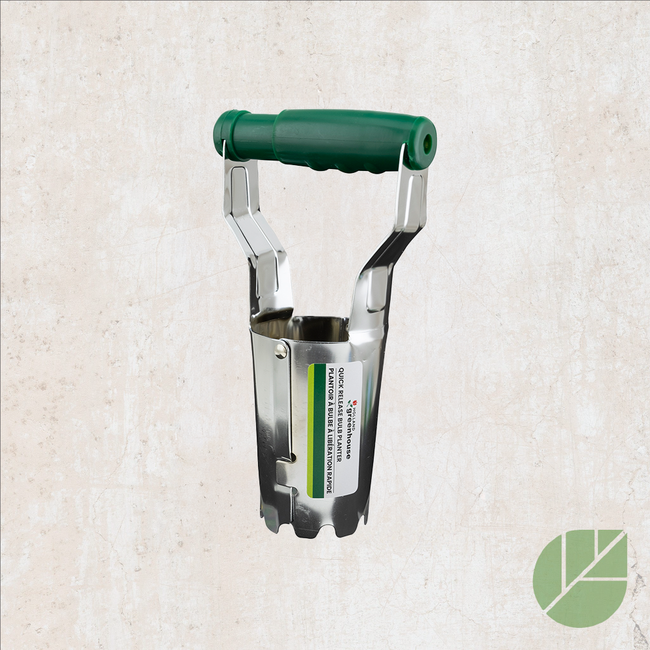
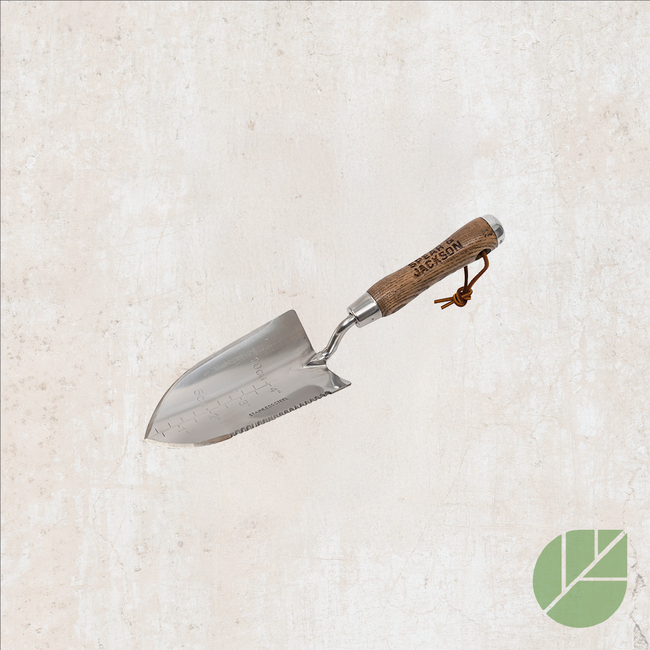
Soils and amendments for bulbs
Shop the collection