Sale
Sold out

Corm
Colchicaceae
Colchicum The Giant
Colchicum autumnale ‘The Giant’
Giant Autumn Crocus produces very large lilac-pink flowers with golden centres that emerge directly from the ground in autumn. Its foliage appears only the following spring.
- Quantity
- 1 corm
- Exposure
- Full sun to partial shade
- Life cycle
- Perennial
- Hardiness
- Zone 4
Discover the plant
Common nameGiant Autumn Crocus
FamilyColchicaceae
GenusColchicum
TypeCorm
Botanical nameColchicum autumnale ‘The Giant’
Giant Autumn Crocus (Colchicum autumnale ‘The Giant’) is a remarkable corm-forming perennial that extends the flowering season with exceptional brilliance. From September to October, its large lilac-pink flowers with golden centres, reaching up to 10 cm (4 in) in diameter, emerge directly from the ground without foliage. Each corm produces several flowers, creating a spectacular display in flower beds and lawns. Growing 20 to 25 cm (8 to 10 in) tall, the plant develops broad, glossy green foliage the following spring, which then disappears during summer. Hardy to Zone 4, it returns reliably in Quebec when planted in well-drained soil.
Plant the corms in late summer or early fall, approximately 12 cm (5 in) deep and 15 to 20 cm (6 to 8 in) apart. Choose a location in full sun to partial shade with rich, loose soil that remains moist in spring and drains exceptionally well. Water lightly after planting, then moderately while the spring foliage is developing. Once the leaves yellow and disappear, greatly reduce watering to respect the plant’s natural summer dormancy. Always allow the foliage to die back naturally, as it enables the corm to replenish the reserves needed for the following bloom.
Giant Autumn Crocus is ideal for borders, rock gardens, naturalized lawns, open woodlands, and autumn gardens. Planted in groups, it creates a striking display as its flowers emerge directly from the ground among late-season foliage. Pair it with hardy cyclamen, Japanese anemones, ferns, and hostas to extend garden interest until the first cold weather. Its large late-season flowers also provide nectar for bees and other pollinators that remain active in autumn. However, this plant is strictly ornamental: all parts are toxic and must never be consumed.

Planting guide
Plant well.Grow beautifully.
Planting depth
12 cm (5 in)
Best planting time
Late Summer to Fall
Propagation
Propagate by dividing the corms after several years when clumps become overcrowded.
Growing method
Plant the corms approximately 12 cm (5 in) deep in rich, loose, well-drained soil. Space them 15 to 20 cm (6 to 8 in) apart. Grow in full sun to partial shade where the soil remains moist during spring but drier throughout summer. Water lightly after planting. Allow the spring foliage to yellow naturally so nutrients can return to the corm. Colonies gradually expand over the years.
Soil and care
The right care,at the right time.
Soil pH
Neutral to slightly alkaline
Minimum temperature
-34°C (-30°F)
Care level
Easy
Watering
Water lightly while the spring foliage is developing, then greatly reduce watering during summer dormancy.
Soil type
Rich, loose soil that remains moist in spring and drains exceptionally well.
Fertilization
Apply compost in spring or use a light bulb fertilizer to encourage healthy foliage development.
Seasonal care
Allow the foliage to yellow naturally before removing it. Avoid excessive winter moisture and disturb the corms only when necessary to encourage naturalization.
Container growing
A garden,within reach.
Recommended pot size
25 cm (10 in)
Container gardening requires planning for the root volume and final height of the plant. Choose a stable pot with drainage holes and a suitable planting medium. Leave enough space to respect the recommended depth and spacing, rather than crowding plants to immediately fill the pot. Place the container in the indicated exposure and regularly check the moisture, especially in hot or windy weather. A pot is more exposed to temperature variations than planting in the ground. Therefore, plan for a wintering location from the outset that is compatible with the plant's needs and your region's climate. Plant the corms in late summer or early fall, about 12 cm (5 in.) deep, spacing them 15 to 20 cm (6 to 8 in.) apart. Choose a location in sun or partial shade, in rich, loose soil that is moist in spring and perfectly drained. Water lightly after planting, then moderately during spring foliage growth. When the foliage yellows and disappears, significantly reduce watering to respect summer dormancy. Always let the foliage wither naturally, as it allows the corm to replenish the reserves needed for the next flowering. In winter, protect the container according to the plant's needs: its roots are more exposed to cold than those in the ground.

Bloom and dimensions
Its place,in your garden.
Mature height
20 to 25 cm (8 to 10 in)
Width / spread
15 to 20 cm (6 to 8 in)
Flower color
Lilac pink
Foliage color
Glossy green
Foliage type
Deciduous
Growth rate
Moderate
Bloom period
Very large lilac-pink flowers emerge directly from the ground in autumn and provide nectar for the last active pollinators of the season.

Garden associations
In goodcompany.
Companion plants
Hardy cyclamen, Japanese anemones, ferns, and hostas make excellent companion plants.
Frequently asked questions
Your questions,answered.
When should Giant Autumn Crocus ‘The Giant’ be planted?
Plant the corms in late summer or early fall to enjoy spectacular autumn blooms shortly after planting.
Is this plant hardy?
Yes. It is hardy to Zone 4 and returns reliably every autumn when planted in well-drained soil.
Is Giant Autumn Crocus edible?
No. All parts of the plant are highly toxic. It should never be eaten or confused with true crocuses.
Why does the foliage appear in spring?
The spring foliage nourishes the corm after autumn flowering. Allow it to yellow naturally before removing it.
Does it attract pollinators?
Yes. Its large autumn flowers provide a valuable nectar source for the last active pollinators of the season.
Wildlife and pets
Life,around your plants.
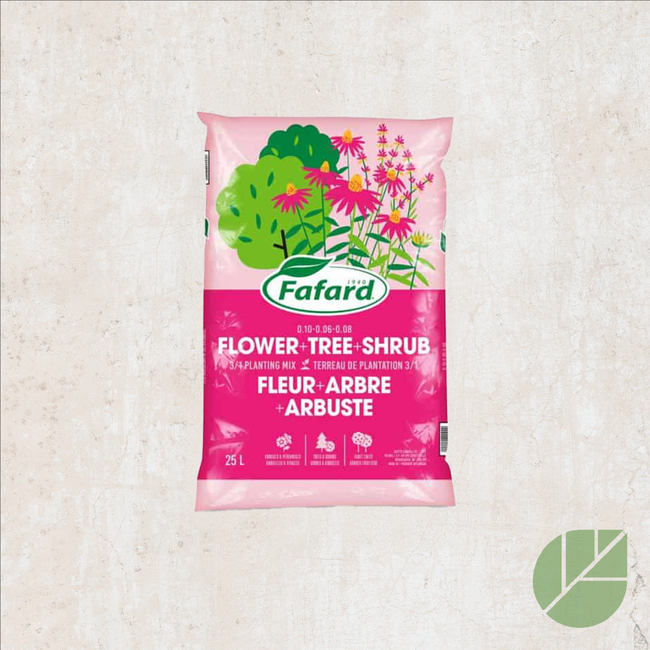
For planting your bulbs
The right extras.Right here.
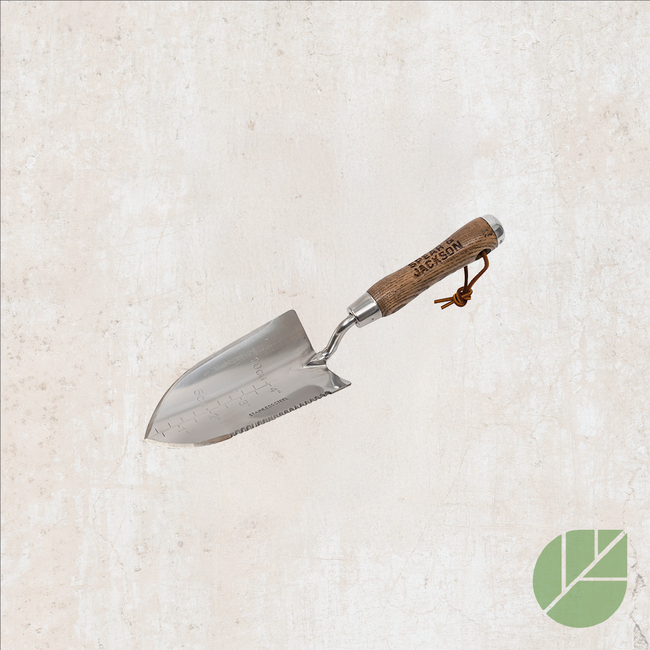
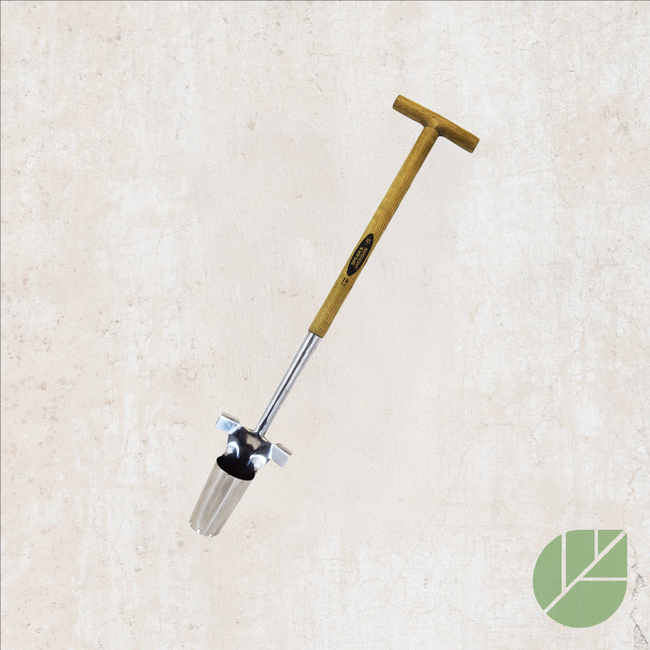
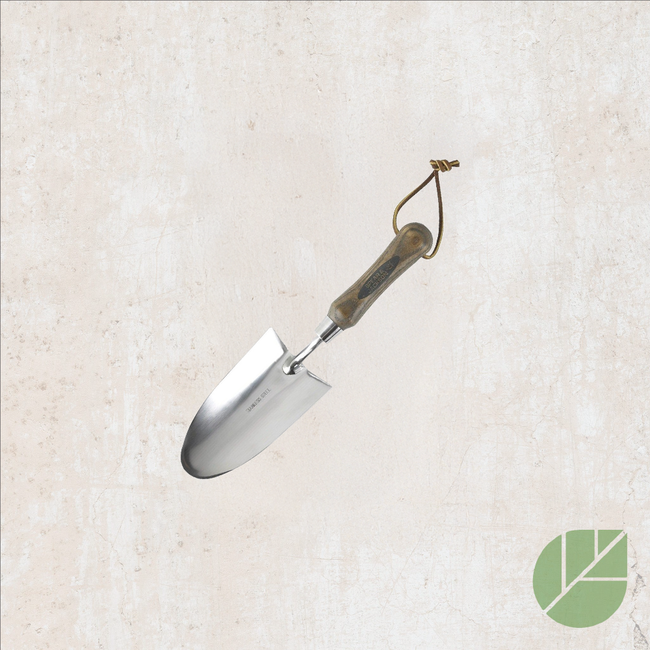
Bulb planters and planting tools
Shop the collection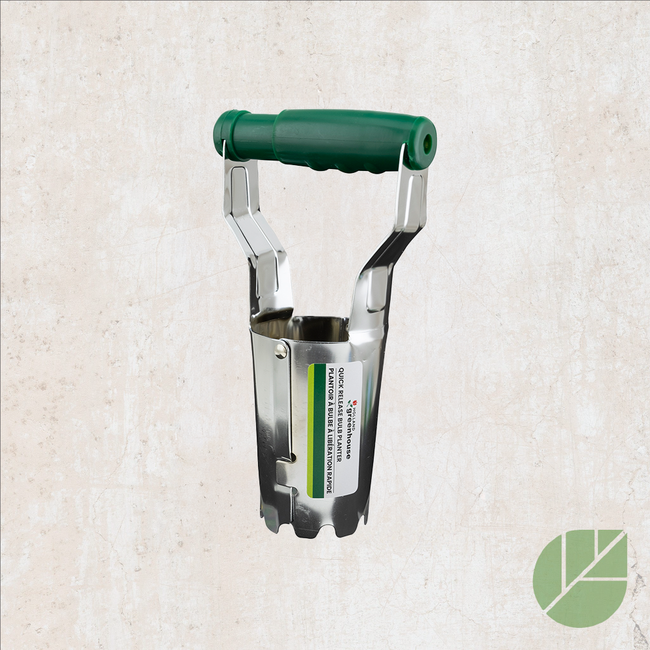
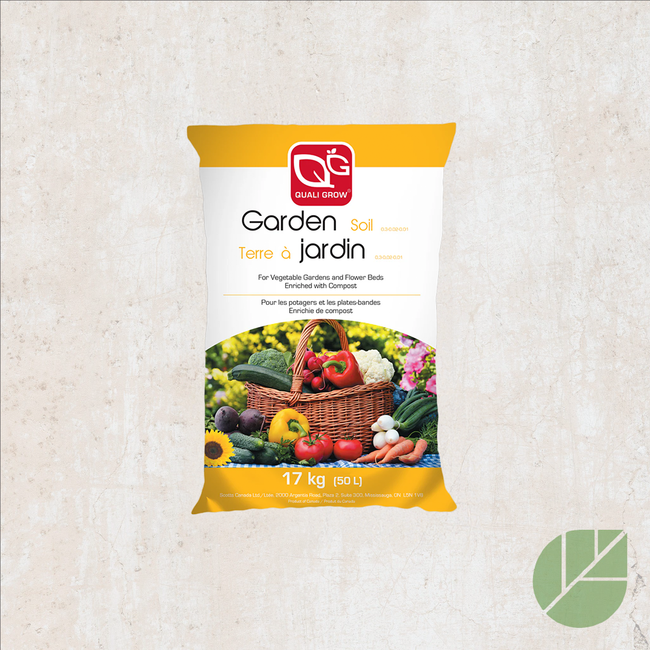
Soils and amendments for bulbs
Shop the collection