Sale
Sold out

Darwin hybrid tulip bulb
Liliaceae
Fall-planted bulbs
‘Kunyun’ Tulip
Tulipa ‘Kunyun’
Product code : VAN-108-121-01
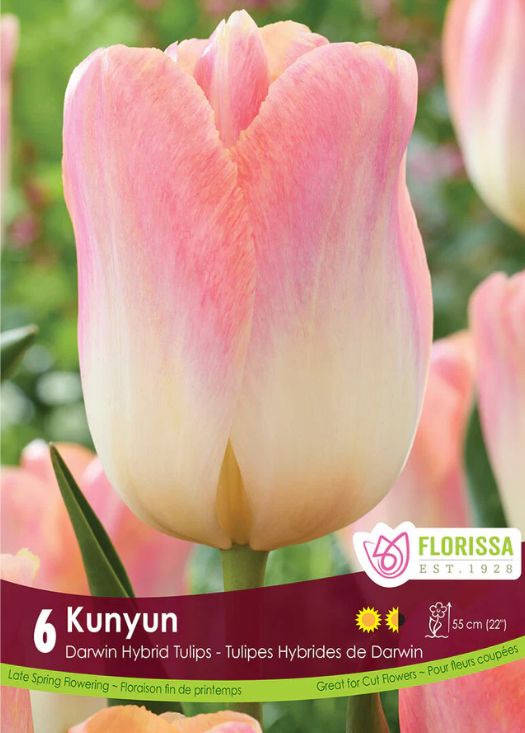
‘Kunyun’ is a Darwin hybrid tulip supplied as 6 size 12/+ bulbs. Large, egg-shaped flowers open on an ivory base with fuchsia-pink and apricot accents, then mature to warm yellow with raspberry highlights. Sturdy 55 cm (22 in.) stems suit borders, large containers, grouped displays, and bouquets. Plant in fall, 15 cm (6 in.) deep and 10 cm (4 in.) apart, in full sun or light partial shade. Hardy in Zones 3 to 10, the bulbs need fertile, freely drained soil. Protect the tall stems from strong wind, allow foliage to yellow naturally after bloom, and keep the dormant planting comparatively dry through summer.
- Quantity
- 6 size 12/+ bulbs
- Exposure
- Full sun to light partial shade
- Life cycle
- Short-lived bulbous perennial
- Hardiness
- Zone 3 to 10
Discover the plant
Common nameColour-changing Darwin hybrid tulip
FamilyLiliaceae
GenusTulipa
CultivarKunyun
TypeDarwin hybrid tulip bulb
Botanical nameTulipa ‘Kunyun’
‘Kunyun’ Tulip (Tulipa ‘Kunyun’) transforms the mid-spring garden with large, egg-shaped flowers whose colour changes as they mature. Petals open on an ivory base accented with fuchsia pink and apricot, then develop warm yellow tones with raspberry highlights. This package contains 6 size 12/+ bulbs. Sturdy upright stems reach approximately 55 cm (22 in.), making the cultivar suitable for borders, large containers, grouped plantings, and bouquets. Hardy in Zones 3 to 10, this Darwin hybrid tulip prefers full sun or light partial shade in fertile, loose soil that drains freely. Its evolving palette makes every stage of flowering visually distinct.
Plant the bulbs in fall, pointed end up, 15 cm (6 in.) deep and 10 cm (4 in.) apart. Grouping all six bulbs emphasizes the shifting palette and lets the different colour stages appear together. Loosen the soil across the planting area, incorporate a modest amount of mature compost if fertility is low, and water thoroughly after planting. In spring, provide even moisture without saturating the bulb zone. A bright site sheltered from prevailing winds helps the tall stems remain upright after rain. In containers, use a deep pot with unobstructed drainage holes and never leave standing water around the bulbs. Deep blue or purple companions provide especially effective contrast with the warm developing tones.
After flowering, remove faded blooms before seed develops, but leave every green leaf until it turns yellow and pulls away easily. The foliage replenishes the bulb for the following season. Reduce watering during summer dormancy. Darwin hybrids may return for several years where soil drains freely and stays comparatively dry in summer, although an identical display is never guaranteed. For bouquets, cut stems when buds are well coloured and just beginning to open; the transition through ivory, pink, apricot, yellow, and raspberry adds exceptional depth in a vase. Keep bulbs and plant parts away from children and pets because tulips are harmful when eaten and their sap can irritate sensitive skin.

Planting guide
Plant well.Grow beautifully.
Planting depth
15 cm (6 in.)
Spacing / density
Space 10 cm (4 in.) apart
Best planting time
Fall, before the ground freezes
Propagation
Divide offsets during dormancy
Growing method
Plant ‘Kunyun’ in fall before the ground freezes. Choose a site in full sun or light partial shade with loose, fertile, freely drained soil. Prepare the entire planting area to a depth of 20 to 25 cm (8 to 10 in.) and mix in a modest amount of mature compost if the soil is poor. Set each size 12/+ bulb pointed end up, 15 cm (6 in.) deep, leaving 10 cm (4 in.) between bulbs. Group the six bulbs for a full display, cover them, firm gently, and water thoroughly once. In heavy clay, improve drainage across a wide area or use a raised bed or container. As shoots emerge in spring, keep the soil evenly moist but never saturated. A sheltered position protects the weather-resistant blooms from wind and driving rain. Cut flowers when well-coloured buds begin to open, or enjoy them in the garden until they fade. Remove spent blooms before seeds form, but retain all foliage until it yellows completely. Reduce watering as dormancy begins. Mark the planting so summer work does not damage resting bulbs. If flowering declines after several seasons, lift firm bulbs after the foliage has finished, discard damaged material, and replant healthy offsets or renew the display with fresh bulbs.
Soil and care
The right care,at the right time.
Soil pH
Acid, neutral, or alkaline
Care level
Easy to moderate
Watering
Water thoroughly after fall planting to settle soil around the bulbs. In spring, provide even moisture when rainfall is insufficient, checking the soil before each application. Water at ground level and allow excess moisture to drain freely. Cup-shaped flowers can hold rain, but additional overhead watering is unnecessary. Reduce irrigation after bloom while the leaves yellow, then keep the planting comparatively dry through summer dormancy. Containers dry more quickly, so check them regularly, but empty saucers promptly and never leave the bulbs standing in water.
Soil type
Choose loose, fertile, freely drained soil that can remain evenly moist during active spring growth without becoming saturated. Sandy loam or loam amended with a modest amount of mature compost is ideal. In heavy clay, improve drainage over a broad area or use a raised bed or container. Avoid low spots where water collects after rain or snowmelt, because wet conditions encourage bulb rot. The dormant planting should be comparatively dry in summer. Good drainage is more important than very rich soil for healthy bulbs and sturdy flower stems.
Fertilization
At planting time, incorporate a modest amount of mature compost into poor soil without placing concentrated fertilizer directly against the bulbs. In mid-spring, a light application of balanced bulb fertilizer or compost is sufficient as shoots emerge. Avoid excessive nitrogen, which encourages soft leaves and weaker stems beneath the weather-resistant flowers. Do not continue feeding after flowering or during summer dormancy. In containers, follow the product label and use a mild application only during active growth. A soil test helps prevent unnecessary amendments in already fertile beds.
Moisture
Moderate moisture during growth; comparatively dry in dormancy
Seasonal care
In fall, prepare a freely drained bed and plant the bulbs 15 cm (6 in.) deep before the ground freezes. Water once to settle the soil, then allow normal autumn precipitation to take over. A shallow mulch can moderate temperature swings, but keep it loose so meltwater does not remain over the planting. As shoots emerge in spring, clear heavy debris and check drainage after snowmelt. Supply moderate water only when rainfall is insufficient. A light compost top-dressing or balanced bulb fertilizer may be applied as growth begins. During flowering, protect the weather-resistant blooms from strong wind and driving rain when possible. Cut stems when well-coloured buds start opening for long vase life, using clean tools and leaving enough foliage on each bulb. Remove faded flowers before seed forms, but retain every healthy leaf until it turns yellow and pulls away easily. This ripening period rebuilds the bulb. Reduce watering as dormancy begins and keep the site marked through summer. Avoid digging or irrigating the area heavily while the bulbs rest. Inspect containers for blocked drainage holes and protect them from prolonged saturation. Because Darwin hybrid tulips are often short-lived perennials, evaluate the display each spring. When flowering becomes sparse, lift firm bulbs after the foliage has finished, discard soft or damaged material, replant healthy offsets, or add fresh size 12/+ bulbs in fall to restore a full display.
Container growing
A garden,within reach.
Recommended pot size
Stable container at least 30 cm (12 in.) deep
Use a sturdy container at least 30 cm (12 in.) deep with several open drainage holes. Fill it with a loose, porous potting mix and set the size 12/+ bulbs pointed end up, approximately 15 cm (6 in.) deep and 10 cm (4 in.) apart. A broad pot can hold all six bulbs for a generous spring display. Water thoroughly once after planting, then allow excess water to drain. Keep the container outdoors in full sun or light partial shade so the bulbs receive natural winter cold. In very exposed locations, insulate the sides with breathable material or place the pot in a sheltered, unheated position; do not move it into a heated room. Protect the mix from roof runoff and empty any saucer after rain. As shoots emerge, provide even moisture and one light feeding. Rotate the container if stems lean toward the light, and shelter weather-resistant flowers from strong wind. After bloom, remove faded flowers but leave the foliage until it yellows completely. Reduce watering for summer dormancy. Refresh part of the potting mix before the next fall cycle and replace bulbs when flowering declines. Keep labels visible throughout dormancy.

Bloom and dimensions
Its place,in your garden.
Mature height
Approximately 55 cm (22 in.)
Width / spread
Approximately 10 to 15 cm (4 to 6 in.)
Flower color
Ivory, fuchsia pink, and apricot maturing to warm yellow with raspberry highlights
Foliage color
Green
Foliage type
Deciduous
Growth rate
Rapid in spring
Growth habit
Upright
Fragrance
Light fragrance
Bloom period
Large, egg-shaped flowers open in mid-spring. Their ivory base first carries fuchsia-pink and apricot accents, then the petals mature to warm yellow with raspberry highlights. Sturdy stems hold the blooms approximately 55 cm (22 in.) above the soil. Shelter from strong wind protects their upright form after rain. Cut well-coloured buds as they begin to open for bouquets, or group all six bulbs to display several colour stages together in a border or large container.
Garden associations
In goodcompany.
Companion plants
Pair ‘Kunyun’ with white narcissi, blue grape hyacinths, early anemones, forget-me-nots, violas, or low spring perennials. Their simpler shapes and cooler colours emphasize the full fuchsia pink and apricot and bright yellow flowers. Choose companions that prefer sun to light partial shade, moderate spring moisture, and freely drained soil. Low foliage can hide yellowing tulip leaves after bloom without blocking sunlight during the important ripening period. Avoid dense, aggressive roots and plants requiring constant summer irrigation around the dormant bulbs. Leave enough space for air circulation and for the weather-resistant flowers to open freely.
Frequently asked questions
Your questions,answered.
When should ‘Kunyun’ tulip bulbs be planted?
Plant the bulbs in fall before the ground freezes, ideally after soil temperatures have cooled. Choose full sun or light partial shade and soil that drains freely after rain and snowmelt. Set each bulb pointed end up, 15 cm (6 in.) deep and 10 cm (4 in.) apart. Group all six bulbs for a fuller display, cover them, firm the soil gently, and water thoroughly once. In heavy clay, improve drainage across the whole planting area or use a raised bed or deep container. Mark the location so bulbs are not disturbed during summer dormancy. This timing supplies the natural winter cold needed for spring flowering.
What will the flowers look like?
‘Kunyun’ produces large, single, egg-shaped flowers whose colour changes as they mature. Petals open on an ivory base accented with fuchsia pink and apricot, then develop warm yellow tones with raspberry highlights. Sturdy stems reach approximately 55 cm (22 in.), a useful height for the middle of a border or a large container. Grouping all six bulbs lets several stages of the palette appear at the same time. Well-coloured buds are also excellent for cutting just as they begin to open. A bright position sheltered from strong wind helps the large flowers maintain their upright form after mid-spring rain. Each stage remains distinctive.
Will this tulip return every year?
The bulbs are hardy in Zones 3 to 10, but ‘Kunyun’ is best treated as a short-lived perennial. It may return and flower for several springs when planted deeply in fertile, freely drained soil and allowed to ripen its foliage completely. However, highly bred Darwin hybrid tulips often produce a smaller display over time, especially in wet summer soil. Remove faded flowers, keep every leaf until it turns yellow, and reduce watering during dormancy. If dependable abundance is important, add fresh bulbs periodically or replace the group when flowering becomes noticeably sparse. A sunny site and protection from prolonged saturation offer the best chance of repeat bloom.
Can ‘Kunyun’ be grown in a container?
Yes. Use a sturdy container at least 30 cm (12 in.) deep with several open drainage holes and a porous potting mix. Plant bulbs 15 cm (6 in.) deep and about 10 cm (4 in.) apart; a broad pot can hold all six for a generous display. Water after planting and keep the container outdoors so bulbs receive natural winter cold. Protect it from prolonged saturation and extreme exposure without moving it into a heated room. In spring, provide even moisture and shelter the heavy flowers from strong wind. Allow the foliage to yellow before reducing water for summer dormancy.
Are ‘Kunyun’ tulips suitable for bouquets?
Yes. ‘Kunyun’ is valued as a cut flower because its sturdy stems support large, colourful, classically cup-shaped blooms. Cut when the buds are fully coloured and just beginning to open, preferably during the cool part of the day. Use clean tools, place stems promptly in clean water, and keep the arrangement away from direct heat. Harvest sparingly if you want the bulbs to recharge, leaving as much foliage as possible in the garden. The petals continue to open and the fuchsia pink and apricot and bright yellow colours evolve in the vase, creating a naturally varied arrangement. Refresh the water regularly and remove any leaves that would sit below the waterline.
Wildlife and pets
Life,around your plants.
Reported toxicity
Yes
Supporting wildlife
The classic cup-shaped flowers may receive occasional visits from spring insects, although their densely smooth petals forming a large egg-shaped bloom can make pollen less accessible than in single tulips. For a pollinator-focused planting, combine ‘Kunyun’ with open-flowered crocuses, grape hyacinths, and species tulips. Deer and squirrels may browse tulips or disturb bulbs, so use suitable protection where these animals are active. Avoid insecticides while any spring flowers are open.
For planting your bulbs
The right extras.Right here.
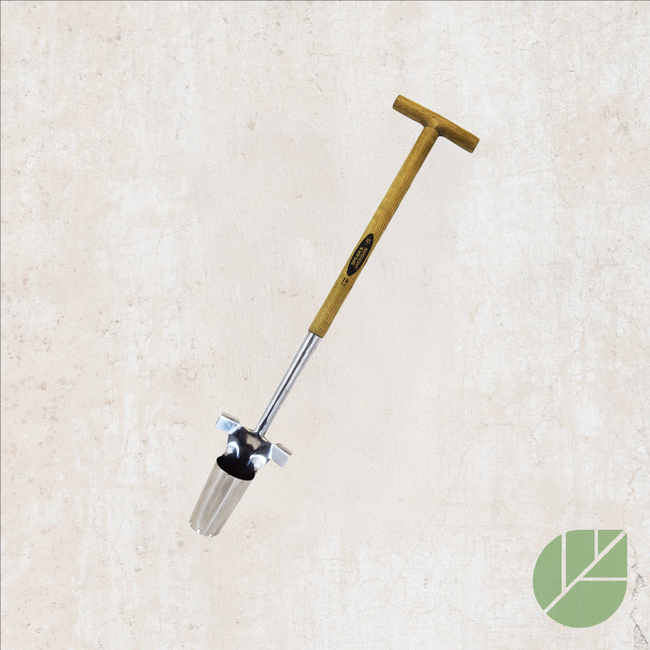
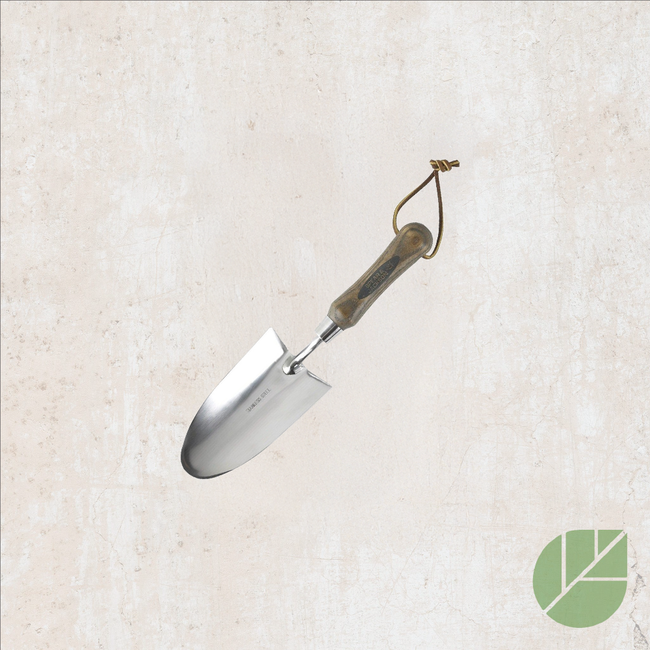
Bulb planters and planting tools
Shop the collection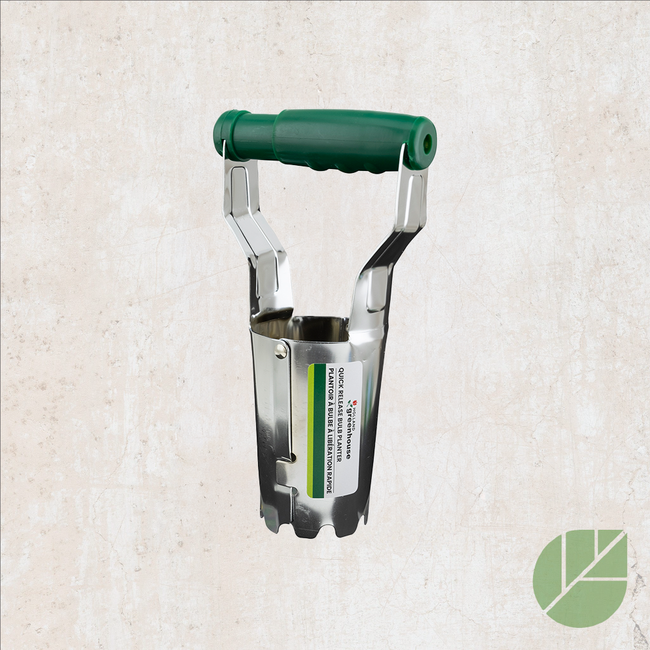

Soils and amendments for bulbs
Shop the collection