

Sale
Sold out

Herb
Apiaceae
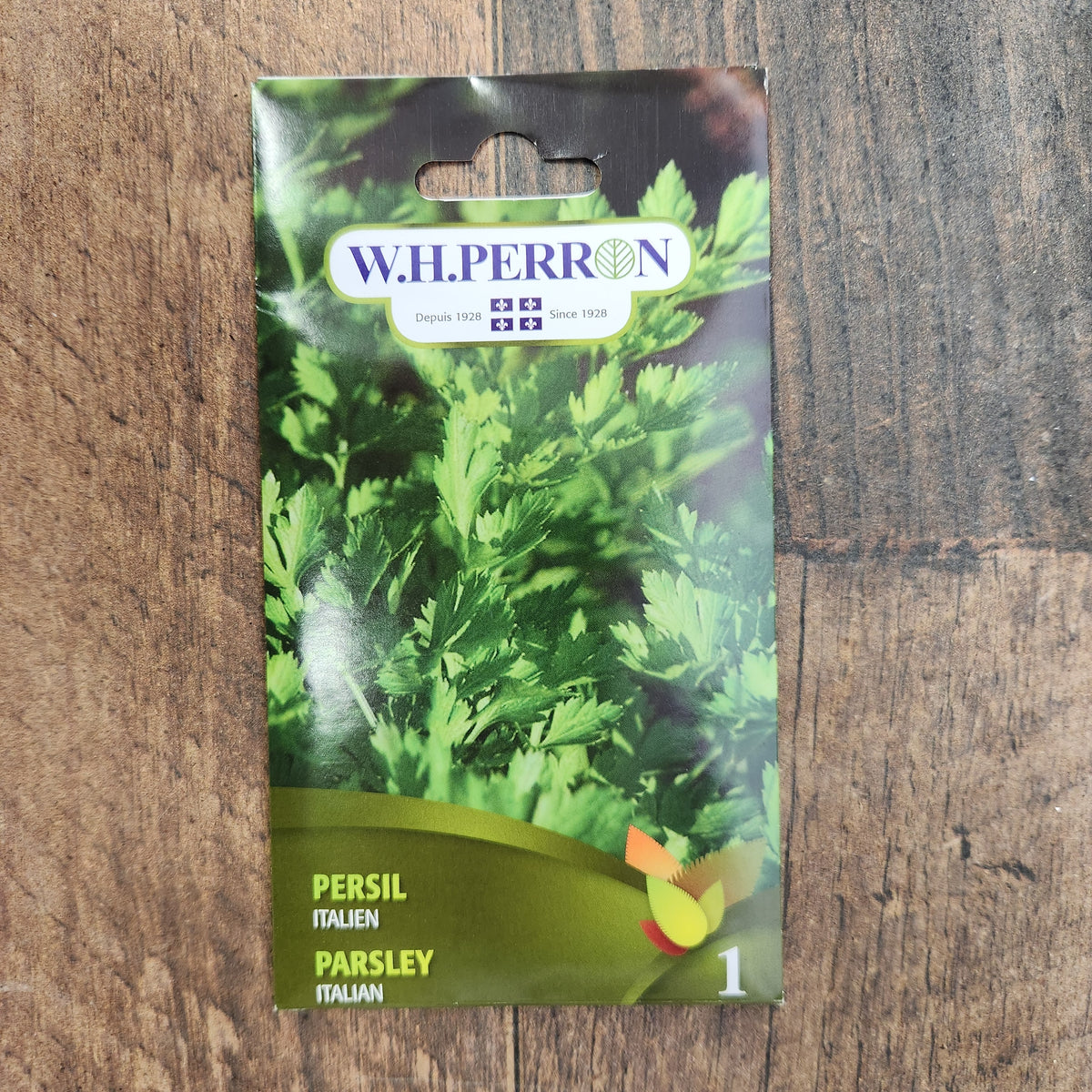
Italian Parsley
Petroselinum crispum var. neapolitanum
Product code : WHPER-0148
Italian parsley has dark green, flat leaves that are easy to chop. Its aromatic foliage can be harvested progressively for fresh sauces, soups, and garnishes. Prepare seedlings in a clean, well-draining substrate, respecting the recommended depth for this herb. After germination, sufficient light helps produce compact plants. In the garden, adapt the location to the species' exposure and moisture needs. A container with drainage holes makes it easier to monitor available water. Water according to the condition of the potting mix and avoid excessive fertilizer, which can lead to tender, fragile foliage. Harvest progressively from well-established plants, using clean scissors.
- Quantity
- Approximately 200 seeds
- Exposure
- Sun to partial shade
- Life cycle
- Biennial
Discover the plant
Common nameItalian Parsley
FamilyApiaceae
GenusParsley
Speciescrisp
TypeHerb
Botanical namePetroselinum crispum var. neapolitanum
Italian Parsley (Petroselinum crispum var. neapolitanum). Italian parsley has dark green, flat leaves that are easy to chop. Its aromatic foliage is harvested progressively for sauces, soups, and fresh garnishes. This packet allows you to start cultivation from seeds and monitor the development of young plants. Prepare the site before sowing, then keep a label to identify this selection among your other crops. The result will depend on the available light, soil, and weather. Choose this variety for its specific characteristics and adjust your schedule to your garden's actual conditions.
Start cultivating "Italian Parsley" in an area prepared for seedlings. Parsley germination can take time. Keep the seedbed moist and harvest the outer leaves with their stems, preserving the center for regrowth. Prepare the seedlings in a clean, well-draining substrate, respecting the recommended depth for this herb. After germination, sufficient light helps produce compact plants. In the garden, adapt the location to the species' exposure and moisture needs. A container with drainage holes makes it easier to monitor available water.
In the garden, "Italian Parsley" requires a location suited to its development. Parsley germination can take time. Keep the seedbed moist and harvest the outer leaves with their stems, preserving the center for regrowth. Place this herb near a walkway so you can easily pick a few leaves when cooking. An individual pot allows you to meet its needs without imposing the same watering on all neighboring species. Harvest from well-identified plants, then rinse the foliage before use. The fragrance may change with flowering, heat, and leaf stage; do small tests to find your preference.

Sowing guide
It all startswith a seed.
Propagation
Sowing
Growing method
Italian parsley has flat, dark green leaves that are easy to chop. Its aromatic foliage is harvested progressively for fresh sauces, soups, and garnishes. Begin growing "Italian Parsley" in a prepared seedbed. Parsley germination can be slow. Keep the seedbed moist and harvest the outer leaves with their stems, preserving the center for regrowth. Prepare seedlings in a clean, well-draining substrate, respecting the recommended depth for this herb. After germination, sufficient light helps produce compact plants. In the garden, adapt the location to the species' sun exposure and moisture needs. A container with drainage holes makes it easier to monitor available water. At the beginning of the season, prepare your equipment and check the soil condition before setting your schedule. Adapt interventions to the plant's stage rather than a rigid date. After germination, ensure sufficient light and space out seedlings to avoid excessive competition. Gradually acclimate plants destined for outdoors. During growth, observe the foliage, moisture, and any appearance of pests. Identify the problem before choosing an intervention.
Soil and care
The right care,at the right time.
Watering
Regular
Soil type
Rich and well-drained
Fertilization
Base fertilization on soil fertility, the substrate used, and observed growth. Respect the doses indicated on the chosen product; increasing applications does not guarantee a better result. A potting mix that is already enriched does not require the same interventions as a poor substrate. Avoid placing concentrated fertilizer directly against seeds or fragile roots. Water according to the manufacturer's instructions and reduce applications when growth slows.
Seasonal care
Italian parsley has flat, dark-green leaves that are easy to chop. Its aromatic foliage can be harvested progressively for fresh sauces, soups, and garnishes. At the start of the season, prepare your equipment and check the soil condition before setting your schedule. Adapt interventions to the plant stage rather than a rigid date. After emergence, ensure sufficient light and space out seedlings to prevent excessive competition. Gradually acclimatize plants intended for outdoor growth. During growth, observe the foliage, humidity, and the possible appearance of pests. Identify the problem before choosing an intervention. Remove debris that hinders aeration, keep pathways accessible, and re-evaluate watering after rain. Note the sowing dates and key results. At the end of the cycle, clean tools and store remaining seed packets dry in a cool place. These observations will help you more precisely adjust future sowings to your location. Prepare seeds in a clean, well-draining substrate, respecting the indicated depth for this herb. After emergence, sufficient light helps obtain compact plants. In the garden, adapt the location to the species' exposure and humidity needs. A container with drainage holes makes it easier to monitor available water. Water according to the state of the potting mix and avoid excessive fertilizer, which produces tender and fragile foliage.
Container growing
A garden,within reach.
Parsley germination can take time. Keep the seedbed moist and harvest the outer leaves with their stems, keeping the center for regrowth. Italian parsley has dark green flat leaves, which are easy to chop. Its aromatic foliage can be harvested progressively for sauces, soups, and fresh garnishes. Place the container in its final location before filling it. Choose a pot with drainage holes that is stable and large enough for root development; a simple closed cachepot does not allow water to drain. Use potting mix rather than compact garden soil. Moisten the substrate before sowing or planting, without saturating it. Leave a free border to facilitate watering and maintain space between plants. Regularly check the moisture with your finger, as the surface may dry out while the bottom remains moist. Water slowly until water drains from the holes, then empty the saucer. During hot weather, check the pots more often. Fertilize according to the crop's needs and the product's instructions. Roots have limited space: potted cultivation therefore requires different monitoring than in open ground. Position any supports during installation. Maintain easy access to inspect leaves, remove damaged parts, and harvest without pulling on stems. At the end of the cycle, remove debris and clean equipment before reuse.

Garden associations
In goodcompany.
Companion plants
Organize neighboring crops by their light requirements, height, and space occupied at maturity. Avoid large plants permanently shading smaller ones or blocking access to watering. Successive crops can use the same space if the first is harvested before the next expands. Flowers diversify the garden, but an association does not guarantee the absence of pests. Keep enough air between plants and observe interactions on site. Use associations as an organizational tool, without attributing automatic protection against diseases to them.
Recipe idea
From the gardento your plate.
Edible parts
Aromatic leaves
Italian Parsley. For 4 servings, use 250 g (9 oz) plain yogurt, 5 g (0.2 oz) fresh leaves, and 15 mL (1 tbsp) lemon juice. To use a small herb harvest, prepare a fresh yogurt sauce. Pick a few healthy leaves from a well-identified plant, wash them, and gently dry them. Remove any overly tough stems, then chop the leaves with a clean knife. Mix them into plain yogurt, add a few drops of lemon juice, and season to taste. Start with a small amount of herb: mint, basil, parsley, and other aromatics have different intensities. Taste before adding more. Serve this sauce with cooked vegetables, potatoes, or flatbread. Prepare only the amount needed for the meal and keep the sauce refrigerated until serving. Use clean utensils to avoid contaminating the rest. This culinary idea emphasizes the aroma of the leaves; it does not assume any medicinal properties. Always choose a species intended for food use and a harvest from plants grown for that purpose.
Frequently asked questions
Your questions,answered.
How to start this crop from seed?
Italian parsley has flat, dark-green leaves that are easy to chop. Its aromatic foliage can be harvested progressively for sauces, soups, and fresh garnishes. Start growing "Italian Parsley" in a space prepared for seedlings. Parsley germination can take time. Keep the seedbed moist and harvest the outer leaves with their stems, leaving the center for regrowth. Prepare the seedlings in a clean, well-draining substrate, following the recommended depth for this herb. After germination, sufficient light helps produce compact plants. In the garden, adapt the location to the species' exposure and humidity needs. A container with drainage holes makes it easier to monitor available water.
How to adjust watering?
Italian parsley has dark green, flat leaves that are easy to chop. Its aromatic foliage can be harvested progressively for sauces, soups, and fresh garnishes. Check moisture levels before watering and adjust frequency based on rainfall, heat, and growth stage. Gently moisten the surface during germination to avoid displacing seeds. Once plants are established, direct water to the soil rather than on the leaves. Avoid standing water and extreme alternations between dryness and saturation. Containers generally dry out faster than garden beds and require more frequent checks. This packet allows you to start growing from seeds and monitor the development of young plants.
How to choose your location?
Italian parsley has dark green, flat leaves that are easy to chop. Its aromatic foliage can be progressively harvested for sauces, soups, and fresh garnishes. Start growing "Italian Parsley" in an area prepared for seedlings. Parsley germination can take time. Keep the seedbed moist and harvest the outer leaves with their stems, preserving the center for regrowth. Prepare the seedlings in a clean, well-draining substrate, following the indicated depth for this herb. After germination, sufficient light helps produce compact plants. In the garden, adapt the location to the species' exposure and moisture needs. A container with drainage holes makes it easier to monitor available water.
How to enjoy this selection?
Italian parsley has flat, dark green leaves that are easy to chop. Its aromatic foliage can be harvested progressively for sauces, soups, and fresh garnishes. Place this herb near a walkway so you can easily pick a few leaves when cooking. A dedicated pot allows you to meet its specific needs without imposing the same watering schedule on all neighboring plants. Harvest from well-identified plants, then rinse the foliage before use. The aroma can change with flowering, heat, and the leaf stage; do small tests to find your preference. To extend the use of your harvest, choose an appropriate drying or freezing method. Preparations in oil require special preservation precautions and should not be left at room temperature.
What markers should we keep an eye on during the season?
Italian parsley has dark green, flat leaves that are easy to chop. Its aromatic foliage can be harvested progressively for sauces, soups, and fresh garnishes. At the beginning of the season, prepare your equipment and check the soil condition before setting your schedule. Adapt interventions to the plant stage rather than a rigid date. After emergence, ensure sufficient light and space seedlings to avoid excessive competition. Gradually acclimate plants intended for outdoor use. During growth, observe the foliage, moisture, and any appearance of pests. Identify the problem before choosing an intervention.
For a great start to your seeds
The right extras.Right here.
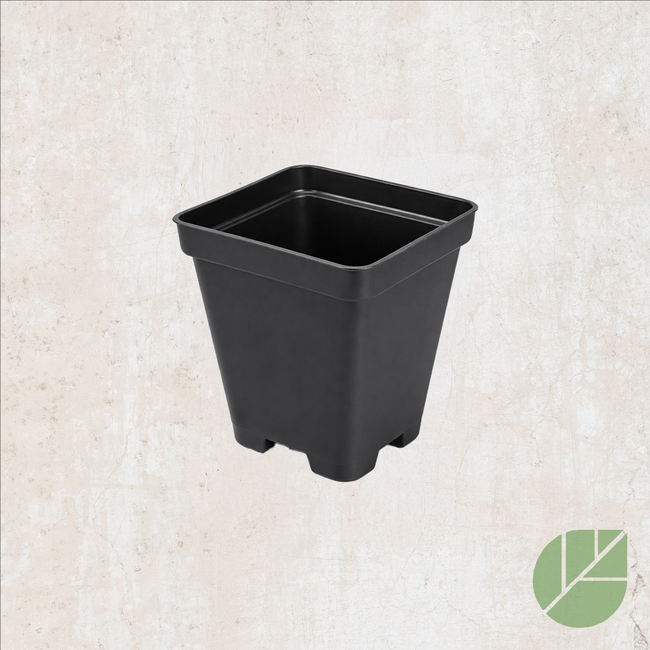
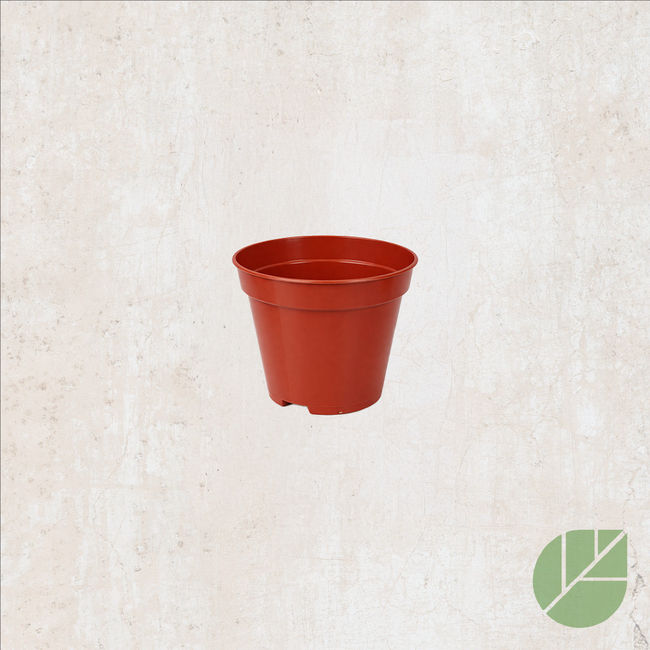
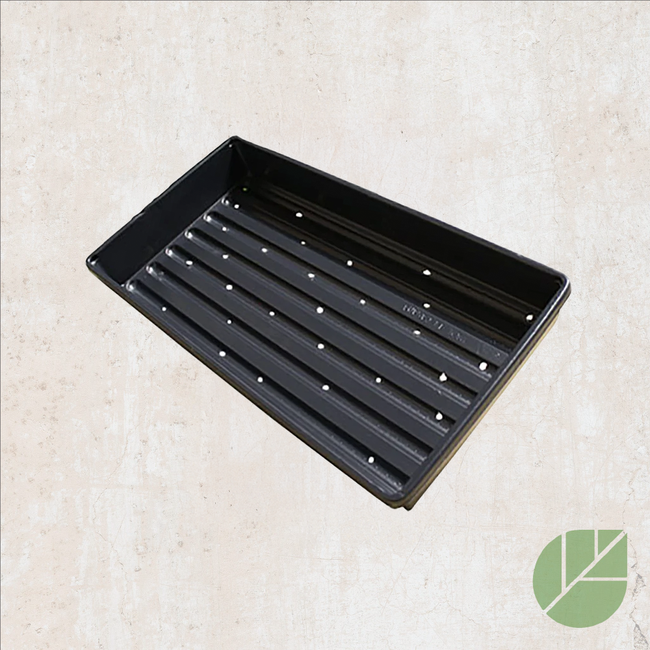
Platters, pots and domes
Shop the collection
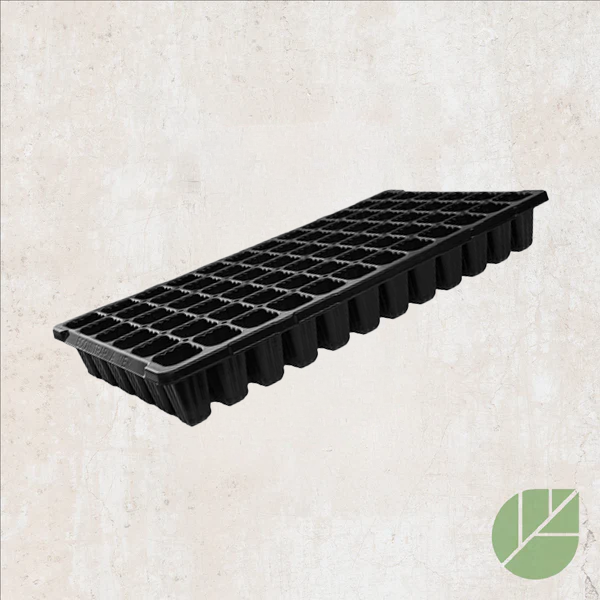
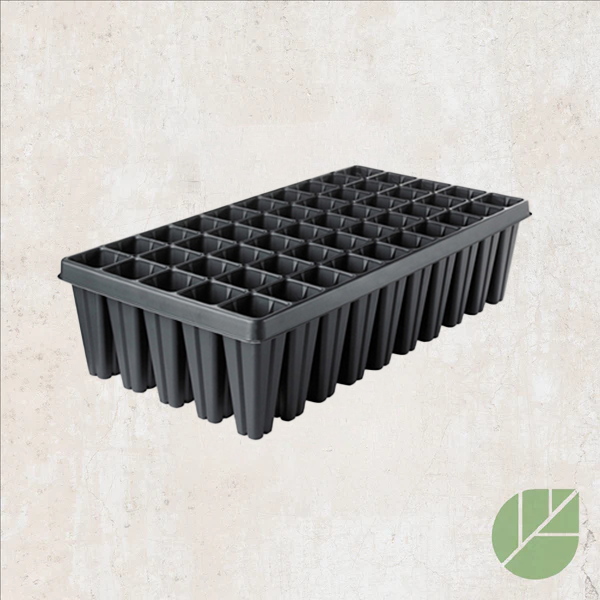
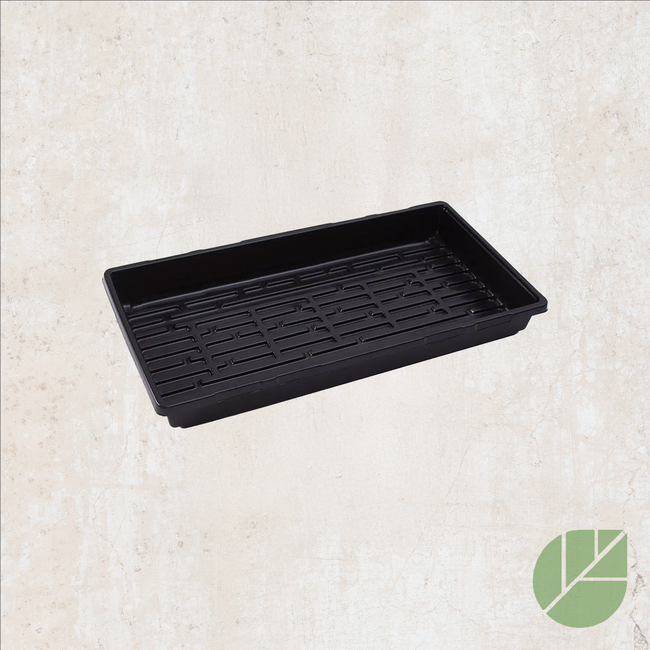
Seed Starting Soil
Shop the collectionSeed starting supplies
Shop the collection




