

Sale
Sold out

Vegetable
Amaryllidaceae
Onion 'Yellow Cipollini' (Allium cepa)
Product code : JAREC-0165
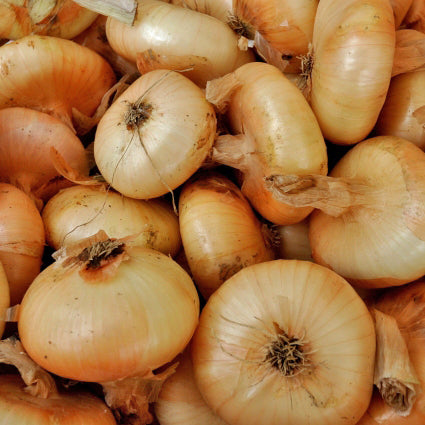
The Allium cepa 'Yellow Cipollini' onion is an heirloom variety that is as decorative as it is flavorful, known for its flattened bulbs with bright yellow skin and its excellent performance in the garden. As it grows in the ground, it adds a luminous touch to vegetable rows, while promising a generous and versatile harvest for the kitchen. Raw, its flavor is crisp, piquant, and distinctive, while when cooked it becomes sweeter, richer, and almost melt-in-your-mouth, making it particularly popular for grilling, roasting, and stews. This organic variety appeals to both novice gardeners and enthusiasts of heirloom vegetables due to its relatively simple cultivation and good productivity.
- Quantity
- Approximately 150 seeds
- Exposure
- Sun
- Life cycle
- Annual
Discover the plant
Common name'Yellow Cipollini' Onion
FamilyAmaryllidaceae
GenusGarlic
Speciesonion
CultivarYellow Cipollini
TypeVegetable
Botanical nameOnion
Reproducible seedsYes
Heirloom varietyYes
‘Yellow Cipollini’ Onion (Allium cepa). The Allium cepa ‘Yellow Cipollini’ onion is an heirloom variety as decorative as it is flavorful, known for its flattened bulbs with bright yellow skin and its excellent performance in the vegetable garden. As it grows in the ground, it adds a luminous touch to vegetable rows, while promising a generous and versatile harvest in the kitchen. Raw, its taste is bold, pungent, and distinctive, while cooked, it becomes milder, richer, and almost melt-in-your-mouth, making it particularly popular for grilling, roasting, and stews.
Recommended sowing period: February to April indoors or April to May outdoors. The recommended depth is 1 cm (3/8 in). Germination usually takes 7 to 14 days. For germination, maintain the soil at 15 to 21 °C (59 to 70 °F). Keep onion, leek, or shallot seedlings well-identified, as their young foliage looks similar. Sufficient light and regular moisture support the growth of seedlings. Transplant carefully when the type of cultivation requires it, without crushing the base of the leaves.
Yellow Cipollini onions have a flattened bulb suitable for roasting. Harvest at the desired stage, then adapt cleaning and drying for immediate or deferred use. Rows of onions and leeks are suitable for garden areas where you can work without stepping between plants. Their vertical silhouette can border a more sprawling crop, provided the foliage receives light. Identify varieties for bundling and those for bulbs to choose the correct harvest stage. Keep the row accessible for weeding until the plants are well established.

Sowing guide
It all startswith a seed.
Sowing depth
1 cm (3/8 in)
Germination temperature
15 to 21 °C (59 to 70 °F)
Germination time
7 to 14 days
Sowing period
February to April indoors or April to May outdoors
Propagation
Sowing
Growing method
Recommended sowing period: February to April indoors or April to May outdoors. The recommended depth is 1 cm (3/8 in). Germination usually takes 7 to 14 days. For germination, maintain the soil at 15 to 21 °C (59 to 70 °F). Keep onion, leek, or shallot seedlings well-labeled, as their young foliage looks similar. Sufficient light and regular moisture are essential for seedling growth. Transplant carefully when the type of crop requires it, without crushing the base of the leaves. In the garden, prepare a surface that is easy to weed: these narrow plants provide little ground cover during their early development. Weed regularly around alliums, working shallowly. The fine foliage does not quickly protect the soil from competition. Observe the desired part for harvest: tender stem, aromatic leaves, or mature bulb. For storage bulbs, the harvest stage and drying are as important as the size. Handle the bases carefully to limit damage before cooking or storage. Green onions and storage onions are not harvested at the same stage.
Soil and care
The right care,at the right time.
Care level
Regular during establishment, then adapted to growing conditions
Watering
Moderate
Soil type
Friable and well-drained
Fertilization
Fertilisation supports growth and takes into account nutrients already present in the soil or potting mix. Use mature compost or a fertilizer suitable for the crop, following the dosage instructions. Avoid using multiple products, especially in a container where roots occupy a limited volume. Water as needed after application and observe foliage development before re-fertilizing.
Moisture
Keep soil moist during emergence, without waterlogging; then adjust to crop
Seasonal care
Yellow Cipollini onions have a flattened bulb perfect for roasting. Harvest at the desired stage, then adjust cleaning and drying based on whether they will be used immediately or stored. Keep onion, leek, or shallot seedlings well-identified, as their young foliage looks similar. Sufficient light and consistent moisture support seedling growth. Transplant carefully when the crop type requires it, without crushing the base of the leaves. In the garden, prepare a surface that is easy to weed: these narrow plants provide little ground cover early in their development. Weed regularly around alliums, working shallowly. The thin foliage does not quickly protect the soil from competition. Observe the desired part for harvest: tender shaft, aromatic leaves, or mature bulb. For storage bulbs, the harvest stage and drying are as important as size. Handle the bases carefully to limit damage before cooking or storage. Green onions and storage onions are not harvested at the same stage. For storage bulbs, wait for signs of maturity and dry the harvest in a well-ventilated area. For tender shafts, harvest progressively as needed. Loose soil makes it easier to remove plants without damaging the consumed part. As it grows in the ground, it brings a bright touch to vegetable rows, while promising a generous and versatile harvest for the kitchen.
Container growing
A garden,within reach.
Suitable for containers
Yes
Recommended pot size
A sturdy container with drainage holes, wide enough for the plant to spread out, and deep enough for the roots.
Choose this exposure: full sun. Space the plants: 8 to 10 cm (3 to 4 in) apart. Alliums can be planted in a container depending on the part harvested. Leaves or young stems allow for frequent harvests, while bulbs need their final space to grow. Space plants evenly and keep the soil loose. Avoid watering methods that erode soil around the base. To harvest, gently lift the root ball rather than pulling abruptly on the foliage. The onion Allium cepa 'Yellow Cipollini' is an old variety as decorative as it is flavorful, known for its flattened bulbs with bright yellow skin and excellent performance in the vegetable garden. As it grows in the ground, it brings a luminous touch to vegetable rows, while promising a generous and versatile harvest for the kitchen. Raw, its taste is frank, pungent, and distinctly characteristic, while when cooked it becomes sweeter, richer, and almost melt-in-your-mouth, making it particularly appreciated for grilling, roasting, and stews. This organic variety appeals to both beginner gardeners and heritage vegetable enthusiasts thanks to its relatively simple cultivation and good productivity.
Bloom and dimensions
Its place,in your garden.
Mature height
30 to 40 cm (12 to 16 in.)
Width / spread
3 to 4 in (8 to 10 cm)
Foliage type
Seasonal foliage
Growth habit
Erected
Bloom period
June to July
Fruiting
Once it grows in the ground, it adds a bright touch to vegetable rows, while promising a generous and versatile harvest for the kitchen. We particularly enjoy harvesting it in summer, when its colorful bulbs already announce future generous and fragrant recipes. Green onions and storage onions are not harvested at the same stage.
Harvest
100 to 120 days after sowing

Garden associations
In goodcompany.
Companion plants
In a diverse planting, you can dedicate neighboring sections to these plants: carrots, beets, lettuces, strawberries, tomatoes. Here, the association serves to organize space and harvests. Respect the height, light, and water needs of each plant, without crowding the foliage. Maintain a path for watering and harvesting, then remove finished crops to free up space. This organization facilitates maintenance without promising pest protection. Rows of onions and leeks are suitable for garden areas where you can work without stepping between plants.
Recipe idea
From the gardento your plate.
Edible parts
Bulbs, stems and leaves according to type
Cooking idea with ‘Yellow Cipollini’ onion: onion fondue for four servings. Prepare 500 g of the harvested, cleaned, and sliced part, then sauté it in 15 ml of olive oil over medium heat. Add 30 ml of water, cover, and continue cooking gently until tender. Young shoots cook faster than well-developed bulbs. Stir regularly and add a little water if the bottom sticks. Season with salt and pepper and serve on toast or as an accompaniment to roasted vegetables. Prepare the ingredients with clean utensils and adapt the cutting to the size of your harvest. This recipe highlights freshly picked parts: remove damaged pieces before preparation. If you double the quantities, leave enough space in the dish to mix or cook evenly. Quickly place leftovers in the refrigerator in a closed container and consume within two days. For a meal for two people, simply divide all quantities by two.
Frequently asked questions
Your questions,answered.
How to successfully sow 'Yellow Cipollini' onions?
Recommended sowing period: February to April indoors or April to May outdoors. The recommended depth is 1 cm (3/8 in). Germination usually takes 7 to 14 days. For germination, maintain the soil at 15 to 21 °C (59 to 70 °F). Keep onion, leek, and shallot seedlings well-labeled, as their young foliage looks similar. Sufficient light and regular moisture will aid seedling growth. Transplant carefully when the crop type requires it, without crushing the base of the leaves. In the garden, prepare a surface that is easy to weed: these narrow plants cover little ground at the beginning of their development.
Can you grow Onion 'Yellow Cipollini' in a pot?
Choose this exposure: full sun. Reserve this spacing around the plant: 8 to 10 cm (3 to 4 in). Alliums are planted in a container depending on the part harvested. Leaves or young stems allow for frequent harvests, while bulbs need their final place to grow. Space plants evenly and keep the soil loose. Avoid watering methods that erode the soil around the base. To harvest, gently lift the root ball rather than abruptly pulling on the foliage. The Allium cepa 'Yellow Cipollini' onion is an old variety that is as decorative as it is flavorful, known for its flattened bulbs with bright yellow skin and its excellent performance in the garden.
When to harvest 'Yellow Cipollini' Onions?
Once it grows in the ground, it brings a bright touch to vegetable rows, while promising a generous and versatile harvest in the kitchen. We particularly enjoy harvesting it in the summer, when its well-colored bulbs already hint at future generous and fragrant recipes. Green onions and storage onions are not harvested at the same stage. For storage bulbs, wait for signs of maturity and dry the harvest in a well-ventilated area. For tender stalks, harvest gradually as needed. Loose soil makes it easier to remove the plants without damaging the edible part.
How to grow Onion Yellow Cipollini in the garden?
Yellow Cipollini onions have a flattened bulb perfect for roasting. Harvest at the desired stage, then adapt cleaning and drying methods for immediate or later use. Allium cepa 'Yellow Cipollini' onion is an heirloom variety that is as decorative as it is flavorful, known for its flattened bulbs with bright yellow skin and excellent performance in the vegetable garden. As it grows in the ground, it brings a luminous touch to rows of vegetables, while promising a generous and versatile harvest for the kitchen. Raw, its taste is frank, piquant, and distinctive, while cooked, it becomes milder, richer, and almost melt-in-your-mouth, making it particularly popular for grilling, roasting, and stews.
How to plant 'Yellow Cipollini' onions?
Onion and leek rows are suitable for areas of the vegetable garden where you can work without walking between plants. Their vertical silhouette can border a more sprawling crop, provided the foliage receives adequate light. Identify varieties for bunching and those for bulbs to choose the right harvest stage. Keep the row accessible for weeding until the plants are well established. Weed regularly around alliums, working shallowly. Their fine foliage does not quickly protect the soil from competition. Observe the desired part for harvest: tender stem, aromatic leaves, or mature bulb.
For a great start to your seeds
The right extras.Right here.
Platters, pots and domes
Shop the collection
Seed Starting Soil
Shop the collectionSeed starting supplies
Shop the collection




