Sale
Sold out

Small ornamental deciduous hybrid tree
Sapindaceae
Low cascading maple with golden fall colour
Cascadia hybrid maple
Acer × pseudosieboldianum ‘Cascadia’
Cascadia is a Zone 5 hybrid maple selected by Iseli Nursery for sculptural architecture and deeply divided foliage. Branches spread in cascading layers to form a silhouette wider than tall, reaching approximately 2.1 m in height and 3 m in spread. Leaves open bright green, remain fresh through summer and turn luminous yellow-orange in autumn. Across Canada, plant it in full sun or partial shade and organic-rich, evenly moist, well-drained soil. Protection from drying winds and intense late-day sun limits leaf scorch. Reserve mature width so branches remain unobstructed and preserve their natural movement. A Cascadia maple is especially effective where the layered framework can be viewed closely.
Each store has its own inventory.
Products and available quantities may vary between Brossard and Laval. To check a store’s inventory, please contact us directly.
Even better: visit us in store to discover the full selection available!
- Exposure
- Full sun to partial shade; morning sun and light late-day shade on hot sites
- Hardiness
- Zone 5
Discover the plant
Common nameCascadia hybrid maple
FamilySapindaceae
GenusAcer
Species× pseudosieboldianum
CultivarCascadia
TypeSmall ornamental deciduous hybrid tree
Botanical nameAcer × pseudosieboldianum ‘Cascadia’
Cascadia hybrid maple (Acer × pseudosieboldianum ‘Cascadia’) is an Iseli Nursery Pacific Rim® selection developed from Japanese and Korean maple genetics. Its low silhouette is neither conventionally weeping nor upright: sculptural branches spread in flexible layers to create a distinctive cascading habit. Bright green, deeply divided, multidimensional leaves open in spring and retain a fresh colour through summer, then turn luminous yellow-orange in autumn. Allow approximately 2.1 m in height and 3 m in spread at maturity, with annual growth near 30 cm. The broad outline and detailed foliage create a strong four-season focal point without the height of a conventional small tree.
Across Canada, grow Cascadia in full sun or partial shade, ideally with protection from drying winds. Morning sun and light late-day shade help preserve finely divided foliage on hot sites. Choose fertile, organic-rich, evenly moist, well-drained soil with a slightly acidic to neutral reaction. Water deeply through the first two growing seasons and prolonged dry periods without saturating the root ball. Keep the root flare and graft union visible, then spread 5 to 8 cm of mulch without touching the trunk. Avoid road salt, compaction and excessive nitrogen that can produce soft growth before winter.
Use Cascadia as a low specimen in a small yard, fresh rock garden, Japanese-inspired planting or above a layered woodland bed. Reserve its 3 m mature width from the beginning so cascading branches remain unobstructed. Small spring flowers may be followed by winged samaras, while the Asian-style branching architecture retains interest after leaf drop. Remove only dead, damaged or crossing wood and do not routinely shorten the descending tips that define the cultivar. This horticultural hybrid is not indigenous to Canada; surround it with regionally native shrubs and perennials suited to the same soil in order to diversify habitat and seasonal resources.

Planting guide
From planting to establishment.
Spacing / density
Space approximately 3 to 3.5 m (10 to 12 ft) from large shrubs or small trees
Best planting time
Spring or early fall, allowing enough time for root establishment before freeze-up
Propagation
Vegetatively propagated cultivar, generally by grafting
Soil and care
The right care,at the right time.
Soil pH
Slightly acidic to neutral, approximately 5.5 to 7.0
Minimum temperature
Approximately −28.9°C to −23.3°C (Zone 5)
Care level
Low to moderate
Watering
Water slowly and deeply after planting, then keep the root ball and surrounding soil evenly moist through the first two growing seasons. Check moisture beneath mulch before watering again. During prolonged drought, soak the developing root zone before leaves wilt or brown. Avoid small daily applications beside the trunk, standing water and systems that keep bark continually wet. Expand the irrigated area as roots extend beyond the original planting hole.
Soil type
Choose fertile, organic-rich, evenly moist and well-drained soil. Slightly acidic to neutral loam supports root establishment and consistent colour. Loosen a broad area without burying the root flare and correct drainage before planting. Avoid continually waterlogged clay, rapidly drying sand, compacted fill and small pits surrounded by paving because root stress promotes leaf scorch and dieback. Preserve an uncompacted zone beyond the original planting hole as the tree grows.
Fertilization
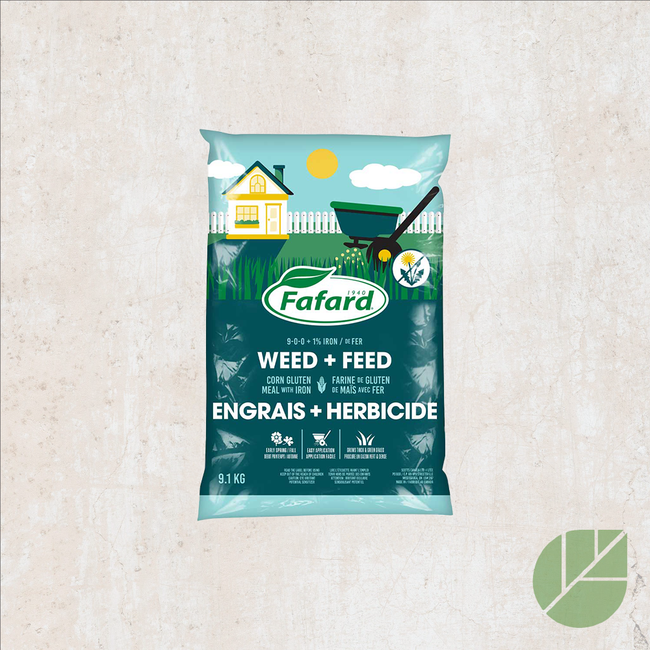
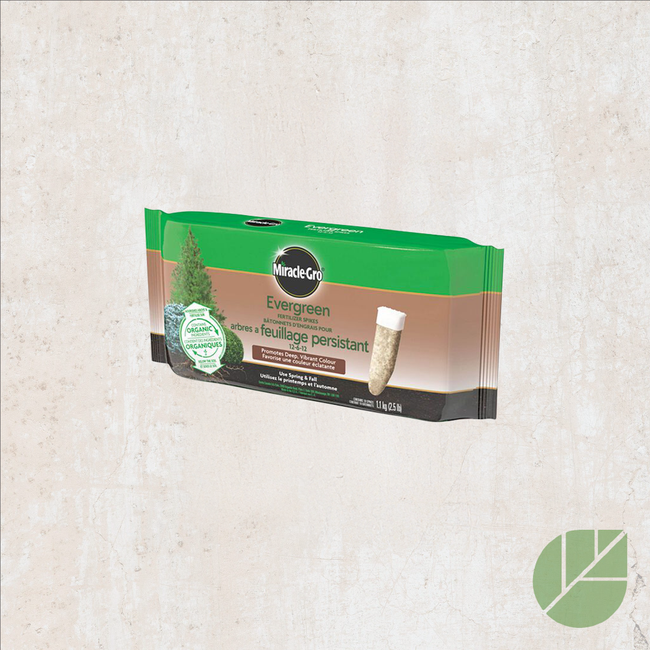
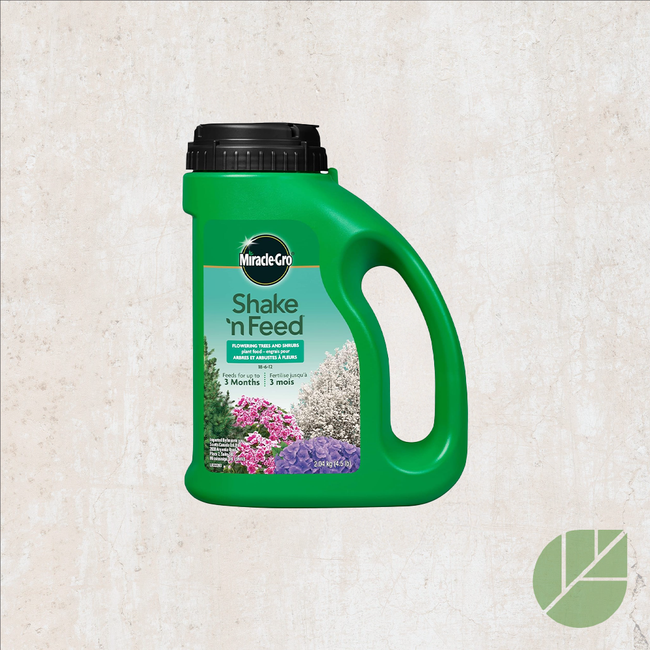
In fertile soil, organic mulch and a thin surface layer of mature compost are generally sufficient. If growth appears weak, test the soil before applying a labelled tree fertilizer. Avoid heavy nitrogen, products placed against the trunk and late-season feeding, which can extend soft growth before winter. Steady growth creates a stronger framework than forced growth and reduces unnecessary maintenance. Correct moisture and drainage before assuming that fertilizer will solve pale or limited growth.
Moisture
Average to evenly moist; consistent moisture without standing water
Seasonal care
In spring, inspect the trunk, graft union, root flare and main branch unions after snowmelt. Restore 5 to 8 cm of mulch without covering bark, remove tight ties and water when rainfall is inadequate. Compare bud break across several branches before declaring winter injury. In summer, check moisture, drainage and compaction whenever leaf margins brown; young foliage can also be damaged by dry wind and intense sun. Watch for aphids, scale insects, leaf spots and Verticillium symptoms, then obtain a diagnosis before treating. Prune after leaves expand or during dormancy to remove only dead, broken, diseased or crossing wood. In autumn, water deeply before freeze-up when soil is dry and collect heavily spotted leaves. In winter, keep salt-laden snow outside the root zone and protect a young trunk from rodents without binding the guard. Clean tools between trees, never top the crown and have major cracks assessed by a qualified arborist. Reassess clearance from buildings, wires and paving periodically. Record heat, irrigation and damage events to separate site stress from recurring pest or disease problems. After storms, look for split branches, torn unions and damaged ties. Remove winter guards before heat builds and keep mowers outside the mulch ring. During drought, direct water across the full developing root zone rather than applying small amounts at the trunk. Inspect leaves from several parts of the crown before diagnosing a disorder. Check drainage during snowmelt and protect soil from construction traffic. If repeated scorch occurs, review afternoon exposure, wind and rooting volume before applying products. Replace damaged guards promptly but never fasten them tightly around expanding bark.
Container growing
A garden,within reach.
Recommended pot size
Very large container at least 60 cm (24 in) wide, stable and equipped with ample drainage.
Container culture is best suited to young specimens and requires closer monitoring than planting in the ground. Use a very large, stable pot at least 60 cm (24 in) across, with several drainage openings and a structured growing medium that retains consistent moisture without remaining saturated. Position the container in sun to partial shade and water when the mix begins to dry below the surface. Do not leave the pot standing in water. In Quebec, above-ground roots are considerably more exposed to winter cold than those of a tree planted in soil, so substantial winter protection is required. As 'Cascadia' becomes larger, planting it in the ground is generally the better long-term choice for normal root and canopy development.

Bloom and dimensions
Its place,in your garden.
Mature height
Approximately 2.1 m (7 ft)
Width / spread
Approximately 3 m (10 ft)
Flower color
Purplish red, discreet
Foliage color
Bright green from spring through summer; luminous yellow-orange in autumn
Foliage type
Deciduous
Growth rate
Moderate, approximately 30 cm (12 in) per year
Growth habit
Low, spreading and sculptural, with flexible branches arranged in cascading layers
Bloom period
Small purplish-red flowers appear discreetly in spring before or as leaves unfold. They are not the cultivar’s principal feature, but add seasonal detail and may provide a temporary resource for early-active insects. Abundance varies with tree age, weather and nearby maples. Avoid insecticides during flowering unless a diagnosis and specific need justify treatment. Winged samaras may develop later when pollination succeeds and the tree is mature enough.
Fruiting
Winged samaras may follow flowering when the tree reaches maturity and pollination succeeds. They remain secondary to the foliage, and quantity varies from year to year. Seedlings do not reproduce the Cascadia cultivar faithfully because named plants are propagated vegetatively. Do not identify a volunteer seedling as the same cultivar. Remove unwanted seedlings while small and keep the root flare clear of accumulated fruit and debris. A young tree may produce few or no samaras for several seasons.

Garden associations
In goodcompany.
Companion plants
Pair Cascadia with dark green conifers, ferns, hakone grass, hostas, foamflowers and white perennials that enjoy fresh, well-drained soil. Regionally native dogwoods or viburnums suited to the site add flowers, fruit and cover. Establish companions toward the future crown perimeter without cutting roots or burying the flare. Keep a broad mulch ring open for inspection. Avoid invasive groundcovers, plants requiring frequent digging and vigorous shrubs that would hide the cascading branches. Similar moisture needs simplify long-term care as shade increases beneath the low canopy.
Frequently asked questions
Your questions,answered.
How large does Cascadia maple grow?
According to Iseli Nursery, Cascadia reaches approximately 2.1 m in height and 3 m in spread at maturity, or about 7 by 10 ft. It is therefore distinctly wider than tall. Growth is near 30 cm per year and the crown spreads in flexible layers instead of rising like an upright small tree. Measure clearance from the trunk centre and keep paths, walls, foundations and vigorous shrubs beyond the planned width. The sale plant is young and will continue to broaden. Correct placement allows cascading tips to develop without repeated shortening. Climate, soil quality and growing-season length influence how quickly the final outline is reached.
Does Cascadia maple turn red in autumn?
The official Iseli description identifies yellow-orange autumn colour rather than sustained red. Leaves are bright green in spring and remain fresh green through summer before turning luminous yellow to orange. Intensity varies with cool nights, sunlight, soil moisture and root health. Severe drought may brown leaf margins before the normal transition, while very dense shade can soften colour. Minor tones can change from year to year, but customers should not select Cascadia expecting the intense red finish of another cultivar. Evaluate the entire crown and recent weather before treating an unusual tone as a pest, disease or identity problem. Healthy roots support the cleanest transition.
Is Cascadia maple a weeping tree?
Cascadia is not a conventional weeping maple. Its structure is low, spreading and sculptural: branches form flexible layers and some tips descend, creating a cascading effect. It is not upright either. This distinction matters when planning space and sightlines. Position the tree where the silhouette can be viewed from the side and reserve about 3 m of clear width. Avoid shearing the crown into a ball or shortening every descending tip because those actions erase the cultivar’s defining character. Remove only dead, damaged or crossing wood and a genuinely poorly directed branch. Correct placement remains more effective than repeated size-control pruning.
Does Cascadia prefer full sun or partial shade?
Iseli recommends full sun to partial shade. Across Canada, morning sun with light late-day shade is especially useful on hot, dry or reflective sites. Full sun can produce strong colour when roots have access to fresh, deep soil, but drying wind, paving and inadequate water increase scorch on divided leaves. Dense shade can reduce vigour and soften yellow-orange autumn colour. Observe the site’s actual hours of sun, protect a broad root zone with mulch and water deeply through establishment rather than frequently wetting only the trunk area. Evaluate exposure together with drainage, soil volume and wind instead of treating light as an isolated factor.
How should Cascadia maple be pruned?
Preserve the layered cascading habit and perform most structural work while the tree is young. Remove dead, broken or diseased wood, a crossing branch and a shoot that genuinely distorts the framework. Do not shear or top the crown, and do not routinely shorten descending tips to force the tree into an undersized space. Maples can bleed heavily in spring, so work after leaves expand or during dormancy in dry weather with clean tools. Remove only a small portion of the crown at one time. Consult a qualified arborist before a large cut or when a crack affects a main branch. Proper spacing is the most effective long-term pruning strategy.
Wildlife and pets
Life,around your plants.
Attracts birds
Yes
Supporting wildlife
Small spring flowers may be visited by early-active insects, while samaras are sometimes eaten by birds or small mammals. As the tree matures, its branched crown provides perches, cover and potential nesting locations. Because Cascadia is not indigenous to Canada, combine it with several layers of regionally native plants to increase food, shelter and ecological diversity within the garden.
For your trees, shrubs and conifers
The right extras.Right here.
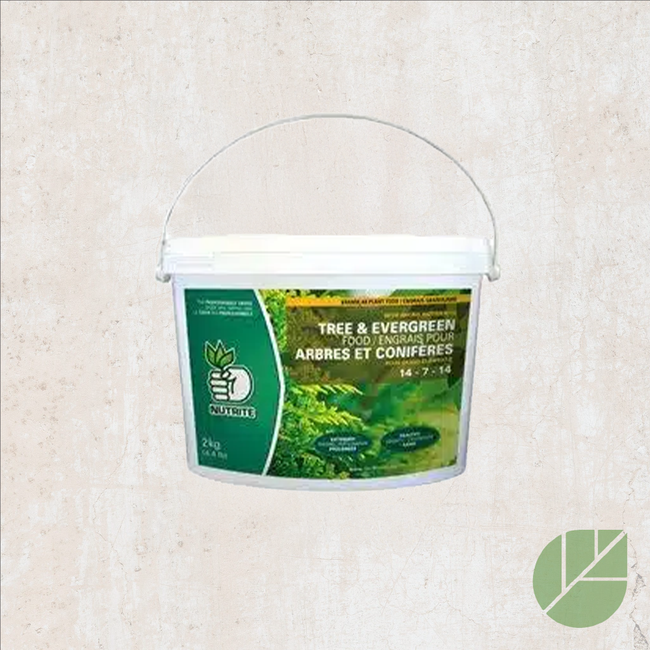
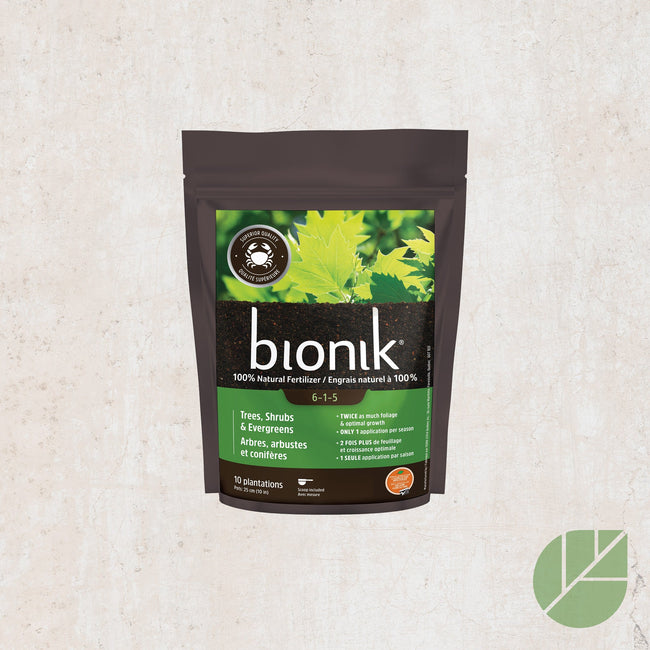
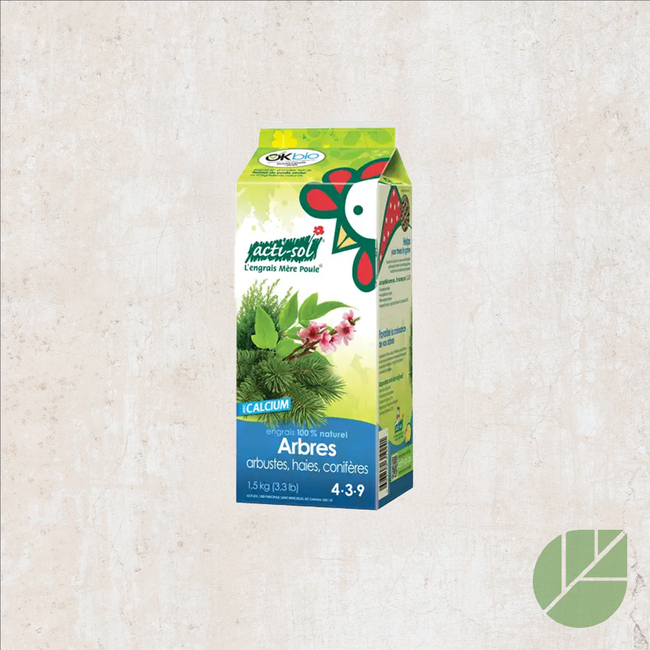
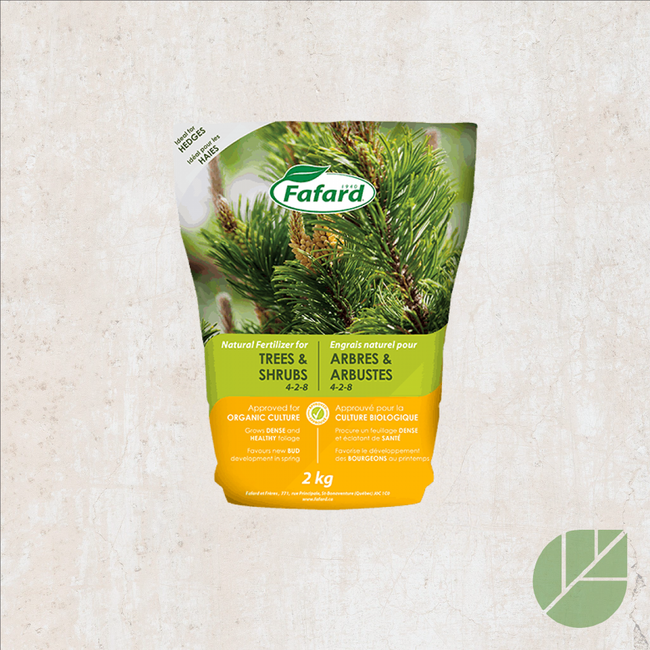
Tree and Shrub Fertilizer
Shop the collection