Sale
Sold out

Tuber
Ranunculaceae
Ornamental bulbs
Anemone 'Blue Star' (Anemone blanda)
Anemone blanda ‘Blue Star’
Product code : ANEMONE-BLANDA-BLUE-STAR
Blue Star Grecian Windflower produces an abundance of pale blue star-shaped flowers in early spring. It forms a delicate, luminous groundcover that returns faithfully each year.
- Quantity
- 10 tuber
- Exposure
- Full sun to partial shade. Good spring light encourages abundant flowering before deciduous trees leaf out.
- Life cycle
- Perennial
- Hardiness
- Zone 4
Discover the plant
Common nameBlue Star Grecian Windflower
FamilyRanunculaceae
GenusAnemone
Speciesblanda
CultivarBlue Star
TypeTuber
Botanical nameAnemone blanda ‘Blue Star’
Blue Star Grecian Windflower (Anemone blanda ‘Blue Star’) welcomes the return of spring with a profusion of pale blue, star-shaped flowers delicately highlighted by white centres. Its finely divided, soft green foliage forms a low, graceful carpet that beautifully showcases the luminous blooms. Its natural appearance brings freshness and softness to garden displays early in the season. This botanical anemone naturalizes readily when grown under suitable conditions, gradually forming charming flowering colonies that return year after year with simple, delicate elegance.
Plant this anemone in a location where the soil remains well drained, an essential condition for healthy growth and long-term performance. It is particularly well suited to bright garden areas and open woodland settings, where its spring flowers can benefit from sunlight before the surrounding foliage fully develops. Once established, it requires little maintenance and may gradually spread to form a light seasonal ground cover. After flowering, allow the foliage to complete its natural cycle so the tubers can replenish their reserves for the following spring.
With its low habit and delicate appearance, ‘Blue Star’ Grecian Windflower is ideal for borders, rock gardens, woodland plantings, and naturalized areas. Plant it in groups to create a luminous blue carpet or tuck it among other spring plants for a soft, spontaneous display. Its early flowering brings welcome colour just as the garden begins to awaken. As it naturalizes, it helps create durable, lively, low-maintenance plantings while providing a valuable floral presence at the beginning of spring.

Sowing guide
It all startswith a seed.
Sowing depth
5 cm (2 in)
Spacing / density
Space plants or bulbs 10 to 15 cm apart.
Sowing period
September to November or spring
Propagation
Divide the tubers during dormancy or allow natural self-seeding under favourable conditions. Colonies gradually expand over time.
Growing method
Soak the tubers for a few hours before planting to encourage faster establishment. Plant them in fall or very early spring in light, well-drained soil. Bury the tubers approximately 5 cm (2 in) deep and space them 8 to 10 cm (3 to 4 in) apart. Choose a location in full sun to partial shade. Water after planting, then keep the soil lightly moist during active growth. Allow the foliage to yellow naturally so the tubers can replenish their reserves.
Soil and care
The right care,at the right time.
Soil pH
Neutral
Minimum temperature
-40°C (-40°F)
Care level
Easy
Watering
Keep the soil lightly moist during active growth without excess water. Reduce watering after flowering as the plant enters dormancy.
Soil type
Light, humus-rich, perfectly drained soil. Tolerates ordinary soils provided water never stagnates.
Fertilization
A light application of compost or bulb fertilizer in early spring is usually sufficient. Avoid excessive fertilization.
Moisture
Moist to moderately dry, always well-drained soil.
Seasonal care
Allow the foliage to complete its natural cycle before removing it. Avoid excessive watering during summer dormancy. Divide colonies when they become crowded. Apply a light layer of compost in autumn if needed.
Container growing
A garden,within reach.
Recommended pot size
25 cm (10 in)
Suitable for containers in a free-draining mix; protect from frost when hardiness requires it.

Bloom and dimensions
Its place,in your garden.
Mature height
10 to 15 cm (4 to 6 in)
Width / spread
15 to 20 cm (6 to 8 in)
Flower color
Pale blue with white centre
Foliage color
Green
Foliage type
Deciduous
Growth rate
Moderate
Growth habit
Upright, clumping
Fragrance
Light fragrance
Bloom period
Pale blue star-shaped flowers with white centres bloom in early spring and attract the season's first pollinators.
Harvest
After flowering, allow the foliage to yellow completely before removing it so the tubers can replenish their energy reserves.

Garden associations
In goodcompany.
Companion plants
Pairs beautifully with grape hyacinths, squills, miniature daffodils, crocuses, and primroses that bloom at the same time.
Frequently asked questions
Your questions,answered.
When should Blue Star Grecian Windflower be planted?
The tubers are best planted in fall to benefit from winter moisture. Very early spring planting is also possible. Soaking the tubers before planting improves establishment.
Does Blue Star Grecian Windflower return every year?
Yes. This tuberous perennial naturalizes easily in well-drained soil and gradually forms beautiful flowering carpets.
Can this anemone be grown in containers?
Yes. It performs very well in well-drained containers. Plant several tubers together for a fuller floral display.
Where should Blue Star Grecian Windflower be planted?
It prefers spring sunshine or light partial shade beneath deciduous trees. It is ideal for rock gardens, open woodland gardens, and borders.
Should the foliage be removed after flowering?
Wait until the foliage has completely yellowed before removing it. This allows the tubers to store energy for the following spring.
Wildlife and pets
Life,around your plants.
Supporting wildlife
Bees and pollinators
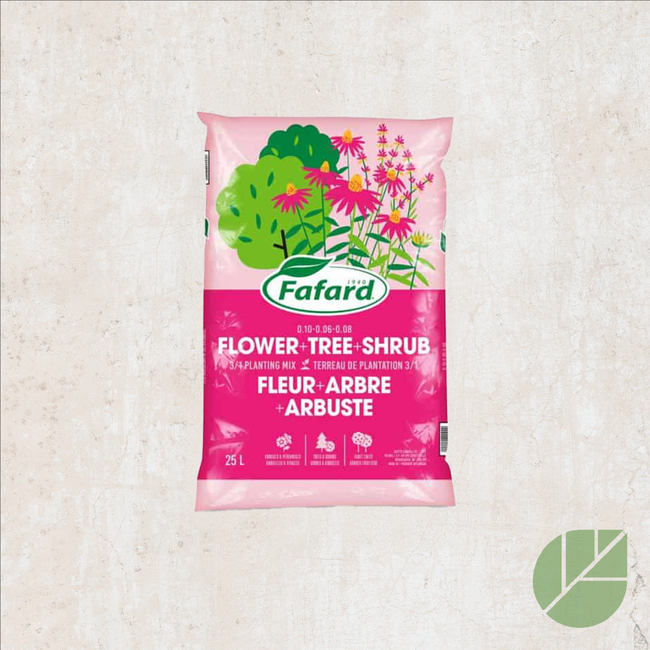
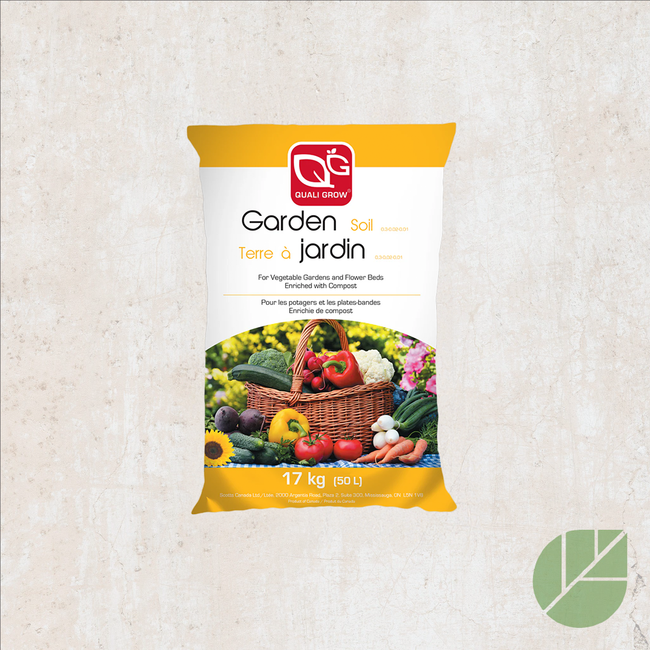
For planting your bulbs
The right extras.Right here.
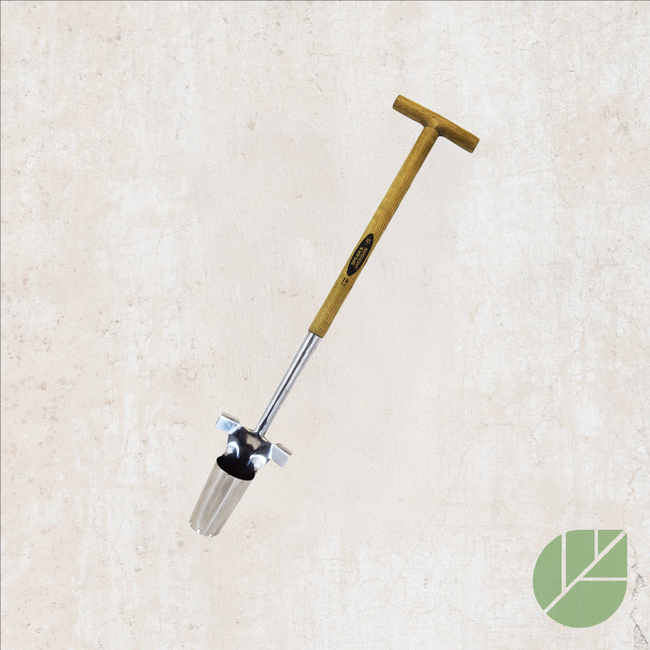
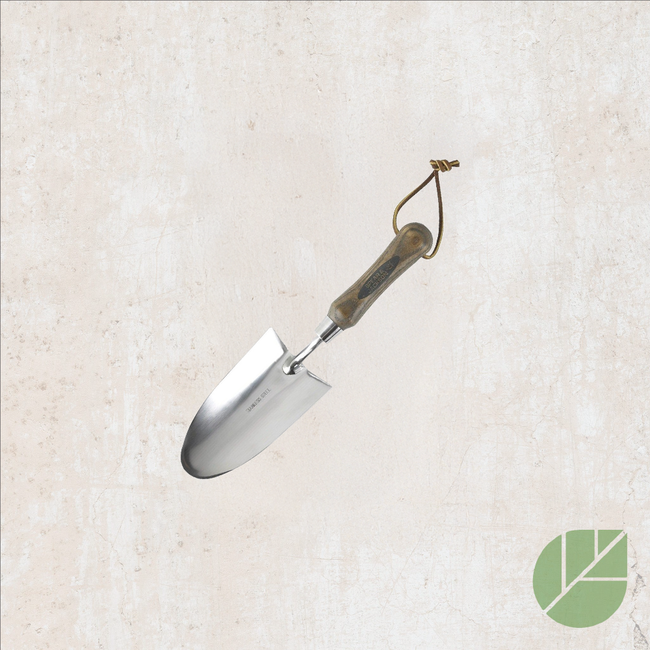
Bulb planters and planting tools
Shop the collection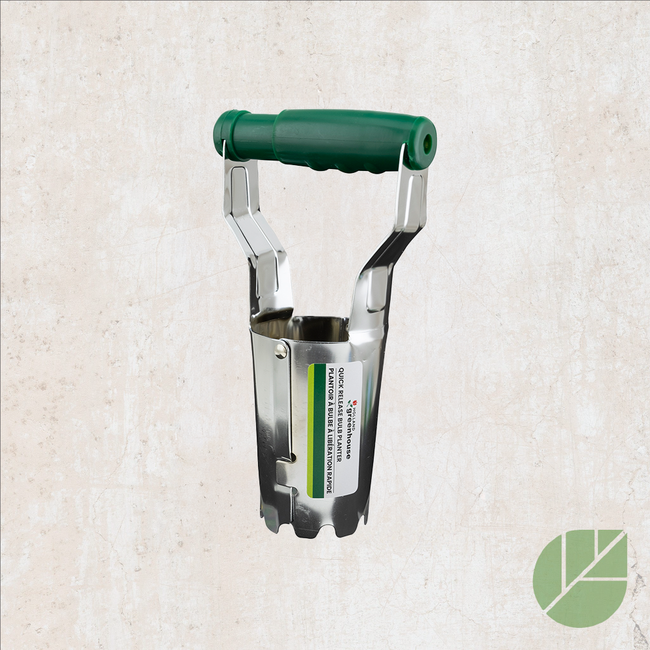

Soils and amendments for bulbs
Shop the collection