Sale
Sold out

Caprifoliaceae
Trees and shrubs
Weigela 'Minuet'
Weigela florida
Each store has its own inventory.
Products and available quantities may vary between Brossard and Laval. To check a store’s inventory, please contact us directly.
Even better: visit us in store to discover the full selection available!
- Exposure
- Sun/part shade
- Hardiness
- Zone 4
Discover the plant
Common nameWeigela
FamilyCaprifoliaceae
GenusWeigela
SpeciesFlorida
CultivarMinuet
TypeShrub
Botanical nameWeigela florida
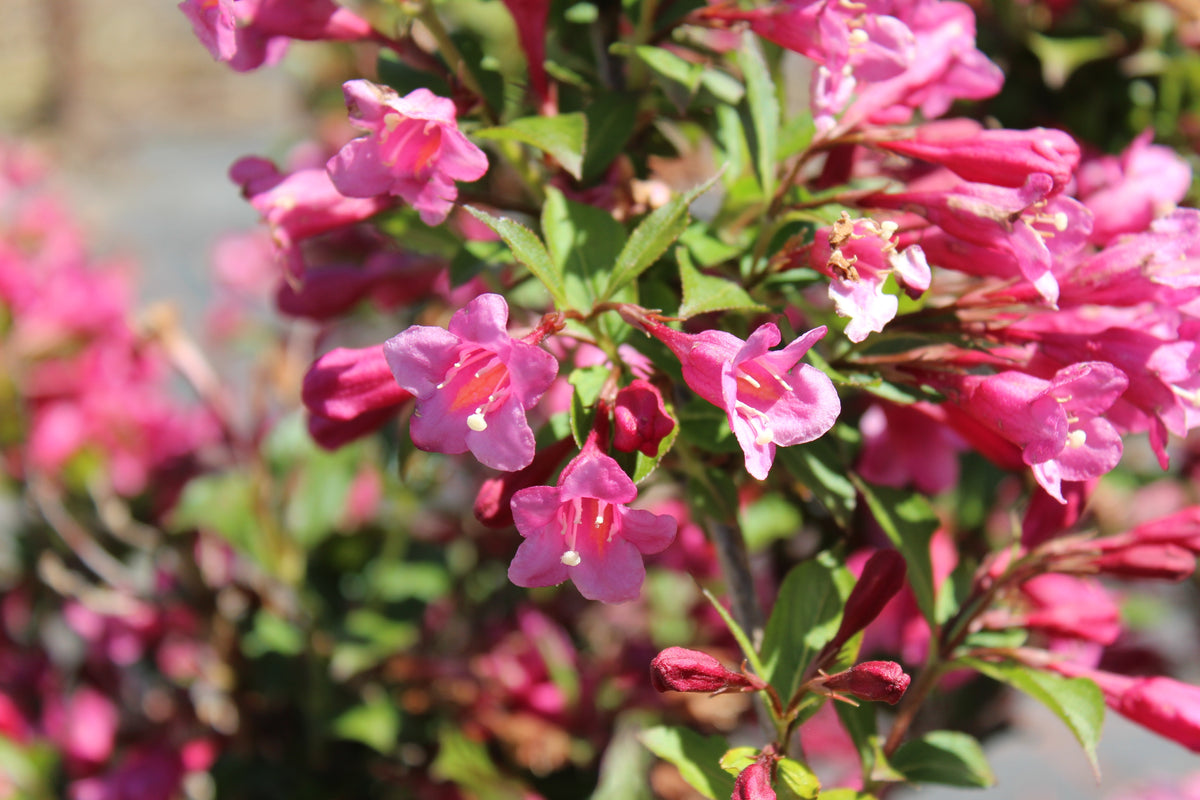
Weigela ‘Minuet’ (Weigela florida ‘Minuet’). Weigela florida 'Minuet', often called dwarf weigela 'Minuet', is a compact deciduous shrub appreciated for its purple-tinged green foliage and abundant reddish-pink bell-shaped flowers with yellowish throats. Its dense, rounded silhouette, smaller than many other weigelas, makes it an excellent option for flowerbeds, small gardens, and landscapes where color is desired without taking up too much space. Very decorative in late spring and early summer, this cultivar creates a beautiful mass effect when planted in groups, while being elegant enough to be used as a small specimen.
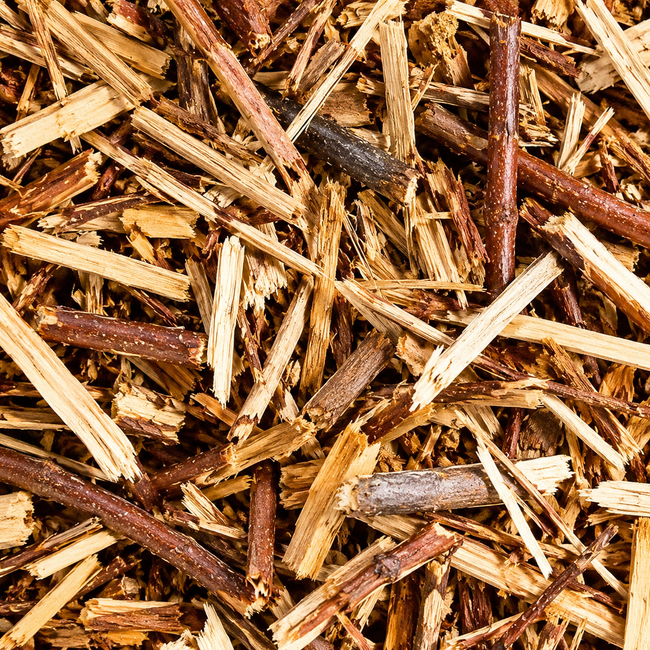
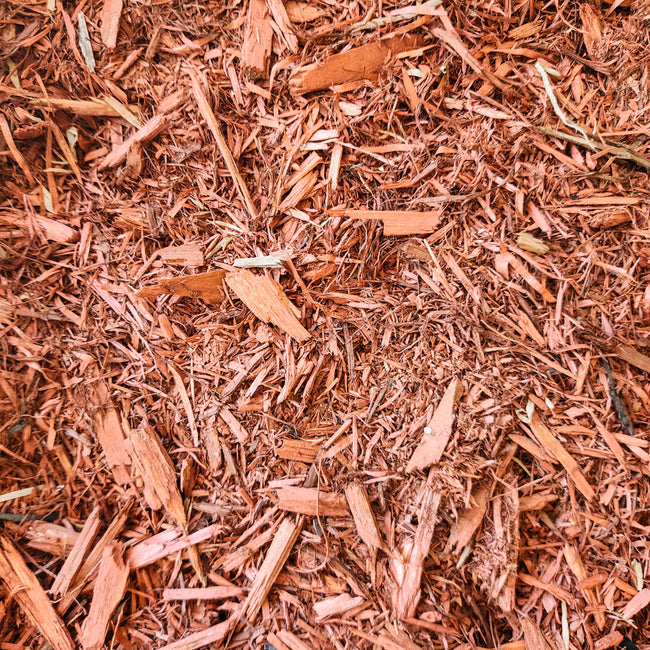
To plant weigela ‘Minuet’, choose an appropriate exposure: sun to partial shade. The recommended soil is well-drained, ordinary to rich. Water the root ball before planting and ensure that water can drain after planting. During establishment, check the soil moisture by hand before watering again. Spread mulch around the base, leaving the crown clear. Avoid systematic fertilizer applications without considering the soil's richness. In Quebec, choose a period when the soil is thawed and easy to work.
Shrub beds, borders, low informal hedges, foundations, small gardens, containers, pollinator gardens, or landscaping near a patio. Allow for a width of 60-90 cm (24-36 in) to plan this plant's space in the garden. The indicated height of 60-90 cm (24-36 in) helps choose its position relative to neighboring plants. Maintain access to the base for weeding, checking moisture, and removing damaged parts. Combine this variety with plants that have compatible light and water needs. If you are considering a container, first check that its volume and drainage are suitable for root development.

Planting guide
From planting to establishment.
Propagation
Softwood or semi-hardwood cuttings
Soil and care
The right care,at the right time.
Soil pH
Slightly acidic to neutral
Minimum temperature
'-34°C
Care level
Weak
Watering
Moderate watering
Soil type
Neutral to slightly acidic, well drained
Fertilization
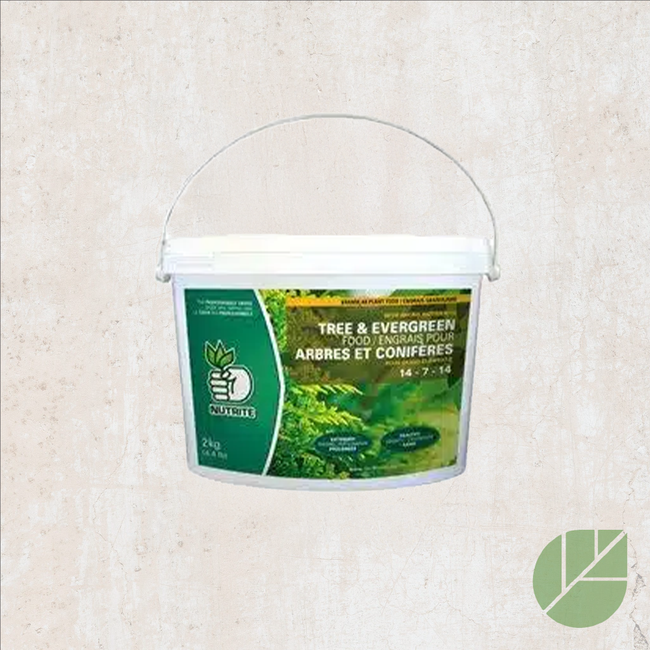
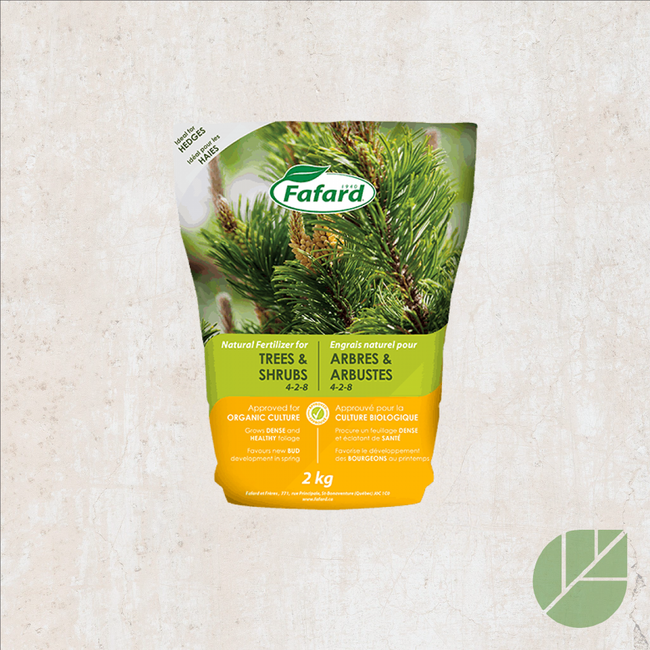
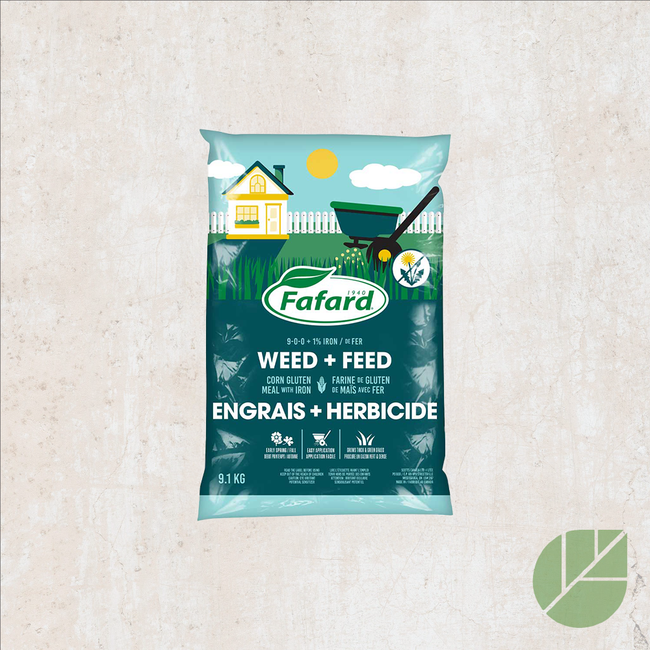
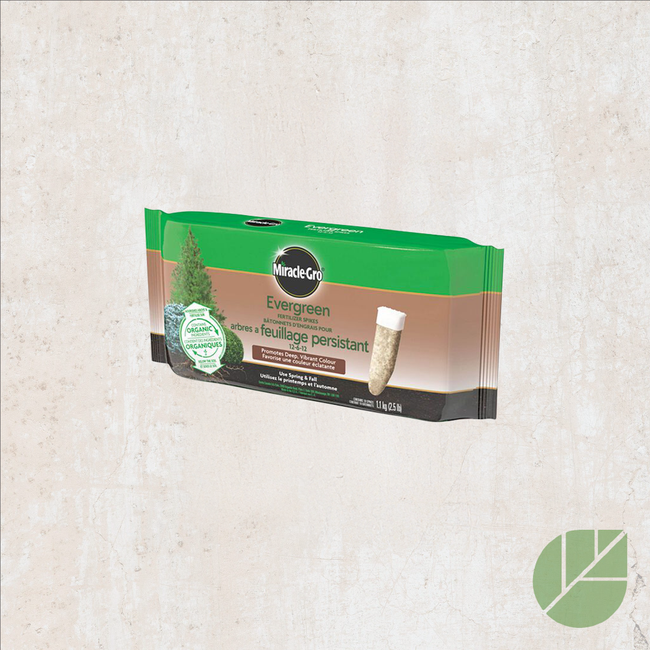
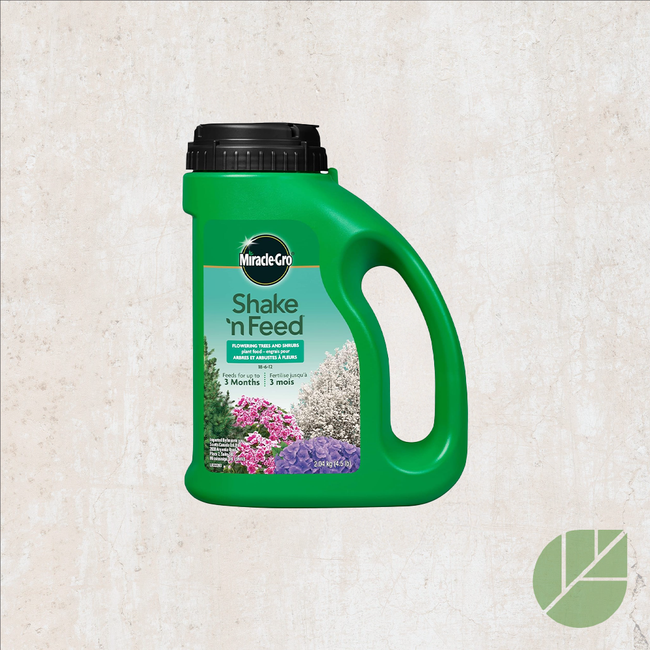
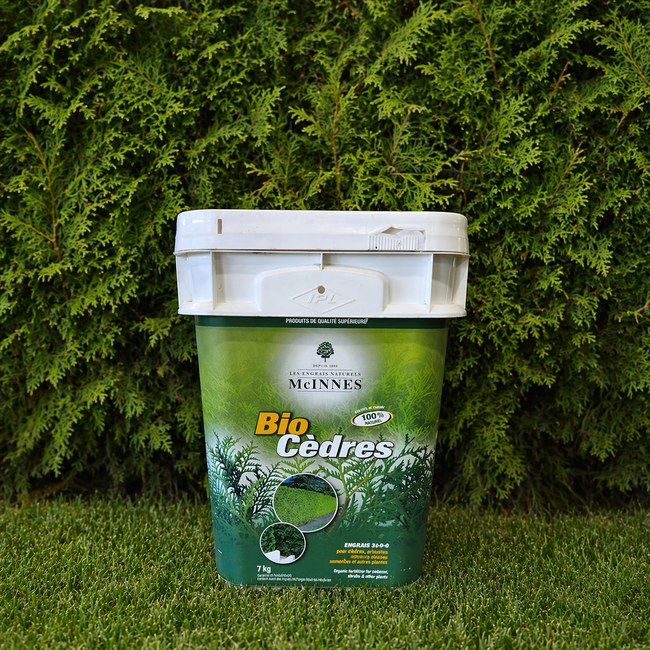
Slow-release fertilizer 14-7-14 or 4-2-8. Fertilize monthly or as directed on the bag. Add Myke at planting.
Moisture
Moderate
Seasonal care
Lightly prune after flowering to maintain a dense shape and remove weak or old branches. Add compost in spring and maintain light mulch to help retain moisture.
Container growing
A garden,within reach.
Well suited for growing in a large pot or container on a sunny terrace or balcony. Use a well-drained container, good potting soil, and water regularly, especially in hot weather. Winter protection of the pot is recommended in cold climates.

Bloom and dimensions
Its place,in your garden.
Mature height
80 to 100 cm (31 to 39 inches)
Width / spread
1.2 m (4 feet)
Flower color
Pink
Foliage color
Green
Foliage type
Obsolete
Growth rate
average
Growth habit
Rounded Compact
Bloom period
Spring
Fruiting
Small, dry, inconspicuous capsule without ornamental value
Harvest
TRUE
Garden associations
In goodcompany.
Companion plants
Catmint, lavender, perennial geranium, sage, daylily, spirea
Wildlife and pets
Life,around your plants.
Supporting wildlife
Yes
For your trees, shrubs and conifers
The right extras.Right here.
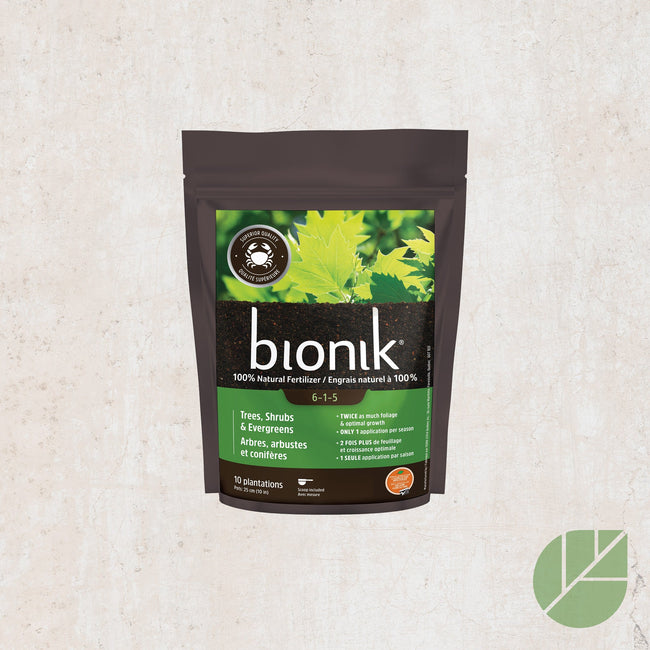
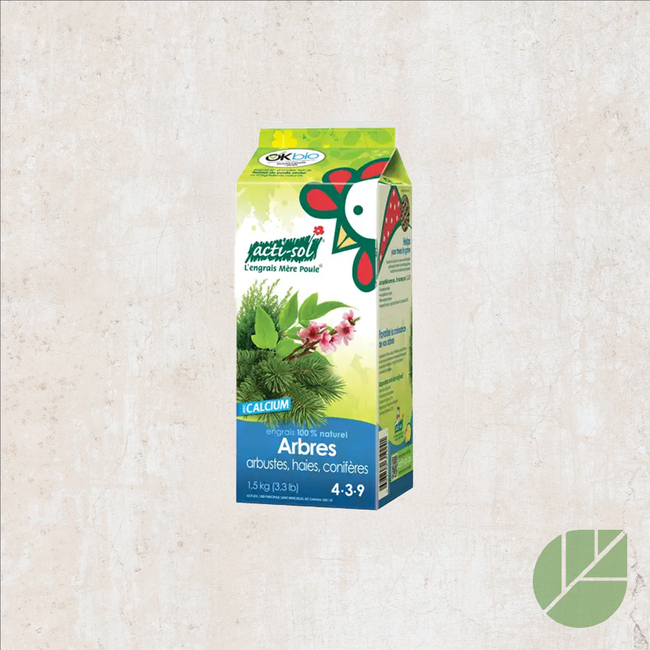
Tree and Shrub Fertilizer
Shop the collection