Plantes d’extérieur
Tout pour fleurir, cultiver et aménager votre jardin.


Gaia
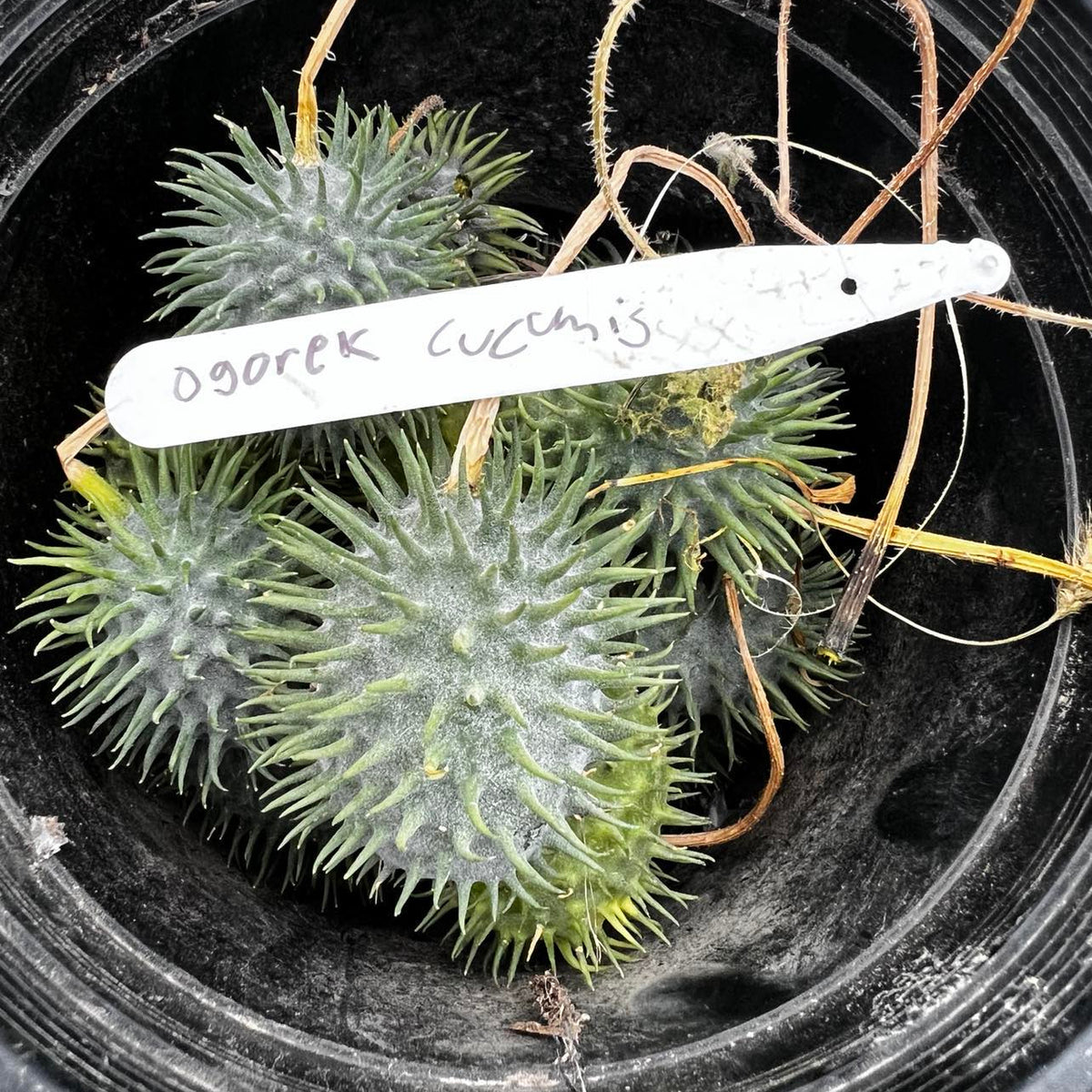
Cucumis dipsaceus.
Organic 'Arabian' gherkin The 'Arabian' gherkin is part of our selection of organic seeds for Quebec gardens. The ‘Arabian’ gherkin, also known as the Arabian cucumber, develops long, vigorous climbing vines covered in medium-green foliage and punctuated by bright yellow flowers. The fruits, green at first, turn a light yellow as they mature and contain numerous seeds, giving them a unique texture and a distinctive appearance. This warm-season annual plant is as notable for its ornamental character as it is for its culinary interest. For the Arabian gherkin, the indicated exposure is: Partial shade.
Soak the seeds in lukewarm water for up to 24 hours and scarify them for better germination. Sow directly into open ground 1 to 2 weeks after the last frosts. It is also possible to start seedlings indoors 4 weeks before the planting date. 1/2″ in direct seeding 23-28°C 3 to 10 days (soaking and scarification recommended) Prepare a clean, loose, and well-drained substrate, then moisten it before placing the seeds to limit their movement. For the Arabian gherkin, the indicated soil type is: Use loose, well-drained soil suitable for the indicated crop.
Harvest when the skin color changes from green to light yellow. Let it ripen on the vine until it turns a yellowish color. Peas, Corn, Beans, Radishes, Beets, Carrots, Onions, Marigolds, Nasturtiums, Sunflowers, Oregano, Dill. The packet contains 9 seeds. For the Arabian gherkin, the watering guide is: Maintain consistent moisture without saturating the soil. For the Arabian gherkin, the indicated sowing depth is: 1.3 cm (1/2 in) for direct seeding. For the Arabian gherkin, the reported germination period is: 3 to 10 days (soaking and scarification recommended).
Sowing guide
Soil and care
Container growing

Bloom and dimensions
Garden associations
Frequently asked questions
Click a product to build your selection.
Tout pour fleurir, cultiver et aménager votre jardin.
Une touche de nature, dans chaque pièce.
Tout pour fleurir, cultiver et aménager votre jardin.
Tout découvrir Potager et fines herbes
 Fleurs et vivaces
 Arbres et arbustes
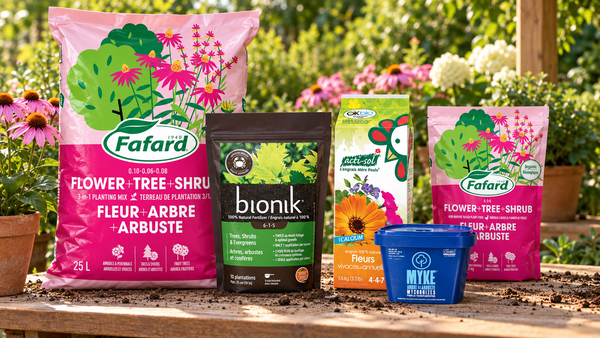 Soins et plantation
Une touche de nature, dans chaque pièce.
Tout découvrir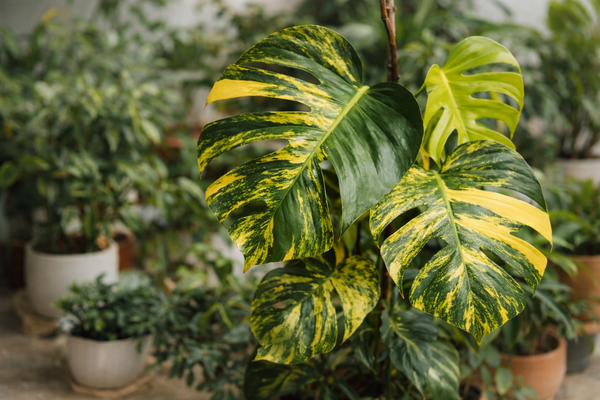 Plantes tropicales
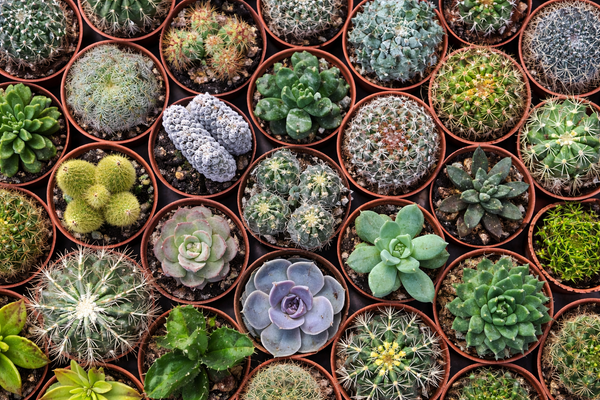 Cactus et succulentes
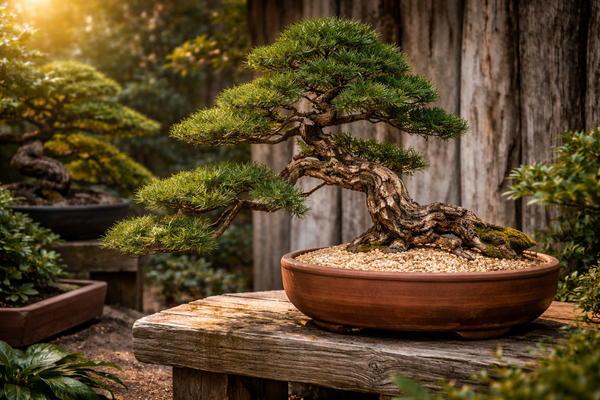 Collections spécialisées
 Soins et accessoires
Tout pour semer, planter et faire pousser.
Tout découvrir Semences
 Bulbes
 Tout pour les semis
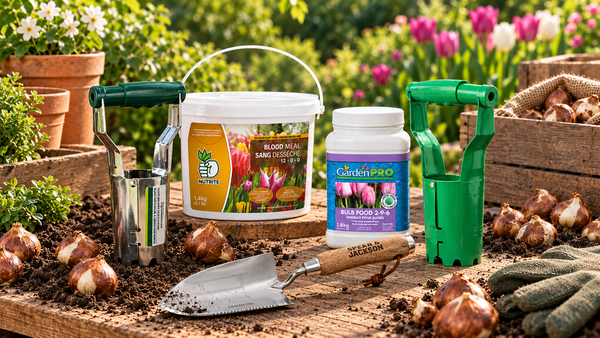 Pour planter les bulbes
Tout pour semer, nourrir et retrouver une belle pelouse.
Tout pour semer, nourrir et retrouver une belle pelouse.
Tout découvrir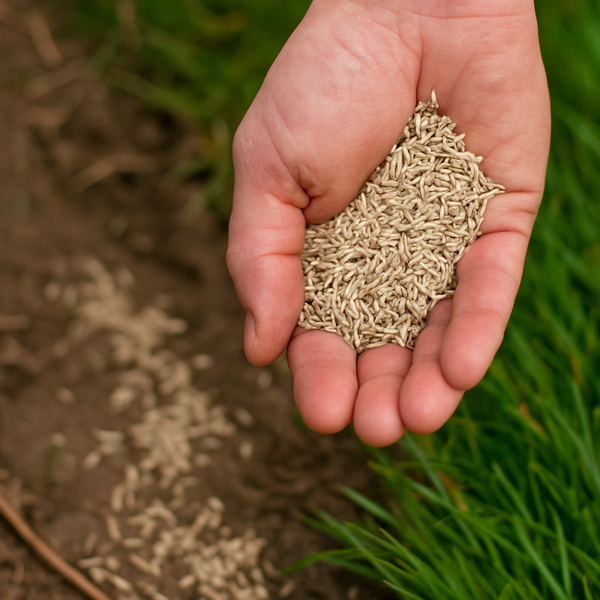 Semences à gazon
 Engrais pour gazon
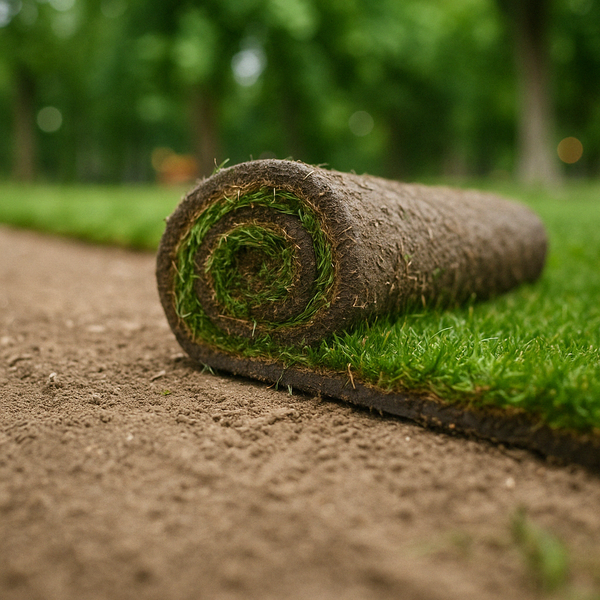 Tourbe et préparation
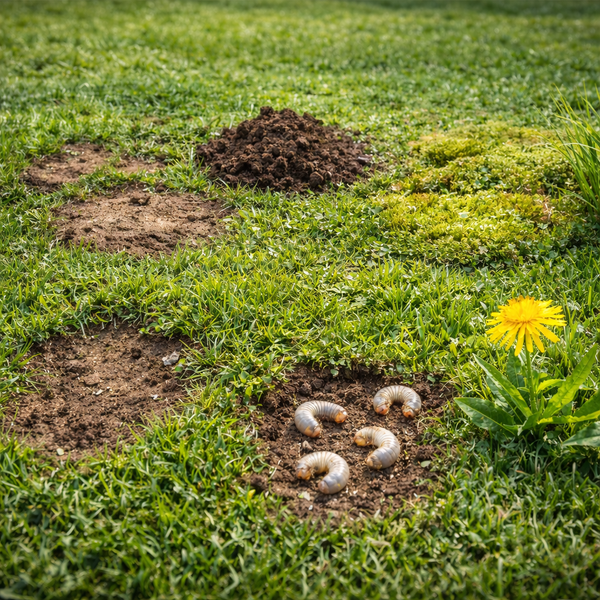 Soins et traitements
Tout pour nourrir, protéger et entretenir vos plantes.
Tout pour nourrir, protéger et entretenir vos plantes.
Tout découvrir

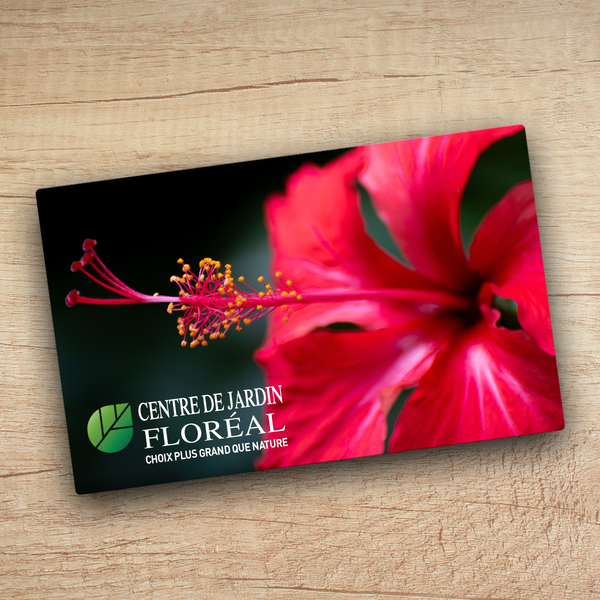

Valide uniquement dans la succursale choisie lors de l’achat.
Choisir la carte en magasinTout pour semer, planter et faire pousser.
 Outils
 Compostage et écologie