Sale
Sold out

Hydrangeaceae
Trees and shrubs
Panicled Hydrangea 'Little Spooky'
Panicled Hydrangea
Each store has its own inventory.
Products and available quantities may vary between Brossard and Laval. To check a store’s inventory, please contact us directly.
Even better: visit us in store to discover the full selection available!
- Exposure
- Sun to partial shade
- Hardiness
- Zone 3
Discover the plant
Common namePanicle hydrangea
FamilyHydrangeaceae
GenusHydrangea
Speciespaniculata
CultivarLittle Spooky
TypeOrnamental shrub
Botanical namePanicled Hydrangea
Panicled Hydrangea 'Little Spooky' (Hydrangea paniculata ‘Little Spooky’). Hydrangea paniculata ‘Little Spooky’ is a unique dwarf shrubby hydrangea, prized for its distinctive blooms and very compact habit. This variety is characterized by its short, upright conical panicles, composed of tightly packed, creamy white flowers, sometimes slightly greenish at first, offering a graphic and modern appearance. Its overall habit is low, dense, and rounded, with a wider than tall silhouette, making it an ideal choice for low borders, front-of-bed plantings, structured rockeries, and container cultivation.
To plant 'Little Spooky' panicled hydrangea, choose an appropriate exposure: sun to partial shade. The recommended soil is ordinary to rich, well-drained. Maintain regular moisture around the roots, as soil that dries out suddenly can cause the foliage to wilt. Avoid repeated pruning to artificially maintain a small silhouette; instead, choose a space suitable for the variety's development. Water the root ball before planting and ensure water can drain after planting. During establishment, check the soil moisture by hand before watering again.
Allow for a width of 0.6–0.8 m (2–2.6 ft) to plan for this plant in the garden. The indicated height of 0.4–0.6 m (1.3–2 ft) helps in choosing its position relative to neighboring plants. Maintain access to the base for weeding, checking moisture, and removing damaged parts. Combine this variety with plants that have compatible light and water needs. If you are considering a container, first check that its volume and drainage are suitable for root development. Potted roots are more exposed to cold than those planted in the ground.

Soil and care
The right care,at the right time.
Minimum temperature
'-34°C
Watering
Moderate, drought tolerant once established
Soil type
Ordinary to rich, well-drained, slightly acidic to neutral soil
Fertilization
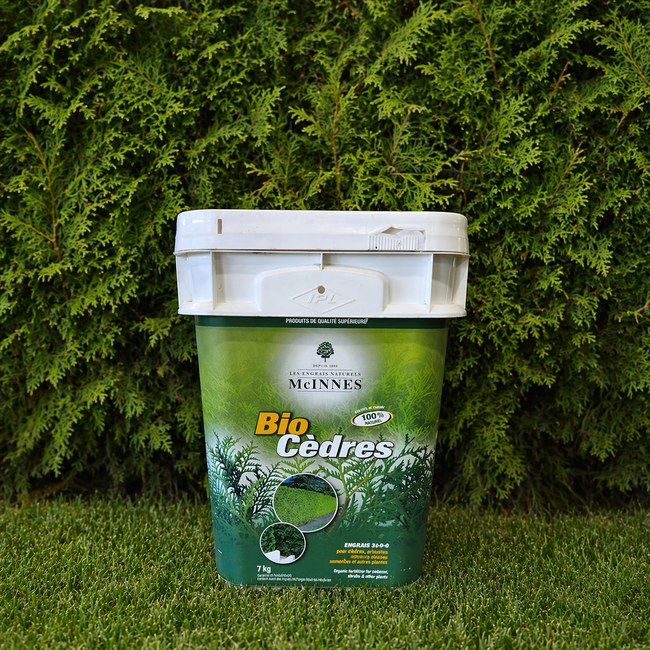
Balanced fertilizer (10-10-10), in early spring. One application is sufficient.
Bloom and dimensions
Its place,in your garden.
Mature height
60 to 80 cm (24 to 31 inches)
Width / spread
0.9 m (3 feet)
Flower color
White
Foliage color
Green
Foliage type
Obsolete
Growth rate
Fast — sustained development, ideal for quickly creating volume in a clump or low hedge, strong structure from the 2nd year.
Growth habit
Upright and flared, slightly conical, well-branched habit
Bloom period
July to October
Fruiting
Discreet brown fruits.
Harvest
TRUE
Wildlife and pets
Life,around your plants.
Supporting wildlife
Yes
For your trees, shrubs and conifers
The right extras.Right here.
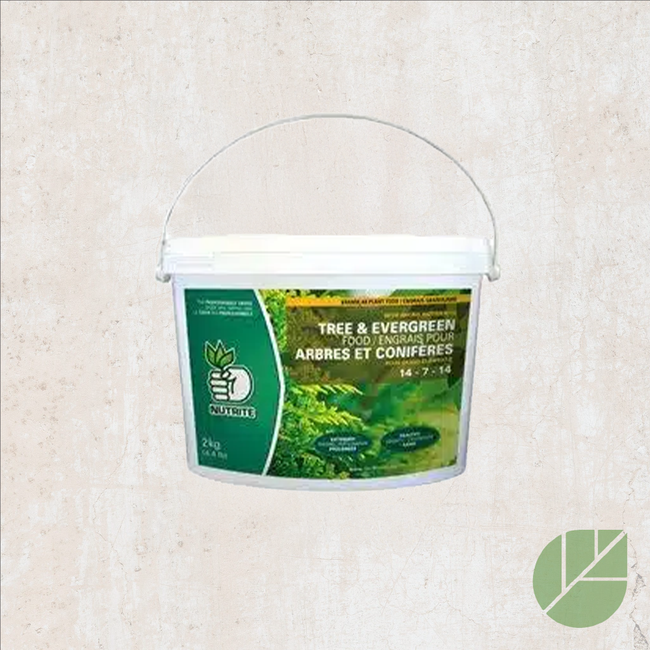
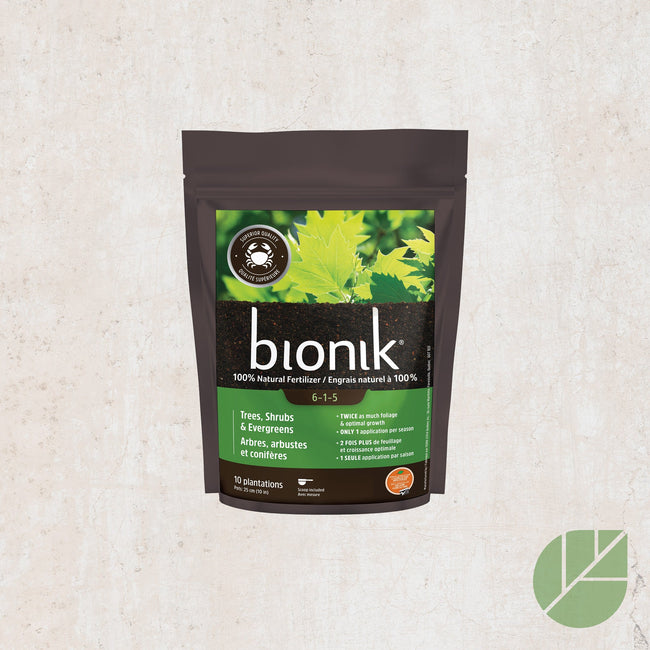
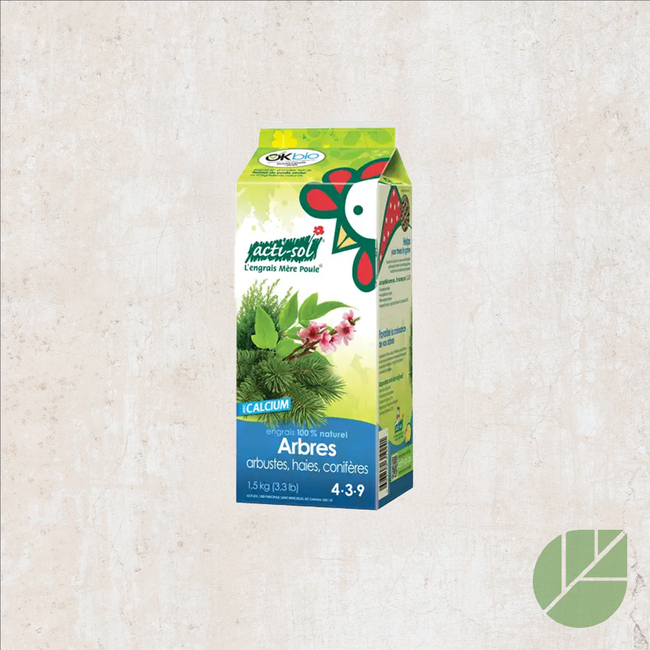
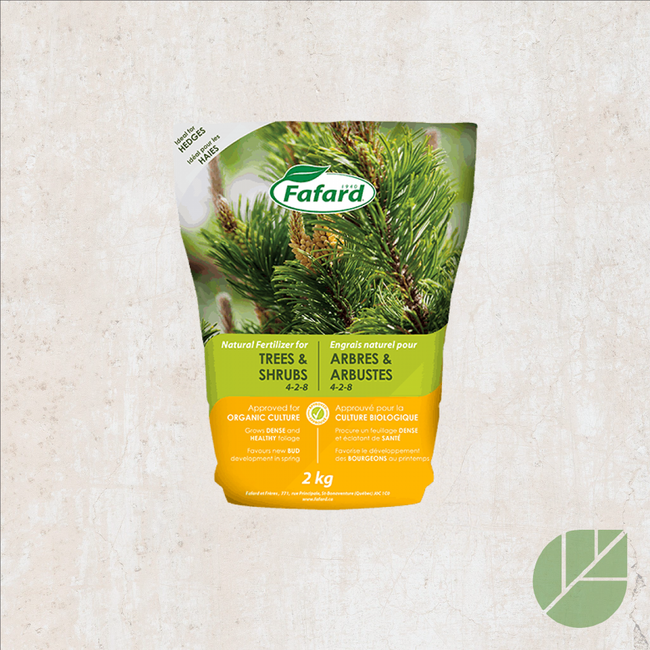
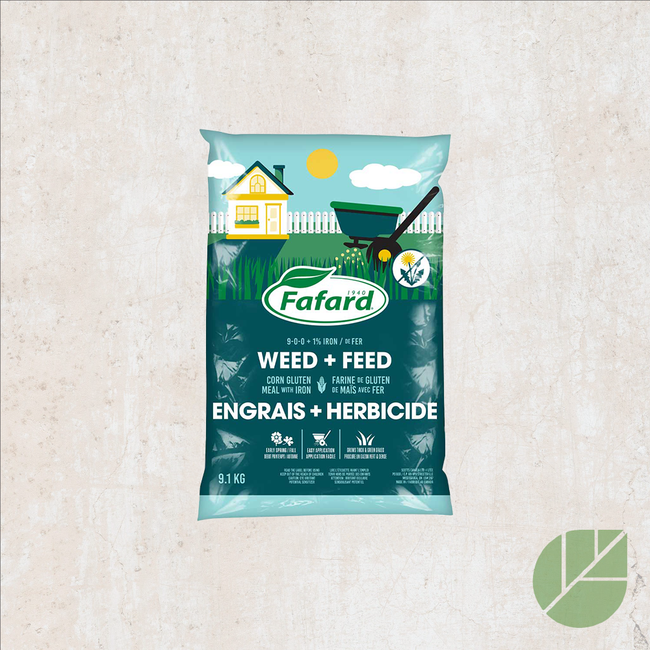
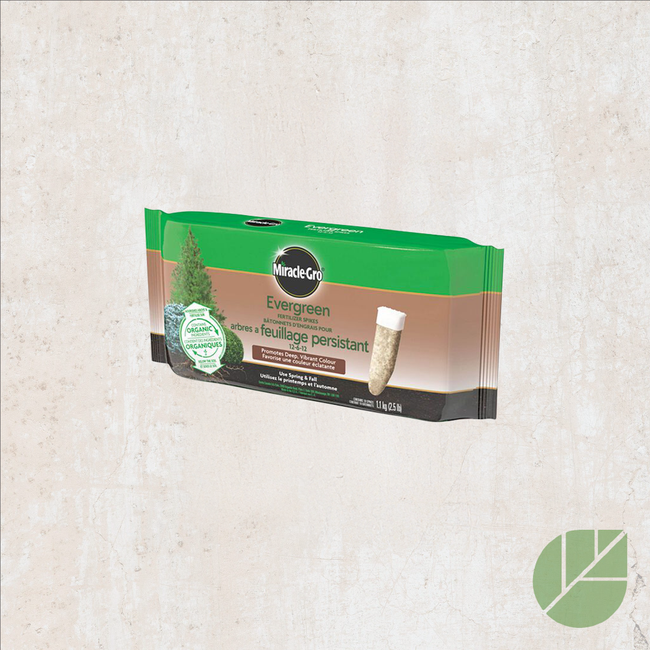
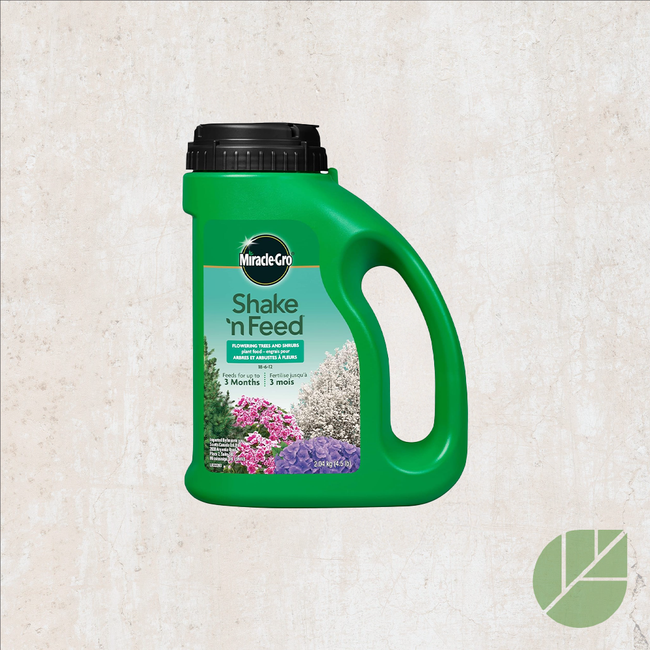
Tree and Shrub Fertilizer
Shop the collection