Solanum lycopersicum ‘Ukrainian Purple’ — Ukrainian Purple Paste Tomato. The Italian Tomato ‘Ukrainian Purple’, also known as ‘Purple Russian’, is a fascinating heritage variety that brings the vegetable garden a rare touch with its elongated fruits with greenish purple shades. On a vigorous, indeterminate plant, it produces fleshy tomatoes with a distinctive plum-like shape, combining an attractive appearance on the plant with continuing production and enjoyable flavour at harvest. Its sweet flavour and dense texture suit gardeners who enjoy both harvesting attractive tomatoes for fresh meals and turning part of the crop into flavourful homemade preserves.
Recommended planting period: March to April. The sowing depth is 6 mm (1/4 in.) Germination usually takes 5 to 10 days. For germination, keep the soil at 24 to 28°C (75 to 82°F). Transplant tomato seedlings once true leaves develop and the roots hold the potting mix together. Provide bright light to prevent the young stems from stretching. A short, sturdy plant establishes more readily than a weak, stretched seedling. While hardening off the young plants, gradually extend the time they spend outdoors and bring them back inside if cold nights return.
This purple tomato Ukrainian Purple produces elongated fruits in purple tones. Wait for their full colour before tasting and cut them into quarters to enjoy their flesh. Plant tomatoes where you can easily reach their fruit clusters from a garden path without pushing through the foliage. Position the supports to limit the shade cast on shorter neighbouring crops. Planting in rows makes stems easier to guide; a few separate plants bring the harvest closer to the patio. Leave enough space between tomato foliage and neighbouring plants for easy access and good air circulation.
Light and life cycle
In the garden
Exposure
Full sun
Life cycle
Annual
Sowing and germination
Sowing guide
Sowing & germination
Sowing depth
6 mm (1/4 in)
Germination temperature
24 to 28°C (75 to 82°F)
Germination time
5 to 10 days
Sowing period
March to April
Propagation
Sowing
Growing method
Recommended planting period: March to April. The sowing depth is 6 mm (1/4 in.) Germination usually takes 5 to 10 days. For germination, keep the soil at 24 to 28°C (75 to 82°F). Transplant tomato seedlings once true leaves develop and the roots hold the potting mix together. Provide bright light to prevent the young stems from stretching. A short, sturdy plant establishes more readily than a weak, stretched seedling. While hardening off the young plants, gradually extend the time they spend outdoors and bring them back inside if cold nights return. Soil temperature matters as much as the calendar date when deciding when to plant. Keep the lowest leaves clear of the soil to reduce the amount of soil splashed onto them when you water. Tie the stems to their supports with soft ties, leaving enough room for each stem to thicken as it grows. Inspect fruit clusters when checking the ties: developing tomatoes quickly add weight to the stems. Mulch applied after the soil warms helps maintain consistent moisture and keeps low-hanging fruit clean. The growth habit guides decisions about staking and pruning the plant.
Soil and care
Soil and care
Soil & care
Moisture
Keep the potting mix moist during emergence, without standing water; then adjust watering to suit the crop
Watering
For Italian Tomato ‘Ukrainian Purple’, keep a regular moisture around the roots, especially during fruit magnification. Water slowly at the foot to wet the root ball deep, then let the surface wipe before the next intake. Avoid alternations between marked drought and excessive watering. A mulch placed on a heated earth limits evaporation. When growing in containers, check the soil more often in hot weather and empty the saucer after discharge.
Soil type
Prepare a rich, fertile and well-drained soil. The soil must offer both a moisture reserve and a good ventilation to the roots. Incorporate well-ripened compost into prepared soil, with no excess nitrogen fertilization. Avoid areas that are piled or long-lasting engulfed. In the container, use vegetable soil and a drilled pot instead of compact garden soil. A mulch can cover the surface once the earth is warmed.
Fertilization
Fertilization supports growth and should take into account the nutrients already present in the soil or potting mix. Use mature compost or a fertilizer suitable for the crop, following the recommended application rate. Avoid combining too many products, especially in a container where the roots have a limited volume of growing medium. Water as needed after applying nutrients, and observe foliage growth before deciding whether another fertilizer application is necessary.
Seasonal care
This purple tomato Ukrainian Purple produces elongated fruits in purple tones. Wait for their full colour before tasting and cut them into quarters to enjoy their flesh. Transplant tomato seedlings once true leaves develop and the roots hold the potting mix together. Provide bright light to prevent the young stems from stretching. A short, sturdy plant establishes more readily than a weak, stretched seedling. During hardening off, gradually extend outdoor exposure and bring plants inside if cold nights return. Soil temperature matters as much as the calendar date when deciding when to plant. Keep the lowest leaves clear of the soil to reduce the amount of soil splashed onto them when you water. Attach stems with soft ties that leave room for the stems to thicken. Inspect fruit clusters when checking the ties: developing tomatoes quickly add weight to the stems. Mulch applied after the soil warms helps maintain consistent moisture and keeps low-hanging fruit clean. The growth habit guides decisions about staking and pruning the plant. Determinate tomatoes bear fruit on their branches; heavy pruning can remove part of the crop. An undetermined tomato requires more driving as it lengthens. Observe the fruits that approach their final colour and pick them without crushing the surrounding clusters. Its sweet flavour and dense texture suit gardeners who enjoy both harvesting attractive tomatoes for fresh meals and turning part of the crop into flavourful homemade preserves.
Growing in containers
Container growing
Container growing
Suitable for containers
Yes
Recommended pot size
A stable container with drainage holes, enough width for the plant’s spread and sufficient depth for its roots
Choose a location in full sun. Reserve this spread around the plant: 50 to 70 cm (20 to 28 in.). A potted tomato needs enough potting mix to prevent its root ball from repeatedly becoming very dry or waterlogged. Install the support before the developing roots fill the container. A stable pot with a heavy base resists wind as the foliage grows larger. As fruit develops, check moisture more often and moisten the entire root ball rather than only its surface. The Italian Tomato ‘Ukrainian Purple’, also known as ‘Purple Russian’, is a fascinating heritage variety that brings the vegetable garden a rare touch with its elongated fruits with greenish purple shades. On a vigorous, indeterminate plant, it produces fleshy tomatoes with a distinctive plum-like shape, combining an attractive appearance on the plant with continuing production and enjoyable flavour at harvest. Its sweet flavour and dense texture suit gardeners who enjoy both harvesting attractive tomatoes for fresh meals and turning part of the crop into flavourful homemade preserves. Cultivated in full sun in rich, well-drained soil, it fully expresses its potential and requires a sturdy staking to support its vigorous growth.
Growth and harvest
Size, flowering & harvest
Mature height
1.5 to 2.1 m (5 to 7 ft)
Width / spread
50 to 70 cm (20 to 28 in)
Foliage type
Seasonal foliage
Edible parts
Ripe fruits
Bloom period
The flowers of Italian Tomato ‘Ukrainian Purple’ precede the fruits and must remain on the plant. Avoid removing them as ornamental faded flowers: their fertilization allows the formation of tomatoes. Excessive heat, cold nights or lack of water can disrupt the process. Keep a good air circulation around the foliage. Under shelter, the ventilation and natural vibrations of the stems accompany the release of pollen, without promising a fruitification to each flower.
Fruiting
Its sweet flavour and dense texture suit gardeners who enjoy both harvesting attractive tomatoes for fresh meals and turning part of the crop into flavourful homemade preserves. Its firm flesh lends itself admirably to sauces, stews, marinades, drying and freezing, making it a valuable variety for home cooking. The plant’s growth habit is the main guide when deciding how to support the stems and whether pruning is appropriate.
Harvest
75 to 85 days after transplantation
Garden companions
Garden associations
Companion plants & uses
Companion plants
In a diverse planting, you can reserve sections close to these plants: basil, garlic, onion, carrot. The association is used here to organize space and crops. Allow for the height, light requirements and water needs of each plant, leaving enough room between the foliage. Keep a path clear for watering and harvesting, then remove finished crops to make room for the next planting. This arrangement makes maintenance easier without promising protection against garden pests. Plant tomatoes where the fruit clusters can be reached easily from a garden path.
Garden use
Plant tomatoes where the fruit clusters can be reached easily from a garden path. Position the supports to limit the shade cast on shorter neighbouring crops. Planting in rows makes stems easier to guide; a few separate plants bring the harvest closer to the patio. Leave enough space between tomato foliage and neighbouring plants for easy access and good air circulation. The Italian Tomato ‘Ukrainian Purple’, also known as ‘Purple Russian’, is a fascinating heritage variety that brings the vegetable garden a rare touch with its elongated fruits with greenish purple shades. On a vigorous, indeterminate plant, it produces fleshy tomatoes with a distinctive plum-like shape, combining an attractive appearance on the plant with continuing production and enjoyable flavour at harvest. Its sweet flavour and dense texture suit gardeners who enjoy both harvesting attractive tomatoes for fresh meals and turning part of the crop into flavourful homemade preserves. Cultivated in full sun in rich, well-drained soil, it fully expresses its potential and requires a sturdy staking to support its vigorous growth. Its firm flesh lends itself admirably to sauces, stews, marinades, drying and freezing, making it a valuable variety for home cooking.
Recipe and storage
Recipe idea
From garden to table
Kitchen idea with Italian Tomato ‘Ukrainian Purple’: tomato sauce for four servings. Plan 800 g of ripe tomatoes, a small onion, a clove of garlic, 15 ml of olive oil and some basil leaves. Remove the peduncles and cut the tomatoes into pieces. Swallow the chopped onion in oil, add garlic, then tomatoes. Simmer gently for 25 to 35 minutes, stirring, until a bound sauce is obtained. Salt to taste and add the basil at the end. Prepare all ingredients using clean utensils, cutting the freshly harvested vegetables into pieces suited to their size and the dish you are making. Use freshly harvested ingredients and remove any damaged pieces before preparing the recipe. If doubling the quantities, use a dish with enough space for even mixing or cooking. Promptly refrigerate leftovers in a covered container and eat them within two days. For a meal for two, divide each ingredient quantity by two.
Frequently asked questions
Frequently asked questions
How do I grow Ukrainian Purple Paste Tomato from seed?
Recommended planting period: March to April. The sowing depth is 6 mm (1/4 in.) Germination usually takes 5 to 10 days. For germination, keep the soil at 24 to 28°C (75 to 82°F). Transplant tomato seedlings once true leaves develop and the roots hold the potting mix together. Provide bright light to prevent the young stems from stretching. A short, sturdy plant establishes more readily than a weak, stretched seedling. During hardening off, gradually extend outdoor exposure and bring plants inside if cold nights return. Soil temperature matters as much as the calendar date when deciding when to plant.
Can I grow Ukrainian Purple Paste Tomato in a container?
Choose a location in full sun. Reserve this spread around the plant: 50 to 70 cm (20 to 28 in.). A tomato grown in a container needs enough potting mix around its roots to prevent the root ball from repeatedly swinging between very dry and waterlogged conditions. Install the support before the developing roots fill the container. A stable pot with a heavy base resists wind as the foliage grows larger. As fruit develops, check moisture more often and moisten the entire root ball rather than only its surface. The Italian Tomato ‘Ukrainian Purple’, also known as ‘Purple Russian’, is a fascinating heritage variety that brings the vegetable garden a rare touch with its elongated fruits with greenish purple shades.
When to enjoy the harvest of Italian Tomato ‘Ukrainian Purple’?
Its sweet flavour and dense texture suit gardeners who enjoy both harvesting attractive tomatoes for fresh meals and turning part of the crop into flavourful homemade preserves. Its firm flesh lends itself admirably to sauces, stews, marinades, drying and freezing, making it a valuable variety for home cooking. The plant’s growth habit is the main guide when deciding how to support the stems and whether pruning is appropriate. Determinate tomatoes bear fruit on their branches; heavy pruning can remove part of the crop. An undetermined tomato requires more driving as it lengthens. Observe the fruits that approach their final colour and pick them without crushing the surrounding clusters.
What makes Ukrainian Purple Paste Tomato distinctive in the garden?
This purple tomato Ukrainian Purple produces elongated fruits in purple tones. Wait for their full colour before tasting and cut them into quarters to enjoy their flesh. The Italian Tomato ‘Ukrainian Purple’, also known as ‘Purple Russian’, is a fascinating heritage variety that brings the vegetable garden a rare touch with its elongated fruits with greenish purple shades. On a vigorous, indeterminate plant, it produces fleshy tomatoes with a distinctive plum-like shape, combining an attractive appearance on the plant with continuing production and enjoyable flavour at harvest. Its sweet flavour and dense texture suit gardeners who enjoy both harvesting attractive tomatoes for fresh meals and turning part of the crop into flavourful homemade preserves.
How should I arrange a planting of Ukrainian Purple Paste Tomato?
Plant tomatoes where the fruit clusters can be reached easily from a garden path. Position the supports to limit the shade cast on shorter neighbouring crops. Planting in rows makes stems easier to guide; a few separate plants bring the harvest closer to the patio. Leave enough space between tomato foliage and neighbouring plants for easy access and good air circulation. Keep the lowest leaves clear of the soil to reduce the amount of soil splashed onto them when you water. Tie the stems to their supports with soft ties, leaving enough room for each stem to thicken as it grows.
BiologiqueCulture potPatrimonialeReproductible
Seed-starting essentials
Click a product to build your selection.
Your selection
Total
Choosing a selection results in a full page refresh.


 Potager et fines herbes
 Fleurs et vivaces
 Arbres et arbustes
 Soins et plantation
 Plantes tropicales
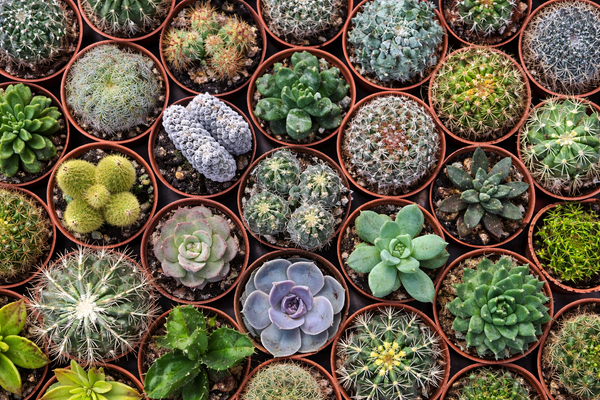 Cactus et succulentes
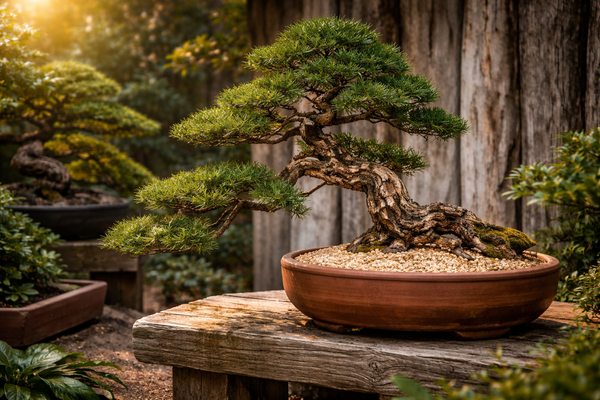 Collections spécialisées
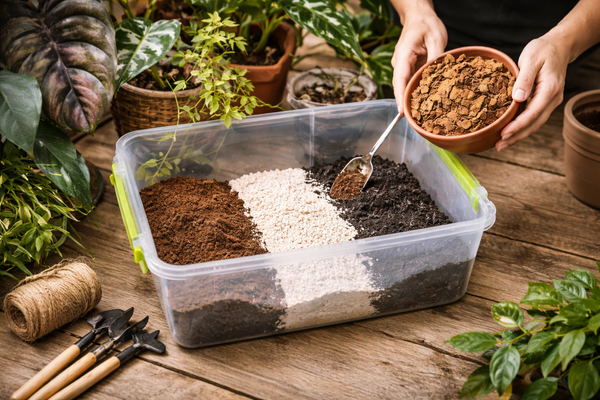 Soins et accessoires
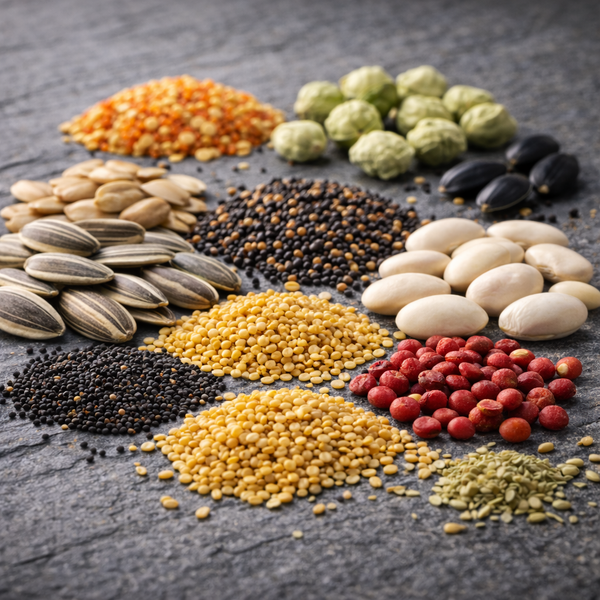 Semences
 Bulbes
 Tout pour les semis
 Pour planter les bulbes
 Semences à gazon
 Engrais pour gazon
 Tourbe et préparation
 Soins et traitements




 Outils
 Compostage et écologie