Sale
Sold out

Seed potato
Asteraceae
Jerusalem Artichoke (Helianthus)
Sunflower
The Jerusalem artichoke (Helianthus tuberosus), also called sunchoke, is a hardy perennial plant that produces beautiful yellow flowers resembling small sunflowers. But its true treasure is hidden underground: its edible tubers, with a sweet, nutty, and artichoke-like flavor. Extremely easy to grow, it adapts to various well-drained soils and returns year after year with proper care. Harvest: September - October (or in winter for a sweeter flavor). Plant height: Up to 2.5 m (8.2 ft). Plant as soon as the soil can be worked, 6 to 8 weeks before the last frost.
- Quantity
- 2 plants
- Exposure
- Sun
Discover the plant
Common nameJerusalem artichoke
FamilyAsteraceae
GenusSunflower
TypeSeed potato
Botanical nameSunflower
Jerusalem Artichoke (Helianthus). The Jerusalem artichoke is a perennial vegetable grown for its irregular tubers, which have a flavor reminiscent of artichoke. Its tall stems and yellow flowers evoke its kinship with sunflowers and add height to the vegetable garden. Choose a location where this vegetation can grow without shading lower vegetables. It can be prepared into soup, purée, or baked, depending on the textures you prefer. Brush the tubers carefully to clean their crevices. Keep the crop well-defined to locate the tubers at harvest and to monitor regrowth the following spring.
Plant the tubers in spring in loose, well-drained soil, choosing a sunny location. Reserve a space where the tall stems can develop without obscuring other vegetables in the garden. Jerusalem artichokes can regrow from tubers left in the ground: delineate the crop from the start and maintain access for harvesting. Backfill carefully after planting, then water if the soil is dry. During establishment, remove competing weeds and monitor soil moisture. If the area is exposed to wind, plan for suitable support for the stems to prevent them from toppling during the season.
Harvest the tubers when the aerial parts have finished growing, by lifting the soil with a fork rather than pulling on the stems. Handle the harvest carefully to limit damage and pick as needed when the ground remains workable. Tubers left in place can produce new plants; carefully retrieve them if you wish to move or reduce the crop. For cooking, brush the tubers, remove damaged parts, and prepare them roasted, mashed, or in soup. Their irregular shape sometimes requires meticulous cleaning. Store tubers intended for the next planting separately from those you use for meals.

Planting guide
Plant well.Grow beautifully.
Growing method
The Jerusalem artichoke (Helianthus tuberosus), also known as sunchoke, is a hardy perennial plant that produces beautiful yellow flowers resembling small sunflowers. Extremely easy to grow, it adapts to various well-drained soils and returns year after year with proper care. Plant as soon as the soil can be worked, 6 to 8 weeks before the last frost. Prefer loose, well-drained soil, but it also grows in heavier soils. Plant it in a corner of the garden or use underground barriers. For successful planting, plant the tubers 15-20 cm (6 to 8 inches) deep. Then, space each plant 50 cm (20 inches) apart to give them enough room. Water well after planting and keep the soil moist until emergence. Once established, the plant requires very little maintenance and is drought-resistant. Mulch the soil to retain moisture and limit weeds. Leave some in the ground: they will naturally grow back the following spring. In the ground: You can leave some in the ground and harvest all winter! A sweet and comforting soup, perfect for discovering this delicious root!
Soil and care
The right care,at the right time.
Watering
Water after planting if the soil is dry and maintain regular moisture until shoots appear. Once established, Jerusalem artichokes tolerate short dry spells. However, check the soil during prolonged hot weather and water at the base if the root area dries out. Water slowly without letting water stand. Mulch helps to keep the soil cool. Adjust frequency according to rainfall rather than following a fixed schedule.
Soil type
Opt for loose, well-drained soil, where water does not linger around the roots or bulbs. Check the drainage after a rain: water should be able to leave the root zone. Work the soil when it is dry to avoid compacting it. Adapt amendments to its actual texture. In containers, use appropriate potting soil and a pot with drainage holes. Keep these openings clear and prevent any water accumulation in the saucer.
Fertilization
Fertilize the plants, taking into account the richness of the soil and any previous fertilization. Soil that is regularly amended does not require the same care as potting soil used all season. If you use a fertilizer, follow its dosage and application method, without multiplying products. Avoid concentrated applications directly on the roots or storage organs. Observe the growth before re-fertilizing: adding more fertilizer does not guarantee more flowers.
Seasonal care
Plant tubers in spring in loose, well-drained soil, choosing a sunny location. Reserve a spot where the tall stalks can grow without overshadowing other vegetables in the garden. Jerusalem artichokes can regrow from tubers left in the ground: delineate the planting area from the start and maintain access for harvesting. Cover carefully after planting, then water if the soil is dry. During establishment, remove competing weeds and monitor soil moisture. If the area is exposed to wind, plan for suitable support for the stalks to prevent them from toppling during the season. Harvest tubers when the aerial parts have finished growing, by lifting the soil with a fork rather than pulling on the stalks. Handle the harvest carefully to minimize damage and pick as needed when the ground is workable. Tubers left in place can produce new plants; recover them carefully if you wish to move or reduce the crop. In the kitchen, brush the tubers, remove damaged parts, and prepare them roasted, mashed, or in soup. Their irregular shape sometimes requires thorough cleaning. Store tubers intended for the next planting separately from those you use for meals. Over the seasons, observe new shoots, soil moisture, and the condition of the stalks. A durable label helps locate the planting during its dormancy. Clean tools after cutting diseased parts and remove debris that degrades around the base of the plant.
Container growing
A garden,within reach.
Container gardening requires you to plan for the necessary root volume and the plant's final height. Choose a stable pot with drainage holes and a substrate suitable for planting. Leave enough space to respect the recommended depth and spacing, rather than crowding plants to fill the pot immediately. Place the container in the indicated exposure and regularly check for moisture, especially in hot or windy weather. A pot is more exposed to temperature variations than an in-ground planting. Therefore, plan for a wintering location from the outset that is compatible with the plant's needs and your region's climate. Plant the tubers in spring in loose, well-drained soil, choosing a sunny location. Reserve a spot where the tall stems can grow without shading other garden vegetables. Jerusalem artichokes can regrow from tubers left in the ground: delineate the growing area from the start and maintain access for harvesting. Carefully backfill after planting, then water if the soil is dry. During establishment, remove competing weeds and monitor soil moisture. If the area is exposed to wind, provide appropriate support for the stems to prevent them from toppling during the season. In winter, protect the container according to the plant's needs: its roots are more exposed to cold than if planted in the ground.

Bloom and dimensions
Its place,in your garden.
Bloom period
Jerusalem artichokes (Helianthus tuberosus), also called sunchokes, are hardy perennial plants that produce beautiful yellow flowers resembling small sunflowers. Cut the flowers after blooming to limit spontaneous spread. Leave some in the ground: they will grow back naturally the following spring. Then, peel and cut the Jerusalem artichokes and potato into pieces. Next, sauté the minced onion in butter. Then, add the vegetables and broth, then simmer for 20 minutes. Next, blend until smooth. Finally, add the cream, season, and serve hot!

Garden associations
In goodcompany.
Companion plants
To accompany Jerusalem artichokes, you can consider plants chosen for compatible sun exposure and water needs. Select neighboring varieties based on their height, flowering period, and the colors you wish to combine. Above all, ensure their sun exposure and water requirements suit the same location. Maintain enough distance so that leaves do not obscure young shoots and to allow easy access to each plant for maintenance. These combinations serve to create the garden's aesthetic; they do not guarantee protection against pests or diseases. Adjust the layout after observing one growing season.
Frequently asked questions
Your questions,answered.
How to successfully plant Jerusalem artichokes?
Plant tubers in spring in loose, well-drained soil, choosing a sunny location. Reserve a spot where the tall stalks can develop without overshadowing other vegetables in the garden. Jerusalem artichokes can regrow from tubers left in the ground: delimit the growing area from the start and maintain access for harvesting. Cover carefully after planting, then water if the soil is dry. During establishment, remove competing weeds and monitor soil moisture. If the area is exposed to wind, provide appropriate support for the stalks to prevent them from toppling over during the season.
What kind of light does Jerusalem Artichoke need?
Recommended exposure: full sun. Observe the light in your chosen location in the morning and afternoon, as the shade from trees or buildings changes throughout the day. Also consider neighboring plants: their foliage may obscure a young plant as it develops. For potted plants, place the pot where you can move it if conditions become too hot or too shady. Appropriate exposure must go hand-in-hand with suitable soil and watering. If you move a plant started indoors outdoors, gradually acclimatize it to garden conditions to avoid too abrupt a transition for young leaves.
How to adjust the irrigation?
Water according to the actual moisture level of the soil, taking into account rain, heat, and wind. Check below the surface before deciding on a new watering: soil that is dry on the surface may still be moist at the root level. Direct water to the base of the plant and let it penetrate, without keeping the plant in saturated soil. Containers generally require more frequent checks because they dry out faster. Make sure their drainage holes remain clear and empty any saucers that retain water. Also, adapt care to the plant's cycle: active growth and a dormant period do not require the same watering.
What to plan for container gardening?
Container gardening requires you to plan for the necessary root volume and the plant's final height. Choose a stable pot with drainage holes and a suitable growing medium. Leave enough space to respect the recommended depth and spacing, rather than crowding the plants to fill the pot immediately. Place the container in the recommended exposure and check for moisture regularly, especially in hot or windy weather. A pot is more exposed to temperature variations than a plant in the ground. Therefore, plan for a winter storage location from the outset that is compatible with the plant's needs and your region's climate.
What care should be planned after the growing season?
Harvest tubers when the foliage has finished growing, lifting the soil with a fork rather than pulling on the stems. Handle the harvest carefully to limit damage, and pick as needed while the ground remains workable. Tubers left in place can produce new plants; carefully remove them if you wish to relocate or reduce the crop. For cooking, brush the tubers, remove damaged parts, and prepare them roasted, mashed, or in soup. Their irregular shape sometimes requires thorough cleaning. Store tubers intended for the next planting separately from those you use for meals.
For planting your bulbs
The right extras.Right here.
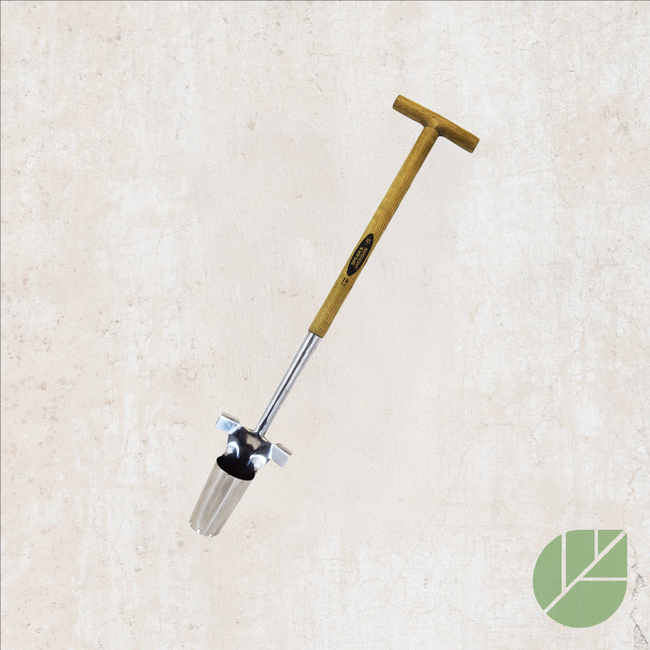
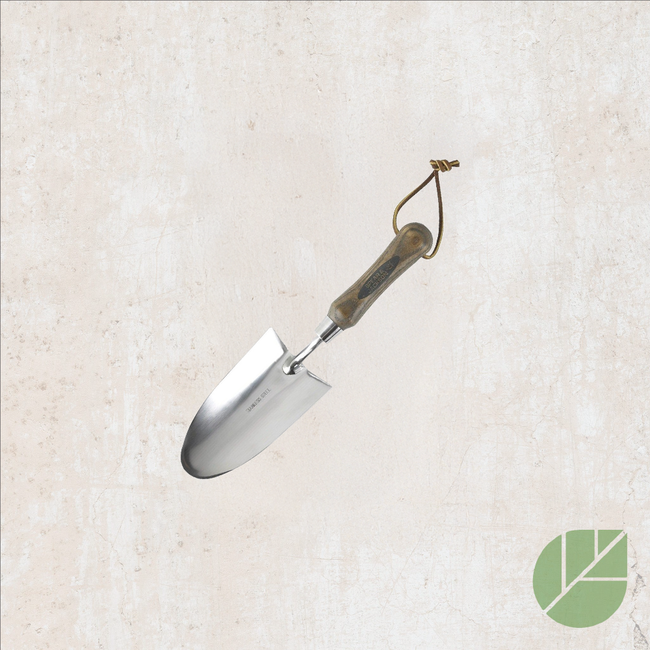
Bulb planters and planting tools
Shop the collection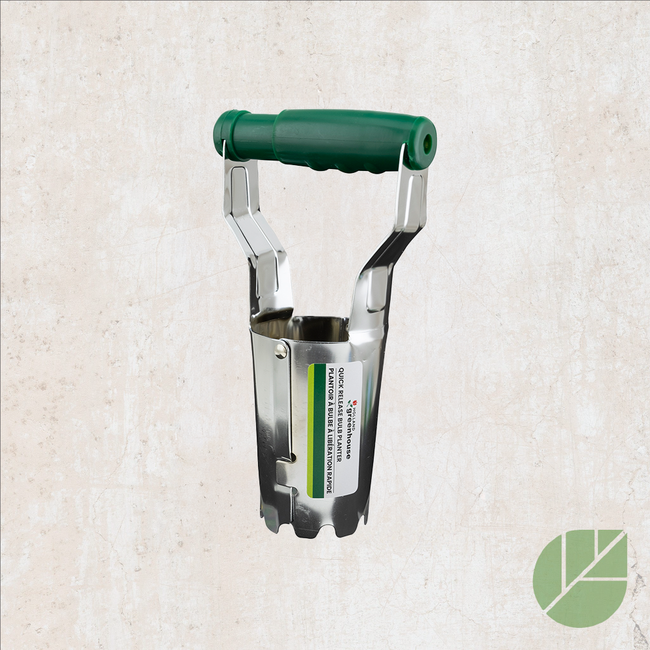
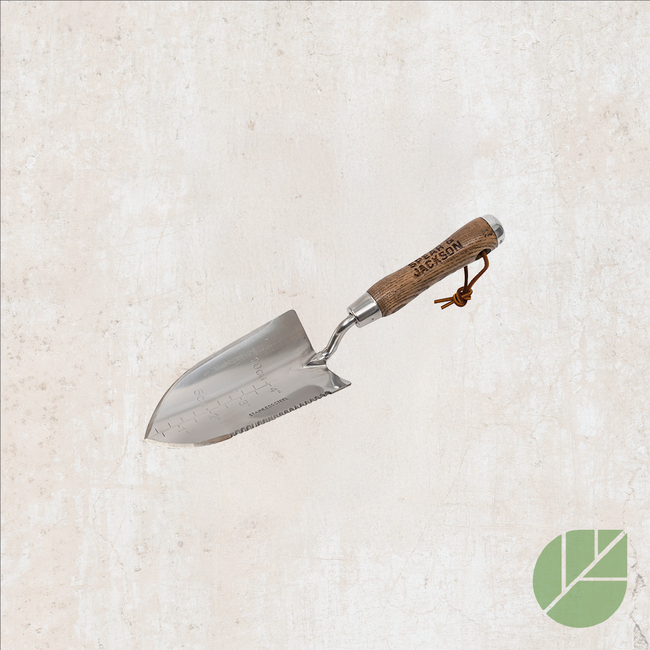
Soils and amendments for bulbs
Shop the collection