Plantes d’extérieur
Tout pour fleurir, cultiver et aménager votre jardin.


Guide scientifique Pepiniere.ca
Guide complet pour mieux comprendre la germination, la dormance, la qualité des semences, les hybrides F1, la pollinisation libre et la conservation des graines.

En horticulture, la réussite d’un semis ne dépend pas uniquement de l’arrosage ou de la température. Elle repose aussi sur la biologie de la graine, la qualité du lot de semences, la dormance, la profondeur de semis, la vigueur et les conditions de germination.
Cette page présente une lecture claire et scientifique des graines et semences afin d’améliorer la régularité de la levée, la vigueur des jeunes plants et la réussite des semis au jardin comme en production.
En botanique, la graine est une structure issue de la reproduction sexuée des plantes. Elle contient un embryon vivant, des réserves nutritives et un tégument protecteur.
En horticulture, le terme semence désigne plutôt une graine destinée au semis. Elle peut avoir été nettoyée, triée, calibrée, testée ou traitée afin d’améliorer la précision et la performance au semis.
Le fruit, quant à lui, est l’organe qui protège ou transporte les graines. Certaines structures que l’on appelle communément “graines” sont en réalité des fruits secs, des akènes ou des segments de fruits.
La graine explique le potentiel biologique. La semence explique la performance horticole. Le fruit explique parfois la forme, la dormance ou la préparation nécessaire avant le semis.
Deux lots d’une même espèce peuvent donner des résultats très différents selon leur maturité, leur conservation, leur pureté et leur vigueur.
Une graine viable contient un embryon, un tégument protecteur et des réserves énergétiques. Ces réserves peuvent être stockées dans les cotylédons ou dans l’albumen, aussi appelé endosperme.
Cette organisation influence directement la profondeur de semis. Une grosse graine riche en réserves peut généralement être semée plus profondément qu’une petite graine fine, qui doit souvent être déposée près de la surface.
Lors de la germination, des enzymes dégradent les réserves en molécules utilisables. L’embryon peut alors produire une radicule, puis une jeune plantule capable de devenir autonome.

La profondeur de semis influence l’accès à l’eau, l’oxygénation et la capacité de la plantule à émerger. Une graine semée trop profondément risque d’épuiser ses réserves avant d’atteindre la lumière.
Une règle pratique consiste à semer à une profondeur équivalente à deux ou trois fois le diamètre de la graine. Les semences très fines, comme celles de certaines fleurs et vivaces, sont souvent semées en surface.
La germination exige un contact stable entre la graine et le substrat, mais aussi de l’oxygène. Un terreau trop compact ou saturé d’eau peut ralentir la levée et favoriser la fonte des semis.

La dormance est un mécanisme qui empêche une graine viable de germer, même lorsque l’eau et la température semblent favorables. Elle protège la plante contre une germination au mauvais moment.
Certaines graines nécessitent une stratification à froid, une scarification ou des cycles de température pour lever cette dormance. C’est fréquent chez plusieurs vivaces, arbustes et espèces ligneuses.

La germination dépend de plusieurs facteurs qui agissent ensemble : l’eau, l’oxygène, la température et parfois la lumière. Une bonne température ne compense pas un substrat saturé d’eau, et une humidité stable ne suffit pas si la graine est dormante.

Une humidité stable permet l’imbibition de la graine et le redémarrage du métabolisme.
Un substrat aéré favorise la respiration de l’embryon et réduit les risques de pourriture.
Chaque espèce possède une plage optimale de température pour germer rapidement.
Certaines graines ont besoin de lumière pour germer, tandis que d’autres doivent être couvertes.
La qualité d’un lot de semences se mesure par son taux de germination, sa pureté, sa vigueur et son homogénéité. Un lot peut encore germer, mais produire une levée lente et irrégulière si sa vigueur est faible.
La vigueur dépend de la maturité à la récolte, du stockage, des blessures mécaniques et de l’intégrité du tégument. Une semence vigoureuse donne une levée plus rapide et des plantules plus robustes.

Les semences peuvent être enrobées, pelliculées, calibrées ou inoculées afin d’améliorer la précision du semis, la régularité de la levée ou l’implantation des jeunes plants.
Une couche plus épaisse uniformise la taille et facilite le semis de précision.
Un film mince améliore la manipulation ou permet de fixer un traitement de surface.
Le tri par taille favorise une levée plus régulière et une implantation homogène.
Elles sont associées à des micro-organismes bénéfiques, surtout dans le cas de certaines légumineuses.

La viabilité d’une semence diminue avec le temps. L’humidité, la chaleur et l’exposition à l’air accélèrent le vieillissement et réduisent la vigueur.
Pour la majorité des semences de jardin, un environnement frais, sec et stable est idéal. Une bonne conservation permet de maintenir une germination plus régulière d’une saison à l’autre.
Si un lot ancien germe lentement et de façon irrégulière, sa viabilité peut être partielle et sa vigueur réduite.

| Terme | Description horticole | Fonction | Avantages | Contraintes | Usage recommandé |
|---|---|---|---|---|---|
| Graine | Organe reproducteur naturel contenant un embryon vivant. | Base biologique de la plante. | Diversité et adaptation. | Dormance ou variabilité possible. | Botanique, conservation, sélection. |
| Semence | Graine destinée au semis, triée ou testée. | Levée plus prévisible. | Fiabilité et uniformité. | Qualité variable selon le lot. | Jardinage et production. |
| Hybride F1 | Croisement contrôlé de deux lignées. | Uniformité et vigueur hybride. | Rendement et régularité. | Descendance non fidèle. | Production standardisée. |
| Pollinisation libre | Fécondation naturelle. | Reproductible si isolée. | Autonomie semencière. | Risque de croisements. | Semences maison. |
| Semence biologique | Produite selon des pratiques biologiques. | Cohérence écologique. | Approche durable. | Disponibilité variable. | Jardins biologiques. |
| Semence enrobée | Couche ajoutée autour de la semence. | Uniformise la taille. | Semis précis. | Besoin d’humidité stable. | Semis mécanique. |
| Semence pelliculée | Film mince en surface. | Améliore la manipulation. | Moins de poussière. | Protection limitée. | Semis délicats. |
| Calibrée | Triée par taille. | Levée plus homogène. | Gestion simplifiée. | Coût additionnel. | Maraîchage. |
| Inoculée | Associée à des micro-organismes. | Soutient certaines symbioses. | Nutrition et implantation. | Dépend du sol. | Légumineuses. |
| Dormante | Semence viable bloquée. | Protection saisonnière. | Résilience écologique. | Levée lente. | Vivaces et arbustes. |
| Stratifiée | Dormance levée par froid humide. | Imite l’hiver. | Germination plus régulière. | Temps requis. | Vivaces et ligneux. |
| Scarifiée | Tégument abrasé ou entaillé. | Facilite l’entrée d’eau. | Germination plus rapide. | Risque d’abîmer l’embryon. | Graines dures. |
| Viable | Capable de produire une plantule normale. | Potentiel biologique. | Planification. | Invisible sans test. | Tests de germination. |
| Vigueur | Capacité à lever vite et uniformément. | Performance réelle. | Plantules plus fortes. | Diminue avec le stockage. | Production. |
| Pureté | Proportion de graines conformes dans un lot. | Réduit les surprises. | Semis plus cohérent. | Dépend du tri. | Semis précis. |
Chaque type de semence répond à un objectif technique : uniformité, précision, reproductibilité, performance ou autonomie. Comprendre ces notions permet d’améliorer la levée, la vigueur et la réussite des semis.
Pour mettre ces notions en pratique, découvrez nos semences potagères, semences de fleurs, semences biologiques et accessoires de semis.
Tout pour fleurir, cultiver et aménager votre jardin.
Une touche de nature, dans chaque pièce.
Tout pour fleurir, cultiver et aménager votre jardin.
Tout découvrir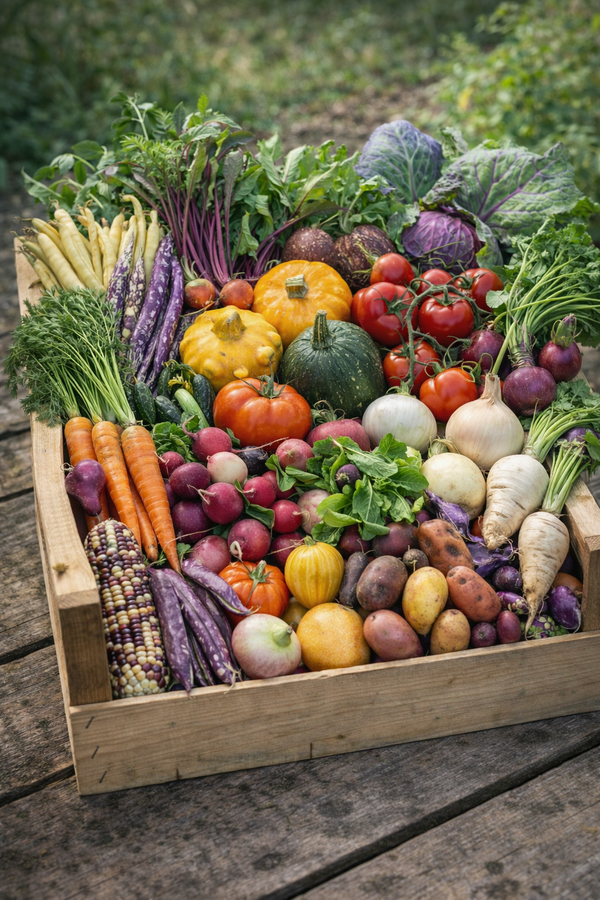 Potager et fines herbes
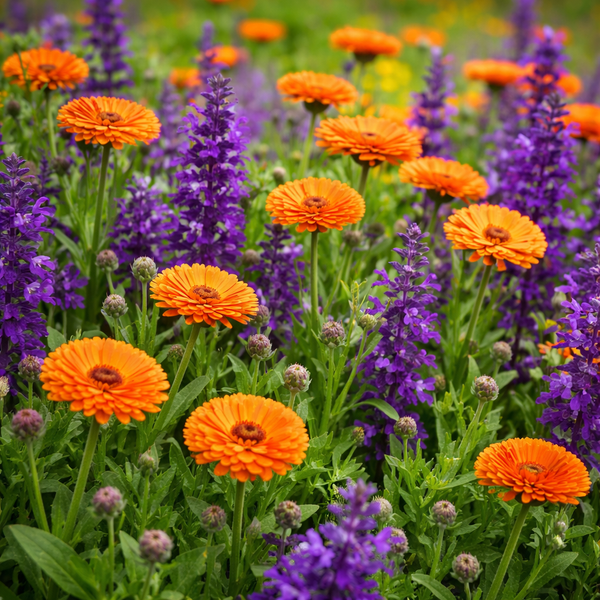 Fleurs et vivaces
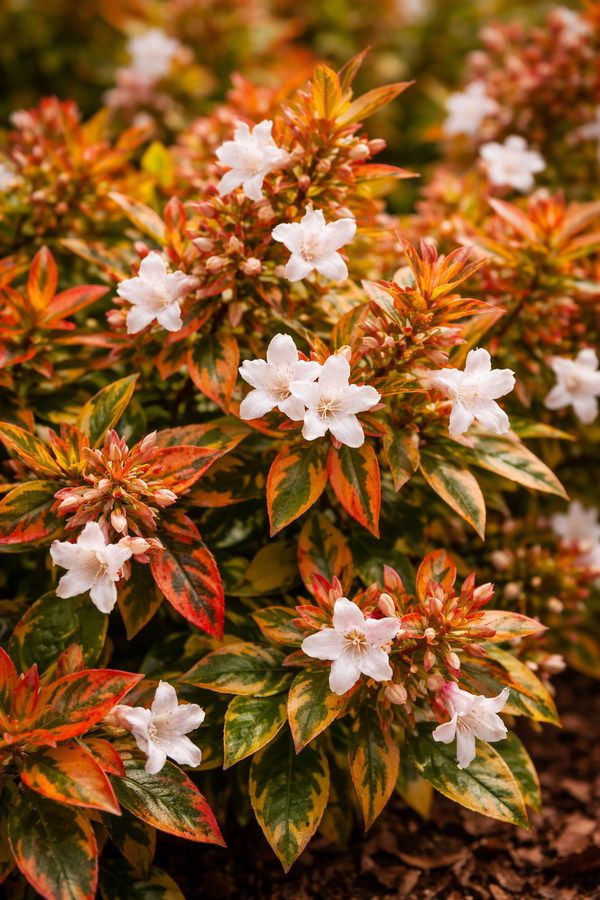 Arbres et arbustes
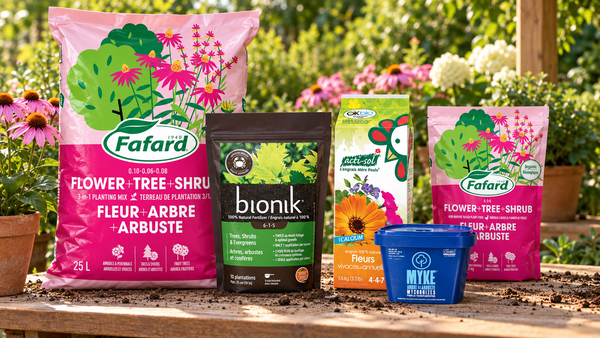 Soins et plantation
Une touche de nature, dans chaque pièce.
Tout découvrir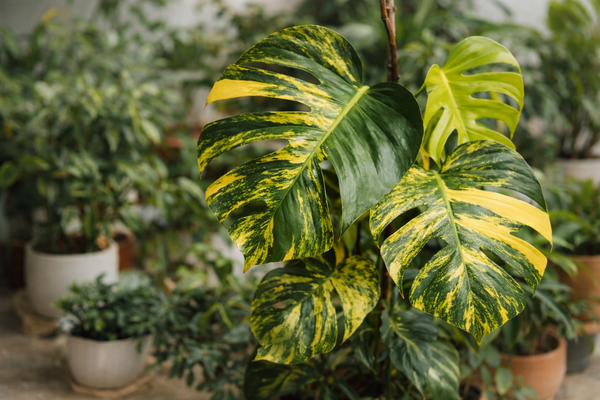 Plantes tropicales
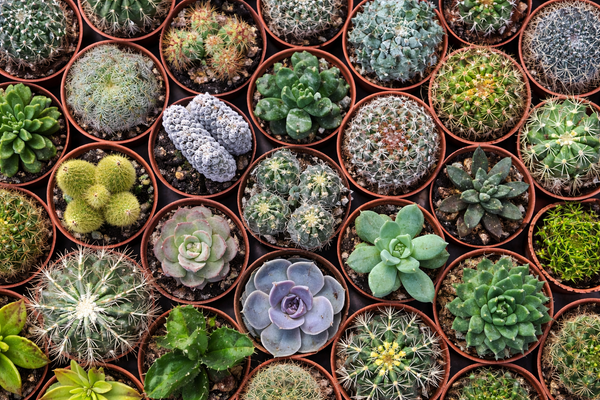 Cactus et succulentes
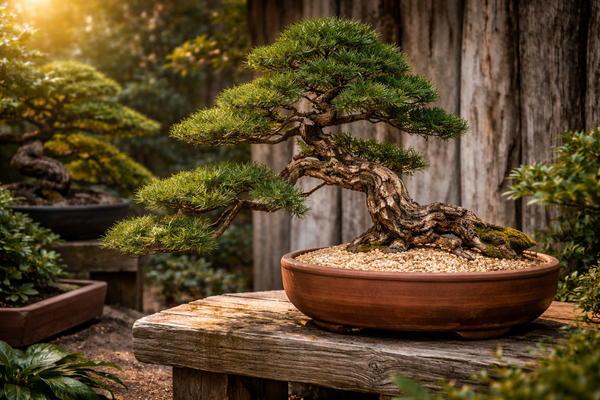 Collections spécialisées
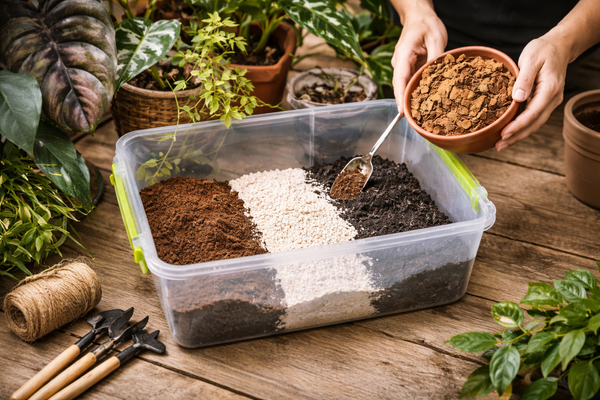 Soins et accessoires
Tout pour semer, planter et faire pousser.
Tout découvrir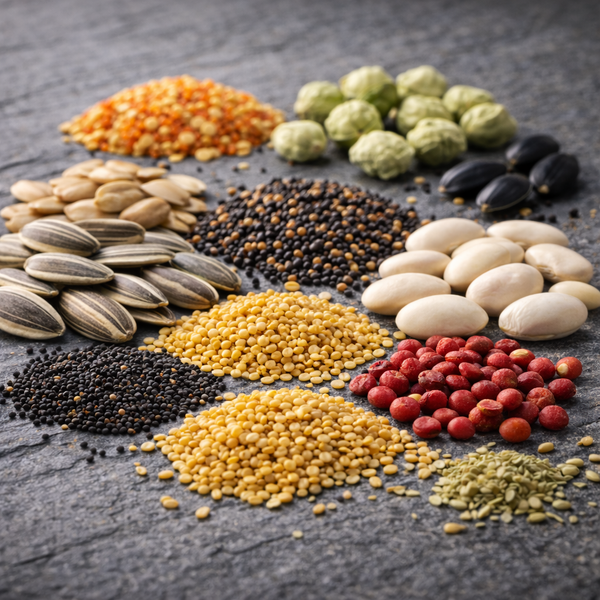 Semences
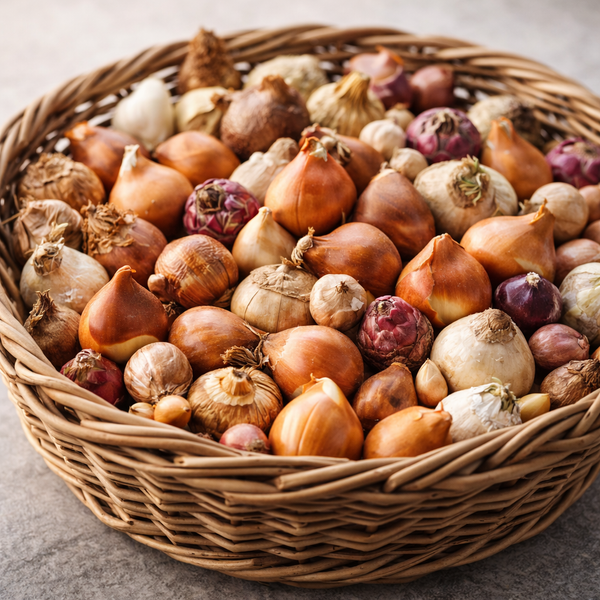 Bulbes
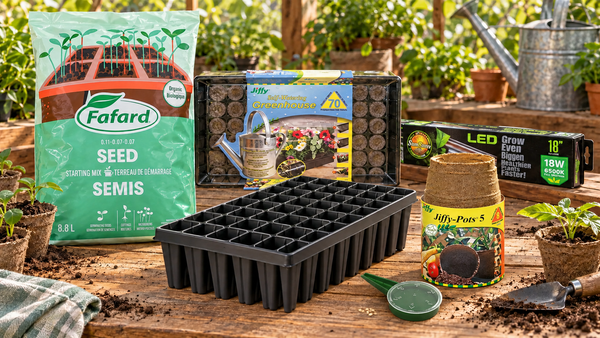 Tout pour les semis
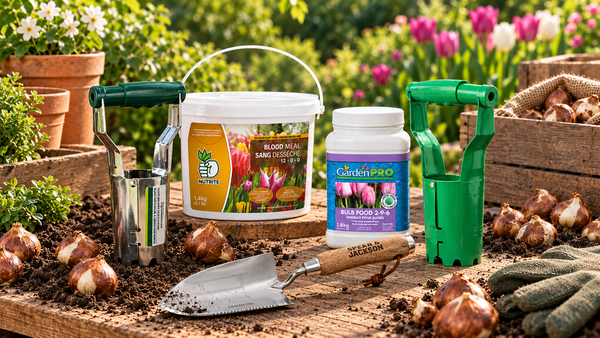 Pour planter les bulbes
Tout pour semer, nourrir et retrouver une belle pelouse.
Tout pour semer, nourrir et retrouver une belle pelouse.
Tout découvrir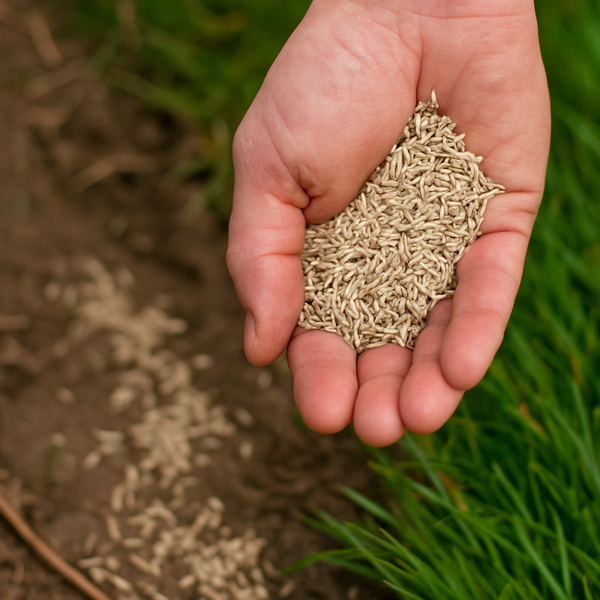 Semences à gazon
 Engrais pour gazon
 Tourbe et préparation
 Soins et traitements
Tout pour nourrir, protéger et entretenir vos plantes.
Tout pour nourrir, protéger et entretenir vos plantes.
Tout découvrir



Valide uniquement dans la succursale choisie lors de l’achat.
Choisir la carte en magasinTout pour semer, planter et faire pousser.
 Outils
 Compostage et écologie