


Plantes d’extérieur
Tout pour fleurir, cultiver et aménager votre jardin.


Planting summer bulbs in spring is one of the most effective ways to bring dramatic color and lush foliage to the garden. Dahlias, cannas, gladiolus, tuberous begonias, caladiums and other underground treasures grow quickly once the soil warms and can transform beds, containers and landscapes throughout the warm season.
When spring arrives, it is the perfect time to prepare for the spectacular blooms of summer. Dahlias, cannas, tuberous begonias, gladiolus, lilies, caladiums and other underground treasures allow gardeners to create lush beds, dramatic containers and vibrant landscapes. Despite their very different appearances, these plants share one key characteristic: they store energy in underground structures that help them grow quickly and bloom abundantly throughout the warm season.
Planting summer bulbs, rhizomes and tubers in spring produces extended flowering, tropical foliage and intense colour just as the garden reaches its peak. Many of these plants are sensitive to cold and should be planted once the soil has warmed. With proper soil preparation, balanced fertilization and regular care, they become some of the most spectacular plants in a summer garden.


When to plant, which varieties to choose, how to combine them in the garden, what soil amendments to use, how to water, fertilize, stake and store bulbs for the following season.

Sunny beds, borders, large containers, tropical plantings, cut flower gardens, partial shade areas and layered garden designs rich in colour and texture.
The most important rule is simple: summer bulbs, rhizomes and tubers should be planted once the risk of hard frost has passed and the soil has started to warm up. Many gardeners make the mistake of planting too early in soil that is still cold and waterlogged. The result is often slow growth, occasional rot and a disappointing start to the season. Cold soil especially slows down cannas, caladiums, elephant ears and several heat-loving tubers.
In climates like southern Quebec, most outdoor plantings typically occur between mid-May and early June depending on weather conditions, exposure and the actual soil temperature. Hardier species such as certain lilies or gladiolus can be planted a little earlier if drainage is excellent. Tropical plants and lush foliage species benefit from waiting until the soil is noticeably warm. For earlier blooms, some tubers like dahlias and tuberous begonias can also be started indoors a few weeks before planting outside.

Prepare planting areas, improve drainage, enrich the soil, clean containers and start heat-loving plants indoors.
Plant dahlias, cannas, tuberous begonias, caladiums, colocasias and other tender plants once the soil is no longer cold.
Gladiolus can be planted in several waves to extend flowering and enjoy cut flowers for a longer period.
In everyday gardening language, the term “summer bulbs” is often used to describe a large group of plants with underground storage organs. In reality, not all of them are true bulbs. Some grow from rhizomes, others from tubers or corms. This distinction is not only botanical: it influences planting depth, orientation, winter storage and sometimes watering requirements.

They are usually planted with the pointed end facing upward in well-drained soil.

They spread horizontally and often produce strong, vigorous growth.

They are fleshy storage organs rich in energy and start quickly once warmth arrives.
For a very floriferous garden, dahlias remain among the most visually rewarding plants. For a tropical look, cannas, colocasias and caladiums dominate. For cut flowers, gladiolus are excellent choices. For elegant corners or luminous containers, tuberous begonias and certain lilies bring remarkable refinement. By combining several categories, it becomes easy to create continuous interest from early summer until the first autumn frosts.
Summer bulbs, rhizomes and tubers occupy a unique place in garden design. Unlike many perennial plants that sometimes require one or two seasons before reaching their full potential, these plants already contain a concentrated reserve of energy stored in their underground structures. Once planted, this energy supports rapid growth, vigorous foliage and often spectacular flowering.
This rapid development can transform a planting space in just a few weeks. Garden beds quickly gain volume, foliage becomes lush and flowers immediately attract attention. For gardeners who want strong visual impact during the very first season, summer bulbs are among the most effective and rewarding choices.
Their diversity also allows gardeners to create many different styles. Cannas and colocasias bring a lush tropical atmosphere. Dahlias offer an extraordinary range of flower shapes, from decorative forms to cactus or pompon types. Gladiolus provide elegant vertical lines and are highly valued for cut flowers. Tuberous begonias brighten shaded areas with generous, colourful blooms.

Because energy is already stored inside the bulb or tuber, plants start quickly and produce strong stems, dense foliage and abundant flowers.
From tropical foliage to giant blooms, summer bulbs allow gardeners to create a wide variety of decorative styles.
They integrate easily into garden beds, borders, large containers, patios and structured landscape designs.
Many species can be lifted in autumn, stored over winter and replanted the following spring for another season of growth.
Planting summer bulbs, rhizomes and tubers in spring is a way of preparing in advance for the most spectacular moments of the gardening season. With well-drained soil, proper timing, moderate additions of compost and suitable fertilizers, followed by regular care, these plants quickly become the focal points of the garden. They bring height, texture, abundance and vibrant color wherever a strong visual impact is desired.
Whether the goal is a lush patio, a vibrant flower bed, tropical containers or a productive cutting garden, these plantings offer remarkable flexibility. When chosen carefully and maintained well, they create a season that feels generous, colourful and visually memorable.
Success starts with the soil. Summer bulbs, rhizomes and tubers generally dislike compact soils that stay saturated with water. Before thinking about fertilization, it is essential to loosen the planting area and improve drainage. A rich, light and well-structured soil allows roots to establish quickly and greatly reduces the risk of rot.
Le compost bien mûr est souvent la meilleure base pour préparer le sol. Ce compost marin et forestier améliore la structure de la terre, augmente l’activité biologique et aide à maintenir une humidité plus régulière. Il favorise l’enracinement rapide et crée un environnement riche pour les bulbes, les vivaces et les plantes ornementales.
La farine d’os est un fertilisant naturel riche en phosphore qui stimule le développement des racines. Incorporée dans la zone de plantation, elle favorise l’installation rapide des bulbes, rhizomes et tubercules. Son action lente soutient la croissance des plantes tout au long de la saison.
Le sang desséché est une source naturelle d’azote rapidement assimilable. Il stimule la croissance du feuillage et soutient la vigueur des plantes gourmandes comme les dahlias et les cannas. Utilisé avec modération, il apporte un bon coup de départ aux plantations printanières.
Le transplanteur Acti-Sol est un engrais naturel à base de fumier de poule composté enrichi d’os moulu. Sa formulation 4-10-2 est particulièrement adaptée à la plantation des bulbes, vivaces et arbustes car elle stimule fortement le développement des racines et favorise une reprise vigoureuse.
Dans la majorité des cas, la meilleure approche consiste à préparer un sol riche avec compost, puis à compléter avec un apport modéré d'engrais naturels. La farine d’os soutient l’enracinement tandis que le sang desséché et les fertilisants organiques comme Acti-Sol stimulent la vigueur et la croissance des plantes.
The exact method depends on the type of underground structure, but several principles always apply. The soil should be loose, well drained and warmed by spring temperatures. The bulb, rhizome or tuber should be firm, healthy and free from mold or serious damage. When visible, always respect the natural orientation: the pointed side upward for many bulbs and corms, the eye or growth bud upward for tubers when identifiable, and rhizomes placed naturally according to their growth direction.
Planting depth varies depending on the species. Gladiolus are planted deeper than tuberous begonias, while many dahlias are simply covered with a few centimeters of soil once the crown is identified. It is always best to follow the recommended depth for the specific plant, but in general avoid burying heat-loving structures too deeply or planting large bulbs too close to the surface where they may become unstable.
Break up compact soil to a good depth and incorporate compost or high-quality planting soil.
Respect the natural orientation of the bulb, tuber or rhizome and avoid forcing uncertain directions.
Add the appropriate amount of soil and water lightly so the soil settles around the storage organ.
Leave enough room for air circulation, sunlight and the mature size of each plant.
Once planted, summer bulbs, rhizomes and tubers mainly require consistency. The goal is not excessive watering but watering at the right time. Early in the season, while growth has not yet fully started, watering should remain moderate to avoid saturating an inactive bulb or tuber. As soon as shoots emerge and growth accelerates, water needs increase, especially in containers, in full sun or during hot periods.
Highly floriferous plants and those with large foliage are also heavy feeders. Light but consistent fertilization usually produces better results than a single heavy application. Tall stems may require staking, especially with certain dahlias and gladiolus exposed to wind. Finally, regularly removing faded flowers helps extend blooming and keeps the planting looking tidy.
Water deeply, then allow the soil surface to dry slightly before watering again. Container plants require closer monitoring. Cannas prefer consistently moist soil, while dahlias tolerate slightly drier intervals. Tuberous begonias enjoy steady moisture without waterlogging. Caladiums and colocasias appreciate warmth and a reliable water supply once growth is active.
After plants are established, apply a balanced fertilizer or one slightly higher in potassium to support flowering. Vigorous plants such as dahlias and cannas benefit from regular feeding, especially in containers. Avoid excessive nitrogen if the goal is abundant flowering rather than excessive foliage growth.
Install stakes early to avoid damaging tubers or rhizomes later in the season. Removing faded flowers encourages continued blooming. Also remove damaged or diseased leaves to improve air circulation and maintain the appearance of the planting.
Observe plant vigor, foliage color and stem strength. Yellowing leaves may indicate excess water, nutrient deficiency or soil that was too cold during early growth. Very leafy growth with few flowers can reveal excessive nitrogen fertilization.
In Quebec, the best time to plant summer bulbs, rhizomes and tubers depends not only on the calendar but also on the region, altitude, wind exposure, proximity to water and the actual warming of the soil. Two gardens located in the same administrative region can therefore behave quite differently. The most reliable guideline remains the same: wait until the risk of significant frost has passed and the soil has warmed enough to support active growth.

Reference map of Quebec administrative regions to help identify spring planting periods.
These timeframes are approximate and mainly help distinguish earlier regions from colder or later sectors. For plants sensitive to cold, it is always safer to wait a few extra days rather than plant too early, especially in low areas, heavy soils, windy corridors or wet spring sites.
Planting often becomes possible earlier, especially in urban and protected environments.
In these areas, spring warmth often arrives earlier. However, clay soils or poorly drained sites can still delay planting. Locations near walls, buildings or mineral surfaces usually warm faster.
Wait for soil that has dried properly and more stable warmth before planting tender species.
In these regions, early planting works best in protected microclimates. Tuberous begonias and other moisture-sensitive plants often perform better when started indoors or planted in well-drained soil.
Patience is often the best strategy to avoid slow starts, rot and cold damage.
In several of these regions, spring coolness can persist for a long time. In exposed areas, higher elevations or northern zones, planting may need to be delayed further. Starting plants in containers or trays indoors becomes especially useful.
Simple guideline by plant type: lilies and many gladiolus can often be planted first if the soil drains well; dahlias follow once the soil becomes warmer; cannas, caladiums, elephant ears and other tropical plants should be planted during the warmest part of spring. When in doubt, delaying planting slightly is always safer than planting tender plants in cold soil.
Many summer bulbs, rhizomes and tubers grown in northern gardens are sensitive to cold temperatures. In autumn, after the first cool nights and before a prolonged hard frost, they often need to be lifted from the soil and stored indoors for the winter. This is particularly true for many dahlias, cannas, caladiums, gladiolus and other tender structures. Proper storage allows them to be replanted the following year and helps preserve the value of the plants.
After lifting them from the soil, the underground structures are usually left to dry in a well-ventilated location away from direct sunlight before being stored. They are then kept in a cool environment that is dry or slightly ventilated depending on the species. It is important to check them periodically to ensure they do not rot, dry excessively or begin sprouting too early.

Successful winter storage begins with proper labeling. Identifying each variety when lifting the plants avoids confusion the following spring, especially with dahlias, cannas and collections grown for cut flowers.
Tout pour fleurir, cultiver et aménager votre jardin.
Une touche de nature, dans chaque pièce.
Tout pour fleurir, cultiver et aménager votre jardin.
Tout découvrir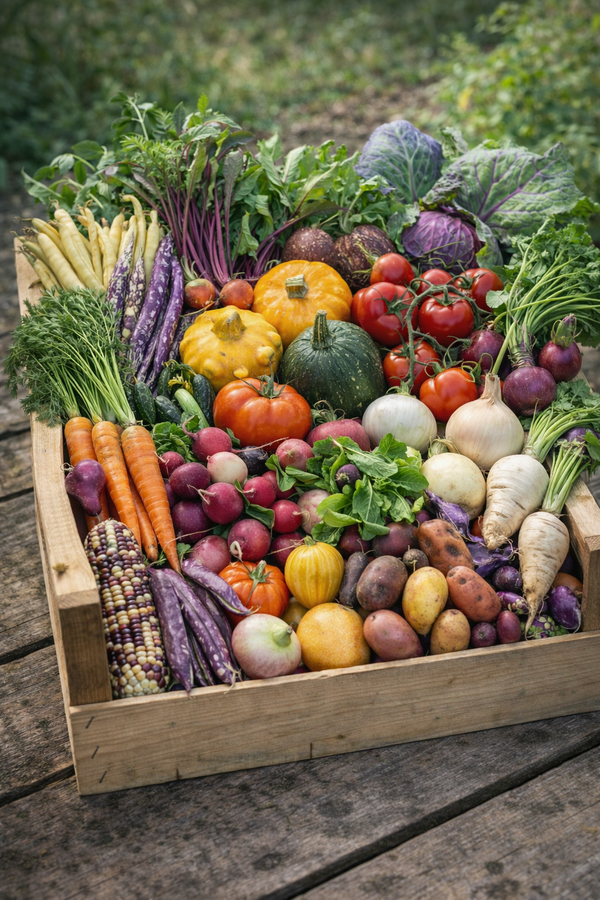 Potager et fines herbes
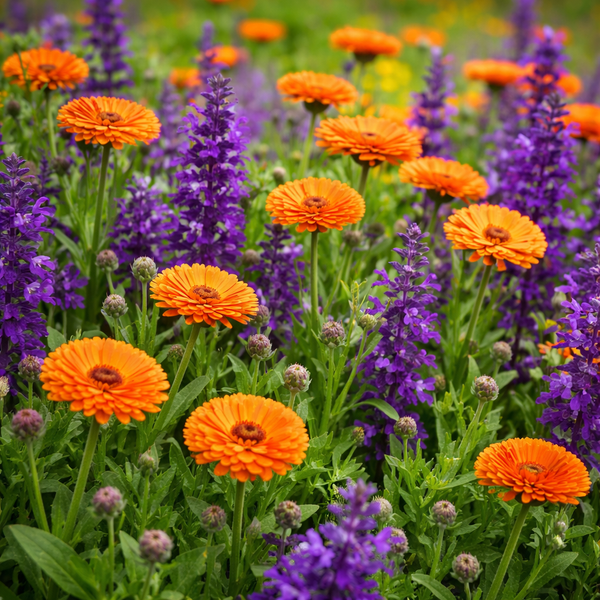 Fleurs et vivaces
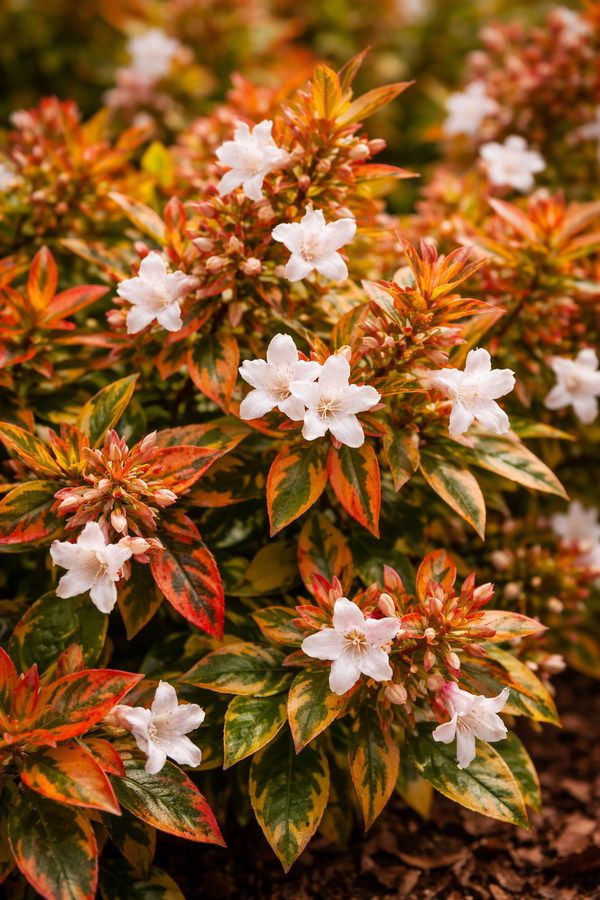 Arbres et arbustes
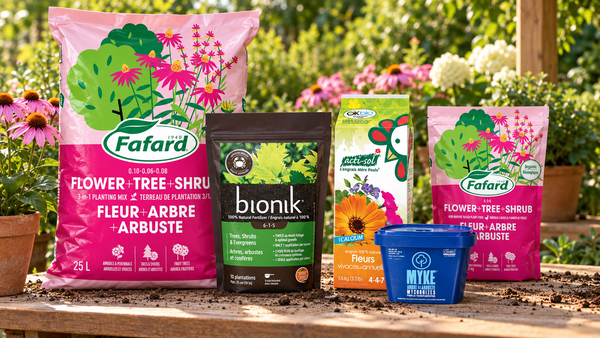 Soins et plantation
Une touche de nature, dans chaque pièce.
Tout découvrir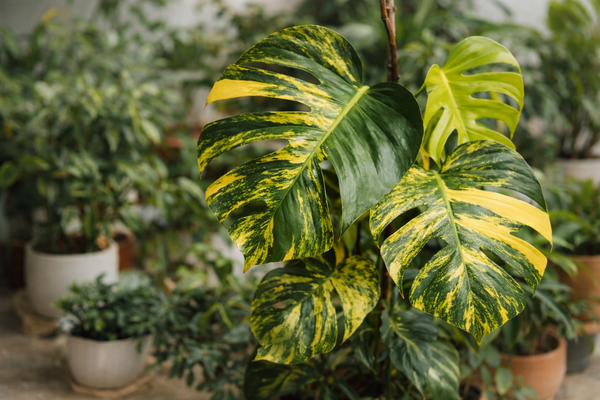 Plantes tropicales
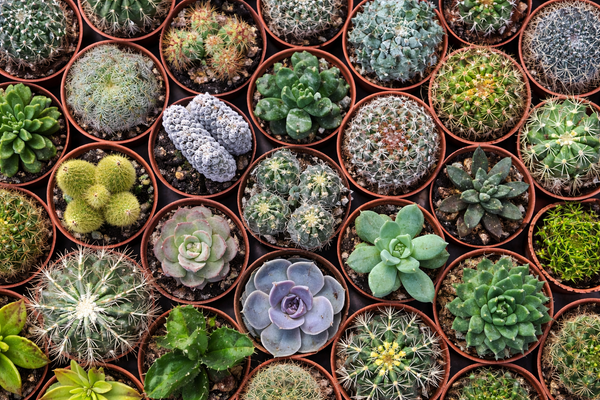 Cactus et succulentes
 Collections spécialisées
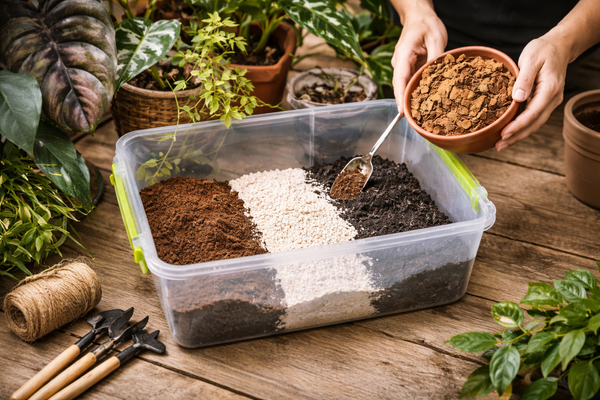 Soins et accessoires
Tout pour semer, planter et faire pousser.
Tout découvrir Semences
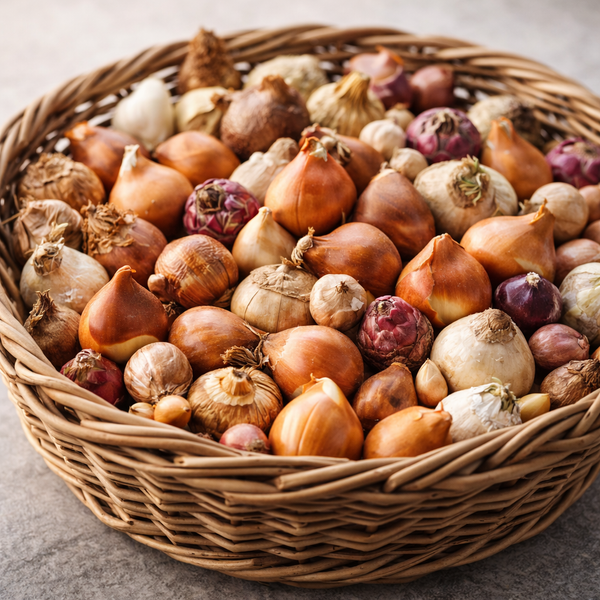 Bulbes
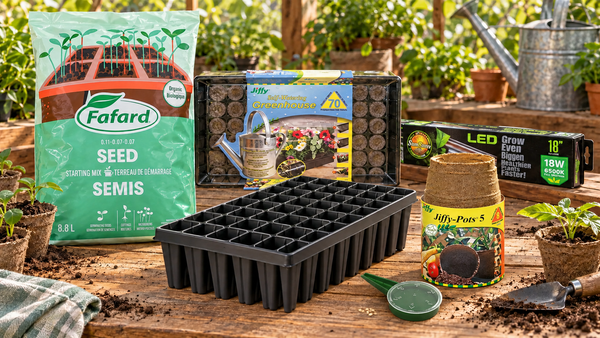 Tout pour les semis
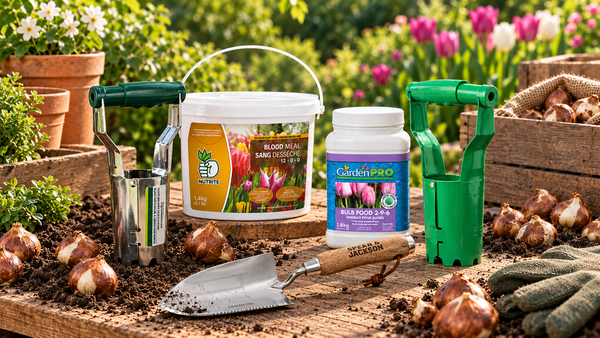 Pour planter les bulbes
Tout pour semer, nourrir et retrouver une belle pelouse.
Tout pour semer, nourrir et retrouver une belle pelouse.
Tout découvrir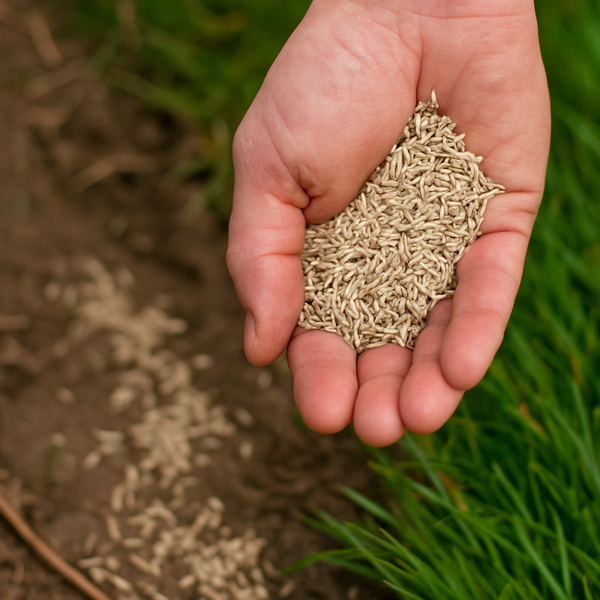 Semences à gazon
 Engrais pour gazon
 Tourbe et préparation
 Soins et traitements
Tout pour nourrir, protéger et entretenir vos plantes.
Tout pour nourrir, protéger et entretenir vos plantes.
Tout découvrir



Valide uniquement dans la succursale choisie lors de l’achat.
Choisir la carte en magasinTout pour semer, planter et faire pousser.
 Outils
 Compostage et écologie