


Soil structure
Marine and Forest Compost 0.6-1.8-0.13 Bionik
A strong base for improving soil texture, biological activity and moisture balance before planting fall bulbs.
View product

Planting fall bulbs is an investment in the future. Beneath the still-warm soil, they quietly establish roots, rest through winter, then create one of the most beautiful moments in the garden: the first blooms of spring. Tulips, daffodils, alliums, crocuses, muscari and hyacinths each bring their own signature of color, fragrance, height and texture.
With a few good practices, such as proper planting depth, good drainage and the right location, fall bulbs can create dense flower beds, natural-looking borders and reliable spring displays year after year.
Shop fall bulbs
Fall bulbs are planted while the soil is still workable, before the deep cold settles in. Tulips, daffodils, alliums, crocuses, muscari and hyacinths quietly root beneath the surface, then return with some of the first colours of spring.
They are simple to plant, easy to combine and perfect for creating flower beds, borders, containers and natural-looking spring displays. With good drainage, proper depth and the right location, they offer a spectacular effect with very little maintenance.
When to plant, which bulbs to choose, how deep to plant them and how to create a natural spring effect.
Flower beds, borders, containers, naturalized lawns, woodland edges and layered plantings with perennials.
The bulbs need a cold period to trigger strong rooting and abundant blooms when spring returns.
Fall bulbs are planted when the soil begins to cool down, but before it freezes deeply. This timing allows bulbs to establish roots before winter and produce a beautiful spring display once the garden wakes up again.

Planting too early, while the soil is still warm, can encourage premature growth before winter. Planting too late can prevent bulbs from developing enough roots before the cold settles in.
In climates like southern Quebec, most fall bulbs are generally planted from late September through November, depending on the weather and soil conditions.
Wait until summer heat has passed and the soil has become noticeably cooler.
Choose an area where water does not accumulate, especially during fall rains and spring thaw.
Plant before the ground freezes deeply so the bulbs can settle and begin rooting.
Tulips, daffodils, crocus, hyacinths and alliums are among the most popular fall-planted bulbs. They are planted in autumn so they can go through winter naturally and bloom the following spring.
For the best effect, plant bulbs in groups rather than single rows. This creates a fuller, more natural look in flower beds, borders and containers.

A simple planting schedule helps bulbs establish properly and perform beautifully the following season.
Prepare the planting area, improve drainage and plan your bulb groupings.
Plant tulips, daffodils, crocus, hyacinths and alliums once the soil has cooled.
Finish planting before deep frost, then water lightly to help bulbs settle in.
Fall bulbs are planted before winter so they can root in cool soil and bloom the following spring. These bulbs stay dormant through the cold months, then emerge when temperatures rise. Tulips, daffodils, crocus, hyacinths, alliums and other spring-flowering bulbs are some of the easiest ways to prepare a colorful garden in advance.

These are the most popular fall-planted bulbs for colorful spring flower beds.

These bulbs are excellent for creating a more natural look and can return year after year in the right conditions.

These varieties add height, structure and a more dramatic effect to spring plantings.
For the best spring display, combine several types of fall bulbs. Crocus and muscari bring the first touches of color early in the season, daffodils add brightness and reliability, while tulips and alliums create a stronger visual impact later in spring. By mixing heights, bloom times and flower shapes, it becomes easy to create a layered, generous and long-lasting spring garden.
Fall bulbs hold a special place in the garden because they allow you to prepare spring color months in advance. Planted before winter, they quietly develop roots in cool soil, then emerge when the garden begins to wake up again. This makes them one of the simplest and most rewarding ways to create a spectacular spring display.
Their effect is often striking because they appear early, before many perennials and shrubs have fully started growing. Crocus can bring the first touches of color, daffodils add brightness and reliability, while tulips create generous waves of flowers in countless colors and shapes. Alliums, hyacinths, muscari and other spring bulbs add texture, fragrance, height and rhythm to the garden.
Fall bulbs are also very versatile. They can be planted in flower beds, borders, under deciduous trees, along pathways, near entrances or in containers. By combining different bloom times, heights and flower forms, it becomes easy to build a layered spring garden that evolves naturally over several weeks.

Fall bulbs are among the first plants to bloom, bringing color back to the garden before many perennials have started growing.
They require little effort in fall and reward the gardener with generous blooms the following spring.
Tulips, daffodils, crocus, hyacinths, alliums and muscari offer a wide range of colors, heights and flower shapes.
Planted in groups, fall bulbs create abundant spring displays in beds, borders, containers and entrance areas.
Planting fall bulbs is one of the simplest ways to prepare a colorful and memorable spring garden. With well-drained soil, the right planting depth and a good planting window before deep frost, tulips, daffodils, crocus, hyacinths, alliums and other spring-flowering bulbs can establish quietly through the cold season and return with a beautiful display when the garden wakes up.
Whether the goal is a bright flower bed, a welcoming entrance, a naturalized area or a few seasonal containers, fall bulbs offer remarkable impact with very little effort. Planted in groups and combined by height, bloom time and color, they create a spring scene that feels generous, layered and full of life.
Planting fall bulbs does not require using several products at once. The best approach is simple: choose one compost to improve the soil, then add one rooting or planting support product if needed. This combination is enough in most cases to prepare a healthy planting zone for tulips, daffodils, crocus, hyacinths, alliums and other spring-flowering bulbs.
Before planting, loosen the soil deeply and correct areas that stay too compact or too wet. A good compost improves soil structure, supports drainage and helps bulbs settle properly before winter.
For an effective planting, choose one compost, then add either bone meal, a transplanter fertilizer or mycorrhizae. There is no need to use everything together. The right choice depends on the soil, the planting area and the level of root support desired.
A strong base for improving soil texture, biological activity and moisture balance before planting fall bulbs.
View product
A natural phosphorus-rich amendment that supports root development when incorporated into the planting zone.
View product
A biological inoculant that supports root activity, water and nutrient absorption when placed in direct contact with roots or the planting zone.
View product
A natural planting fertilizer with bone meal that supports root establishment for bulbs, perennials and ornamental plantings.
View product
A natural nitrogen source to use carefully around established ornamental plantings when foliage growth needs support.
View productFor fall bulbs, the most important goal is to create the right rooting environment before winter. Compost improves the soil, bone meal and transplanter fertilizer support root development, and mycorrhizae can help biological activity when applied properly. Nitrogen-rich products should stay secondary and be used with moderation depending on the surrounding plants and the condition of the bed.
Fall bulbs do not need complicated care once they are planted. Their success comes mostly from good timing, well-drained soil and letting them follow their natural cycle through winter.
After planting, the goal is simple: settle the soil, avoid excess water and leave the bulbs undisturbed until spring.

Water once after planting to settle the soil around the bulbs. After that, avoid keeping the area constantly wet, especially in heavy soil.
Once the ground cools, the bulbs begin their natural cycle below the surface. Avoid digging, moving or disturbing the planting area.
In very exposed areas, a light layer of mulch can help stabilize soil temperature. Do not apply a thick, wet layer that could trap too much moisture.
After flowering, leave the leaves in place until they yellow naturally. This allows the bulbs to rebuild their reserves for the next season.
Fall bulbs are at their best when they are planted well, then left alone. With minimal care and good drainage, they return months later with the color, movement and abundance that make spring feel alive again.
In Quebec, fall bulbs are planted when the soil has cooled down, but before it freezes deeply. The exact timing changes depending on altitude, exposure, urban heat, soil drainage and how quickly autumn temperatures arrive.
The goal is to plant when the soil is cool and still workable, giving bulbs enough time to root before winter without encouraging too much above-ground growth.

Reference map of Quebec administrative regions to help identify approximate fall bulb planting periods.
These areas usually stay workable later into fall. Plant when nights are cooler and the soil has lost its summer warmth, before repeated hard frosts make planting difficult.
In these regions, autumn cooling usually arrives earlier. Plant once the soil is fresh, while still leaving enough time for roots to form before winter settles in.
Where frost arrives earlier or the soil cools quickly, planting should happen sooner. Bulbs still need workable soil and enough time to start rooting before deep frost.
For fall bulbs, the best signal is the soil itself: cool, workable and not frozen. Planting too early in warm soil can trigger unwanted growth, while planting too late may reduce rooting time before winter.
Fall bulbs are planted before winter, but their real cycle continues well after the spring flowers appear. Once tulips, daffodils, crocus, hyacinths and alliums have bloomed, the most important step is to let the foliage remain in place. The leaves continue to photosynthesize and send energy back into the bulb for the following season.
Cutting the foliage too early weakens the bulb and can reduce flowering the next year. It is better to remove only faded flowers, then allow the leaves to yellow naturally before cleaning the planting area. This simple habit helps the bulbs rebuild their reserves and return stronger when conditions are right.

Some bulbs, such as daffodils, crocus, muscari and certain botanical tulips, can naturalize and return year after year when planted in the right conditions. Others, especially many large hybrid tulips, may bloom beautifully the first spring but become less vigorous over time. In both cases, good drainage, healthy foliage after bloom and minimal disturbance give them the best chance to perform again.
Explore other articles designed to deepen your knowledge, clarify your practices and guide you towards informed choices in the garden.
Each reading brings you closer to a more controlled and confident gardening experience.
Tout pour fleurir, cultiver et aménager votre jardin.
Une touche de nature, dans chaque pièce.
Tout pour fleurir, cultiver et aménager votre jardin.
Tout découvrir Potager et fines herbes
 Fleurs et vivaces
 Arbres et arbustes
 Soins et plantation
Une touche de nature, dans chaque pièce.
Tout découvrir Plantes tropicales
 Cactus et succulentes
 Collections spécialisées
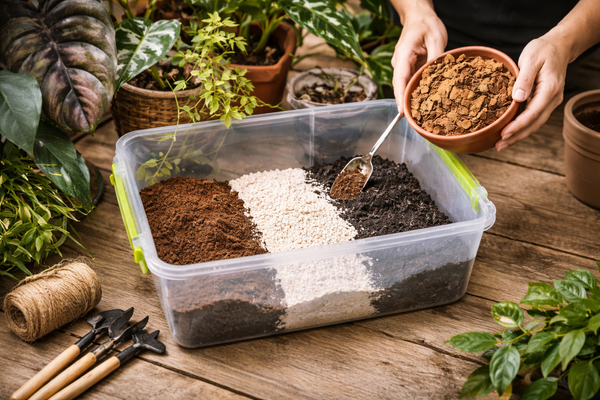 Soins et accessoires
Tout pour semer, planter et faire pousser.
Tout découvrir Semences
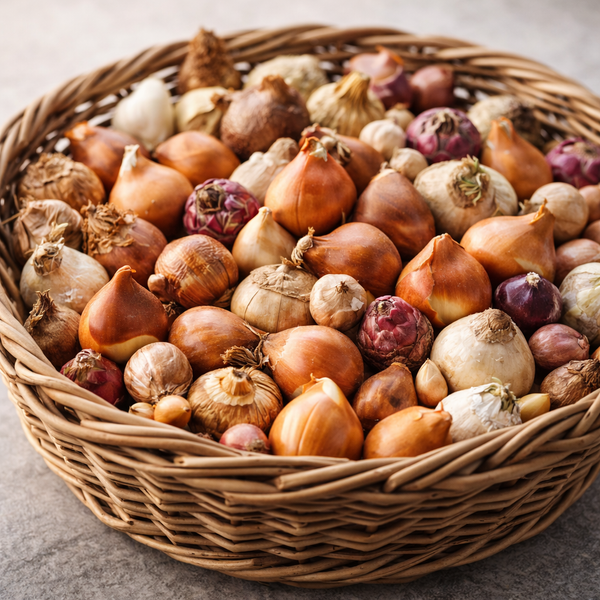 Bulbes
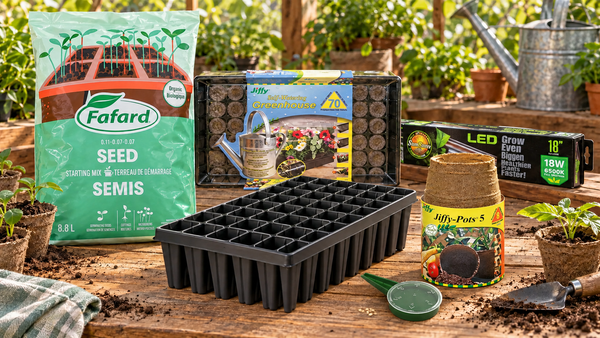 Tout pour les semis
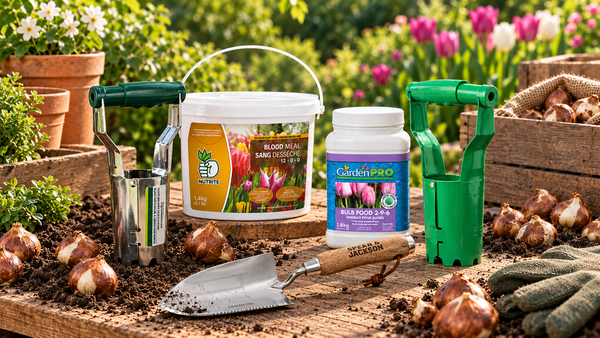 Pour planter les bulbes
Tout pour semer, nourrir et retrouver une belle pelouse.
Tout pour semer, nourrir et retrouver une belle pelouse.
Tout découvrir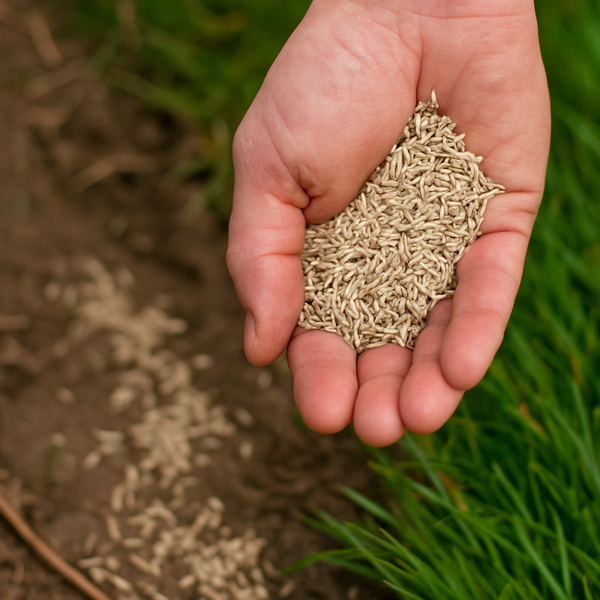 Semences à gazon
 Engrais pour gazon
 Tourbe et préparation
 Soins et traitements
Tout pour nourrir, protéger et entretenir vos plantes.
Tout pour nourrir, protéger et entretenir vos plantes.
Tout découvrir



Valide uniquement dans la succursale choisie lors de l’achat.
Choisir la carte en magasinTout pour semer, planter et faire pousser.


 Outils
 Compostage et écologie
How to Plant Fall Bulbs Properly
Fall bulbs are simple to plant, but the right method makes a big difference in spring. The soil should be loose, cool and well drained, without remaining saturated after rain. Each bulb should be firm, healthy and planted at the proper depth so it can root before winter.
As a general rule, most spring-flowering bulbs are planted about two to three times as deep as their height. The pointed end usually faces upward, while the flatter or root side sits at the bottom. Once planted, a light watering helps settle the soil around the bulb without soaking it excessively.
Prepare the Soil
Loosen the planting area deeply and improve heavy or compact soil with compost before placing the bulbs.
Check the Depth
Plant most bulbs at a depth equal to about two to three times their height, depending on the variety.
Place the Bulb
Position the pointed side upward when visible, then cover gently with loose soil.
Water Lightly
Water after planting to settle the soil, then let the bulbs root naturally before winter.
Simple and effective
For the best spring effect, plant bulbs in groups rather than isolated rows. Mixing tulips, daffodils, crocus, hyacinths and alliums creates a more natural, generous and layered bloom sequence.