Houseplants and pets: coexisting safely
Houseplants transform a living space. They purify the air, structure the decor, and bring an essential natural dimension. However, when sharing a home with a cat or dog, certain species can pose a real risk.
Toxicity isn't limited to massive ingestion. Some plants cause immediate irritation, while others contain systemic toxins that can affect the kidneys or liver. There are also mechanical risks associated with thorns and irritating latex.

Why do animals chew on plants?
Chewing plants is a common behavior in cats and dogs. This action may seem harmless, but it often fulfills specific physiological or behavioral needs. Understanding these motivations allows you to anticipate risks and adapt the home environment.
Behavioral factors
Certain natural behaviors explain animals' attraction to foliage.
- Curiosity and exploration of the environment
- Boredom or lack of stimulation
- Stress or recent changes in the home
- Young animals in the learning phase
- Instinctive search for fiber (especially in cats)
- Gaming behavior
In cats, the occasional ingestion of plants may be linked to a natural digestive reflex.
Environmental factors
Interior design strongly influences plant accessibility.
- Plants placed on the ground or at nose height
- Frequent transit areas
- No safe alternatives (catnip, toys)
- Presence of attractive drooping leaves
- Loose or fragrant substrate
The more accessible and visually stimulating a plant is, the more likely it is to be explored.

Understanding the different types of risks
Not all poisonous plants pose the same danger. Some cause immediate and localized irritation, while others act more slowly and can affect vital organs. Identifying the type of risk helps assess the potential severity of exposure.
Local irritants
Found particularly in plants containing calcium oxalate crystals, these compounds cause an immediate reaction upon contact with mucous membranes.
- Excessive salivation
- Mouth pain or burning
- Mild to moderate vomiting
- Swelling of the lips or tongue
- Temporary refusal to eat
These symptoms appear quickly after chewing and are usually linked to plants such as philodendrons, pothos or dieffenbachia.
Systemic toxins
Some species contain substances absorbed into the bloodstream that can affect internal organs.
- Acute kidney injury (lily in cats)
- Severe liver damage (cycas)
- Heart problems
- Neurological effects (tremors, seizures)
- Marked depression or lethargy
These poisonings require rapid veterinary intervention, as the damage can develop within hours.
Mechanical and physical risks
Regardless of any chemical toxicity, some plants can cause physical injuries.
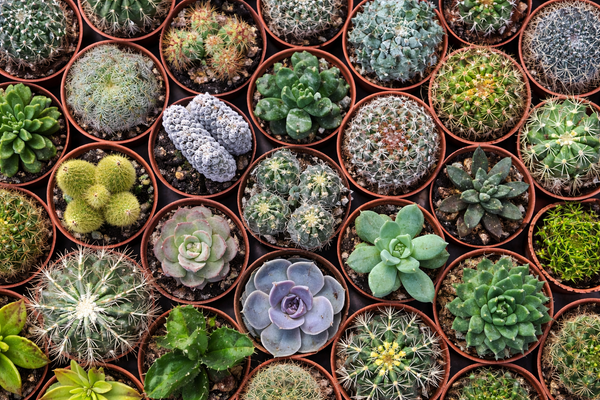
- Micro-spines or glochids (some cacti)
- Eye injuries
- Paw pad wounds
- Digestive obstruction if fiber is ingested
- Latex is irritating to the skin
These risks are particularly relevant to succulent plants, cacti or euphorbias with irritating sap.

Botanical genera that pose a risk to domestic animals
Some ornamental plants contain irritants or toxins that can cause digestive, neurological, cardiac, hepatic, or renal problems in cats and dogs. The severity depends on the amount ingested, the part consumed (leaves, sap, bulb, seeds), and the animal's sensitivity.
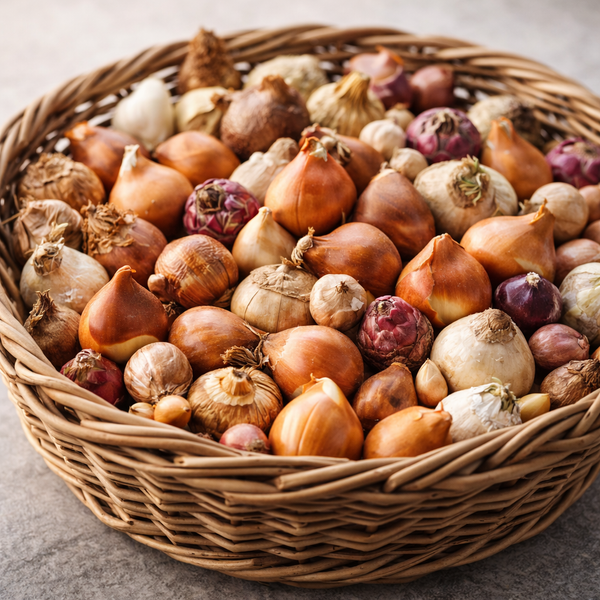
Bulbs, seeds and young shoots often concentrate the most active toxins.
Houseplants at risk
| Botanical genus | Common noun | Main risk |
|---|---|---|
| Cycas | Sago Palm | Severe hepatotoxicity – potentially fatal |
| Lilium | True lilies | Acute renal failure in cats |
| Adenium | Desert rose | Cardiotoxic |
| Epipremnum | Pothos (trade name) | Oxalates – oral and digestive irritation |
| Scindapsus | Satin pothos | Oxalates – excessive salivation and oral pain |
| Philodendron | Philodendron | Inflammation of the mucous membranes |
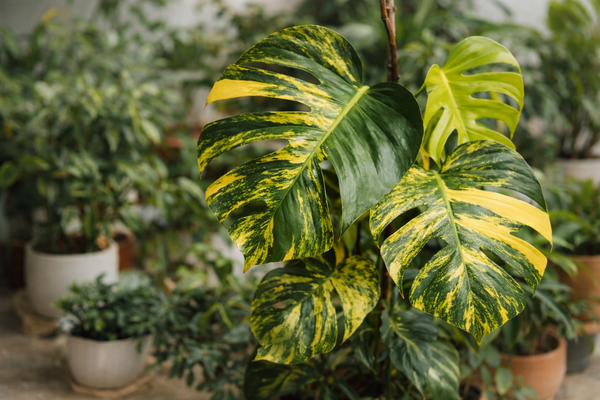
| Monstera | Monstera | Digestive irritation |
| Dieffenbachia | Mute's cane | Significant oral edema |
| Dracaena | Dracaena / Sansevieria | Vomiting and lethargy |
| Alocasia | Alocasia | Oxalates – severe irritation |
| Anthurium | Anthurium | Oxalates – oral irritation |
| Aglaonema | Aglaonema | Oral irritation |
| Ficus | Ficus | Latex is irritating – digestive problems |
| Schefflera | Schefflera | Oxalates – hypersalivation |
| Syngonium | Syngonium | Oral irritation |
| Zamioculcas | ZZ Plant | Oxalates – digestive irritation |
| Kalanchoe | Kalanchoe | Cardiotoxic in dogs |
| Begonia | Begonia | Toxic rhizomes |
| Cyclamen | Cyclamen | Highly toxic bulb |
| Euphorbia | Spurge | Latex is a skin and eye irritant. |
| Aloe | Aloe | Digestive irritation |
| Hippeastrum | Amaryllis | toxic bulb |
Outdoor and garden plants at risk
| Botanical genus | Common noun | Main risk |
|---|---|---|
| Nerium | Oleander | Major cardiotoxic |
| Taxus | If | Serious cardiac toxicant |
| Digitalis | Digital | Cardiotoxic |
| Ricinus | Castor oil | Extremely toxic seeds |
| Datura | Datura | Neurotoxic |
| Brugmansia | Trumpet of the angels | Neurotoxic |
| Rhododendron | Rhododendron / Azalea | Cardiac and neurological disorders |
| Hydrangea | Hydrangea | Digestive problems |
| Buxus | Boxwood | Digestive toxicity |
| Ilex | Holly | Poisonous berries |
| Prunus | Cherry tree / Cherry laurel | Cyanogenic compounds |
| Tulipa | Tulip | Bulb concentrated in toxins |
| Hyacinthus | Hyacinth | Irritant bulb |
| Narcissus | Narcissus | toxic bulb |
| Colchicum | Autumn crocus | Severe systemic toxicity |
Plants generally compatible
Important to remember
No plant is completely "safe" if consumed in large quantities. The species listed below are generally considered non-toxic to cats and dogs, but supervision remains essential, especially with young animals.
Warning: some common names are confusing (ex: "Lucky Bamboo" = often Dracaena).

Saintpaulia

Chlorophytum

Chamaedorea

Calathea

Maranta

Peperomia

Fittonia

Pilea

Nephrolepis

Pachira

Haworthiopsis

Phalaenopsis

Echeveria

Rhipsalis

Schlumbergera

Impatiens

Hypotheses

Areca

Beaucarnea

Hoya









 Outils
 Compostage et écologie