Sale
Sold out

Ornamental deciduous shrub
Oleaceae
Lilas compact très parfumé à fleurs violettes
Lilac Scentara Pura®
Syringa × hyacinthiflora
Scentara Pura® is a compact hybrid lilac selected under the name ‘SMNSHSO’. Its blackberry purple buds open in early to mid-spring into intensely fragrant jacaranda purple panicles. The well-branched shrub reaches approximately 4 to 6 ft tall and wide. Its fresh green foliage shows good mildew resistance, while its low chill origins improve its performance in several regions with mild winters. Hardy from Zone 2 to Zone 8, it prefers full sun and well-drained, neutral to alkaline soil. For best results, keep the root collar visible and adapt watering to rainfall.
2 gallons
Each store has its own inventory.
Products and available quantities may vary between Brossard and Laval. To check a store’s inventory, please contact us directly.
Even better: visit us in store to discover the full selection available!
- Quantity
- 2 gallons
- Exposure
- Sun
- Hardiness
- Zones 2 to 8
Discover the plant
Common nameLilac Scentara Pura®
FamilyOleaceae
GenusLilac
Species× hyacinthiflora
CultivarSMNSHSO (Scentara Pura®)
TypeOrnamental deciduous shrub
Botanical nameSyringa × hyacinthiflora
Lilas Scentara Pura® (Syringa × hyacinthiflora ‘SMNSHSO’) combines a classic lilac fragrance, jacaranda purple blooms, and a compact, well-branched habit. Its blackberry-purple buds open into abundant panicles in early to mid-spring. The fresh green foliage maintains a clean appearance thanks to good resistance to powdery mildew. This deciduous shrub reaches about 4 to 6 feet in height and width. Its hardiness from Zone 2 to 8 makes it a versatile choice for cold gardens as well as many regions with milder winters.
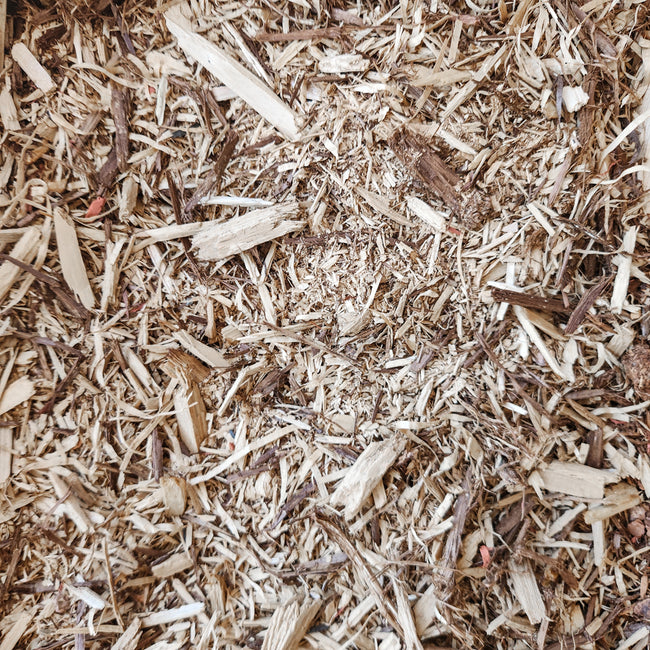
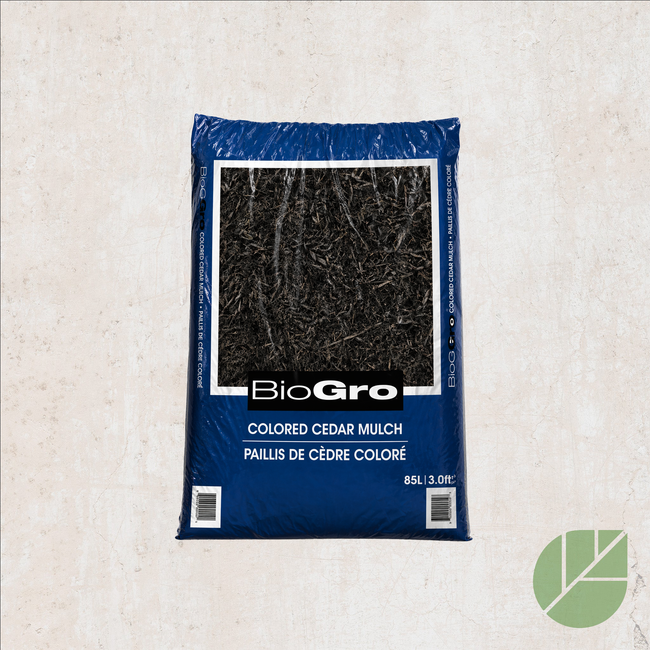
Plant Scentara Pura® in full sun, in well-drained soil, preferably neutral to alkaline. Good air circulation and at least six hours of sun promote generous flowering and healthy foliage. Water deeply during establishment, then when the top few inches of soil become dry. Avoid waterlogged locations, as lilacs do not tolerate standing water well. A layer of mulch helps maintain more consistent moisture, provided the base of the stems is left clear. The shrub blooms on old wood; any necessary pruning should be done just after flowering.
Use this very fragrant lilac near a patio, path, or open window, where its spring fragrance can be fully appreciated. Its rounded habit is also suitable for a flowering hedge, shrub border, foundation planting, or as a focal point. Cut flowers scent bouquets and feed various pollinators. Deer generally browse it less readily than many other shrubs, though complete resistance is not guaranteed. The flowers are purple, never pure white; this correction allows for precise color scheme choices. For best results, keep the root collar visible and adjust watering based on rainfall.

Soil and care
The right care,at the right time.
Minimum temperature
Around -45°C (-50°F)
Watering
Regular then moderate, avoid waterlogged soil
Soil type
Well-drained, neutral to alkaline
Fertilization
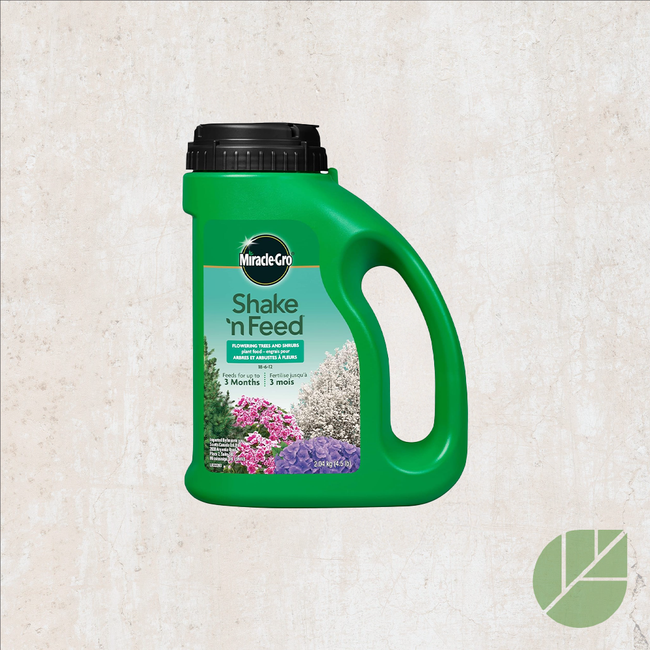
In fertile soil, a thin layer of mature compost in spring is usually sufficient. Have the soil analyzed before adding fertilizer or lime. If a deficiency is confirmed, apply a balanced product according to its label. Avoid excess nitrogen, which produces tender stems and many leaves at the expense of flowers. Stop late applications so that the shoots harden before winter.
Bloom and dimensions
Its place,in your garden.
Mature height
8 ft (2.5 m)
Width / spread
2 m (6 ft)
Flower color
Violet jacaranda; blackberry violet buds
Foliage color
Fresh green
Foliage type
Obsolete
Growth rate
Moderate
Growth habit
Multi-stemmed semi-dwarf shrub
Bloom period
Early to mid-spring
Fruiting
After pollination, some flowers may form small, dry capsules containing seeds. This fruiting is discreet and not the main appeal of Scentara Pura®. Faded panicles can be removed right after flowering for a tidier appearance, though it's not strictly necessary horticulturally. The capsules and seeds are not presented as food. The gardener's energy can instead be focused on good drainage and the preservation of flower buds.
Wildlife and pets
Life,around your plants.
Supporting wildlife
The fragrant spring panicles provide nectar and pollen for various insects, including bees and butterflies. Diverse plantings extend resources after the lilac’s short flowering period. Avoid insecticides while flowers are open and add later-blooming perennials to support visitors throughout the season.
For your trees, shrubs and conifers
The right extras.Right here.
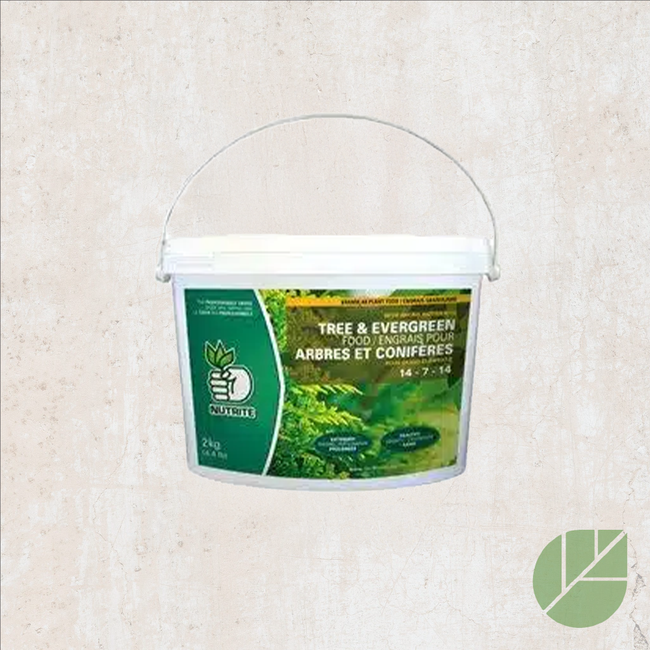
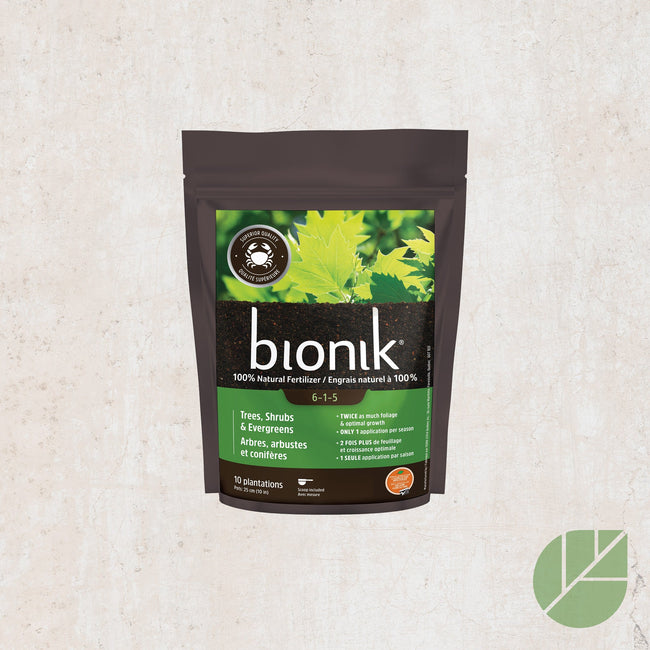
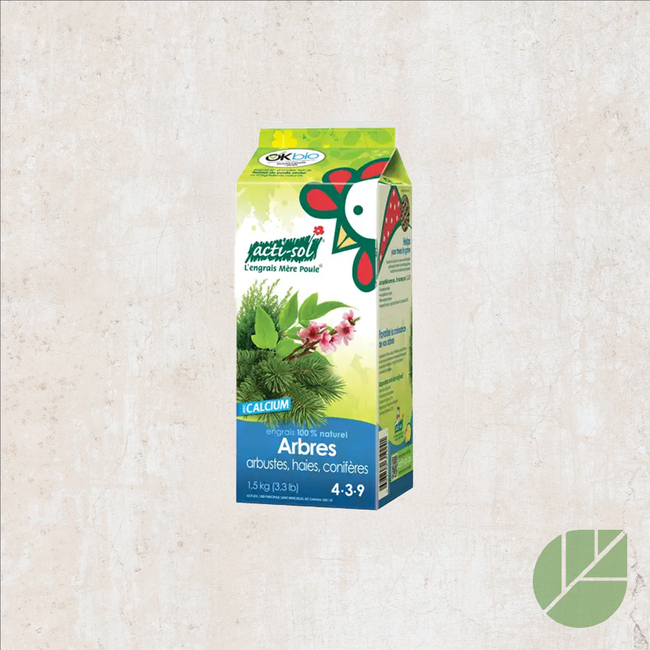
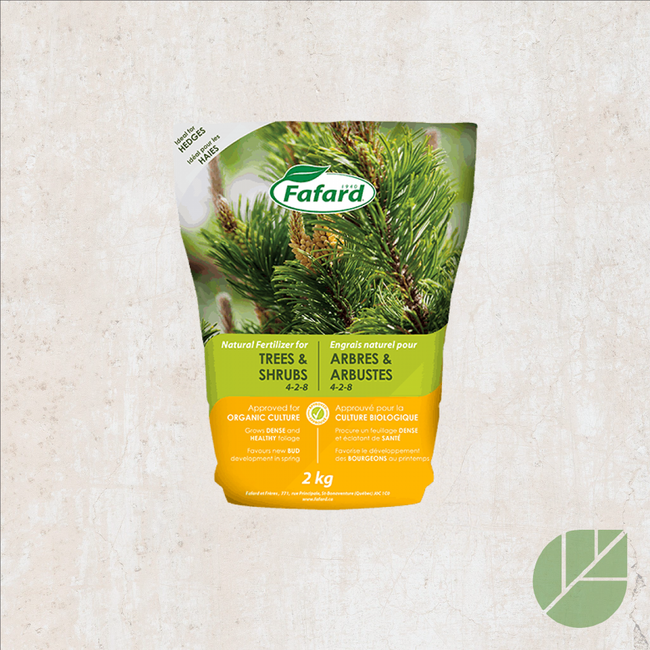
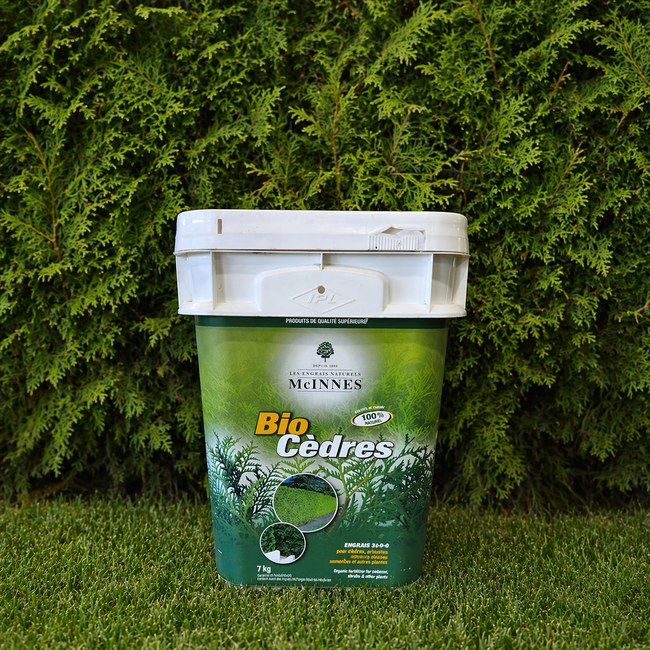
Tree and Shrub Fertilizer
Shop the collection