Sale
Sold out

Oleaceae
Shrubs
Lilas ‘Josée’
Syringa × josiflexa
Each store has its own inventory.
Products and available quantities may vary between Brossard and Laval. To check a store’s inventory, please contact us directly.
Even better: visit us in store to discover the full selection available!
- Exposure
- Partial shade
- Hardiness
- Zone 4
Discover the plant
Common nameLilac
FamilyOleaceae
GenusLilac
Species× josiflexa
CultivarJosee
TypeShrub
Botanical nameSyringa × josiflexa
Lilac ‘Josée’ (Syringa × josiflexa ‘Josée’). Syringa × josiflexa ‘Josée’, more commonly known as lilac ‘Josée’, is a remarkable deciduous ornamental shrub known for its delicately fragrant lavender-pink flowers, which can bloom several times per season, starting in spring and potentially continuing sporadically until summer. This hybrid lilac, with a compact, rounded, bushy habit, reaches approximately 150 cm (5 ft) in height and width, making it ideal for small gardens, low hedges, flower beds, or container planting. Very hardy, it tolerates temperatures down to -40 °C (-40 °F) and grows well in full sun to partial shade, in well-drained soil.
To plant lilac ‘Josée’, choose an appropriate exposure: full sun to partial shade. The recommended soil is normal to well-drained. Allow the lilac enough space for light to reach the branches. Significant pruning before flowering can remove already formed buds. If intervention is necessary, adapt it to the type of lilac and first observe the flower-bearing branches. Water the root ball before planting it in the ground and ensure that water can drain after planting. During establishment, check the moisture by hand before watering again.
Plan for a width of 1.5 m (5 ft) when arranging this plant in the garden. The indicated height of 1.5 m (5 ft) helps choose its position relative to neighboring plants. Maintain access to the base for weeding, checking moisture, and removing damaged parts. Combine this variety with plants whose light and water needs are compatible. If you are considering a container, first check that its volume and drainage are suitable for root development. Roots in pots are more exposed to cold than those planted directly in the ground.

Soil and care
The right care,at the right time.
Minimum temperature
-40°C (-40°F)
Watering
Moderated once established
Soil type
Well-drained
Fertilization
Compost in the spring if needed
Bloom and dimensions
Its place,in your garden.
Mature height
4.9 ft (1.5 m)
Width / spread
4.9 ft (1.5 m)
Flower color
Lavender Rose
Foliage color
Green
Foliage type
Obsolete
Growth rate
Moderate
Growth habit
Compact shrub
Bloom period
Spring and Summer
Fruiting
Small, discreet brown capsules
Wildlife and pets
Life,around your plants.
Supporting wildlife
Yes
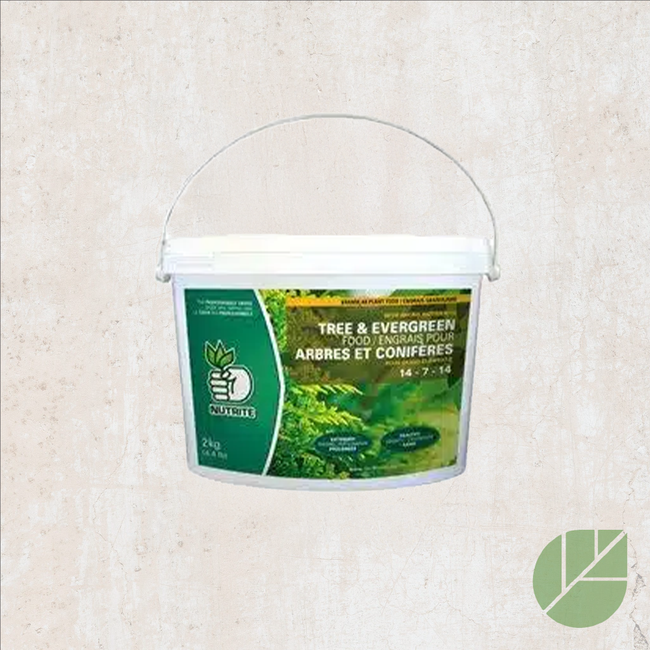
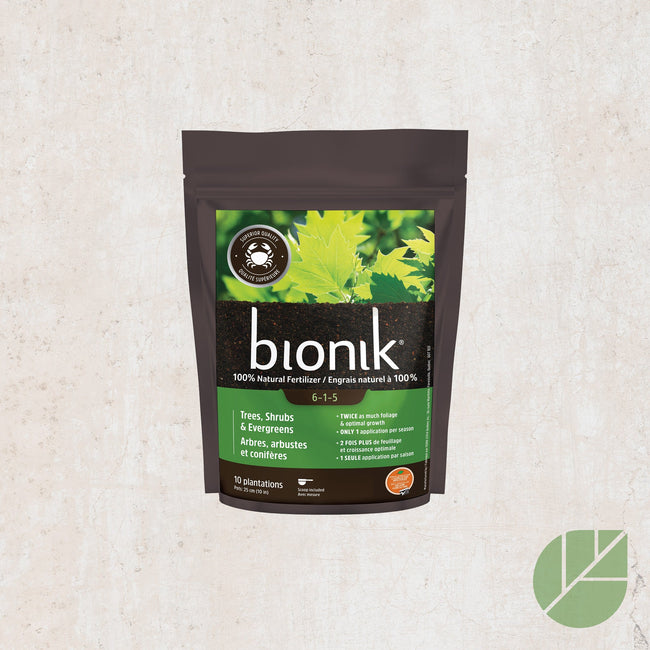
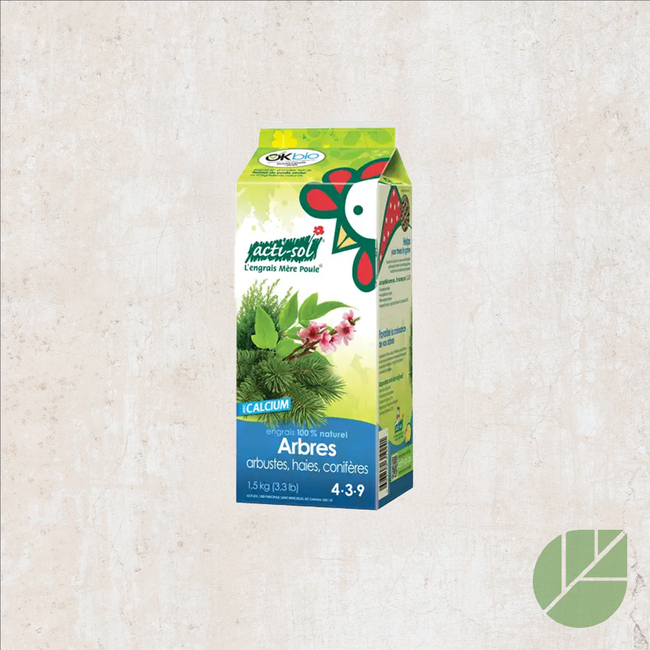
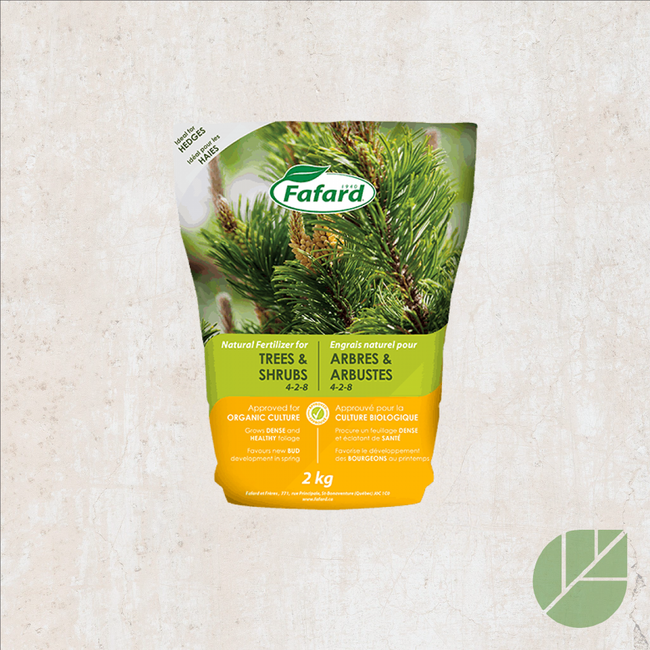
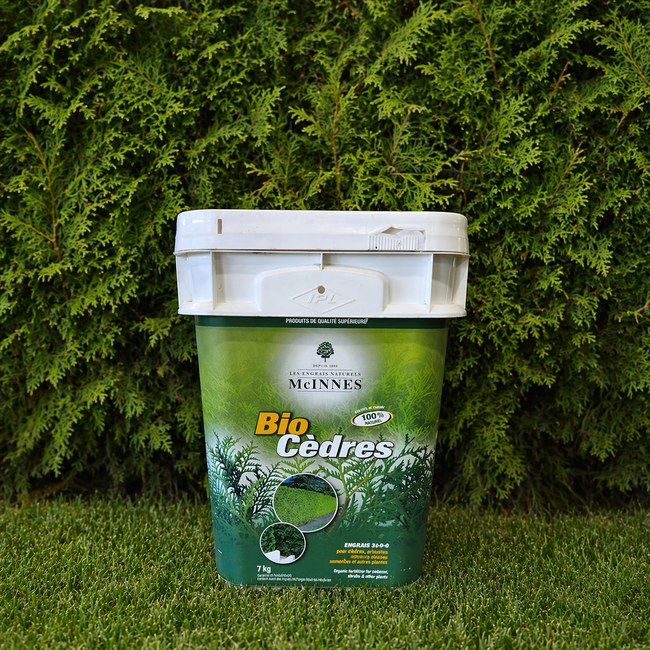
For your trees, shrubs and conifers
The right extras.Right here.
Tree and Shrub Fertilizer
Shop the collection