Sale
Sold out

Native fruiting shrub
Rosaceae
Native berries and rain-garden shrubs
Black Chokeberry – Seeds
Aronia melanocarpa
Product code : AKENE-0006
This exceptionally hardy native shrub produces white flowers, edible black berries, and brilliant autumn foliage. Easy to grow, Black Chokeberry is ideal for edible hedges, rain gardens, naturalized borders, and pollinator-friendly landscapes.
- Quantity
- Approximately 100 seeds
- Exposure
- Full sun to partial shade
- Life cycle
- Perennial
- Hardiness
- USDA Zones 3 to 8
Discover the plant
Common nameBlack Chokeberry
FamilyRosaceae
GenusAronia
Speciesmelanocarpa
Cultivar
TypeNative fruiting shrub
Botanical nameAronia melanocarpa
Reproducible seedsYes
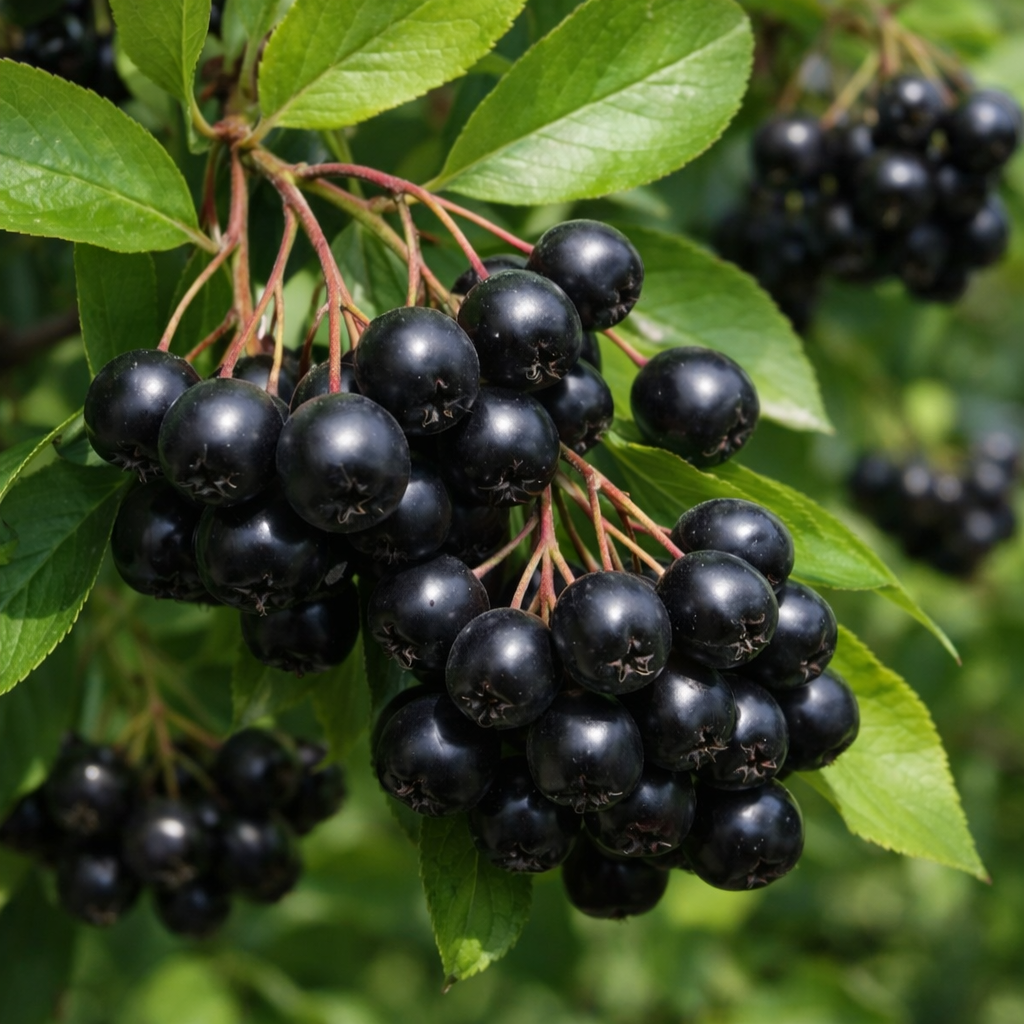
Black Chokeberry (Aronia melanocarpa) is a native fruiting shrub valued for white spring flowers, nearly black berries, and brilliant red to purple autumn foliage. Its glossy, dark green, oval leaves create a dense form that generally reaches about 1.5 to 2 m tall. In May, rounded flower clusters attract bees, butterflies, and many other pollinating insects. The black chokeberry fruit ripens in late summer and may remain attractive into autumn. Exceptionally hardy in Zones 3 to 8, this adaptable shrub withstands severe Quebec winters and provides three seasons of ornamental interest in edible, ecological, and naturalized landscapes throughout Canada.
Black Chokeberry grows in full sun or partial shade, although direct sunlight encourages heavier flowering, brighter fall colour, and more dependable fruit production. It adapts to many soil textures, ranging from sand to clay, and tolerates both periodic moisture and brief dry periods once established. A slightly acidic soil enriched with organic matter and kept consistently moist generally supports the best growth and harvest. Seeds may be sown outdoors in autumn or after two to three months of moist cold stratification. In Quebec gardens, an organic mulch, moderate watering, and a light spring application of mature compost are usually sufficient to maintain a healthy shrub.
In the landscape, Black Chokeberry is well suited to edible hedges, rain gardens, naturalized borders, shoreline plantings, and wildlife-friendly gardens. Its suckering habit allows it to form a gradual colony that can cover open ground and help control erosion. Black chokeberry berries are edible, although their strongly astringent taste makes them better suited to juice, jelly, jam, syrup, and cooked fruit preparations, often combined with apples or sweeter berries. Birds also feed on ripe fruit. Pair Aronia melanocarpa with Serviceberry, Canada Elderberry, Black Currant, or Highbush Cranberry to create a productive, resilient, and diverse planting for northern gardens.

Sowing guide
It all startswith a seed.
Sowing depth
Approximately 3 mm
Spacing / density
1 to 2 m (3.3 to 6.5 ft)
Germination temperature
20 to 22°C after stratification
Germination time
Germinates after 90 to 120 days of stratification
Sowing period
Autumn or spring after cold stratification
Propagation
Stratified seed, cuttings, or sucker division
Cold stratification
Yes
Growing method
Sow Black Chokeberry seeds in autumn or in spring after cold stratification to encourage uniform germination. Use a light, slightly acidic, well-drained growing medium and cover the seeds with about 3 mm of fine soil. Maintain consistent moisture without waterlogging throughout germination. This native species prefers full sun but also tolerates partial shade. Once established, it requires little maintenance and produces abundantly for several decades. Its excellent hardiness makes it an ideal choice for Quebec gardens.
Soil and care
The right care,at the right time.
Soil pH
Approximately 5.0 to 7.0
Minimum temperature
Approximately -40°C
Care level
Low
Drought tolerance
Yes
Watering
Moderate; maintain consistent moisture during establishment
Soil type
Sandy to clay, moist to wet, and well drained
Fertilization
Mature compost in spring; avoid excess nitrogen
Moisture
Medium to high; moist to wet soil
Seasonal care
In spring, remove dead, broken, or weak branches before active growth begins. Apply a thin layer of compost and renew the mulch without piling it against the stems. During summer, maintain consistent moisture around young plants and while fruit is developing, particularly through extended dry periods. Harvest berries once they become uniformly black. In autumn, leave some fruit for birds and enjoy the brilliant foliage display. Every three to five years, remove several older stems at ground level to rejuvenate the shrub, encourage vigorous replacement shoots, and maintain a balanced, productive framework.
Container growing
A garden,within reach.
Recommended pot size
40 to 50 cm (16 to 20 in)
Container growing is possible in a pot at least 40 cm (16 in) wide to allow good root development. Use a rich, slightly acidic potting mix with effective drainage while maintaining regular moisture. This method works well for patios and small gardens where nutritious small fruits are desired. Organic mulch helps retain moisture and protects the roots during winter.

Bloom and dimensions
Its place,in your garden.
Mature height
Approximately 2 m
Width / spread
Approximately 2 m without sucker control
Flower color
White, sometimes tinged pink
Foliage color
Dark green, turning red to purple in autumn
Foliage type
Deciduous
Growth rate
Moderate
Growth habit
Upright, rounded, and suckering
Fragrance
Lightly fragrant flowers; tart, astringent fruit
Bloom period
May to June
Fruiting
Nearly black, edible, highly astringent berries
Days to maturity
Usually fruits after 3 to 5 years
Harvest
August to September
Garden associations
In goodcompany.
Companion plants
Serviceberry, Black Currant, Canada Elderberry, and Highbush Cranberry
Plants to avoid
Lavender, cotton lavender, rockrose, and other very dry-soil plants
Recipe idea
From the gardento your plate.
Edible parts
Ripe fruit, preferably processed
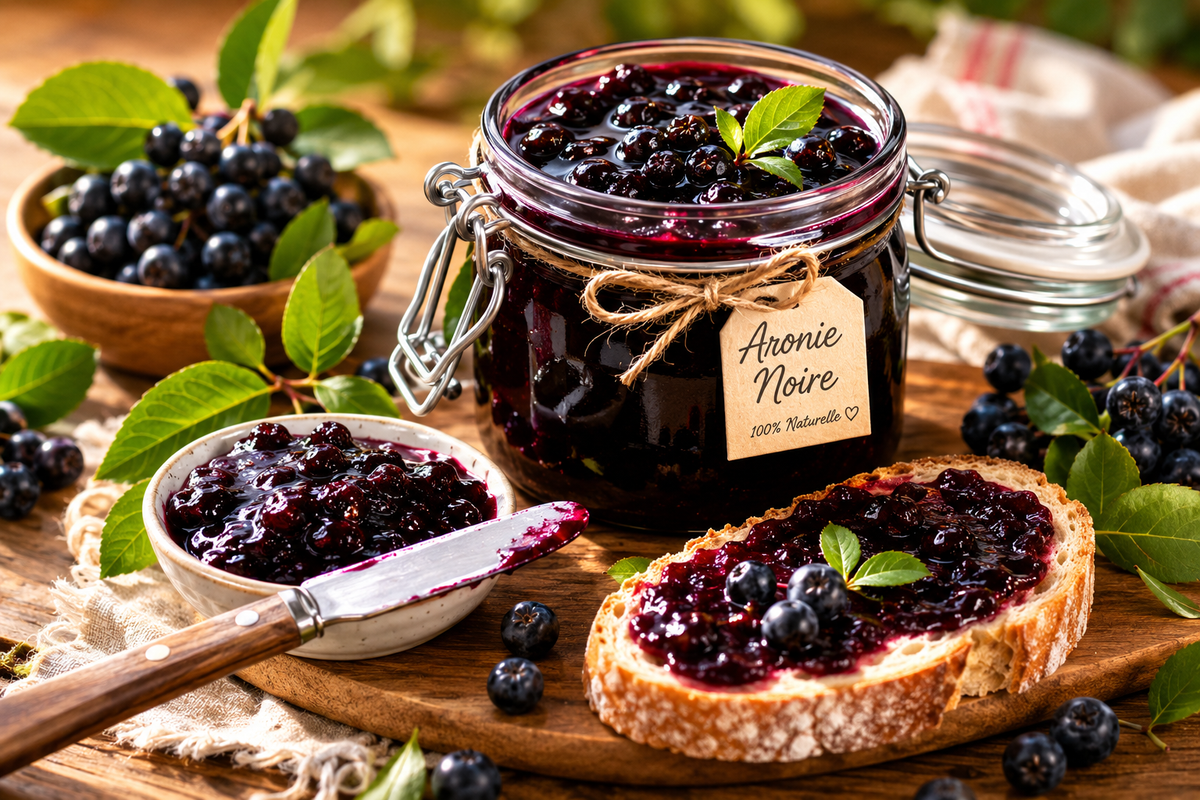
Black Chokeberry berries are recognized for their exceptional antioxidant content and many culinary uses. This edible aronia fruit produces small black berries that can be transformed into jellies, jams, compotes, juices, syrups, and homemade wines. Their slightly astringent flavor softens after cooking, freezing, or exposure to the first autumn frosts.
Black Chokeberry pairs very well with apples, pears, blueberries, and other small fruits in a wide variety of homemade recipes. The berries are also appreciated for sauces, baked goods, and beverages. Thanks to its generous production, Aronia melanocarpa provides abundant harvests each year and allows gardeners to preserve fruit for use throughout the year.
Black Chokeberry pairs very well with apples, pears, blueberries, and other small fruits in a wide variety of homemade recipes. The berries are also appreciated for sauces, baked goods, and beverages. Thanks to its generous production, Aronia melanocarpa provides abundant harvests each year and allows gardeners to preserve fruit for use throughout the year.
Frequently asked questions
Your questions,answered.
When should Black Chokeberry seeds be sown?
Black Chokeberry seeds can be sown in autumn or in spring after cold stratification. This step greatly improves seed germination rates.
Is Black Chokeberry fruit edible?
Yes, the fruits are edible and very rich in antioxidants. They are most often used processed into juices, jams, jellies, and homemade products.
Does Black Chokeberry attract pollinators?
The spring flowers attract many bees, hoverflies, and other beneficial pollinating insects to the garden.
Can Black Chokeberry be grown as a hedge?
Its dense habit and excellent hardiness make it an excellent choice for productive country hedges that also support biodiversity.
How should a mature Black Chokeberry be maintained?
Light rejuvenation pruning every few years and an annual application of compost are generally enough to maintain vigor and productivity.
Wildlife and pets
Life,around your plants.
Attracts birds
Yes
Native plant
Yes
Supporting wildlife
Bees and pollinators
For a great start to your seeds
The right extras.Right here.
Seed Starting Soil
Shop the collectionSeed starting supplies
Shop the collection