Sale
Sold out

Native biennial flower
Onagraceae
Edible and medicinal native plants
Common Evening Primrose – Seeds
Oenothera biennis
Product code : AKENE-0060
Native biennial with large yellow flowers that open in the evening. Common evening primrose tolerates poor, dry soils, attracts night pollinators, and readily reseeds in ecological gardens.
- Quantity
- Approximately 300 seeds
- Exposure
- Full sun to light partial shade
- Life cycle
- Biennial
- Hardiness
- Zones 3 to 8
Discover the plant
Common nameCommon Evening Primrose
FamilyOnagraceae
GenusOenothera
Speciesbiennis
TypeNative biennial flower
Botanical nameOenothera biennis
Reproducible seedsYes
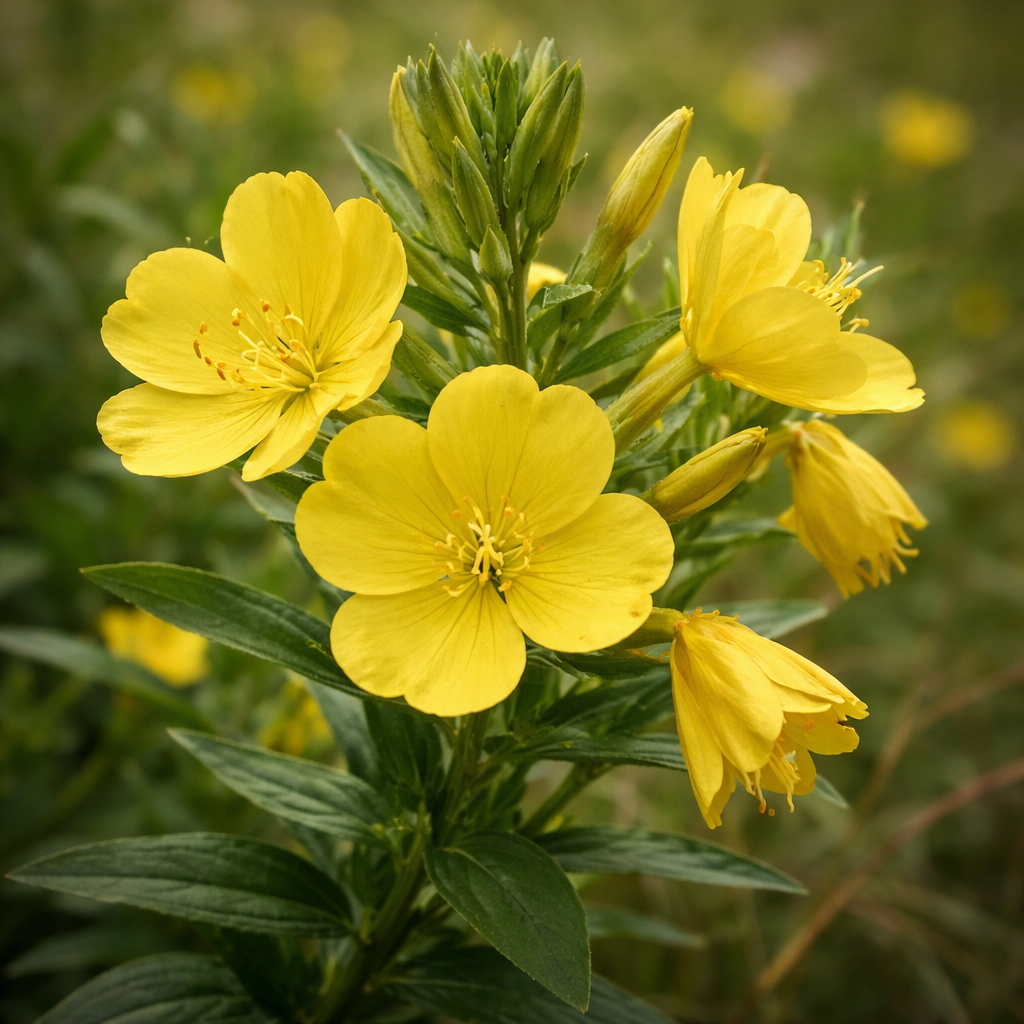
Common Evening Primrose (Oenothera biennis) is a robust native biennial that forms a leafy rosette during its first year, then produces tall flowering stems in the second season. Large bright yellow flowers open mainly in late afternoon and remain visible through the night, creating a striking display in naturalized gardens. Their light fragrance attracts many night-flying insects, while flowers still open in the morning are also visited by bees and butterflies. Reaching 1 to 1.5 m, this biennial adds height, light, and movement to flowering meadows, wildlife gardens, and low-maintenance ecological landscapes.
Common evening primrose prefers full sun but tolerates light partial shade in sandy to loamy soil that is poor to moderately fertile and well drained. Its long taproot provides good drought tolerance after establishment, although young rosettes benefit from regular moisture while roots develop. Surface sow the seeds or cover them with only a very thin layer of soil because light supports germination. A short period of moist cold stratification may improve emergence. In Quebec, avoid waterlogged ground and rich fertilizer, which can encourage excessive foliage at the expense of flowering, sturdy stems, and reliable seed production.
Common evening primrose suits pollinator gardens, flowering meadows, dry slopes, naturalized borders, and edible landscapes. Evening flowers feed moths, bees, and other beneficial insects, while mature seeds may attract some birds. Young leaves, flowers, and first-year roots have a history of traditional culinary use, but any harvest should come from correctly identified plants grown in uncontaminated soil. It pairs naturally with black-eyed Susan, wild bergamot, hairy beardtongue, and native goldenrods, which share similar needs for sun and drainage. Allowing selected capsules to mature supports natural reseeding and helps maintain the plant from year to year.

Sowing guide
It all startswith a seed.
Sowing depth
Surface sow
Spacing / density
45 to 60 cm (18 to 24 in)
Germination temperature
18 to 22°C
Germination time
15 to 30 days
Sowing period
Fall or spring after cold stratification
Propagation
Seed and natural self-seeding
Cold stratification
Yes
Growing method
Surface sow Common Evening Primrose seeds or cover them only very lightly, as light improves germination. Autumn sowing or a short cold stratification before spring sowing generally improves emergence. Maintain temperatures between 18 and 22°C (64 to 72°F) with light, even moisture until germination, which usually occurs within 15 to 30 days. Transplant seedlings once they are large enough to handle into poor to moderately fertile, well-drained soil in full sun to partial shade. This hardy native species readily adapts to Canadian growing conditions and often self-seeds naturally when conditions are favorable.
Soil and care
The right care,at the right time.
Soil pH
Acidic to neutral
Minimum temperature
Approximately -40°C
Care level
Low
Drought tolerance
Yes
Watering
Light to moderate during establishment
Soil type
Sandy to loamy, poor, well-drained soil
Fertilization
Light compost only; avoid rich soil
Moisture
Low to medium; well-drained soil
Seasonal care
In spring, thin young rosettes to maintain adequate spacing and remove competing weeds. During summer, water only through prolonged drought because established plants tolerate dry soil well. Allow spent flowers to form capsules when seed collection or natural reseeding is desired. To limit spread, cut the stems before the capsules fully mature. In fall, second-year plants naturally complete their life cycle after fruiting. Leaving several dry stems through winter provides shelter for insects and a source of seed for wildlife before cleanup the following spring.
Container growing
A garden,within reach.
Recommended pot size
20 to 30 L (5 to 8 gal)
Container growing is possible in a deep pot of at least 20 to 30 L (5 to 8 gal) filled with a light, well-drained growing medium. Because this species develops a long taproot, sufficient depth is essential for healthy growth. Place the container in full sun and avoid excessive watering to recreate its preferred natural habitat. Container culture allows gardeners to enjoy its fragrant yellow flowers while attracting pollinators close to patios and outdoor living spaces.

Bloom and dimensions
Its place,in your garden.
Mature height
1.5 m
Width / spread
45 cm
Flower color
Bright yellow
Foliage color
Green
Foliage type
Deciduous
Growth rate
Moderate
Growth habit
Upright and branching
Fragrance
Light fragrance noticeable in the evening
Bloom period
June to September
Fruiting
Long capsules containing numerous seeds
Harvest
Flowers in summer; seeds from late summer to fall
Garden associations
In goodcompany.
Companion plants
Black-eyed Susan, wild bergamot, hairy beardtongue, goldenrods
Plants to avoid
Blue flag iris, marsh marigold, ligularia, and horsetail
Recipe idea
From the gardento your plate.
Edible parts
Flowers, young leaves, and first-year roots
Young leaves, first-year roots, and flowers are edible when harvested at the proper stage. The flowers can be added to salads for a decorative touch and mild sweetness, while the roots were traditionally eaten as a vegetable. The seeds are valued for their rich oil content and are the source of the well-known evening primrose oil. This versatile native plant is also highly prized in medicinal and edible gardens while supporting biodiversity.
Frequently asked questions
Your questions,answered.
When should common evening primrose seeds be sown?
Common Evening Primrose seeds can be sown directly outdoors in autumn or in spring after a short period of cold stratification. This improves germination and produces stronger seedlings.
Is common evening primrose edible?
Yes. The young leaves, flowers, and first-year roots are edible. This species has been cultivated for generations for both culinary and traditional uses.
Why do the flowers open in the evening?
Its large yellow flowers open in the evening and produce abundant nectar, attracting bees, moths, butterflies, and many other beneficial pollinating insects.
Can common evening primrose seeds be harvested?
Yes. The seeds can be harvested once mature in late summer or early autumn for future sowing or for their traditionally valued oil content.
Is common evening primrose easy to grow?
Yes. Common Evening Primrose is a hardy, low-maintenance biennial that thrives in poor soils and often self-seeds naturally once established.
Wildlife and pets
Life,around your plants.
Attracts birds
Yes
Native plant
Yes
Supporting wildlife
Bees and butterflies
For a great start to your seeds
The right extras.Right here.
Seed Starting Soil
Shop the collectionSeed starting supplies
Shop the collection