Sale
Sold out

Native plant
Rosaceae
Native plants for moist to wet sites
Canadian Burnet
Sanguisorba canadensis
Product code : AKENE-0062
Native wetland perennial with tall decorative white flowers for natural gardens.
- Quantity
- About 150 seeds
- Exposure
- Full sun to partial shade
- Life cycle
- Perennial
- Hardiness
- 3 to 8
Discover the plant
Common nameCanadian Burnet
FamilyRosaceae
GenusSanguisorba
Speciescanadensis
TypeNative plant
Botanical nameSanguisorba canadensis
Reproducible seedsYes
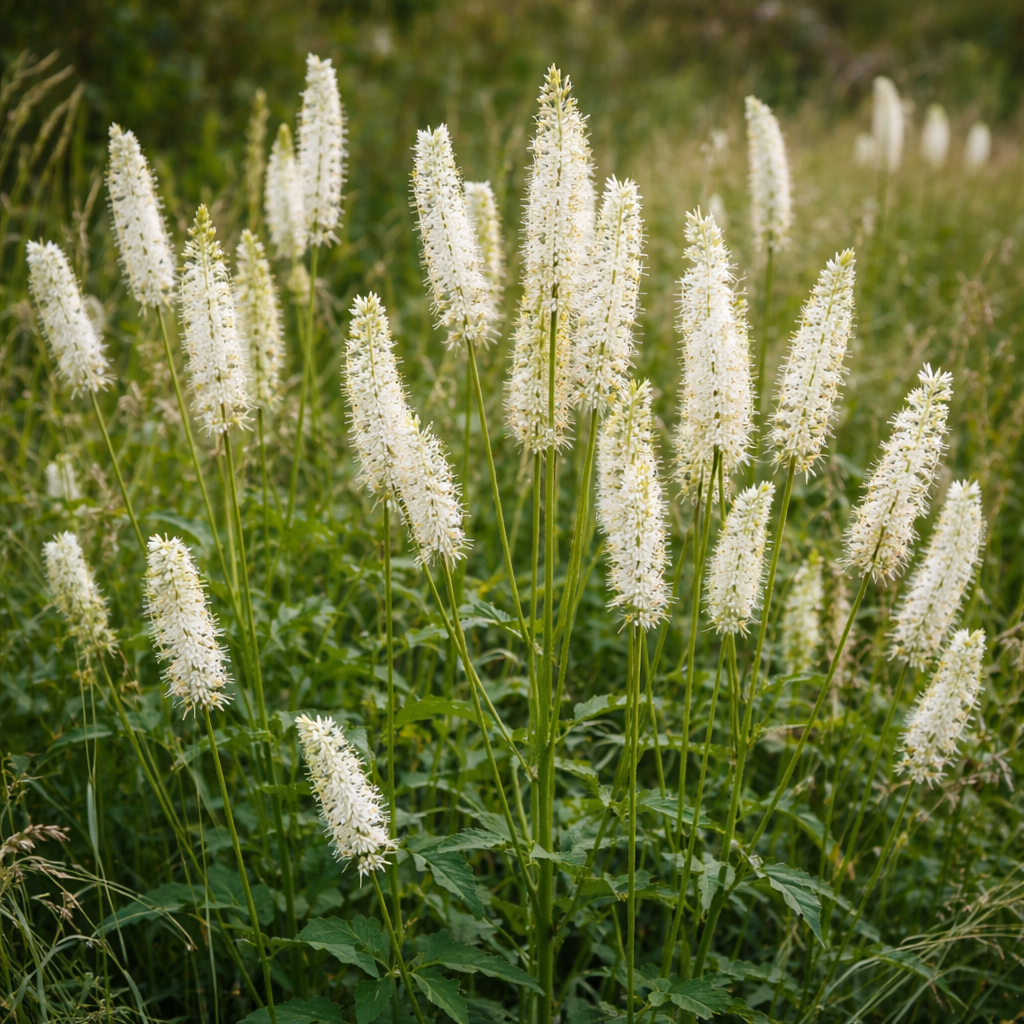
Canadian Burnet (Sanguisorba canadensis) is an elegant native wetland perennial with tall creamy-white flower spikes, lush green foliage, and an upright habit that adds height and movement to natural gardens. Its light airy summer blooms brighten shoreline plantings, rain gardens, and ecological landscapes. Extremely hardy in Quebec and Canada, it returns reliably year after year while providing outstanding ornamental value and supporting beneficial insects associated with wetland habitats.
Canadian Burnet (Sanguisorba canadensis) prefers rich organic soils that remain moist to saturated, with full sun to partial shade exposure. Across Quebec and Canada, it performs especially well in marshes, stream edges, rain gardens, and areas where moisture remains consistent. An annual spring application of compost is usually enough to maintain vigorous growth. Maintenance remains moderate when water requirements are met, and its deciduous foliage provides attractive seasonal structure in planted areas.
Canadian Burnet (Sanguisorba canadensis) is an excellent choice for biodiversity gardens, naturalization projects, and sustainable shoreline landscapes. Its white flowers attract bees, butterflies, and many pollinating insects throughout summer. It combines naturally with blue flag iris, sedges, joe-pye weed, and Canada mannagrass to create landscapes inspired by Quebec wetlands. Its presence also helps stabilize soils and restore natural habitats rich in ecological value.

Sowing guide
It all startswith a seed.
Sowing depth
3 mm (0.1 in)
Spacing / density
45 to 60 cm (18 to 24 in)
Germination temperature
18 to 20°C
Germination time
15 to 20 days after stratification
Sowing period
Fall or spring after stratification
Propagation
Seeds after stratification or division of mature clumps.
Cold stratification
Yes
Growing method
Sow Canadian Burnet seeds in autumn or spring after a period of cold stratification to improve germination. Plant the seeds about 3 mm (0.1 in) deep in a rich growing medium kept consistently moist. Maintain temperatures between 18 and 20°C (64 to 68°F), with germination usually occurring within 15 to 20 days. Transplant seedlings once they are large enough to handle and grow them in moist to waterlogged soil in full sun to partial shade. This native perennial excels in rain gardens, riparian plantings, and ecological restoration projects throughout Canada.
Soil and care
The right care,at the right time.
Soil pH
Acidic to neutral
Minimum temperature
-40 °C (-40 °F)
Care level
Moderate
Watering
Regular to maintain moisture
Soil type
Moist to saturated loamy to clay soil
Fertilization
Mature compost in spring
Moisture
Medium to high; moist to wet soil
Seasonal care
Remove dry stems in spring and maintain moist soil throughout the season.
Container growing
A garden,within reach.
Recommended pot size
20 to 30 L (5 to 8 gal)
Canadian Burnet can be grown successfully in a large, deep container capable of retaining consistent moisture throughout the growing season. Use an organic-rich growing medium and never allow the soil to dry completely. This wetland perennial performs especially well in containers placed near water features or in locations receiving morning sun. Container growing allows gardeners to enjoy its elegant foliage and tall white flower spikes while supporting pollinators.
Bloom and dimensions
Its place,in your garden.
Mature height
150 cm
Width / spread
60 cm
Flower color
Creamy white
Foliage color
Green
Foliage type
Deciduous
Growth rate
Moderate
Growth habit
Upright and slender
Bloom period
July to September
Fruiting
Small seeds in faded flower heads
Harvest
August to September
Garden associations
In goodcompany.
Companion plants
Sedge, blue flag iris, spotted joe-pye weed, Canada mannagrass
Plants to avoid
Lavender, santolina, blanket flower, sedum
Frequently asked questions
Your questions,answered.
When should Canadian Burnet be sown?
Canadian Burnet seeds can be sown in autumn to benefit naturally from freeze-thaw cycles or in spring after cold stratification. This treatment generally improves germination and produces more uniform seedlings.
Why is this plant useful for pollinators?
Its summer blooms produce abundant nectar and pollen, attracting native bees, butterflies, and many other beneficial insects throughout the growing season.
Can it be used in a rain garden?
Yes. Canadian Burnet is exceptionally well suited to rain gardens and other wet sites. It tolerates saturated soils while helping stabilize shorelines and improve local biodiversity.
Is it good for naturalization?
Yes. This native perennial naturally forms attractive colonies in moist habitats and is an excellent choice for ecological restoration and naturalized landscapes.
How is this perennial maintained?
Once established, Canadian Burnet requires very little maintenance. Simply keep the soil consistently moist and remove the previous year's dry stems each spring to encourage vigorous new growth.
Wildlife and pets
Life,around your plants.
Native plant
Yes
Supporting wildlife
Bees and pollinators
For a great start to your seeds
The right extras.Right here.
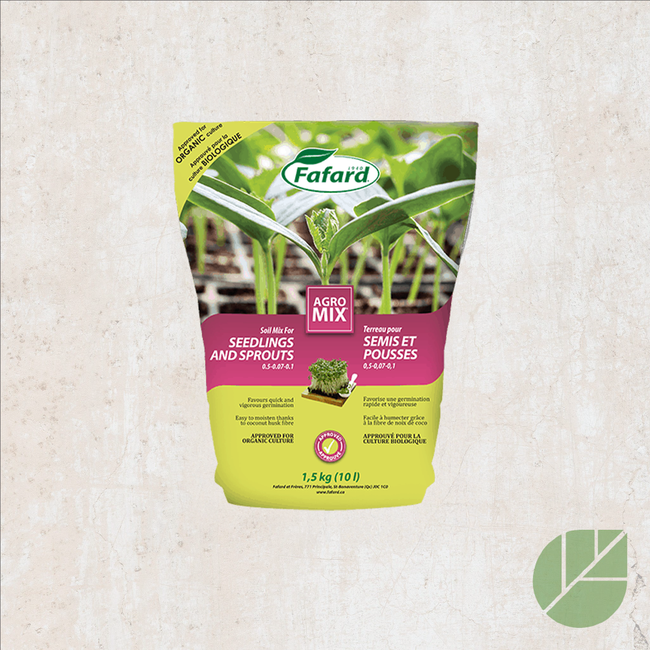
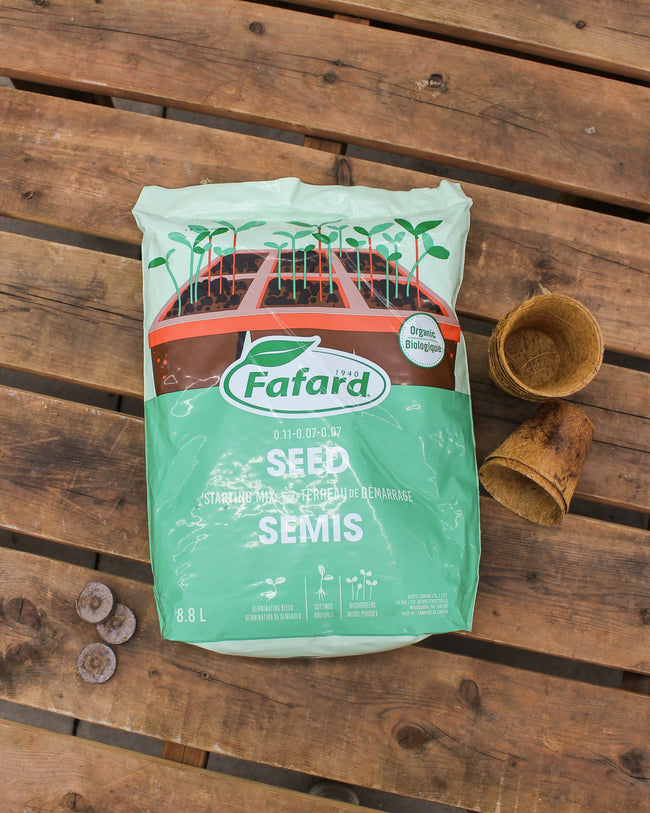
Seed Starting Soil
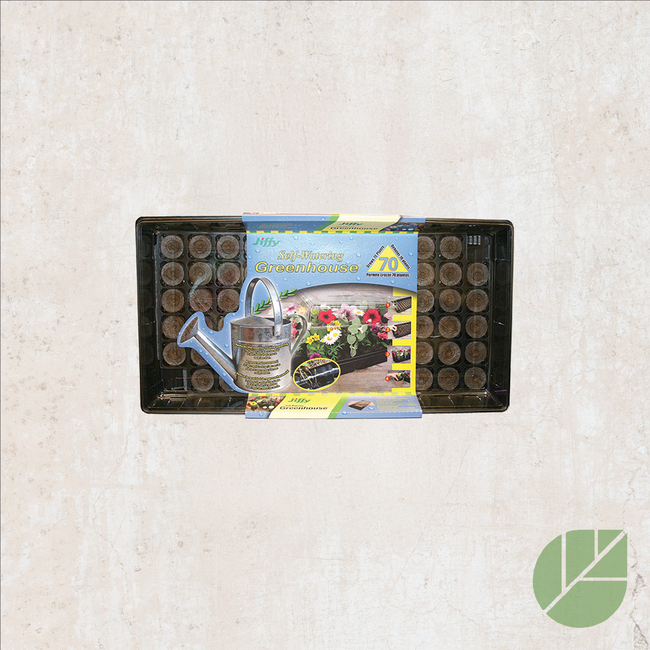
Shop the collectionSeed starting supplies
Shop the collection