


Sale
Sold out

Native small fruit shrub
Ericaceae
Edible native berries
Velvetleaf Blueberry — Vaccinium myrtilloides
Product code : AKENE-0009
A native shrub for acidic soils, Velvetleaf Blueberry produces edible dark blue berries, supports pollinators, and gradually forms a fruiting groundcover suited to boreal-inspired gardens across Quebec and Canada.
- Quantity
- About 15 seeds
- Exposure
- Full sun to bright partial shade
- Life cycle
- Perennial
- Hardiness
- USDA Zones 2 to 7
Discover the plant
Common nameVelvetleaf Blueberry
FamilyEricaceae
GenusVaccinium
Speciesmyrtilloides
Cultivar
TypeNative small fruit shrub
Botanical nameVaccinium myrtilloides
Reproducible seedsYes
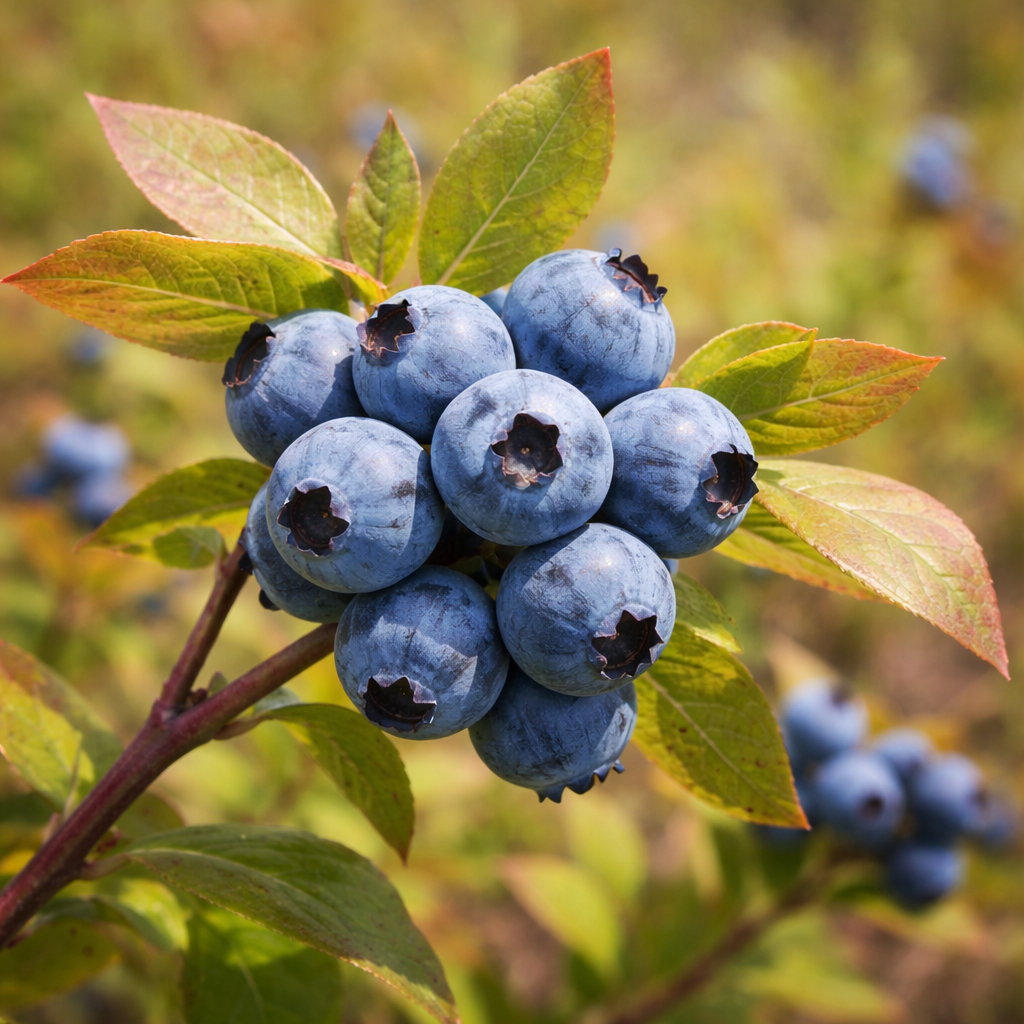
Velvetleaf Blueberry (Vaccinium myrtilloides) is a low, spreading native fruit shrub, often recognized by its finely hairy young stems and softly textured leaves. In spring, it produces small white to pinkish bell-shaped flowers, followed by dark blue berries covered with a pale waxy bloom. The green foliage may turn reddish or orange in autumn, adding valuable seasonal colour. Exceptionally hardy in Quebec and across much of Canada, this deciduous species gradually forms colonies through underground rhizomes. Its compact natural habit makes it especially suitable for boreal-inspired gardens, open woodland edges, acidic rock gardens, edible landscapes, and naturalized plantings.
Velvetleaf Blueberry grows best in full sun or bright partial shade and requires strongly acidic, sandy, rocky, or peaty soil that is low in nutrients and sharply drained. A pH of approximately 4.0 to 5.5 supports healthy growth. Seeds should be surface sown on a fine acidic medium because light supports germination. Maintain consistent moisture without saturating the mix throughout emergence and early establishment. In gardens across Quebec and Canada, mulch made from decomposed leaves, conifer needles, or fine bark helps conserve moisture and preserve acidic soil conditions. Avoid lime, alkaline compost, heavy clay, and rich fertilizers, which can interfere with nutrient uptake.
In the garden, Velvetleaf Blueberry is well suited to acidic rock gardens, edible landscapes, conifer edges, sandy sites, and naturalization projects inspired by boreal habitats. Its spring flowers support bees and bumblebees, while the edible berries also provide food for birds and small mammals. Ripe fruit may be eaten fresh, frozen, or used in preserves, muffins, pies, sauces, and summer desserts. The plant combines naturally with Bunchberry, Sheep Laurel, Lingonberry, and Labrador Tea, which share similar acidic-soil preferences. By producing food while supporting local wildlife, this native shrub adds both ecological and culinary value to sustainable Canadian gardens.

Sowing guide
It all startswith a seed.
Sowing depth
Surface sow with little or no covering
Spacing / density
30 to 60 cm (12 to 24 in)
Germination temperature
18 to 22°C
Germination time
Slow and variable germination after scarification and stratification
Sowing period
Autumn or spring under controlled conditions
Propagation
Seed, rhizome division, or cuttings
Cold stratification
Yes
Seed scarification
Yes
Growing method
Surface sow Wild Blueberry seeds on an acidic growing medium composed primarily of peat moss and fine sand. The seeds require light to germinate and should be barely covered, if at all. Cold stratification significantly improves germination and reproduces the species' natural growing conditions. Maintain consistent moisture throughout germination without saturating the growing medium. Seedlings develop slowly but gradually establish a root system well adapted to acidic, nutrient-poor soils. Once established, Wild Blueberry becomes exceptionally hardy and produces abundant berries for many years.
Soil and care
The right care,at the right time.
Soil pH
4.0 to 5.5
Minimum temperature
Approximately -45°C
Care level
Moderate
Drought tolerance
Yes
Watering
Moderate and regular; keep soil moist without waterlogging
Soil type
Acidic, sandy, rocky, or peaty, well-drained soil
Fertilization
Light fertilizer formulated for acid-loving plants only
Moisture
Low to medium; acidic, moist to well-drained soil
Seasonal care
In spring, remove dead or damaged stems and renew a thin layer of acidic mulch around the plants. Use conifer needles, decomposed leaves, or fine bark without burying the stem bases. During flowering and fruit development, water whenever the soil begins to dry so moisture remains consistent. Avoid alkaline water and nitrogen-rich fertilizer. After harvest, remove only weak or very old branches, since excessive pruning can reduce fruit production. In autumn, check the soil pH, refresh the mulch, and leave part of a generous berry crop for birds. Established colonies may also be thinned where rhizomes extend beyond the intended planting area.
Container growing
A garden,within reach.
Recommended pot size
30 to 45 cm (12 to 18 in)
Wild Blueberry grows well in wide containers filled with a highly acidic growing medium composed primarily of peat and organic matter. A container at least 30 to 45 cm (12 to 18 in) wide provides adequate space for rhizome development and improved fruit production. Keep the soil consistently moist without standing water and place the container in full sun to bright partial shade. Light winter protection is recommended for container-grown plants in colder regions.

Bloom and dimensions
Its place,in your garden.
Mature height
Approximately 60 cm
Width / spread
Variable through rhizome spread
Flower color
White to pinkish white
Foliage color
Green, turning reddish or orange in autumn
Foliage type
Deciduous
Growth rate
Slow to moderate
Growth habit
Low, spreading, and rhizomatous
Fragrance
Intensely flavoured fruit
Bloom period
May to June
Fruiting
Small edible dark blue berries covered with pale bloom
Days to maturity
Usually fruits after 3 to 5 years
Harvest
July to August depending on region
Garden associations
In goodcompany.
Companion plants
Bunchberry, Sheep Laurel, Lingonberry, Labrador Tea
Plants to avoid
Lavender, thyme, sage, and other plants preferring alkaline soil
Recipe idea
From the gardento your plate.
Edible parts
Ripe fruit
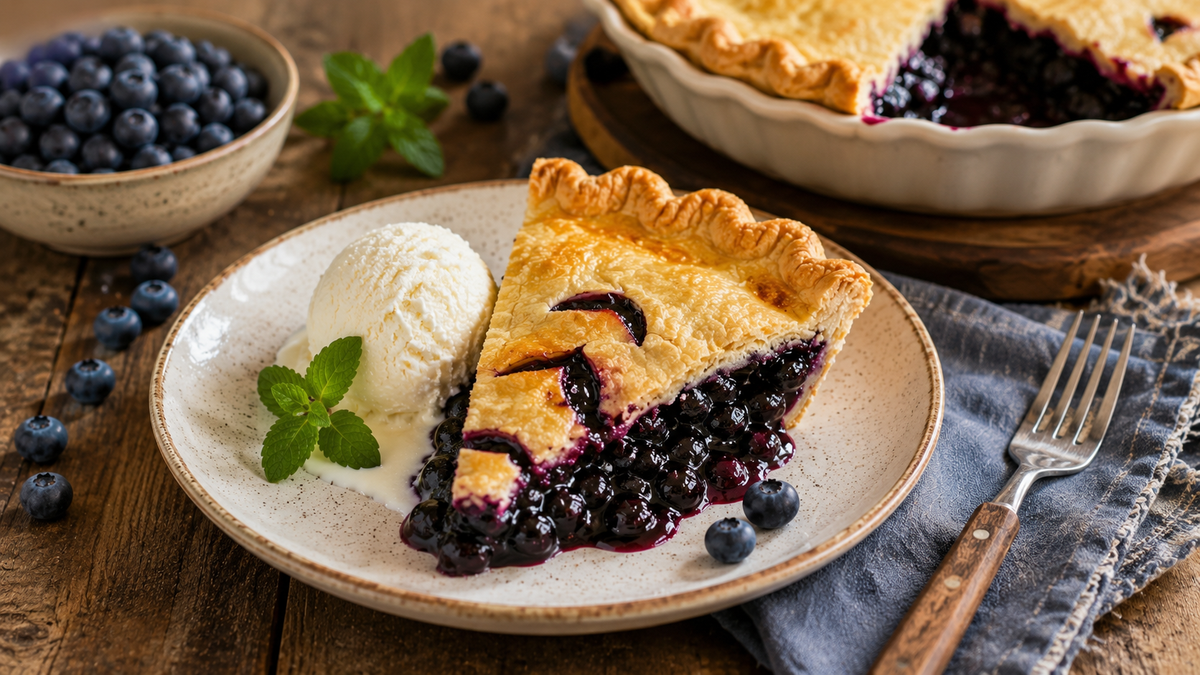
Wild Blueberries are delicious fresh and are widely used in homemade pies, jams, muffins, smoothies, sauces, pancakes, and summer desserts. Their sweet, slightly tangy flavor makes them one of Quebec's most iconic wild fruits, especially in regions famous for wild blueberry production such as Saguenay–Lac-Saint-Jean.
Often associated with the famous Lac-Saint-Jean blueberry, Wild Blueberries are prized for their rich flavor, deep color, and exceptional versatility in the kitchen. Harvested at peak ripeness, they add authentic flavor to traditional recipes and are equally delicious eaten fresh.
The berries freeze exceptionally well, allowing their unique flavor to be enjoyed year-round. Whether baked into pies, stirred into yogurt, blended into smoothies, or preserved as homemade jam, Wild Blueberries remain one of Canada's most treasured native fruits.
Often associated with the famous Lac-Saint-Jean blueberry, Wild Blueberries are prized for their rich flavor, deep color, and exceptional versatility in the kitchen. Harvested at peak ripeness, they add authentic flavor to traditional recipes and are equally delicious eaten fresh.
The berries freeze exceptionally well, allowing their unique flavor to be enjoyed year-round. Whether baked into pies, stirred into yogurt, blended into smoothies, or preserved as homemade jam, Wild Blueberries remain one of Canada's most treasured native fruits.
Frequently asked questions
Your questions,answered.
When should Velvetleaf Blueberry seeds be sown?
Wild Blueberry seeds are best sown in autumn or in spring after cold stratification. This treatment improves germination by mimicking natural conditions.
Does Velvetleaf Blueberry fruit quickly from seed?
Wild Blueberry generally requires several years before producing fruit from seed. Once established, plants remain productive for many seasons.
What soil does Velvetleaf Blueberry require?
Wild Blueberry requires acidic, well-drained soil that is low in limestone. High soil pH greatly reduces growth and fruit production.
Can Velvetleaf Blueberry grow in a container?
Yes. Wild Blueberry grows well in containers provided an acidic peat-based growing medium is used and consistent moisture is maintained. Containers should be large enough to accommodate rhizome development.
What are the benefits of Velvetleaf Blueberry?
Wild Blueberry provides delicious edible fruit, supports native pollinators, and blends naturally into Canadian woodland landscapes. Its attractive foliage and seasonal color add ornamental value throughout the year.
Wildlife and pets
Life,around your plants.
Attracts birds
Yes
Native plant
Yes
Supporting wildlife
Bees and pollinators
For a great start to your seeds
The right extras.Right here.
Seed Starting Soil
Shop the collectionSeed starting supplies
Shop the collection





