Sale
Sold out

Native bulbous perennial
Liliaceae
Native perennials for open woodland
Canada Lily – Seeds
Lilium canadense
Product code : AKENE-0028
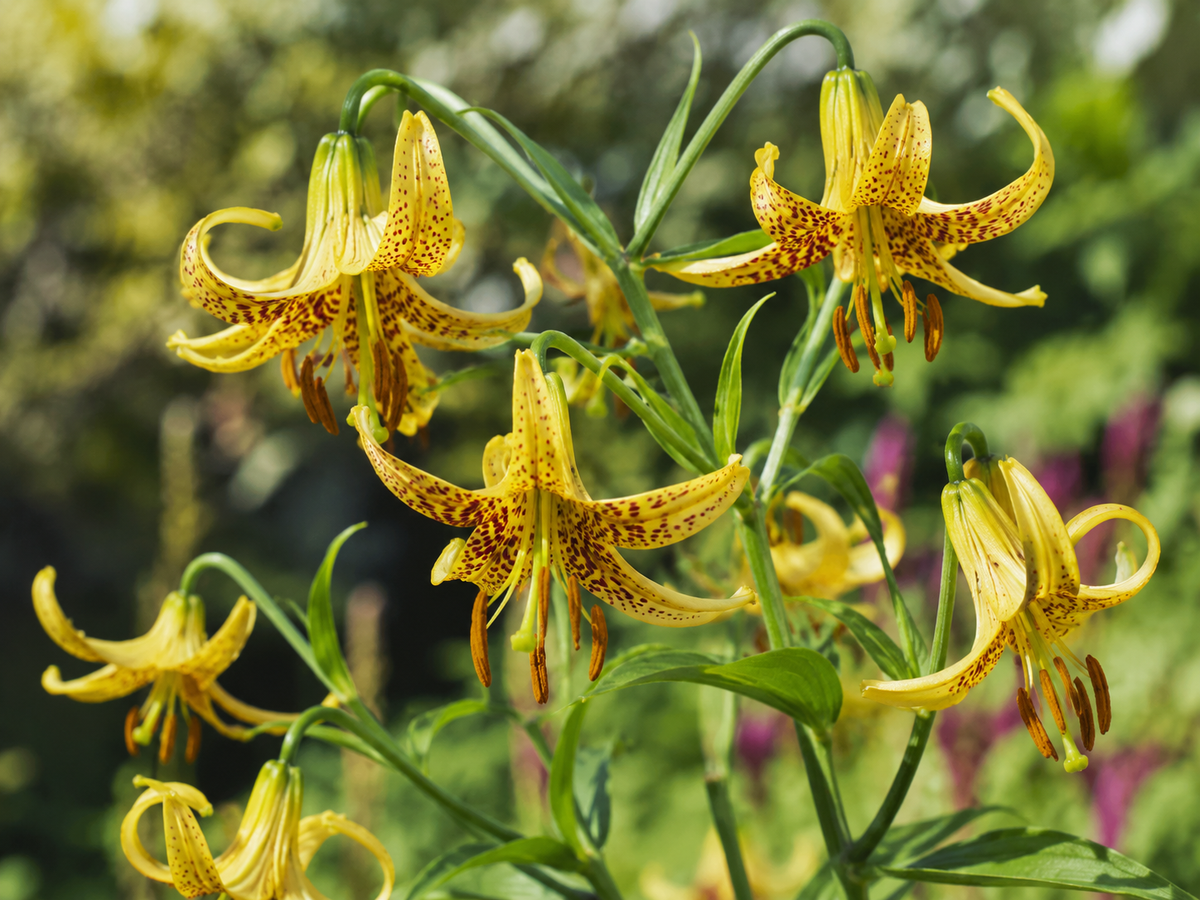
This native bulbous perennial produces elegant nodding yellow, orange, or red flowers visited by several pollinators. Canada Lily prefers the rich, moist soil of woodland edges, wet meadows, and naturalized Canadian gardens.
- Quantity
- About 10 seeds
- Exposure
- Gentle full sun to partial shade
- Life cycle
- Perennial
- Hardiness
- USDA Zones 3 to 8
Discover the plant
Common nameCanada Lily
FamilyLiliaceae
GenusLilium
Speciescanadense
Cultivar
TypeNative bulbous perennial
Botanical nameLilium canadense
Reproducible seedsYes
Canada Lily (Lilium canadense) is a striking native bulbous perennial distinguished by large nodding, bell-shaped flowers that are generally yellow, orange, or reddish with darker spotting. From June through August, several blooms may open on a tall upright stem lined with green leaves arranged in whorls. Plants commonly reach 90 to 180 cm tall and create an elegant silhouette in cool, moist gardens. Exceptionally hardy in Zones 3 to 8, Canada Lily returns reliably after severe Quebec winters. Its refined flowers bring strong ornamental, ecological, and heritage value to native borders, naturalized plantings, and landscapes inspired by open woodland habitats.
Canada Lily prefers gentle full sun or partial shade and deep, humus-rich, moist, well-drained soil. It thrives in wet meadows, open woodland edges, and sites that retain consistent moisture without remaining permanently waterlogged. The seeds have double dormancy and generally require approximately 120 days of warm stratification followed by 60 days of moist cold stratification. Sow them about 5 mm deep and keep the medium evenly moist. Bulb development is slow, and several years may pass before the first flowers appear. Organic mulch protects the root zone, conserves moisture, and helps maintain the cool soil conditions required for healthy long-term growth.
In the garden, Canada Lily suits naturalized borders, woodland edges, moist meadows, and well-drained shoreline plantings. Its nodding flowers attract bees, butterflies, and sometimes hummingbirds, adding a valuable summer resource for biodiversity. Pair it with Northern Blue Flag Iris, Water Avens, Cinnamon Fern, and Spotted Joe-Pye Weed. Avoid repeatedly disturbing established bulbs, and allow the foliage to yellow naturally after flowering so it can replenish underground reserves. As true lilies can be lethally toxic to cats, grow Lilium canadense where cats cannot contact the leaves, flowers, pollen, bulbs, or water that has held cut stems.

Sowing guide
It all startswith a seed.
Sowing depth
Approximately 5 mm
Spacing / density
30 to 45 cm (12 to 18 in)
Germination temperature
18 to 22°C during the warm phase
Germination time
Slow germination after alternating warm and cold periods; may take 12 to 24 months
Sowing period
After warm and cold stratification, or autumn
Propagation
Double-stratified seed or bulb division
Cold stratification
Yes
Growing method
Sow Canada Lily seeds in autumn or spring after a warm-and-cold double stratification to reproduce the natural germination cycle. Cover the seeds lightly with about 5 mm (0.2 in) of growing medium and maintain consistent moisture without waterlogging the soil. Bulb development is slow and requires patience. Young plants thrive in rich, humus-rich, cool soil with full sun to partial shade. The first years are devoted to bulb establishment before abundant flowering begins. Organic mulch helps conserve moisture and protect the developing roots, rewarding gardeners with spectacular blooms in future seasons.
Soil and care
The right care,at the right time.
Soil pH
Slightly acidic to neutral, about 5.5 to 7.0
Minimum temperature
Approximately -40°C with natural protection
Care level
Moderate
Watering
Regular to keep soil evenly moist
Soil type
Deep, humus-rich, loamy, moist, and well drained
Fertilization
Mature compost in spring
Moisture
Moderate to high; moist, humus-rich and well-drained soil
Seasonal care
In spring, gently remove debris covering new shoots and apply a thin layer of compost around the plants. Renew organic mulch without burying the stem bases. During summer, keep the soil moist and water deeply through dry periods. Stake tall stems in exposed locations. After flowering, allow the foliage to yellow completely so the bulb can rebuild its reserves. Remove only unwanted seed capsules. In autumn, protect the soil with shredded leaves and avoid deep cultivation around established bulbs. Monitor for browsing and lily beetle damage where these problems occur.
Container growing
A garden,within reach.
Recommended pot size
30 to 40 cm (12 to 16 in)
Canada Lily can be grown in deep containers during its first years using a rich, well-drained growing medium with excellent drainage. Container culture allows better control of soil moisture and helps protect young bulbs from pests. Place the container where it receives morning sun and light afternoon shade. Because this species develops an extensive root system, transplanting into the ground is recommended for long-term growth and spectacular flowering.

Bloom and dimensions
Its place,in your garden.
Mature height
Approximately 180 cm
Width / spread
Approximately 45 cm
Flower color
Yellow, orange, or red with dark spots
Foliage color
Green
Foliage type
Deciduous
Growth rate
Slow during the first years
Growth habit
Upright and slender
Fragrance
Little to no fragrance
Bloom period
June to August
Fruiting
Upright capsules containing numerous flat seeds
Days to maturity
Usually flowers after 3 to 5 years
Harvest
Flowering generally begins from the third year onward, depending on growing conditions.
Garden associations
In goodcompany.
Companion plants
Northern Blue Flag Iris, Water Avens, Cinnamon Fern, and Spotted Joe-Pye Weed
Plants to avoid
Lavender, cotton lavender, sedum, and very dry-soil plants
Frequently asked questions
Your questions,answered.
When should Canada Lily seeds be sown?
Canada Lily seeds are best sown in autumn or after a warm-and-cold double stratification that mimics natural conditions. Germination and establishment often require patience.
How long does Canada Lily take to flower?
Canada Lily usually requires several years of growth before flowering. The first blooms often appear from the third year onward, depending on growing conditions.
What soil is best for Canada Lily?
This species grows best in rich, humus-rich, cool to moist, well-drained soil. Woodland-edge soils and moist natural habitats are especially suitable.
Does Canada Lily attract pollinators?
Yes. Its large nodding flowers attract bees, butterflies, and occasionally hummingbirds, making it an outstanding plant for supporting biodiversity.
Is Canada Lily safe for cats?
Yes. Canada Lily is exceptionally hardy and tolerates the cold winters of most Canadian regions. A protective layer of mulch is beneficial while young bulbs become established.
Wildlife and pets
Life,around your plants.
Native plant
Yes
Reported toxicity
Yes
Supporting wildlife
Bees, butterflies, and hummingbirds
For a great start to your seeds
The right extras.Right here.
Seed Starting Soil
Shop the collectionSeed starting supplies
Shop the collection