

Sale
Sold out

Native herb
Lamiaceae
Native culinary herbs
Canada Mint – Seeds
Mentha canadensis
Product code : AKENE-0035
Native perennial with strongly mint-scented foliage and small mauve flowers. Canada mint thrives in moist soil, attracts many pollinators, and provides an aromatic harvest from June through September.
- Quantity
- About 50 seeds
- Exposure
- Full sun to partial shade
- Life cycle
- Perennial
- Hardiness
- Zones 3 to 8
Discover the plant
Common nameCanada Mint
FamilyLamiaceae
GenusMentha
Speciescanadensis
Cultivar
TypeNative herb
Botanical nameMentha canadensis
Reproducible seedsYes
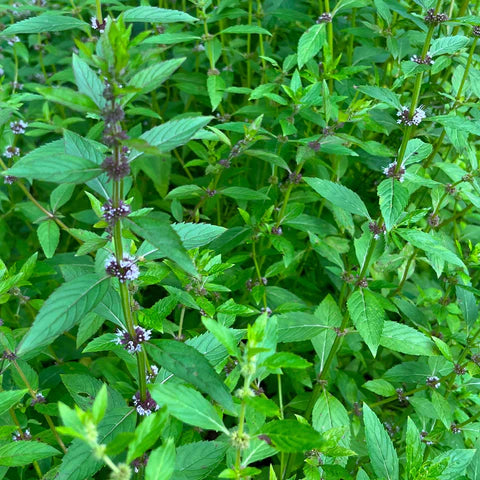
Canada Mint (Mentha canadensis) is a native aromatic perennial valued for its bright green, strongly mint-scented foliage and its natural colony-forming habit. Upright stems generally reach 30 to 60 cm and carry small mauve to lilac flowers in whorls along the stems from July through August. This delicate flowering display brings activity to moist gardens while attracting many insects. Exceptionally hardy, Canada mint returns reliably in Quebec and spreads by rhizomes to form dense patches, making it useful in naturalized plantings, herb gardens, and ecological landscapes where a vigorous native groundcover is appropriate.
Canada mint grows in full sun or partial shade in rich, loamy, moist to wet soil with adequate drainage. Consistent moisture supports vigorous growth and abundant foliage, especially during hot weather. A light spring application of compost is generally sufficient, while excessive nitrogen may reduce the aromatic intensity of the leaves. Because this plant spreads readily by underground rhizomes, it is best placed within a defined area or grown in a container. In Quebec, organic mulch helps conserve soil moisture and protects the shallow roots. Avoid planting it in dry ground where prolonged drought can weaken growth and reduce leaf production.
Canada mint suits rain gardens, riparian plantings, vegetable gardens, herb beds, and pollinator gardens. Nectar-rich flowers attract bees, butterflies, hoverflies, and many other beneficial insects. Leaves may be harvested from June through September to flavour herbal teas, cold drinks, fruit salads, syrups, and jellies. It pairs naturally with blue flag iris, spotted Joe-Pye weed, wild bergamot, and blue vervain. Its vigorous growth should be monitored, however, so spreading rhizomes do not overwhelm smaller neighbouring plants. Container culture or buried edging can help maintain a clearly defined patch while preserving easy access for regular harvesting.

Sowing guide
It all startswith a seed.
Sowing depth
Surface sow
Spacing / density
45 to 60 cm (18 to 24 in)
Germination temperature
18 to 22°C
Germination time
10 to 21 days
Sowing period
Spring or fall, with optional stratification
Propagation
Seed, rhizome division, or stem cuttings
Growing method
Surface sow Canada Mint seeds in spring or autumn on a rich, consistently moist growing medium. The seeds require light for successful germination and should only be lightly pressed into the soil. Maintain temperatures between 18 and 22°C (64 to 72°F) and provide even moisture until seedlings emerge. Once established, transplant into cool to moist soil in full sun or partial shade. The plant spreads naturally by rhizomes to form attractive colonies. Applying organic mulch helps conserve soil moisture during warm weather, making this native herb particularly well suited to rain gardens, riparian plantings, and waterside landscapes.
Soil and care
The right care,at the right time.
Soil pH
6.0 to 7.5
Minimum temperature
Approximately -40°C
Care level
Moderate
Watering
Regular; keep soil moist to wet
Soil type
Rich, loamy, moist to wet, aerated soil
Fertilization
Mature compost in spring; avoid excess nitrogen
Moisture
Moderate to high; prefers moist to wet soil
Seasonal care
In spring, remove dead stems and apply a thin layer of compost around the plants. Monitor new rhizomes and remove shoots that extend beyond the intended area. During summer, keep the soil evenly moist and harvest stems regularly to encourage tender, aromatic regrowth. Remove some flowers when prioritizing leaf production, or leave them for pollinators. In fall, cut back dry stems after the final harvest and apply light mulch. Divide overcrowded colonies in spring to maintain vigour, air circulation, and convenient access for harvesting.
Container growing
A garden,within reach.
Recommended pot size
30 cm (12 in)
Growing Canada Mint in containers is highly recommended to control its natural spread through rhizomes. Use a container at least 30 cm (12 in) deep filled with a rich growing medium that retains moisture well. Place the container in full sun to partial shade and water regularly to keep the soil cool and moist. Container growing makes harvesting easy while preventing the plant from spreading into nearby garden beds.

Bloom and dimensions
Its place,in your garden.
Mature height
60 cm
Width / spread
90 cm per initial colony
Flower color
Mauve to lilac
Foliage color
Bright green
Foliage type
Deciduous
Growth rate
Fast by rhizomes
Growth habit
Upright, rhizomatous and rapidly spreading
Fragrance
Strong fresh mint fragrance
Bloom period
July to August
Fruiting
Small achenes after flowering
Days to maturity
First light harvest approximately 80 to 100 days after sowing
Harvest
Leaves from June to September
Garden associations
In goodcompany.
Companion plants
Blue flag iris, spotted Joe-Pye weed, wild bergamot, blue vervain
Plants to avoid
Lavender, cotton lavender, rockrose, and stonecrop
Recipe idea
From the gardento your plate.
Edible parts
Leaves and young flowering tops
Fresh Canada Mint leaves add wonderful flavor to herbal teas, iced infusions, fruit salads, syrups, jellies, and many summer recipes. Their refreshing mint flavor is especially appreciated in homemade beverages and desserts. The leaves can also be dried for winter teas while retaining much of their aroma. This native herb is an outstanding addition to culinary and herbal gardens.
Frequently asked questions
Your questions,answered.
When should Canada mint seeds be sown?
Canada Mint can be sown in spring or autumn in rich, moist soil. Consistent moisture promotes fast and even germination.
Is Canada mint edible?
Yes. The aromatic leaves are edible and can be enjoyed fresh or dried in teas, beverages, desserts, and many culinary recipes.
Does Canada mint attract pollinators?
Yes. Its nectar-rich summer flowers attract bees, hoverflies, butterflies, and many other beneficial pollinating insects.
Can Canada mint be grown in a container?
Yes. Container growing is highly recommended because it helps control the plant's vigorous rhizomatous spread while making the leaves easy to harvest.
How can Canada mint spread be controlled?
Growing Canada Mint in containers or installing a rhizome barrier are the most effective ways to prevent it from spreading into surrounding garden beds.
Wildlife and pets
Life,around your plants.
Native plant
Yes
Supporting wildlife
Bees, butterflies, and other pollinators
For a great start to your seeds
The right extras.Right here.
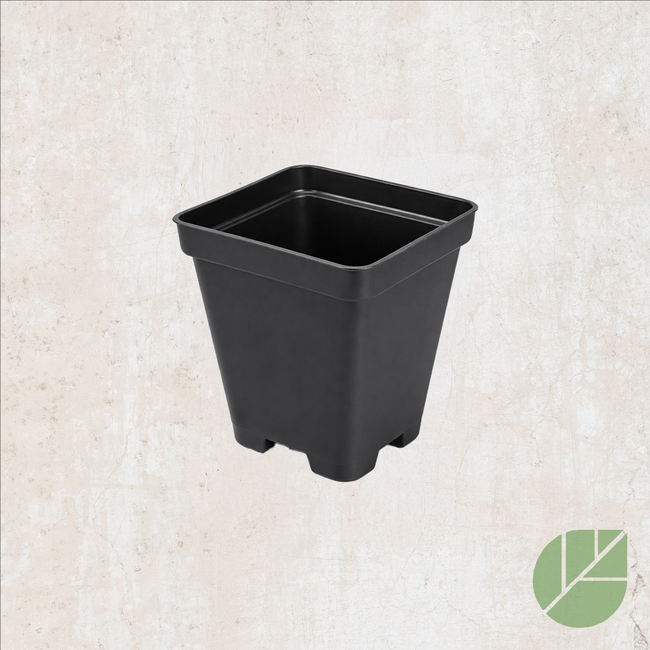
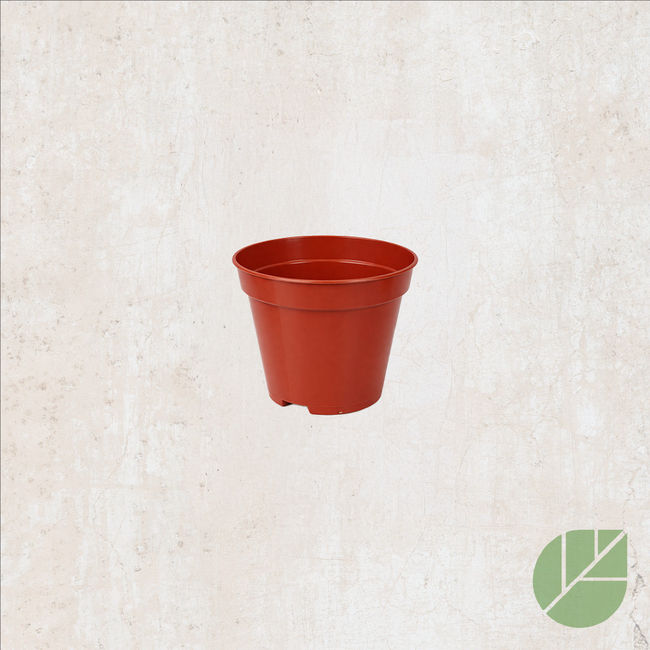
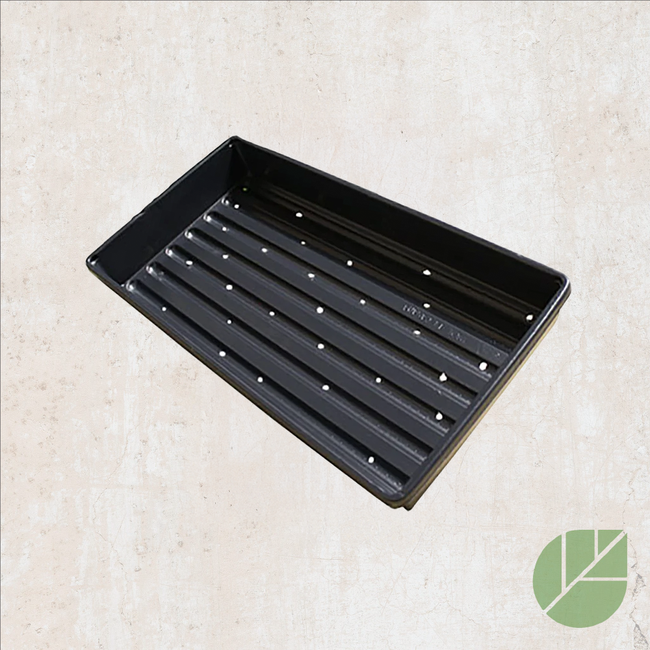
Platters, pots and domes
Shop the collection
Seed Starting Soil
Shop the collectionSeed starting supplies
Shop the collection




