


Sale
Sold out

Native tree
Cannabaceae
Native trees and wildlife plants
Common Hackberry – Seeds
Celtis occidentalis
Product code : AKENE-0036
Large hardy native tree with a rounded crown, corky bark, and small fruits valued by wildlife. Common hackberry tolerates urban conditions well and provides long-lasting shade.
- Quantity
- Approximately 100 seeds
- Exposure
- Full sun to partial shade
- Life cycle
- Perennial
- Hardiness
- Zones 3 to 8
Discover the plant
Common nameCommon Hackberry
FamilyCannabaceae
GenusCeltis
Speciesoccidentalis
Cultivar
TypeNative tree
Botanical nameCeltis occidentalis
Reproducible seedsYes
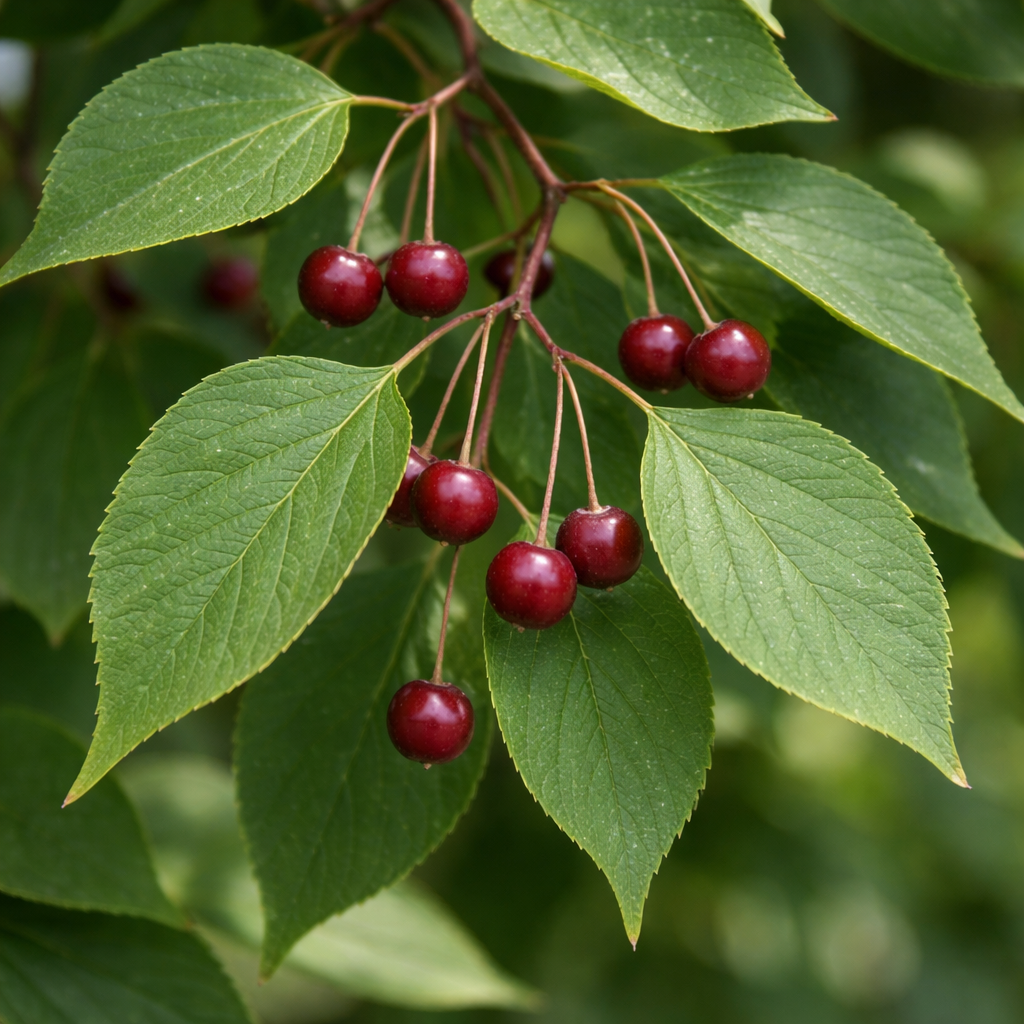
Common Hackberry (Celtis occidentalis) is a large native tree valued for exceptional toughness, longevity, and ecological importance. Its broadly rounded habit gradually develops into a generous crown that provides valuable shade in large gardens, parks, and reforestation projects. Dark green foliage turns yellow in fall, while the grey bark develops distinctive corky ridges with age. Small greenish flowers appear in spring and are followed by rounded fruits that mature from orange-red to dark purple and often remain on the tree for an extended period. Its durable structure and adaptable growth make it a dependable long-term feature in both natural and urban landscapes.
Common hackberry grows in full sun or partial shade and adapts to many well-drained soils. Once established, it tolerates urban conditions, air pollution, moderate drought, and a range of less-than-ideal sites. Regular watering during the first several years supports deep rooting and balanced growth. Organic mulch helps conserve moisture when kept away from direct contact with the trunk. Pruning is generally limited to removing dead, damaged, crossing, or poorly placed branches. In Quebec, its excellent cold hardiness makes it a reliable choice for sustainable landscapes, open sites, and long-term urban greening projects where resilience is essential.
Common hackberry suits large properties, parks, street plantings, wildlife hedgerows, and ecological restoration projects. Its small edible fruits have a mild sweetness sometimes compared with dates or dried figs, although their greatest value is as persistent food for birds and small mammals. The foliage also supports the caterpillars of several native butterflies, increasing the tree’s overall wildlife value. It pairs naturally with downy serviceberry, pagoda dogwood, chokecherry, and bush honeysuckle to create diverse, layered plantings. With generous shade, adaptable growth, edible fruit, and lasting habitat value, Celtis occidentalis is one of the most useful native trees for Canadian landscapes.

Sowing guide
It all startswith a seed.
Sowing depth
5 mm
Spacing / density
8 to 10 m (26 to 33 ft)
Germination temperature
20 to 24°C
Germination time
30 to 90 days after stratification
Sowing period
Fall or spring after soaking and cold stratification
Propagation
Seed after soaking and cold stratification
Cold stratification
Yes
Growing method
Sow Common Hackberry seeds in autumn or spring after soaking followed by cold stratification to improve germination. Plant the seeds about 5 mm (0.2 in) deep in a light, well-drained growing medium kept evenly moist. Temperatures between 20 and 24°C (68 to 75°F) generally produce germination within 60 to 75 days. Young seedlings grow best in full sun to partial shade and fertile soils that encourage rapid root development. Once established, this adaptable native tree tolerates a wide variety of growing conditions and develops into an outstanding shade tree for reforestation and long-term ecological landscapes.
Soil and care
The right care,at the right time.
Soil pH
Acidic to neutral
Minimum temperature
Approximately -40°C
Care level
Low
Drought tolerance
Yes
Watering
Moderate during establishment and prolonged drought
Soil type
Most well-drained soils; highly adaptable
Fertilization
Light spring compost for young trees
Moisture
Low to medium; moist to well-drained soil
Seasonal care
In spring, remove dead, broken, or poorly positioned branches and monitor the development of a strong central structure. Maintain organic mulch over the root zone without piling it against the bark. During the first several years, water deeply through dry periods to encourage durable root development. Avoid severe pruning and intervene only when structure or safety requires it. In fall, allow some leaves to decompose naturally and enrich the soil. Established trees require little routine maintenance beyond occasional inspection of branches, trunk condition, and overall vigour.
Container growing
A garden,within reach.
Recommended pot size
60 to 100 L (16 to 26 gal)
Container growing is recommended only during the tree's first few years because Common Hackberry quickly develops an extensive root system and broad canopy. Use a very large, deep container filled with rich, well-drained growing medium. Water regularly during establishment while avoiding standing water. For long-term success, transplant the tree into the ground as soon as its size allows.

Bloom and dimensions
Its place,in your garden.
Mature height
15 m
Width / spread
12 m
Flower color
Yellowish green
Foliage color
Dark green; yellow in fall
Foliage type
Deciduous
Growth rate
Moderate
Growth habit
Upright tree with a broad rounded crown
Fragrance
Bloom period
Small inconspicuous flowers in spring
Fruiting
Small persistent purple fruits late in the season
Days to maturity
Harvest
September to October when fruits are dark
Garden associations
In goodcompany.
Companion plants
Downy serviceberry, pagoda dogwood, chokecherry, bush honeysuckle
Plants to avoid
Black spruce, sheep laurel, purple pitcher plant, rhodora
Recipe idea
From the gardento your plate.
Edible parts
Flesh of ripe fruit
The small fruits of Common Hackberry are edible and have a mild, sweet flavor reminiscent of dates or dried figs. They can be eaten fresh directly from the tree or incorporated into homemade preserves and other traditional recipes. Many bird species also rely on these persistent fruits as an important food source. Common Hackberry has a history of traditional medicinal use and remains a valuable native tree for edible and ecological landscapes.
Frequently asked questions
Your questions,answered.
When should common hackberry seeds be sown?
Common Hackberry seeds can be sown in autumn or spring after soaking and cold stratification. This treatment greatly improves germination and mimics natural conditions.
Are common hackberry fruits edible?
Yes. The small fruits are edible and have a mildly sweet flavor. They are enjoyed by foragers and also provide an important food source for many bird species.
Why choose common hackberry for reforestation?
Common Hackberry is exceptionally hardy, adaptable, and tolerant of a wide range of urban and natural conditions. It diversifies plantings while providing valuable food and habitat for wildlife.
Is common hackberry a good shade tree?
Yes. Its broad crown and dense foliage provide generous shade, making it an outstanding choice for parks, large landscapes, and long-term shade plantings.
Does common hackberry tolerate urban conditions?
Yes. This species tolerates urban pollution, moderate drought, and many different soil types, making it an excellent choice for sustainable urban landscapes.
Wildlife and pets
Life,around your plants.
Attracts birds
Yes
Native plant
Yes
Supporting wildlife
Beneficial wildlife
For a great start to your seeds
The right extras.Right here.
Seed Starting Soil
Shop the collectionSeed starting supplies
Shop the collection





