Sale
Sold out

Native tree
Rosaceae
Native fruiting trees for wildlife
Black Cherry — Prunus serotina
Product code : AKENE-0012
A relatively fast-growing native tree, Black Cherry provides fragrant spring flowers, fruit valued by wildlife, and outstanding ecological benefits for large properties, woodland edges, and naturalization projects.
- Quantity
- Around 25 seeds
- Exposure
- Full sun to light partial shade
- Life cycle
- Perennial
- Hardiness
- Canadian hardiness zones 2a to 7b
Discover the plant
Common nameBlack Cherry
FamilyRosaceae
GenusPrunus
Speciesserotina
Cultivar
TypeNative tree
Botanical namePrunus serotina
Reproducible seedsYes
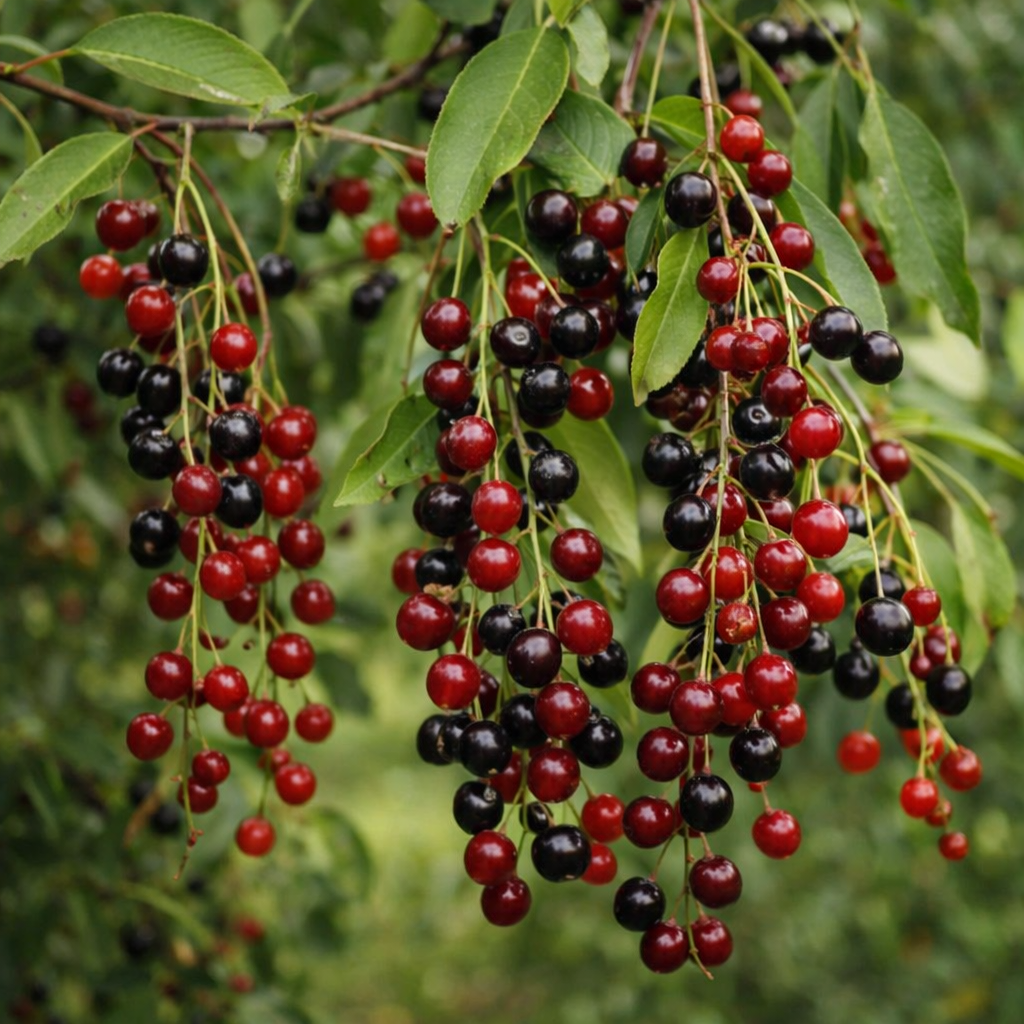
Black Cherry (Prunus serotina) is a large native tree with a crown that begins narrow and becomes rounded and irregular with age. Its glossy dark green foliage accompanies long clusters of small, fragrant, creamy-white flowers in spring. These blooms are followed by round cherries that change from red to deep purple-black as they mature. Young bark is smooth and marked with horizontal lenticels, while older trunks develop dark, scaly plates with a distinctive texture. Autumn foliage may turn yellow, orange, or reddish. Hardy in Quebec and much of Canada, this deciduous tree develops a commanding presence in spacious landscapes, naturalized properties, and woodland plantings.
Black Cherry performs best in full sun, although young trees tolerate light partial shade. It grows particularly well in deep, fertile, moist, slightly acidic, well-drained soil and adapts to several soil textures once established. The seeds are dormant and benefit from outdoor autumn sowing or prolonged moist cold stratification before spring sowing. Keep the growing medium evenly moist without saturation until emergence, which may be slow and irregular. In Quebec and elsewhere in Canada, choose an open location well away from buildings, pavement, and overhead wires so the tree can develop its mature crown and root system without repeated pruning or conflicts with surrounding structures.
In the garden, Black Cherry suits large properties, wildlife hedgerows, edible woodlands, reforestation, and naturalization projects. Its flowers attract bees and many beneficial insects, while the fruit feeds a broad range of birds and mammals. The flesh of fully ripe cherries may be processed after every pit is removed, but the leaves, twigs, bark, and seeds inside the pits contain cyanogenic compounds and must not be consumed. Combined with Canadian Serviceberry, Black Chokeberry, Highbush Cranberry, and Canada Elderberry, this tree helps create a layered habitat rich in food, shelter, seasonal flowers, and ecological value for local wildlife.

Sowing guide
It all startswith a seed.
Sowing depth
1 to 2 cm
Spacing / density
6 to 10 m (20 to 33 ft)
Germination temperature
Approximately 18 to 22°C after stratification
Germination time
Spring germination after cold stratification
Sowing period
Autumn or spring after cold stratification
Propagation
Seed after moist cold stratification
Cold stratification
Yes
Growing method
Sow Black Cherry seeds after a period of warm stratification followed by cold stratification to reproduce their natural dormancy cycle. Plant the seeds in a fresh, well-drained growing medium and maintain even moisture throughout germination. Germination may be slow and irregular, taking anywhere from several weeks to several months. Young seedlings thrive in full sun and fertile soils. Once established, Black Cherry grows relatively quickly into a majestic native tree, making it an outstanding choice for reforestation, wildlife habitat, and biodiversity-focused landscapes.
Soil and care
The right care,at the right time.
Soil pH
Approximately 5.0 to 7.0
Minimum temperature
Approximately -40°C to -45°C
Care level
Moderate
Drought tolerance
Yes
Watering
Moderate during establishment; afterward during drought
Soil type
Deep, loamy, fertile, moist, and well-drained soil
Fertilization
Light spring compost when needed
Moisture
Low to medium; moist to well-drained soil
Seasonal care
In spring, inspect the tree and remove dead, broken, or diseased branches with clean tools. Watch for the dark swollen growths associated with black knot and remove affected wood according to local horticultural guidance. Maintain a broad ring of organic mulch around young trees without piling it against the trunk. During the first several years, water deeply in dry weather and protect the trunk from rodents. Avoid major pruning during wet weather or active growth. In autumn, clear fallen fruit from walkways and review the tree’s structure. Never leave wilted branches or leaves where horses, cattle, or other livestock can reach them.
Container growing
A garden,within reach.
Recommended pot size
75 to 100 cm (30 to 40 in)
Black Cherry can be grown in a large, deep container during its first few years to accommodate its developing taproot. Use a rich, well-drained growing medium and water regularly without allowing the soil to become waterlogged. Full sun encourages vigorous growth and good disease resistance. Because it matures into a large tree, transplanting into the landscape is recommended after a few seasons.

Bloom and dimensions
Its place,in your garden.
Mature height
Approximately 25 m in cultivation
Width / spread
Approximately 12 m
Flower color
Creamy white
Foliage color
Dark green, turning yellow to orange-red in autumn
Foliage type
Deciduous
Growth rate
Moderate to fast
Growth habit
Upright with a rounded to narrow crown
Fragrance
Lightly fragrant flowers; twigs smell of bitter almond
Bloom period
May to June
Fruiting
Small purple-black drupes with ripe flesh usable after pitting
Days to maturity
Several years before first fruiting
Harvest
August to September, when fruit is purple-black
Garden associations
In goodcompany.
Companion plants
Canadian Serviceberry, Black Chokeberry, Highbush Cranberry, Canada Elderberry
Plants to avoid
Avoid very dry-site plants and crops sensitive to dense shade
Recipe idea
From the gardento your plate.
Edible parts
Flesh of fully ripe fruit, pits removed
The small black cherries can be transformed into delicious jellies, syrups, jams, wines, and other traditional preserves. Their flavor becomes much more enjoyable once fully ripe or cooked. The fruit is also an important food source for birds and small mammals. Black Cherry has a long history of culinary and traditional use throughout North America.
Frequently asked questions
Your questions,answered.
When should Black Cherry seeds be sown?
Black Cherry seeds should ideally undergo warm stratification followed by cold stratification before sowing. This treatment closely mimics natural forest conditions and greatly improves germination.
Is Black Cherry fruit edible?
Yes. Fully ripe fruits are edible and are commonly used in jellies, syrups, jams, wines, and other traditional recipes. Their flavor improves significantly after processing.
Does Black Cherry attract wildlife?
Yes. The fragrant flowers attract numerous pollinators, while the fruit provides an important food source for many bird species and small mammals.
Is Black Cherry suitable for Quebec?
Yes. Black Cherry is fully hardy throughout most of Canada and adapts very well to fertile woodland soils and natural landscapes.
How can Black Cherry diseases be reduced?
Black Cherry combines fragrant spring blossoms, abundant edible fruit, beautiful fall color, rapid growth, and exceptional ecological value, making it one of the finest native trees for wildlife-friendly and sustainable landscapes.
Wildlife and pets
Life,around your plants.
Attracts birds
Yes
Native plant
Yes
Reported toxicity
Yes
Supporting wildlife
Bees, birds, and beneficial wildlife
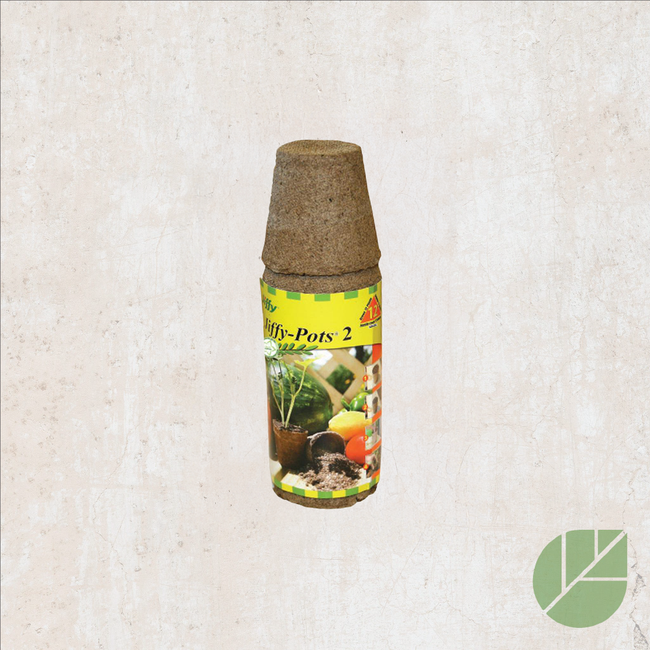
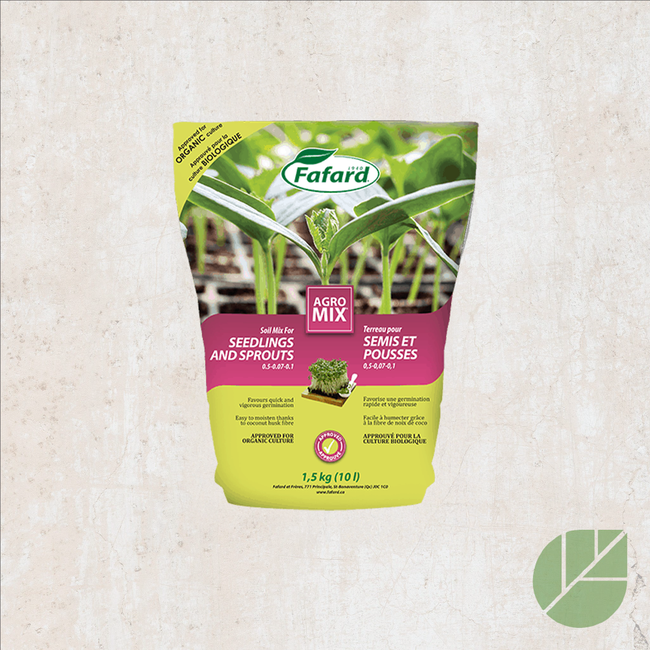
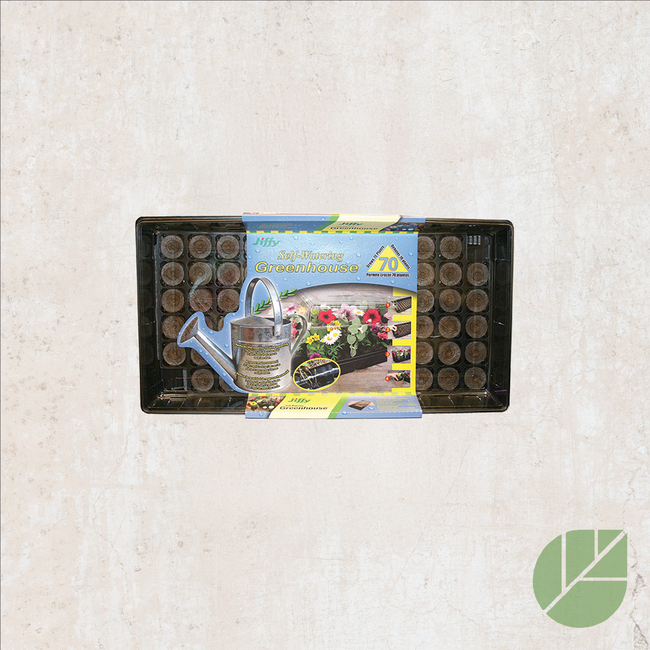
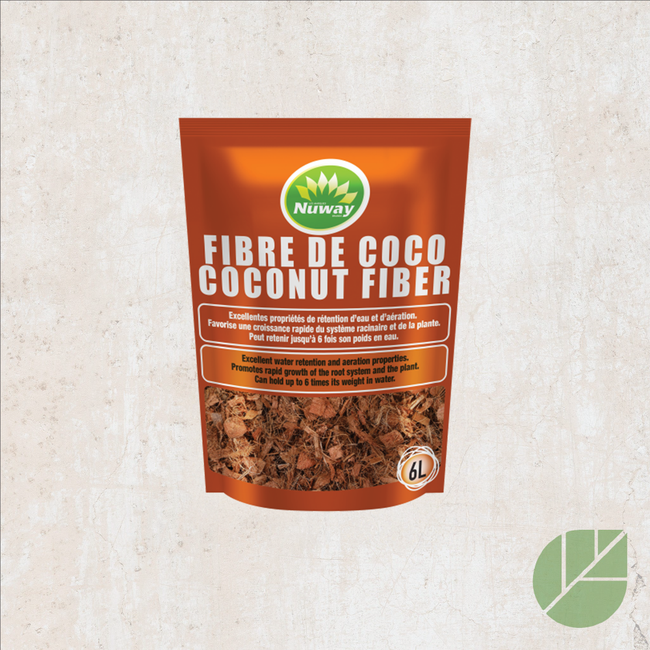
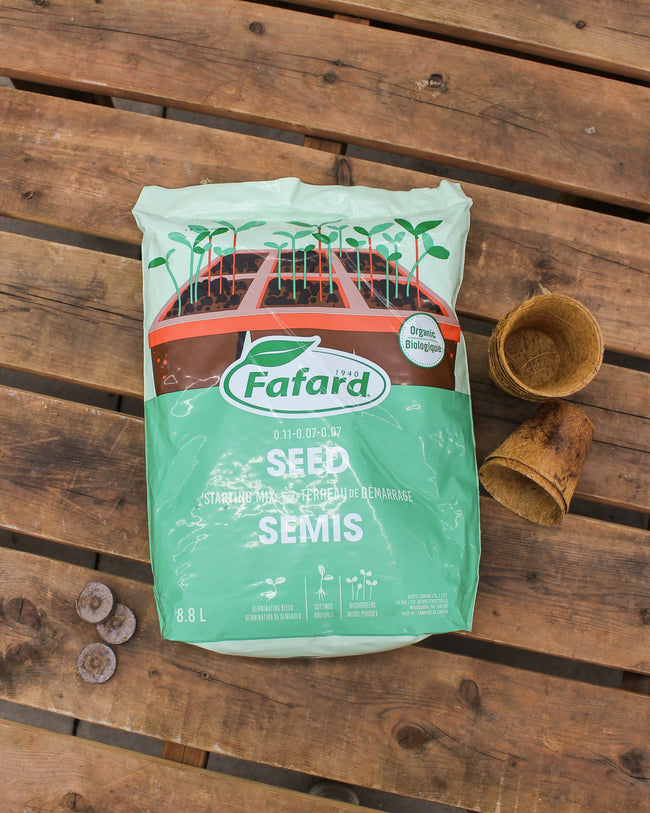
For a great start to your seeds
The right extras.Right here.
Seed Starting Soil
Shop the collectionSeed starting supplies
Shop the collection