Sale
Sold out

Native tree
Betulaceae
Native small woodland trees
American Hornbeam – Seeds
Carpinus caroliniana
Product code : AKENE-0013
Exceptionally hardy native tree with smooth, fluted grey bark and yellow, orange, or red fall foliage. American hornbeam suits woodland gardens while supporting native birds, small mammals, and a wide range of beneficial insects.
- Quantity
- About 25 seeds
- Exposure
- Full sun, partial shade, or light shade
- Life cycle
- Perennial
- Hardiness
- Zones 3 to 8
Discover the plant
Common nameAmerican Hornbeam
FamilyBetulaceae
GenusCarpinus
Speciescaroliniana
Cultivar
TypeNative tree
Botanical nameCarpinus caroliniana
Reproducible seedsYes
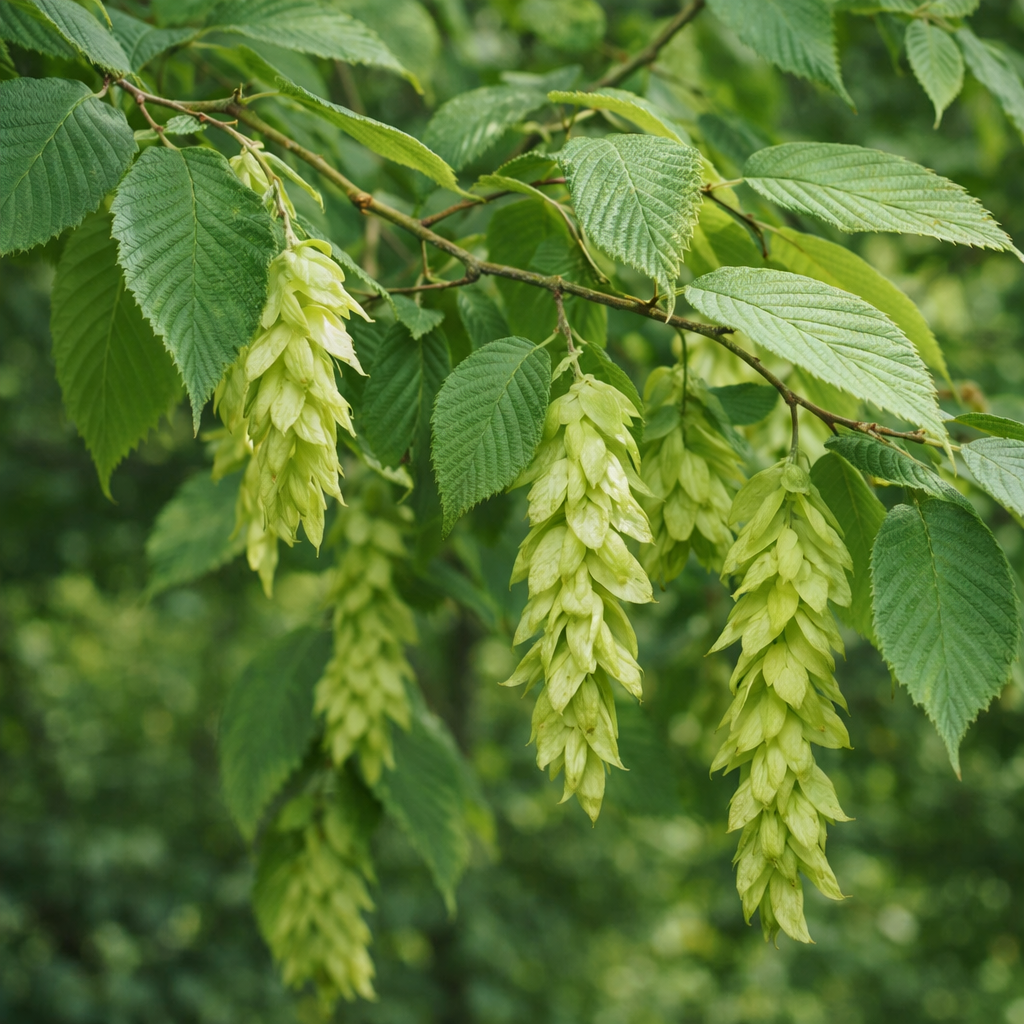
American Hornbeam (Carpinus caroliniana) is a native understory tree valued for its graceful form and smooth grey trunk, which develops distinctive muscular fluting with age. Its finely toothed, dark green deciduous leaves turn shades of yellow, orange, or red in autumn. Inconspicuous spring catkins are followed by attractive clusters of winged samaras. Slow to moderately growing, this American hornbeam reaches a manageable size for woodland gardens while providing ornamental interest throughout the seasons. Its sculptural bark remains especially appealing in winter after the leaves have fallen. Exceptionally hardy when properly established, it is well suited to cold Quebec and Canadian landscapes.
American hornbeam grows in full sun, partial shade, or light woodland shade, although it performs particularly well in conditions resembling a forest edge. It prefers deep, fertile soil enriched with organic matter, with an acidic to neutral pH and consistent moisture without prolonged waterlogging. Regular watering supports young trees during establishment, while an organic mulch protects the roots and helps keep the soil cool. Pruning is generally limited to removing dead, damaged, or poorly placed branches. In Quebec and other cold Canadian regions, select a site protected from drying winds and maintain even moisture during the first several growing seasons to encourage dependable establishment.
American hornbeam is an excellent specimen, understory tree, natural hedgerow component, or addition to woodland restoration projects. Its refined silhouette pairs naturally with downy serviceberry, alternate-leaved dogwood, native ferns, and bloodroot. Spring catkins provide pollen for insects, while the seeds, buds, foliage, and associated caterpillars offer food for birds and small mammals. Its roots can also help stabilize soil in moderately moist woodland settings. Sometimes called musclewood or blue beech because of its distinctive trunk, Carpinus caroliniana brings structure, vibrant fall colour, and meaningful wildlife value to sustainable landscapes designed to conserve native biodiversity.

Sowing guide
It all startswith a seed.
Sowing depth
4 to 5 mm
Spacing / density
6 to 9 m (20 to 30 ft)
Germination temperature
20 to 22°C
Germination time
Often slow to germinate after warm and cold pretreatments
Sowing period
Fall or spring after stratification
Propagation
Seed after warm and cold stratification
Cold stratification
Yes
Seed scarification
Yes
Growing method
Sow American Hornbeam seeds in autumn or reproduce their natural dormancy by applying warm stratification followed by cold stratification before spring sowing. Cover the seeds lightly with growing medium and maintain consistent moisture without overwatering. Germination may be slow and irregular due to natural dormancy. Young seedlings perform best in bright locations protected from excessive summer heat. Although slow growing, Carpinus caroliniana develops exceptional longevity, remarkable bark, and outstanding ornamental value, making it one of the finest native trees for woodland gardens and ecological landscapes.
Soil and care
The right care,at the right time.
Soil pH
Acidic to neutral
Minimum temperature
Approximately -40°C
Care level
Low
Watering
Regular during establishment; evenly moist soil
Soil type
Deep, fertile, moist, well-drained soil
Fertilization
Mature compost in spring; avoid overfeeding
Moisture
Medium; moist, well-drained soil
Seasonal care
In spring, remove only dead, broken, or poorly positioned branches to preserve the tree’s natural form. Renew the organic mulch over the root zone without piling it against the trunk. Water deeply during dry periods, especially through the first several years. During summer, monitor young container-grown plants closely because their growing medium can dry quickly. In fall, allow some fallen leaves to decompose naturally, enriching the soil and sheltering beneficial organisms. Once established, American hornbeam requires little intervention and normally maintains an attractive structure without intensive pruning or fertilization.
Container growing
A garden,within reach.
Recommended pot size
50 to 75 cm (20 to 30 in)
American Hornbeam can be grown in a deep container at least 50 cm (20 in) deep during its first few years to encourage strong root development. Use a rich growing medium high in organic matter that retains moisture while providing excellent drainage. As the tree matures, transplanting into the landscape is recommended to allow full canopy development. A layer of mulch helps maintain cool soil and reduces watering requirements.

Bloom and dimensions
Its place,in your garden.
Mature height
12 m
Width / spread
9 m
Flower color
Greenish yellow
Foliage color
Dark green; yellow, orange, or red in fall
Foliage type
Deciduous
Growth rate
Slow to moderate
Growth habit
Rounded, spreading, and often multi-stemmed
Fragrance
Bloom period
Inconspicuous spring catkins
Fruiting
Clusters of winged samaras in late summer
Days to maturity
Several years to maturity
Harvest
September to October
Garden associations
In goodcompany.
Companion plants
Downy serviceberry, alternate-leaved dogwood, bloodroot, ostrich fern
Plants to avoid
Avoid plants requiring very dry soil
Frequently asked questions
Your questions,answered.
When should American hornbeam seeds be sown?
American Hornbeam seeds benefit from warm stratification followed by cold stratification to overcome dormancy. They can then be sown in spring or naturally overwintered outdoors.
Is American hornbeam native to Canada?
Yes. Carpinus caroliniana is native to southern regions of Canada and is highly valued for supporting local biodiversity.
Can American hornbeam grow in partial shade?
Yes. American Hornbeam grows exceptionally well in partial shade and naturally occurs in open woodlands and forest edges.
Does American hornbeam attract wildlife?
Yes. Its flowers provide pollen for beneficial insects, while its winged seeds feed a variety of birds and small mammals.
Why plant an American hornbeam?
Its elegant habit, distinctive muscle-like bark, brilliant autumn foliage, and exceptional ecological value make American Hornbeam one of the finest native trees for natural and sustainable landscapes.
Wildlife and pets
Life,around your plants.
Attracts birds
Yes
Native plant
Yes
Supporting wildlife
Bees, birds, and pollinators
For a great start to your seeds
The right extras.Right here.
Seed Starting Soil
Shop the collectionSeed starting supplies
Shop the collection