


Sale
Sold out

Large native conifer
Pinaceae
Native conifers for reforestation
White Spruce – Seeds
Picea glauca
Product code : AKENE-0019
This exceptionally hardy native conifer forms a pyramidal evergreen crown that shelters wildlife and reduces wind. White Spruce is ideal for reforestation, natural screens, windbreaks, and spacious forest landscapes throughout Canada.
- Quantity
- About 25 seeds
- Exposure
- Full sun to light partial shade
- Life cycle
- Perennial
- Hardiness
- USDA Zones 2 to 6
Discover the plant
Common nameWhite Spruce
FamilyPinaceae
GenusPicea
Speciesglauca
Cultivar
TypeLarge native conifer
Botanical namePicea glauca
Reproducible seedsYes
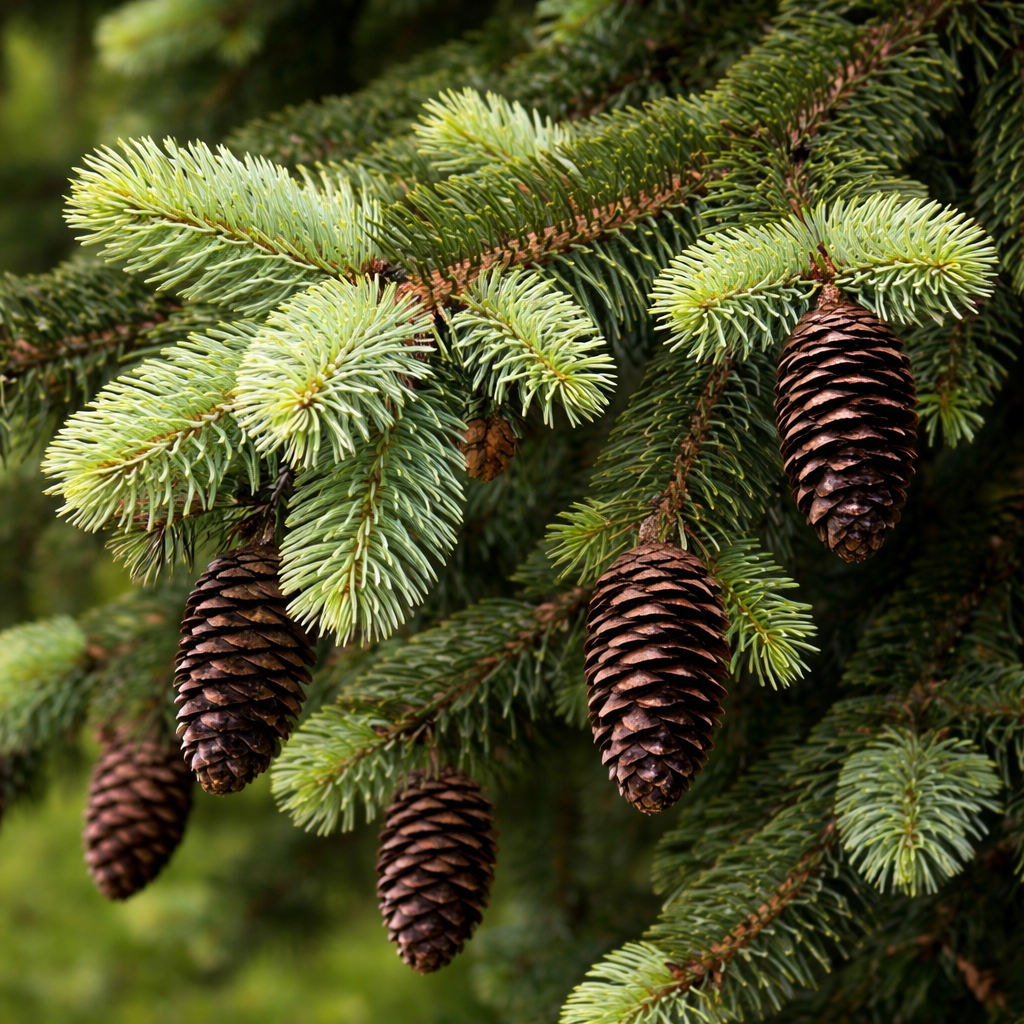
White Spruce (Picea glauca) is a large native conifer emblematic of Canadian boreal forests. Its regular pyramidal form, layered branches, and evergreen blue-green needles create a dense silhouette that remains attractive throughout every season. Young female cones may appear greenish or reddish before maturing to pale brown. This tree generally reaches 15 to 25 m tall and may grow larger under favourable forest conditions. Exceptionally cold hardy, it withstands the most severe Quebec winters while retaining its foliage. Its longevity, substantial stature, and native character make White Spruce an outstanding tree for spacious properties, forest plantings, and long-term ecological landscapes across Canada.
White Spruce grows in full sun or light partial shade and in moist, well-drained soil ranging from slightly acidic to neutral. It adapts to sandy, loamy, or clay ground but performs poorly in standing water and permanently saturated sites. Fresh seeds do not always have deep dormancy, although soaking followed by a short period of moist cold stratification may improve uniform emergence. Sow them shallowly in a light medium and maintain consistent moisture without saturation. Young seedlings benefit from bright light, moderate temperatures, and protection from excessive heat. Water regularly during their first growing seasons in Quebec, then reduce supplemental irrigation as the root system becomes established.
In the landscape, White Spruce is well suited to reforestation, windbreaks, evergreen screens, and the restoration of forested habitats. Its dense branches protect birds and small mammals throughout the year, while its seeds provide food for various granivorous species. Planted with Paper Birch, Jack Pine, Serviceberry, and Sheep Laurel, it helps recreate a diverse boreal community. The root system also helps hold soil, and the evergreen canopy reduces wind speed. Allow generous clearance from buildings, overhead wires, drainage systems, and small garden beds so the tree can develop its full dimensions without requiring repeated pruning or compromising nearby structures.

Sowing guide
It all startswith a seed.
Sowing depth
Approximately 3 to 6 mm
Spacing / density
4 to 8 m (13 to 26 ft)
Germination temperature
18 to 22°C
Germination time
10 to 30 days after prechilling
Sowing period
Autumn or spring after short cold stratification
Propagation
Seed; cold stratification optional but useful
Cold stratification
Yes
Growing method
Sow White Spruce seeds in autumn or spring after soaking and cold stratification. Plant the seeds about 3 mm deep in a light, well-drained growing medium kept consistently moist. Germination generally occurs within 30 to 42 days at 18 to 20°C (64 to 68°F). Young seedlings thrive in bright light without excessive heat before being gradually acclimated outdoors. Once established, White Spruce becomes exceptionally hardy and requires very little maintenance, making it one of the finest native conifers for reforestation and northern landscapes.
Soil and care
The right care,at the right time.
Soil pH
Slightly acidic to neutral, about 5.0 to 7.0
Minimum temperature
Approximately -45 to -50°C
Care level
Low
Watering
Regular during establishment; occasional afterward
Soil type
Sandy to clay, moist and well drained
Fertilization
Light compost for young trees only
Moisture
Medium; moist, well-drained soil
Seasonal care
In spring, inspect young trees and remove only dead, broken, or winter-damaged branches. Maintain organic mulch over the root zone without piling it against the trunk. During summer, water young White Spruce deeply through dry periods, particularly for the first two or three years. Avoid repeated shaping because the natural pyramidal form develops best with minimal intervention. In autumn, continue watering until freeze-up when the soil remains dry. During winter, protect young specimens from road salt, drying winds, and animal browsing. Mature trees generally require little seasonal care beyond monitoring for damage and prolonged drought.
Container growing
A garden,within reach.
Recommended pot size
50 cm (20 in)
White Spruce can be grown in a large container at least 50 cm (20 in) deep during its early years using a light, well-drained growing medium. This method is ideal for producing young trees for later transplanting or reforestation projects. Water regularly without allowing the soil to remain saturated, and protect the container from extreme freezing during winter. As this species matures into a large conifer, planting it in the ground is recommended for long-term growth.

Bloom and dimensions
Its place,in your garden.
Mature height
Approximately 25 to 30 m in favourable conditions
Width / spread
Approximately 8 m
Flower color
Reddish, yellowish, or greenish
Foliage color
Green to blue-green
Foliage type
Evergreen
Growth rate
Moderate
Growth habit
Conical, dense, and upright
Fragrance
Resinous and forest-like
Bloom period
Male and female cones in spring
Fruiting
Pale brown hanging cones containing winged seeds
Days to maturity
Several decades to reach mature size
Harvest
Cones from late summer through autumn
Garden associations
In goodcompany.
Companion plants
Paper Birch, Jack Pine, Serviceberry, and Sheep Laurel
Plants to avoid
Lavender, cotton lavender, and plants requiring hot, very dry soil
Recipe idea
From the gardento your plate.
Edible parts
Young spring tips, in small amounts
The aromatic young spring tips can be harvested in moderation to flavor syrups, jellies, teas, and other traditional forest recipes. Their fresh resinous flavor is characteristic of Canada's boreal forests. Harvest the tender, pale green shoots in spring for the best flavor. Today, White Spruce is valued equally for its culinary traditions and its immense ecological importance.
Frequently asked questions
Your questions,answered.
When should White Spruce seeds be sown?
White Spruce seeds are typically sown in spring after cold stratification or naturally in autumn. Cold stratification greatly improves germination.
Is White Spruce suitable for reforestation?
Yes. White Spruce is perfectly adapted to Canadian climates and withstands some of the coldest winters in North America. It is one of the most widely planted species for reforestation.
How tall does White Spruce grow?
Yes. The tender spring tips can be harvested in moderation to make syrups, jellies, teas, and forest-inspired recipes with a fresh resinous flavor.
Can White Spruce grow in partial shade?
Yes. White Spruce provides outstanding shelter for birds, small mammals, and beneficial insects, while its seeds are an important food source for wildlife.
When should White Spruce be pruned?
White Spruce is ideal for windbreaks, shade, natural privacy screens, reforestation, and restoring native forest ecosystems. Its evergreen foliage provides beauty and ecological value throughout the year.
Wildlife and pets
Life,around your plants.
Attracts birds
Yes
Native plant
Yes
Supporting wildlife
Beneficial wildlife
For a great start to your seeds
The right extras.Right here.
Seed Starting Soil
Shop the collectionSeed starting supplies
Shop the collection





