


Sale
Sold out

Edible native groundcover
Rosaceae
Native berries and edible groundcovers
Wild Strawberry – Seeds
Fragaria virginiana
Product code : AKENE-0021
Hardy native groundcover producing small, exceptionally fragrant red strawberries. Wild strawberry spreads by runners, attracts pollinators, and helps stabilize soil in edible, woodland, and naturalized gardens.
- Quantity
- Approximately 50 seeds
- Exposure
- Full sun to partial shade
- Life cycle
- Perennial
- Hardiness
- Zones 3 to 8
Discover the plant
Common nameWild Strawberry
FamilyRosaceae
GenusFragaria
Speciesvirginiana
Cultivar
TypeEdible native groundcover
Botanical nameFragaria virginiana
Reproducible seedsYes
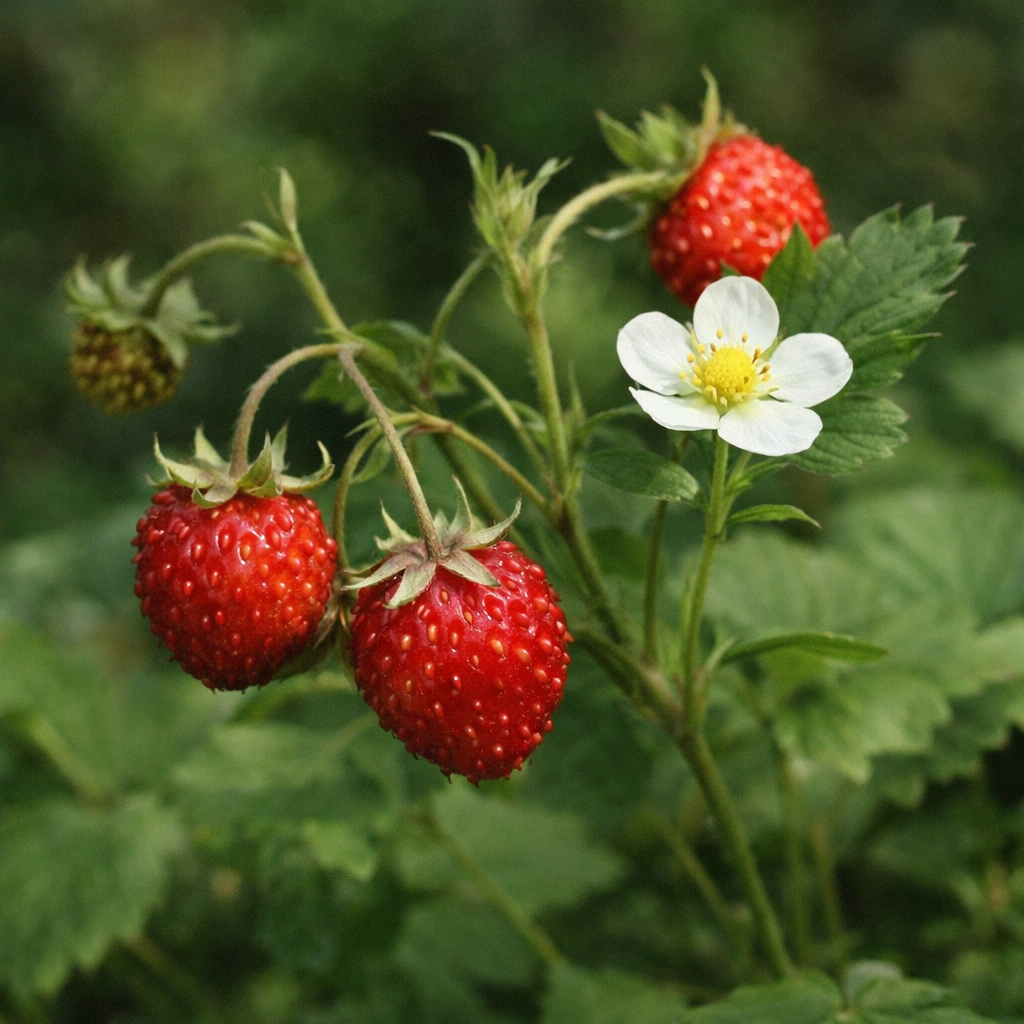
Wild Strawberry (Fragaria virginiana) is a native, mat-forming perennial with low clusters of green, finely toothed, three-part leaves. In spring, small white flowers with yellow centres rise above the foliage and attract many pollinators. They are followed by small, juicy, highly fragrant red strawberries, usually ready for harvest in early summer. Although much smaller than cultivated strawberries, the fruit offers an exceptionally concentrated flavour. This hardy native strawberry returns reliably in Quebec gardens and spreads naturally by runners, gradually creating a living groundcover that is attractive, edible, and useful for filling open spaces between larger plants.
Wild strawberry grows in full sun or partial shade in sandy to loamy soil enriched with organic matter and supplied with good drainage. Consistent moisture during flowering and fruit development encourages a larger and more dependable harvest. Once established, plants tolerate short dry periods, although production is best when the soil remains lightly moist. A mulch of shredded leaves, clean straw, or compost helps suppress weeds, conserve moisture, and keep ripening fruit away from bare soil. In Quebec, a light spring application of compost is normally sufficient. Avoid excessive nitrogen, which encourages abundant foliage and runners at the expense of flowers and fruit.
Wild strawberry suits edible gardens, rock gardens, border edges, open woodlands, and naturalized landscapes. Its runners quickly colonize available ground, help stabilize exposed soil, and may provide a low lawn alternative in lightly used areas. Spring flowers feed bees, butterflies, and other beneficial insects, while the ripe fruit is enjoyed by birds and small mammals. It pairs naturally with Canada serviceberry, wild bergamot, wild columbine, and native goldenrods. The fragrant berries can be eaten fresh or used in jam, jelly, sauces, pies, and summer desserts. Their intense flavour makes even a small harvest a memorable addition to the garden kitchen.

Sowing guide
It all startswith a seed.
Sowing depth
Surface sow
Spacing / density
30 to 45 cm (12 to 18 in)
Germination temperature
18 to 22°C
Germination time
14 to 30 days after 2 to 3 months of stratification
Sowing period
Fall or spring after cold stratification
Propagation
Seed, runners, or division of rooted rosettes
Cold stratification
Yes
Growing method
Sow Wild Strawberry seeds in autumn or spring after a period of cold stratification to improve germination. Surface sow the seeds because light encourages successful germination. Maintain temperatures between 18 and 22°C (64 to 72°F) and keep the growing medium evenly moist. Germination typically occurs within 30 to 60 days. Transplant seedlings once several true leaves have developed. Mature plants spread naturally by runners, gradually forming an attractive edible groundcover.
Soil and care
The right care,at the right time.
Soil pH
Acidic to neutral
Minimum temperature
Approximately -40°C
Care level
Moderate
Drought tolerance
Yes
Watering
Regular during flowering and fruit development
Soil type
Sandy to loamy, humus-rich, well-drained soil
Fertilization
Light compost in spring; avoid excess nitrogen
Moisture
Medium; moist, well-drained soil
Seasonal care
In spring, remove dead or damaged leaves and apply a thin layer of compost around the plants. Add light mulch to conserve moisture, suppress weeds, and keep ripening fruit clean. During flowering and fruit development, water regularly whenever the soil begins to dry. Harvest ripe strawberries frequently to prevent spoilage. After fruiting, guide, root, or cut the runners according to the available space. In fall, retain some foliage as natural protection. Thin colonies that have become excessively dense to maintain air circulation, reduce competition, and encourage healthy flowering and fruit production the following season.
Container growing
A garden,within reach.
Recommended pot size
25 to 30 cm (10 to 12 in)
Wild Strawberry grows easily in containers at least 25 to 30 cm (10 to 12 in) deep. Use a rich, well-drained growing medium and place the container in full sun or partial shade. Water regularly to maintain consistent moisture without waterlogging the soil. Runners can be trimmed or guided to keep the plant compact. Container growing makes harvesting the flavorful berries easy, even on patios and balconies.

Bloom and dimensions
Its place,in your garden.
Mature height
15 cm
Width / spread
60 cm per initial colony
Flower color
White with yellow centres
Foliage color
Green
Foliage type
Deciduous to semi-evergreen depending on climate
Growth rate
Moderate to fast by runners
Growth habit
Low, creeping, and runner-forming
Fragrance
Highly fragrant fruit
Bloom period
May to June
Fruiting
Small, juicy, fragrant red strawberries
Days to maturity
Usually fruits from the second year
Harvest
June to July
Garden associations
In goodcompany.
Companion plants
Canada serviceberry, wild bergamot, wild columbine, goldenrods
Plants to avoid
Horsetail, blue flag iris, marsh marigold, ligularia
Recipe idea
From the gardento your plate.
Edible parts
Ripe fruit and leaves for tea
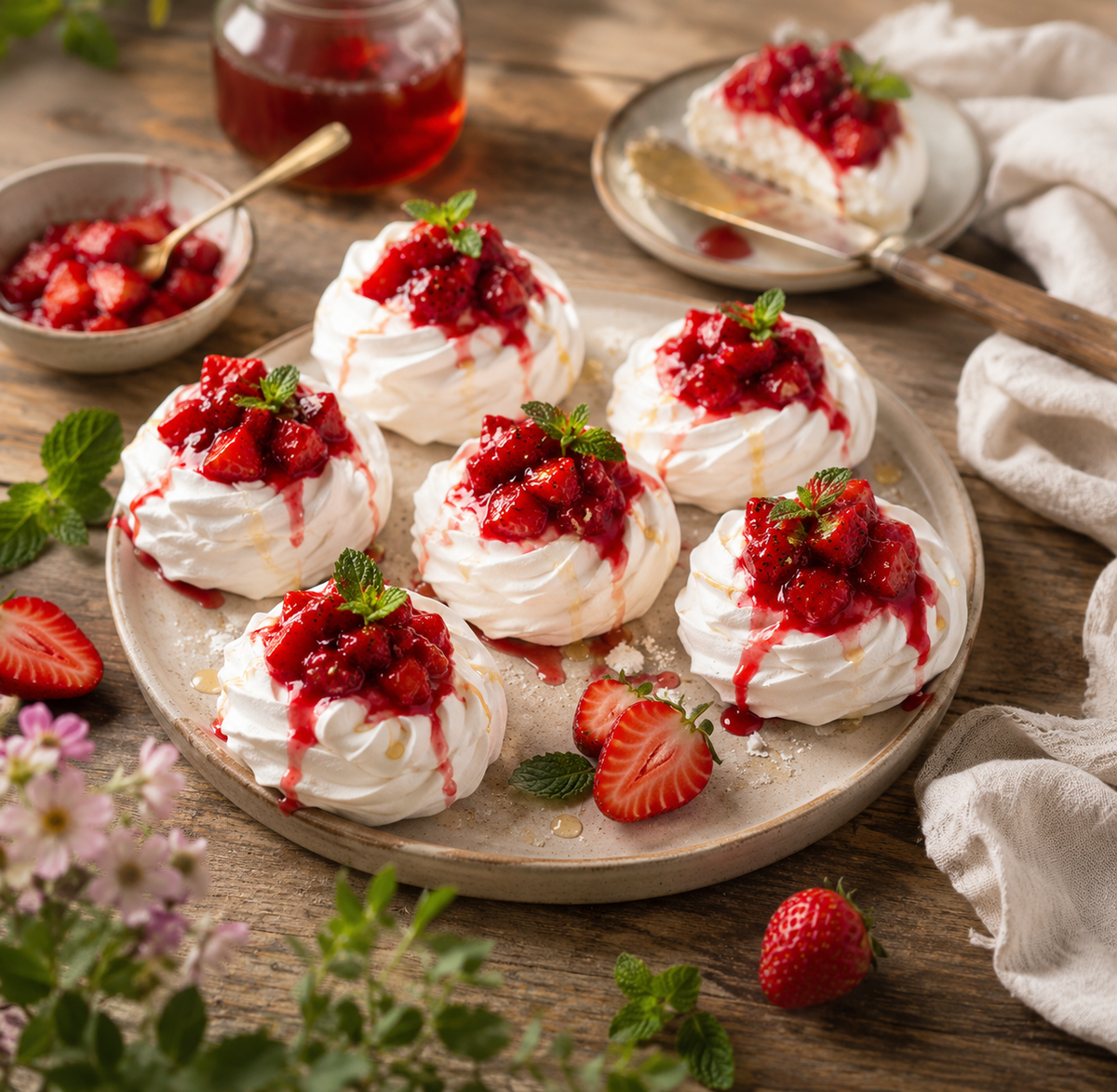
The fragrant berries of Wild Strawberry are delicious eaten fresh straight from the garden or used in a wide variety of traditional recipes. Their exceptionally rich flavor makes them perfect for homemade jams, jellies, syrups, sauces, pies, desserts, and fresh fruit salads. The leaves have also been traditionally used to prepare herbal teas. Beyond its edible harvest, Wild Strawberry supports pollinators, provides food for wildlife, and makes an outstanding addition to edible landscapes and ecological gardens throughout Canada.
Frequently asked questions
Your questions,answered.
When should wild strawberry seeds be sown?
Wild Strawberry seeds are best sown in autumn or spring after cold stratification, which greatly improves germination.
Are wild strawberries edible?
Yes. Wild Strawberry produces small, intensely fragrant red berries enjoyed by both people and wildlife. The fruit ripens in early summer
Can wild strawberry be used as groundcover?
Yes. Wild Strawberry spreads naturally by runners to form an excellent living groundcover that suppresses weeds and helps reduce soil erosion.
Does wild strawberry attract pollinators?
Yes. Its spring flowers attract native bees and many other pollinating insects, making it an excellent addition to pollinator-friendly gardens.
Is wild strawberry hardy in Quebec?
Yes. Wild Strawberry is fully hardy throughout most of Canada and returns reliably year after year.
Wildlife and pets
Life,around your plants.
Attracts birds
Yes
Native plant
Yes
Supporting wildlife
Bees and pollinators
For a great start to your seeds
The right extras.Right here.
Seed Starting Soil
Shop the collectionSeed starting supplies
Shop the collection





