


Sale
Sold out

Native woodland perennial
Urticaceae
Edible woodland perennials
Wood Nettle – Seeds
Laportea canadensis
Product code : AKENE-0026
A native perennial of moist woodlands, Wood Nettle forms dense foliage that supports biodiversity. Its young shoots are edible after cooking or drying, although fresh plants bear stinging hairs.
- Quantity
- About 200 seeds
- Exposure
- Partial shade to light shade
- Life cycle
- Perennial
- Hardiness
- Zones 3 to 8
Discover the plant
Common nameWood Nettle
FamilyUrticaceae
GenusLaportea
Speciescanadensis
Cultivar
TypeNative woodland perennial
Botanical nameLaportea canadensis
Reproducible seedsYes
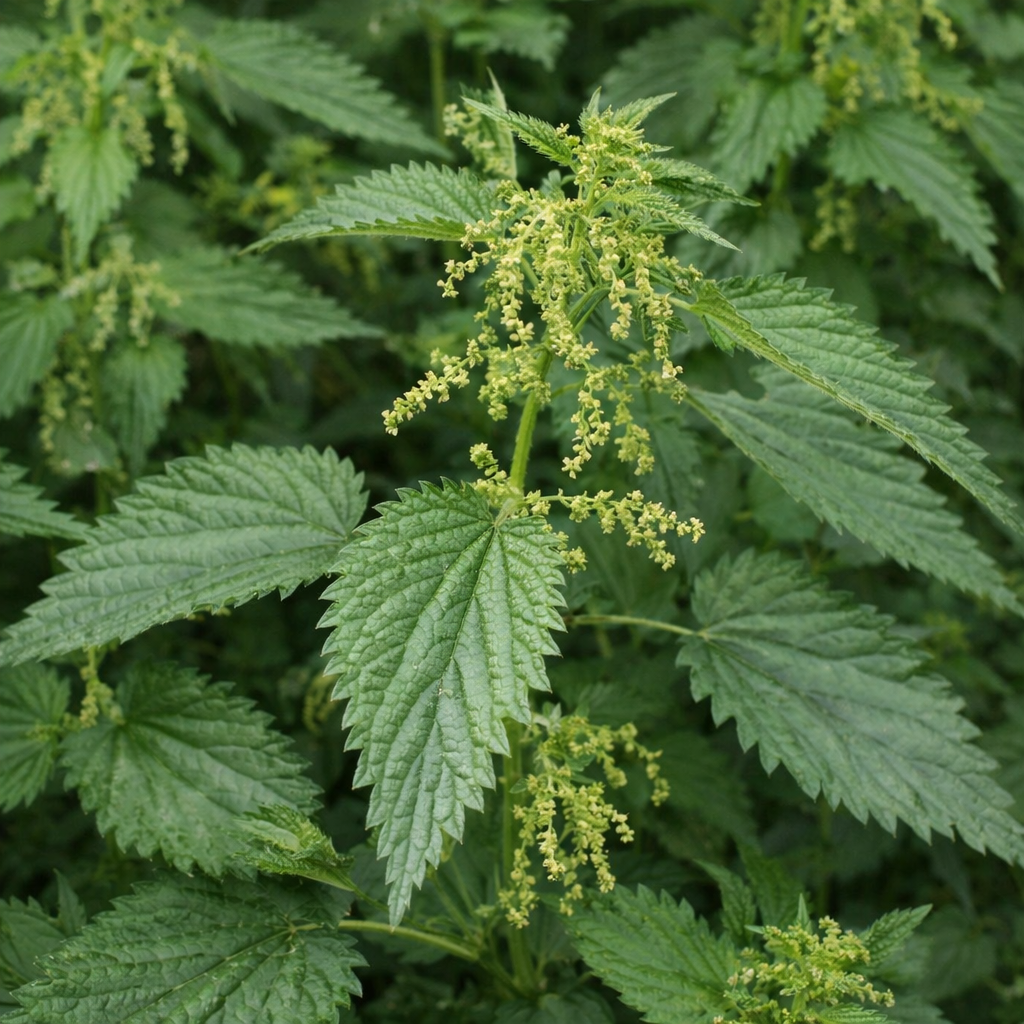
Wood Nettle (Laportea canadensis) is a native woodland perennial recognized by its large, bright green, toothed leaves arranged alternately along upright stems. Its lush foliage quickly creates a dense, natural presence, while inconspicuous greenish white flowers appear during summer. Plants generally reach 30 to 150 cm in height and gradually spread through rhizomes to form colonies. The stems, petioles, and leaves bear stinging hairs that can cause a painful burning sensation after contact. Hardy in Zones 3 to 8, this vigorous species returns reliably in cool woodland gardens and adds strong foliage texture to landscapes inspired by moist Canadian forests and floodplain plant communities.
Wood Nettle prefers partial shade and rich, humus-filled, fertile, well-drained soil resembling the conditions of deciduous forests and stream floodplains. It benefits from consistent moisture but should not remain in stagnant water for extended periods. Seeds may be sown in fall or in spring after moist cold stratification, then surface sown or covered with no more than 3 mm of growing medium. Temperatures of 18 to 22°C support germination after treatment. In Quebec and elsewhere in Canada, a mulch of decomposed leaves helps retain soil moisture, protect the root zone, and provide the organic matter needed to support vigorous foliage and gradual naturalization.
Wood Nettle suits woodland gardens, naturalized understories, riparian buffers, and ecological restoration projects. Its dense foliage protects the soil, fills bare areas, and provides habitat for several native insects, including the caterpillars of certain butterflies. Young shoots and leaves are edible after thorough cooking or drying, treatments that neutralize the stinging hairs; prepared foliage may then be added to soups, pesto, or herbal infusions. Gloves should always be worn during harvesting and maintenance. It combines naturally with Ostrich Fern, Wild Columbine, Bloodroot, and White Snakeroot in plantings inspired by eastern North American woodland ecosystems, where its spreading growth creates durable ecological cover.

Sowing guide
It all startswith a seed.
Sowing depth
Surface to 3 mm (0 to 0.1 in)
Spacing / density
60 to 120 cm (24 to 48 in)
Germination temperature
18 to 22°C
Germination time
14 to 30 days after 60 days of stratification
Sowing period
Fall or spring after cold stratification
Propagation
Seed or rhizome division
Cold stratification
Yes
Growing method
Sow Wood Nettle seeds in autumn or spring after a period of cold stratification to improve germination. Surface sow or cover the seeds with no more than 3 mm (0.1 in) of growing medium. Maintain temperatures between 18 and 22°C (64 to 72°F) with consistent moisture until germination, which generally occurs within 15 to 20 days. Young plants thrive in rich, humus-rich soil and partial shade. Once established, this vigorous native perennial gradually forms dense colonies ideally suited to woodland gardens, riparian plantings, and ecological restoration.
Soil and care
The right care,at the right time.
Soil pH
Acidic to neutral
Minimum temperature
Approximately -40°C (-40°F)
Care level
Moderate
Watering
Regular; maintain consistent moisture without stagnant water
Soil type
Rich, humus-filled, moist, fertile, well-drained soil
Fertilization
Compost or leaf mould in spring
Moisture
Medium to high; rich, moist soil
Seasonal care
In spring, remove the previous year’s dry stems while wearing gloves, then apply compost or decomposed leaves around the plants. During summer, keep the soil consistently moist, especially through drought, and monitor rhizome expansion in smaller gardens. Cut unwanted stems before seeds mature to limit self-seeding. Harvest young shoots before flowering while they remain tender. In fall, allow some foliage to decompose naturally and enrich the soil. Move or divide colonies that have grown too wide while the plants are dormant. Protective clothing remains important whenever fresh stems or leaves are handled.
Container growing
A garden,within reach.
Recommended pot size
30 to 40 L (8 to 10 gal)
Wood Nettle can be grown in containers, although a deep pot of at least 30 L (8 gal) is recommended to support its vigorous growth. Use a rich, organic growing medium that remains cool and evenly moist without becoming waterlogged. Place the container in partial shade to reproduce its natural woodland habitat. Growing in containers is an effective way to enjoy this native edible plant while limiting its natural spread.

Bloom and dimensions
Its place,in your garden.
Mature height
150 cm (60 in)
Width / spread
120 cm (48 in) or more in colonies
Flower color
Greenish white
Foliage color
Bright green
Foliage type
Deciduous and stinging
Growth rate
Fast
Growth habit
Upright, spreading by rhizomes
Fragrance
Bloom period
Summer; small, inconspicuous flower clusters
Fruiting
Small dark seeds maturing after summer flowering
Days to maturity
Light harvest from the second year
Harvest
Young shoots and leaves in spring before flowering
Garden associations
In goodcompany.
Companion plants
Ostrich Fern, Bloodroot, Wild Columbine, and White Snakeroot
Plants to avoid
Lavender, cotton lavender, rosemary, and sedums requiring dry soil
Recipe idea
From the gardento your plate.
Edible parts
Young shoots and leaves, cooked or dried
Young shoots and leaves of Wood Nettle are edible when harvested before flowering and then cooked or dried to neutralize their stinging hairs. They are traditionally used in soups, stews, pestos, and herbal teas and provide an excellent source of nutrients. Like other nettles, they lose their stinging properties after cooking or drying. This native perennial also has a long history of traditional medicinal use throughout North America.
Frequently asked questions
Your questions,answered.
When should Wood Nettle seeds be sown?
Wood Nettle seeds can be sown in autumn or spring after a period of cold stratification. This treatment generally improves both germination rates and seedling uniformity.
Are young Wood Nettle shoots edible?
Yes. Young spring shoots are edible after cooking and have traditionally been used in soups, herbal teas, and many other recipes.
Does Wood Nettle sting?
Yes. The leaves and stems are covered with stinging hairs that can cause temporary skin irritation. Wearing gloves during harvesting and maintenance is recommended.
Does Wood Nettle support biodiversity?
Yes. Wood Nettle supports numerous native insects and contributes significantly to woodland biodiversity, making it an excellent ecological species.
Can Wood Nettle be naturalized in a woodland garden?
Absolutely. This species is perfectly adapted to woodland gardens and naturalization projects, where it gradually forms attractive colonies in rich, cool soils.
Wildlife and pets
Life,around your plants.
Attracts birds
Yes
Native plant
Yes
Supporting wildlife
Beneficial wildlife
For a great start to your seeds
The right extras.Right here.
Seed Starting Soil
Shop the collectionSeed starting supplies
Shop the collection





