Sale
Sold out

Native wildflower mix
Mix of multiple botanical families
Native wildflower seed mixes
Wildflower mix – Dry soil meadow
Native Dry Prairie Species Mix
Product code : AKENE-MELANGE
Native wildflower seed mix designed to create a spectacular flowering prairie adapted to dry soils. Ideal for pollinator gardens, naturalization projects, and ecological landscapes.
- Quantity
- Approximately 17,500 seeds
- Exposure
- Full sun
- Life cycle
- Perennial
- Hardiness
- USDA Zones 3–8
Discover the plant
Common nameNative Dry Prairie Wildflower Mix
FamilyMix of multiple botanical families
Genus
Species
Cultivar
TypeNative wildflower mix
Botanical nameNative Dry Prairie Species Mix
Reproducible seedsYes
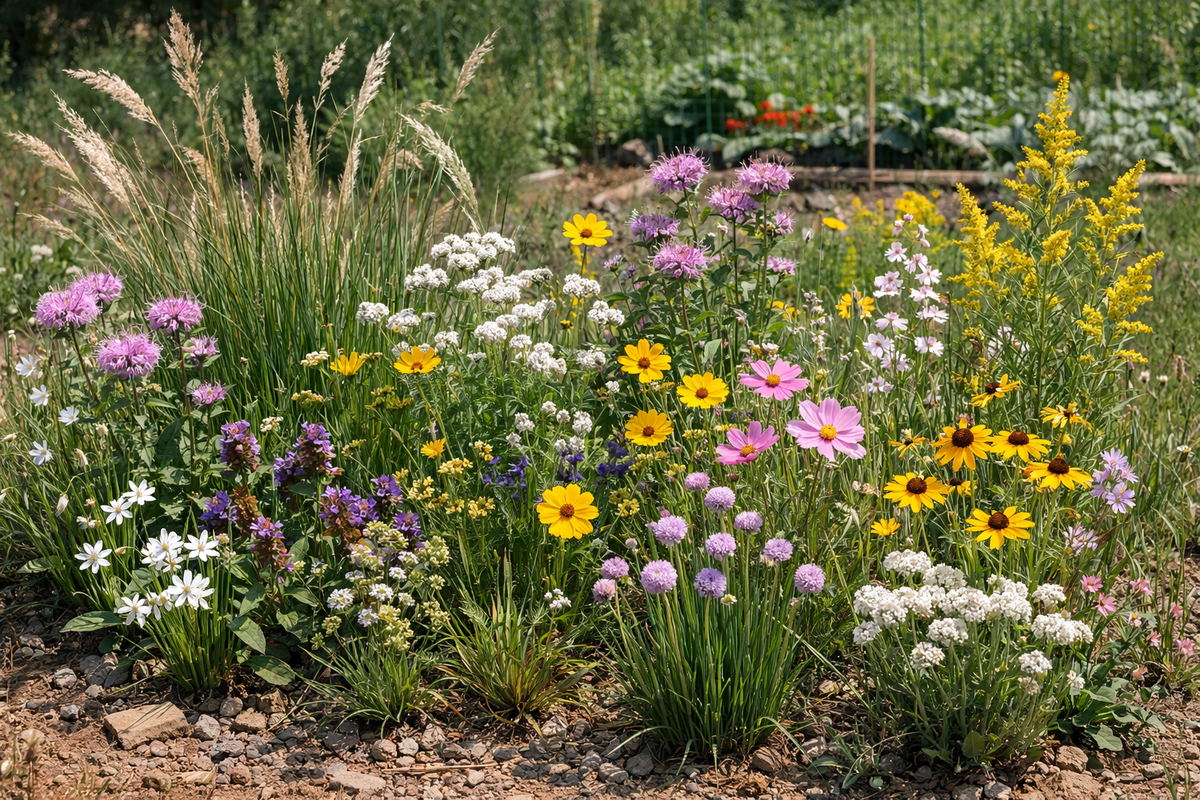
Native Dry Prairie Wildflower Mix is a carefully selected wildflower seed mix featuring native Quebec wildflowers, perennial flowers, and grasses chosen to create a colourful, long-lasting meadow with exceptional biodiversity. Adapted to dry conditions, this native wildflower mix gradually transforms open ground into a thriving natural ecosystem. Successive blooms from early summer through autumn provide an ever-changing display of colours, forms, and textures while supporting native bees, butterflies, hummingbirds, and other beneficial pollinators. It is an excellent choice for pollinator gardens, naturalization projects, prairie-style plantings, and low-maintenance landscapes.
Specifically developed for well-drained, relatively dry soils, this native wildflower seed mix thrives in full sun and requires very little maintenance once established. The selected species tolerate drought and perform well in poor to moderately fertile soils, significantly reducing the need for irrigation and fertilization. During the first growing season, many plants devote most of their energy to developing strong root systems, while the meadow typically reaches its full beauty after two to three years. Over time, the wildflower mix naturally becomes denser, more stable, and increasingly diverse, creating a resilient living landscape that evolves with every season.
Beyond its ornamental beauty, this native wildflower seed mix plays an important ecological role by providing nectar, pollen, shelter, food, and breeding habitat for a wide variety of wildlife. It offers an attractive alternative to traditional lawns by restoring open habitats while greatly reducing mowing and other maintenance requirements. Combined with native shrubs such as Shadblow Serviceberry, Bush Honeysuckle, Staghorn Sumac, and Creeping Juniper, this wildflower meadow mix helps recreate landscapes inspired by Canada’s native prairie ecosystems. With its extended bloom season, exceptional ecological value, and drought-tolerant nature, this native wildflower mix is an outstanding choice for transforming open spaces into vibrant, sustainable biodiversity habitats.

Sowing guide
It all startswith a seed.
Sowing depth
Surface to 5 mm (0 to 0.2 in)
Spacing / density
9.3 m² (100 sq ft)
Germination temperature
15 to 22°C
Germination time
10 to 30 days depending on species
Sowing period
Late September to late November, or spring after cold stratification
Propagation
Propagation occurs naturally through self-seeding of the species included in the mix, allowing the meadow to become denser year after year.
Cold stratification
Yes
Growing method
Sow the seeds directly onto a clean, well-prepared seedbed between late September and late November, or in spring after appropriate cold stratification. Spread the seeds evenly and cover them with no more than 5 mm (0.2 in) of soil. Keep the soil lightly moist until germination, which generally occurs within 10 to 30 days depending on the species. During the first year, many species focus on root development rather than flowering. Blooming becomes increasingly abundant from the second growing season onward. This mix has been specifically designed to create a durable native prairie adapted to dry soils and Canadian climates.
Soil and care
The right care,at the right time.
Soil pH
Acidic to neutral
Minimum temperature
-40°C (-40°F)
Care level
Low
Drought tolerance
Yes
Watering
Light watering is recommended after establishment. Only the first few weeks after sowing require close attention to soil moisture.
Soil type
Well-drained, dry soil. The selected species thrive in poor to moderately fertile soils and tolerate prolonged dry conditions exceptionally well.
Fertilization
Fertilization is rarely necessary in a native wildflower meadow. Excess fertility often encourages grasses at the expense of the wildflowers that create the meadow's diversity.
Moisture
Low; dry, well-drained soil
Seasonal care
In spring, perform a light cleanup by removing dead stems before new growth begins. During the first growing season, monitor competing weeds to help the young meadow establish successfully. In subsequent years, one late-season mowing or minimal annual maintenance is generally sufficient. Avoid excessive fertilization, which encourages aggressive species at the expense of floral diversity. Over time, the meadow naturally becomes richer, denser, and more beautiful.
Container growing
A garden,within reach.
Recommended pot size
50 to 100 L (13 to 26 gal)
Although this mix can be grown in large, deep containers, it performs best when sown directly into the ground. Use a very well-drained growing medium containing light soil and sand to reproduce natural prairie conditions. Place containers in full sun and avoid excessive watering, which favors species less adapted to dry soils. This method makes it possible to create a miniature native prairie on patios and other small spaces while supporting pollinators.

Bloom and dimensions
Its place,in your garden.
Mature height
1.8 m (6 ft)
Width / spread
9.3 m² (100 sq ft)
Flower color
Multicolored
Foliage color
Green
Foliage type
Deciduous
Growth rate
Moderate
Growth habit
Diverse meadow with varied heights
Fragrance
Varies by species
Bloom period
Successive blooms appear from June through October, providing continuous ornamental and ecological value throughout the growing season.
Fruiting
The different species gradually produce seed after flowering, naturally renewing and enriching the meadow over time.
Days to maturity
2 to 3 years for full establishment
Harvest
Gradual flowering and establishment begin during the first year, with full maturity generally reached after two to three growing seasons.
Garden associations
In goodcompany.
Companion plants
Shadblow Serviceberry, Bush Honeysuckle, Staghorn Sumac, Creeping Juniper
Plants to avoid
Northern Blue Flag Iris, Shallow Sedge, Cardinal Flower, Ligularia
Frequently asked questions
Your questions,answered.
When should I sow the Native Dry Prairie Wildflower Mix?
The ideal sowing period is from late September through late November so the seeds naturally experience winter stratification. Spring sowing is also successful after appropriate seed preparation.
Why choose a wildflower mix for dry soils?
This mix contains native species specifically adapted to well-drained, dry soils. Once established, the plants require very little watering and minimal maintenance.
When will the meadow reach its full potential?
Although some species flower during the first year, the meadow generally reaches full maturity after two to three growing seasons as the perennial species become fully established.
Does this wildflower mix attract pollinators?
Yes. This mix provides abundant nectar and pollen for bees, butterflies, hummingbirds, and many other beneficial insects. The succession of blooms supports pollinators throughout the growing season.
Should I fertilize a native wildflower meadow?
Very little fertilization is recommended. Rich soils often encourage grasses at the expense of the wildflowers that create the diversity of a native prairie.
Wildlife and pets
Life,around your plants.
Attracts birds
Yes
Native plant
Yes
Supporting wildlife
Hummingbirds, bees, and butterflies
For a great start to your seeds
The right extras.Right here.
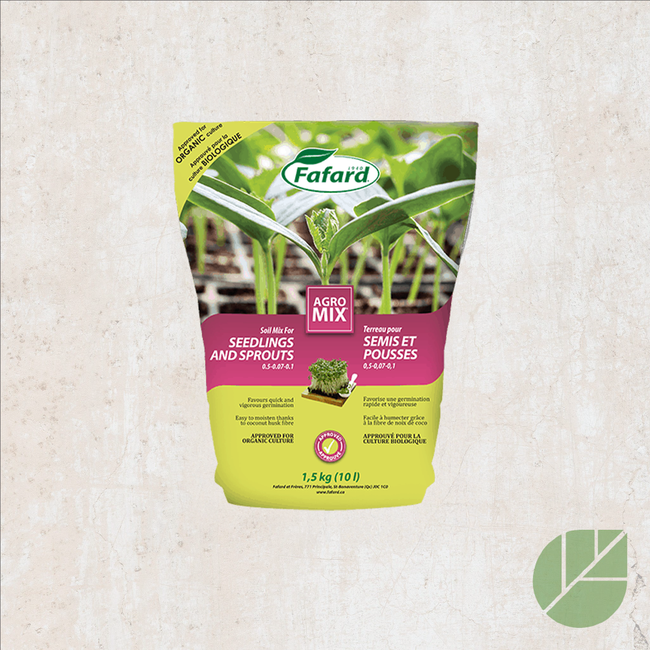
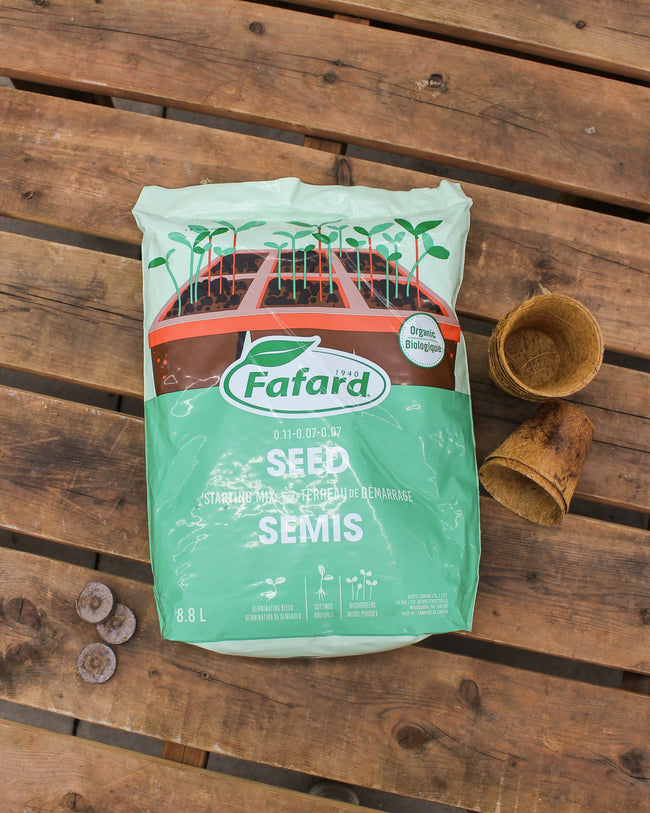
Seed Starting Soil
Shop the collectionSeed starting supplies
Shop the collection