


Sale
Sold out

Native large shrub or small tree
Cornaceae
Native shrubs for shorelines and rain gardens
Red Osier Dogwood
Cornus alternifolia
Product code : AKENE-0016
Native shrub with tiered horizontal branches, creamy white flowers, and blue-black fruits valued by birds. Pagoda dogwood brings architectural structure, rich fall colour, and biodiversity to woodland gardens.
- Quantity
- About 40 seeds
- Exposure
- Partial shade to full sun
- Life cycle
- Perennial
- Hardiness
- Zones 3 to 8
Discover the plant
Common namePagoda Dogwood
FamilyCornaceae
GenusCornus
Speciessericea
Cultivar
TypeNative large shrub or small tree
Botanical nameCornus alternifolia
Reproducible seedsYes
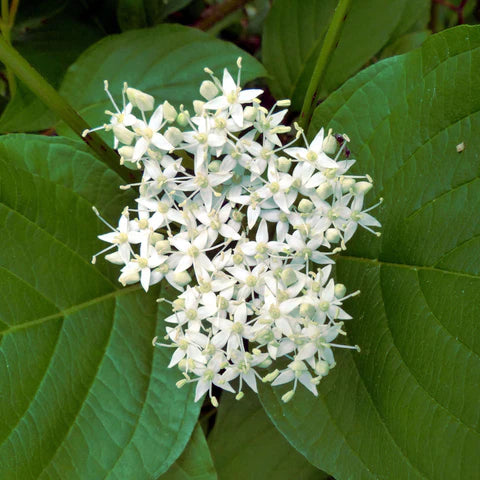
Pagoda Dogwood (Cornus alternifolia) is a native large shrub or small tree distinguished by horizontal branches arranged in graceful tiers, creating its characteristic pagoda-like silhouette. In spring, flattened clusters of small creamy white flowers appear above the green foliage. These are followed by blue-black fruits held on reddish stalks, producing an attractive display in late summer. The leaves turn shades of red, orange, and burgundy in fall. Hardy and naturally adapted to the forests of eastern Canada, this alternate-leaved dogwood provides ornamental interest from spring through winter, when its elegant branching structure remains clearly visible.
Pagoda dogwood prefers partial shade or filtered woodland light, although it tolerates full sun where the soil remains cool and evenly moist. It grows best in humus-rich, slightly acidic to neutral soil that is moist but well drained. Organic mulch protects its relatively shallow roots from summer heat and drought. During the first several years, water regularly to maintain consistent moisture without saturating the soil. Pruning should remain light and limited to dead, damaged, crossing, or poorly positioned branches. In Quebec, a location sheltered from drying winds and intense afternoon sun encourages healthy foliage and helps preserve its naturally balanced, layered form.
Pagoda dogwood makes an exceptional specimen for woodland gardens, wildlife hedgerows, and ecological restoration projects. Its spring flowers provide nectar and pollen for bees, butterflies, and other beneficial insects, while its blue-black fruits feed many bird species in late summer. Its tiered habit pairs naturally with downy serviceberry, witherod viburnum, bloodroot, and ostrich fern. Positioned beside a path or along a woodland edge, it adds structure, seasonal colour, and ecological value without appearing formal or artificial. Cornus alternifolia is especially useful for creating layered native plantings inspired by the forests of Quebec and eastern Canada.

Sowing guide
It all startswith a seed.
Sowing depth
Less than 5 mm
Spacing / density
2 to 3 m (6.5 to 10 ft)
Germination temperature
20 to 22°C
Germination time
Slow germination after pretreatment; often 60 to 120 days and sometimes longer
Sowing period
Fall or spring after cold stratification
Propagation
Seed after moist cold stratification or semi-hardwood cuttings
Cold stratification
Yes
Seed scarification
Yes
Growing method
Sow Red Osier Dogwood seeds in autumn or in spring after scarification followed by cold stratification to break dormancy. Use a cool, moist growing medium and maintain consistent moisture throughout germination. Plant in full sun to partial shade in rich, moisture-retentive soil. Young plants establish steadily, developing a strong root system that helps stabilize streambanks and moist soils. Once established, this hardy native shrub requires little maintenance and quickly forms attractive wildlife hedges and natural screens with brilliant red winter stems.
Soil and care
The right care,at the right time.
Soil pH
Acidic to neutral
Minimum temperature
Approximately -40°C
Care level
Low
Watering
Regular; maintain even soil moisture
Soil type
Humus-rich, moist, well-drained soil
Fertilization
Mature compost in spring
Moisture
Moderate to high; tolerates wet soil
Seasonal care
In spring, remove only dead, broken, or crossing branches to preserve the naturally horizontal silhouette. Avoid severe pruning, which can disrupt the tiered habit and encourage poorly positioned shoots. Renew organic mulch over the root zone without piling it against the trunk. Water deeply during dry periods, especially around young plants and in sunnier locations. During summer, watch for yellowing or scorched leaves, which may indicate moisture stress or excessive heat. In fall, leave the fruits available for birds and retain some fallen leaves as a natural mulch that gradually returns organic matter to the soil.
Container growing
A garden,within reach.
Recommended pot size
45 to 60 cm (18 to 24 in)
Red Osier Dogwood can be grown in a very large, deep container with excellent drainage. Use a rich growing medium that retains moisture while remaining well aerated. Regular watering is essential during summer to prevent drought stress. In containers, its attractive foliage, flowers, berries, and brilliant red winter stems provide exceptional ornamental value on patios and large balconies.

Bloom and dimensions
Its place,in your garden.
Mature height
6 m
Width / spread
4 m
Flower color
Creamy white
Foliage color
Green; red, orange, or burgundy in fall
Foliage type
Deciduous
Growth rate
Moderate
Growth habit
Upright, rounded and suckering shrub
Fragrance
Lightly fragrant flowers
Bloom period
May to June
Fruiting
Blue-black fruits on reddish stalks in late summer
Days to maturity
Usually reaches full size in 3 to 5 years
Harvest
August to September
Garden associations
In goodcompany.
Companion plants
Downy serviceberry, witherod viburnum, bloodroot, ostrich fern
Plants to avoid
Lavender, cotton lavender, rockrose, yucca, and dry-soil plants
Frequently asked questions
Your questions,answered.
When should pagoda dogwood seeds be sown?
Red Osier Dogwood seeds are usually sown in autumn or spring after scarification and cold stratification. These treatments greatly improve germination.
Why is pagoda dogwood described as tiered?
This native shrub attracts pollinators, feeds birds with its berries, and provides brilliant red winter stems that add outstanding ornamental value.
Does pagoda dogwood attract pollinators?
Yes. Red Osier Dogwood is exceptionally well adapted to cool, moist soils and performs beautifully in rain gardens, riparian buffers, and other periodically wet sites.
Do birds eat pagoda dogwood fruits?
Yes. Its flowers attract pollinating insects, while its berries provide an important food source for birds and small mammals.
Is pagoda dogwood hardy in Canada?
Rejuvenation pruning every few years encourages colorful new stems and maintains a vigorous, attractive shrub. Regular watering during establishment is usually all that is required.
Wildlife and pets
Life,around your plants.
Attracts birds
Yes
Native plant
Yes
Supporting wildlife
Birds, bees, and pollinators
For a great start to your seeds
The right extras.Right here.
Seed Starting Soil
Shop the collectionSeed starting supplies
Shop the collection





