


Sale
Sold out

Native groundcover
Rosaceae
Edible native groundcovers for woodlands
Dwarf Raspberry (Rubus pubescens)
Product code : AKENE-0044
Native woodland ground cover with white flowers and edible red fruits for shaded gardens.
- Quantity
- About 50 seeds
- Exposure
- Partial shade
- Life cycle
- Perennial
- Hardiness
- 3 to 8
Discover the plant
Common nameDwarf Raspberry
FamilyRosaceae
GenusRubus
Speciespubescens
TypeNative groundcover
Botanical nameRubus pubescens
Reproducible seedsYes
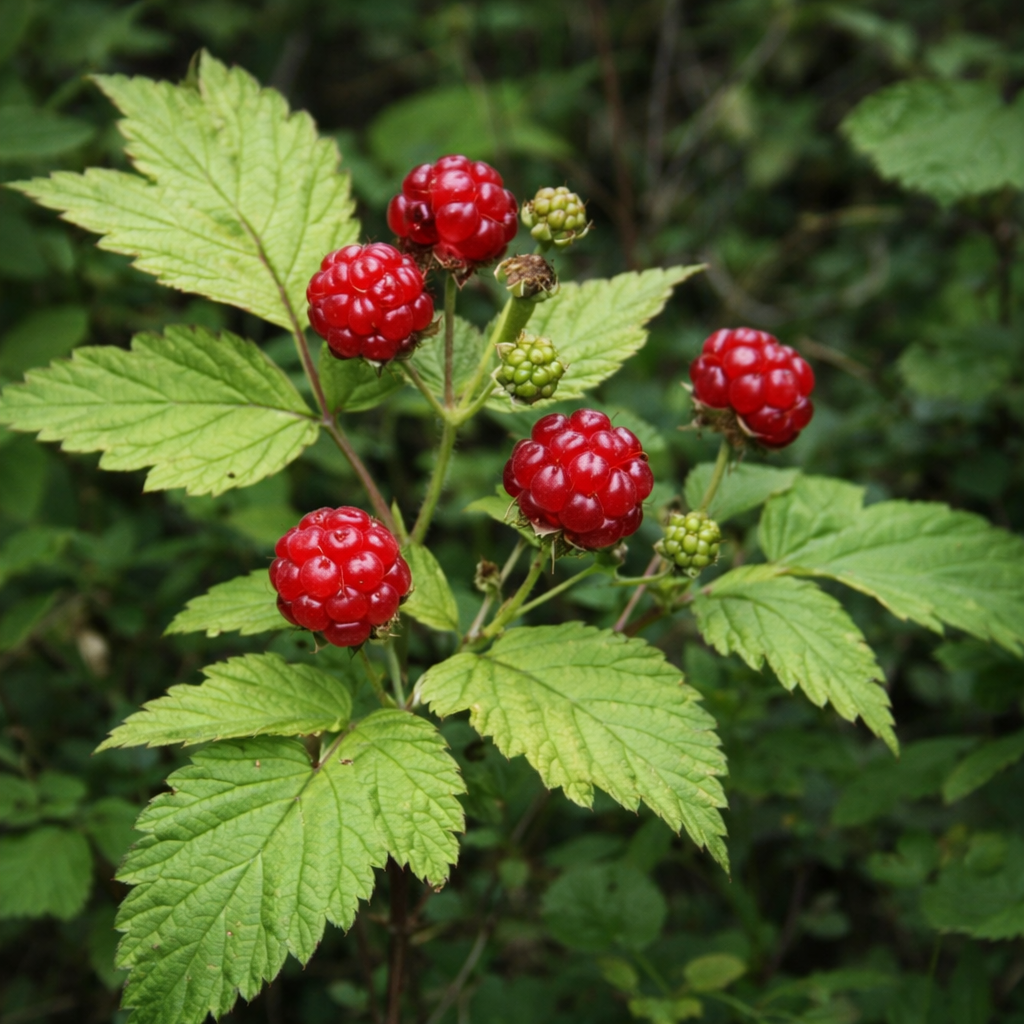
Dwarf Raspberry (Rubus pubescens) is a small native woodland ground cover with low stems, green deciduous foliage, and delicate white flowers appearing in early summer. This perennial slowly forms natural carpets in cool shaded areas. Its small red fruits provide additional seasonal interest after flowering. With its spreading habit, excellent hardiness, and natural appearance, it is an outstanding choice for recreating Quebec woodland environments and ecological garden designs.
Dwarf Raspberry (Rubus pubescens) prefers partial shade, organic-rich soils, and consistently cool conditions typical of forest habitats. Throughout Quebec and Canada, it establishes well beneath trees, along woodland edges, and in shaded native plant gardens. Regular watering helps maintain fresh soil during dry periods. Adding compost or decomposed leaves in spring is usually enough to support growth. Maintenance remains low once established because this species naturally develops spreading colonies.
Dwarf Raspberry (Rubus pubescens) is used as an edible ground cover, native plant, and biodiversity-supporting species in natural landscapes. Its red fruits can be eaten fresh or transformed into jellies, jams, and desserts. Its flowers support pollinating insects while its fruits provide food for woodland wildlife. It combines beautifully with Bunchberry, ferns, Canada columbine, and Jacob's ladder to create plant communities inspired by Quebec forest ecosystems.

Sowing guide
It all startswith a seed.
Sowing depth
5 mm (0.2 in)
Spacing / density
30 to 45 cm (12 to 18 in)
Germination temperature
18 to 20 °C (64 to 68 °F)
Germination time
30 to 60 days after scarification and stratification
Sowing period
Fall or spring after stratification
Propagation
Seeds after stratification or division of established runners and clumps.
Cold stratification
Yes
Seed scarification
Yes
Growing method
Sow Dwarf Raspberry seeds in autumn or spring after a period of cold stratification to encourage uniform germination. Plant the seeds about 5 mm (0.2 in) deep in a rich growing medium kept consistently cool and moist without becoming waterlogged. Temperatures between 18 and 20°C (64 to 68°F) generally produce germination within 30 to 60 days. Young plants thrive in partial shade and benefit from protection against intense afternoon sun. Once established, this native woodland perennial forms an attractive groundcover that produces edible berries year after year.
Soil and care
The right care,at the right time.
Soil pH
Acidic to neutral
Minimum temperature
-40 °C (-40 °F)
Care level
Low
Watering
Regular to maintain fresh soil
Soil type
Rich loamy to clay soil, fresh to moist
Fertilization
Compost or decomposed leaves in spring
Moisture
Medium to high; moist, humus-rich soil
Seasonal care
Remove winter debris, maintain moisture, and avoid disturbing shallow roots.
Container growing
A garden,within reach.
Recommended pot size
20 to 30 L (5 to 8 gal)
Dwarf Raspberry can be grown successfully in a wide, relatively shallow container that allows it to spread naturally. Use an organic-rich growing medium that remains cool and slightly moist throughout the growing season. Place the container in partial shade or filtered light to recreate natural woodland conditions. This method makes it possible to enjoy its delicate flowers and edible berries on a shaded patio or woodland-style balcony.

Bloom and dimensions
Its place,in your garden.
Mature height
30 cm
Width / spread
60 cm
Flower color
White
Foliage color
Green
Foliage type
Deciduous
Growth rate
Moderate
Growth habit
Low, trailing, and runner-forming
Fragrance
Bloom period
Early summer
Fruiting
Mid-summer
Harvest
July to August
Garden associations
In goodcompany.
Companion plants
Bunchberry, ostrich fern, Canada columbine, Jacob's ladder
Plants to avoid
Lavender, santolina, rosemary, sedum
Recipe idea
From the gardento your plate.
Edible parts
Ripe fruit
The small red berries of Dwarf Raspberry are edible and appreciated for their pleasantly sweet, slightly tart flavor. They can be eaten fresh or used in jams, jellies, and homemade desserts. The berries also provide an important food source for birds, contributing to woodland biodiversity. This native plant is especially valuable in edible forest gardens inspired by Canada's natural ecosystems.
Frequently asked questions
Your questions,answered.
When should Dwarf Raspberry be sown?
Dwarf Raspberry seeds are generally sown in autumn or spring after cold stratification. This treatment mimics natural woodland conditions and greatly improves germination.
Are the fruits edible?
Yes. The small red berries are edible and have a pleasantly sweet, slightly tart flavor. They are delicious fresh or in homemade preserves.
Is this plant suitable for shaded gardens?
Yes. This species is especially well adapted to woodland gardens and shaded landscapes, where it forms an attractive native groundcover.
Why choose this species for an ecological garden?
Dwarf Raspberry supports pollinators through its flowers, feeds wildlife with its berries, and protects woodland soils with its dense spreading habit, making it an excellent ecological plant.
Is it easy to maintain?
Once established, Dwarf Raspberry requires very little maintenance. Occasional organic matter and consistent soil moisture are generally all that is needed to keep it healthy.
Wildlife and pets
Life,around your plants.
Attracts birds
Yes
Native plant
Yes
Supporting wildlife
Bees and pollinators
For a great start to your seeds
The right extras.Right here.
Seed Starting Soil
Shop the collectionSeed starting supplies
Shop the collection





