Sale
Sold out

Native perennial
Ranunculaceae
Native perennial seeds
Canada columbine
Aquilegia canadensis
Product code : AKENE-0067
Canada columbine is a hardy native perennial that produces nodding red and yellow nectar-rich flowers in spring. Its finely divided foliage forms a light clump suited to bright woodland edges, rock gardens, and naturalistic plantings. Easy to grow in full sun or partial shade, it attracts hummingbirds, bees, and butterflies while adding reliable seasonal colour. This native species fits naturally into Canadian gardens designed for lasting spring interest, a light silhouette and limited routine intervention once plants are established. Reliable drainage remains essential because the roots tolerate moderate dryness more readily than soil that stays saturated for extended periods. Young plants benefit from even moisture, good air circulation and gradual hardening before they are moved to their permanent garden position.
- Quantity
- Approximately 100 seeds
- Exposure
- Full sun to partial shade
- Life cycle
- Perennial
- Hardiness
- Zone 3
Discover the plant
Common nameCanada columbine
FamilyRanunculaceae
GenusAquilegia
Speciescanadensis
TypeNative perennial
Botanical nameAquilegia canadensis
Reproducible seedsYes
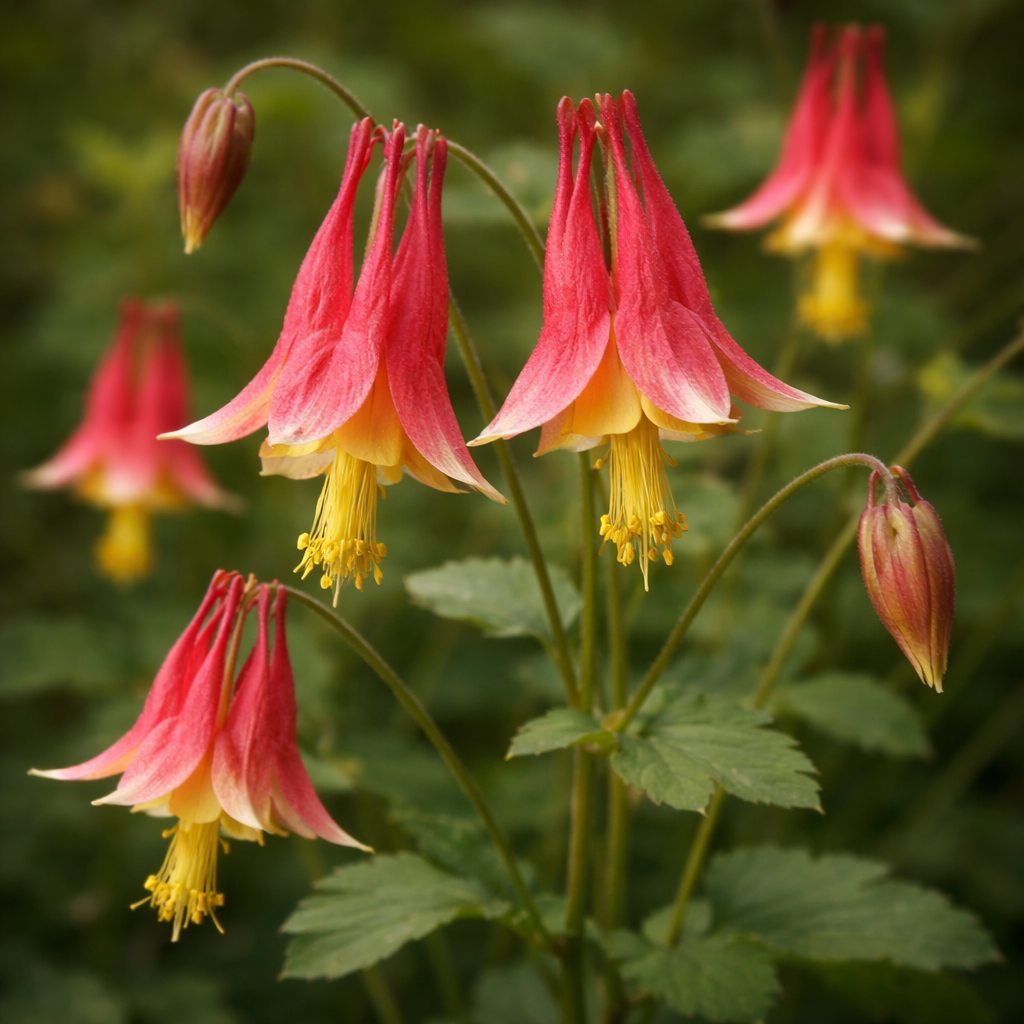
Canada columbine (Aquilegia canadensis) is an elegant native perennial recognized for its nodding red and yellow flowers with long nectar-filled spurs. Its spring bloom, generally from May to June, adds colour, movement and a light natural character to woodland and native gardens. Finely divided green foliage with a slightly blue cast remains attractive after flowering and forms a graceful clump approximately 45 cm tall and 35 cm wide. Hardy to Zone 3, this Canada columbine returns reliably in Canadian gardens and may self-seed naturally when some mature seed capsules are left standing after the flowering period.
Canada columbine grows in full sun or partial shade and prefers rocky to loamy soil enriched with organic matter, kept slightly moist and well drained. Once established, it tolerates more natural and moderately dry conditions, although regular watering is useful during establishment and prolonged drought. Seeds may be sown outdoors in fall or after approximately 60 days of cold stratification. Cover them with about 0.3 cm of fine growing medium and maintain even moisture without saturating the soil. A temperature of 18 to 22°C supports germination, which generally occurs within 20 to 30 days. Avoid overly rich soil, which may favour foliage over flowers.
In the garden, Canada columbine suits bright woodland edges, rock gardens, native perennial borders, pollinator gardens and ecological restoration projects. Its nectar-rich flowers are especially attractive to hummingbirds, as well as bees, butterflies and other beneficial insects in spring. It combines naturally with ferns, foamflowers, coral bells and zigzag goldenrod to create layered woodland-style plantings. This species is not intended for culinary use; its primary value is ornamental and ecological. Once established, it requires little intervention, supports local biodiversity and may form small, informal colonies through natural reseeding without becoming difficult to manage in suitable garden conditions.

Sowing guide
It all startswith a seed.
Sowing depth
3 mm
Spacing / density
35 cm spacing
Germination temperature
18 to 22°C
Germination time
20 to 30 days
Sowing period
Fall, or spring after 60 days of cold stratification
Propagation
Seed
Cold stratification
Yes
Growing method
For spring sowing, mix the seeds with a lightly moistened medium and refrigerate them for approximately 60 days. They may also be sown directly outdoors in fall to receive natural winter chilling. After treatment, distribute the seeds over the surface of a fine, well-drained growing mix and cover them very lightly, to approximately 3 mm, because light supports germination. Maintain a temperature of 18 to 22°C and even moisture without saturating the medium. Seedlings generally emerge within 20 to 30 days. When they are sturdy enough to handle, transplant them carefully while minimizing disturbance to the developing roots. Gradually acclimate seedlings to outdoor conditions, then plant them in full sun or partial shade in rocky to loamy, well-drained soil. Space plants approximately 30 cm (12 in) apart and water regularly throughout their first growing season. This native species fits naturally into Canadian gardens designed for lasting spring interest, a light silhouette and limited routine intervention once plants are established. Reliable drainage remains essential because the roots tolerate moderate dryness more readily than soil that stays saturated for extended periods. Young plants benefit from even moisture, good air circulation and gradual hardening before they are moved to their permanent garden position.
Soil and care
The right care,at the right time.
Soil pH
Acidic to neutral
Minimum temperature
Approximately -40°C
Care level
Easy
Drought tolerance
Yes
Watering
Moderate; keep slightly moist during establishment This native species fits naturally into Canadian gardens designed for lasting spring interest, a light silhouette and limited routine intervention once plants are established. Reliable drainage remains essential because the roots tolerate moderate dryness more readily than soil that stays saturated for extended periods. Young plants benefit from even moisture, good air circulation and gradual hardening before they are moved to their permanent garden position.
Soil type
Rocky to loamy, rich and well-drained This native species fits naturally into Canadian gardens designed for lasting spring interest, a light silhouette and limited routine intervention once plants are established. Reliable drainage remains essential because the roots tolerate moderate dryness more readily than soil that stays saturated for extended periods. Young plants benefit from even moisture, good air circulation and gradual hardening before they are moved to their permanent garden position.
Fertilization
Light application of compost in spring This native species fits naturally into Canadian gardens designed for lasting spring interest, a light silhouette and limited routine intervention once plants are established. Reliable drainage remains essential because the roots tolerate moderate dryness more readily than soil that stays saturated for extended periods. Young plants benefit from even moisture, good air circulation and gradual hardening before they are moved to their permanent garden position.
Moisture
Slightly moist soil during establishment; tolerates moderate to rather dry conditions once established
Seasonal care
In spring, gently remove dry stems and debris that could hold excessive moisture around the crown. Apply a thin layer of mature compost without over-enriching the soil, and water if spring conditions remain dry. During active growth and flowering, maintain light, even moisture, especially for young plants, while preventing standing water. After bloom, remove some spent stems for a tidy appearance, but leave several seed capsules if natural reseeding and wildlife value are desired. In summer, monitor only prolonged drought; established plants generally tolerate drier soil. In fall, avoid cutting the entire clump to the ground. Leave some stems and foliage in place to protect the crown, trap snow, and provide seasonal shelter for insects. Divide or relocate only young seedlings whenever possible because the taproot of mature plants makes them less tolerant of transplanting. If unwanted seedlings appear, thin them while small and the soil is moist. Check container-grown plants more frequently because their root zones dry faster than garden soil, and protect their pots before severe winter temperature fluctuations begin. This native species fits naturally into Canadian gardens designed for lasting spring interest, a light silhouette and limited routine intervention once plants are established. Reliable drainage remains essential because the roots tolerate moderate dryness more readily than soil that stays saturated for extended periods. Young plants benefit from even moisture, good air circulation and gradual hardening before they are moved to their permanent garden position.
Container growing
A garden,within reach.
Recommended pot size
15 to 20 cm (6 to 8 in)
Choose a container at least 15 to 20 cm (6 to 8 in) wide and deep with several generous drainage holes. Fill it with a light growing mix enriched with organic matter but never compacted or constantly saturated. After cold stratification, place the seeds on the surface and cover them very lightly, to approximately 3 mm. Keep the mix evenly moist until germination, then thin or transplant young seedlings to reduce competition. Position the pot in morning sun or partial shade and water when the surface begins to dry. Avoid water-filled saucers and strong fertilizers. For a Canadian winter, group containers in a protected location, insulate them with leaves, or temporarily sink them into the ground to limit rapid freeze-thaw cycles. In spring, uncover the crown gradually and resume moderate watering as growth returns. This native species fits naturally into Canadian gardens designed for lasting spring interest, a light silhouette and limited routine intervention once plants are established. Reliable drainage remains essential because the roots tolerate moderate dryness more readily than soil that stays saturated for extended periods. Young plants benefit from even moisture, good air circulation and gradual hardening before they are moved to their permanent garden position.

Bloom and dimensions
Its place,in your garden.
Mature height
Approximately 45 cm
Width / spread
Approximately 35 cm
Flower color
Red and yellow
Foliage color
Green with a slight blue cast
Foliage type
Deciduous, finely divided
Growth rate
Moderate
Growth habit
Upright, airy clump
Bloom period
May to June This native species fits naturally into Canadian gardens designed for lasting spring interest, a light silhouette and limited routine intervention once plants are established. Reliable drainage remains essential because the roots tolerate moderate dryness more readily than soil that stays saturated for extended periods. Young plants benefit from even moisture, good air circulation and gradual hardening before they are moved to their permanent garden position.
Fruiting
Upright capsules containing small dark seeds This native species fits naturally into Canadian gardens designed for lasting spring interest, a light silhouette and limited routine intervention once plants are established. Reliable drainage remains essential because the roots tolerate moderate dryness more readily than soil that stays saturated for extended periods. Young plants benefit from even moisture, good air circulation and gradual hardening before they are moved to their permanent garden position.
Harvest
The main ornamental period is the May to June bloom. Seed capsules then add natural interest to the garden.
Garden associations
In goodcompany.
Companion plants
Ferns, foamflowers, coral bells and zigzag goldenrod This native species fits naturally into Canadian gardens designed for lasting spring interest, a light silhouette and limited routine intervention once plants are established. Reliable drainage remains essential because the roots tolerate moderate dryness more readily than soil that stays saturated for extended periods. Young plants benefit from even moisture, good air circulation and gradual hardening before they are moved to their permanent garden position. The red and yellow flowers feed hummingbirds, bees and other pollinators when relatively few perennial species are blooming in spring.
Plants to avoid
Lavender, rosemary, cotton lavender and dry-site sedums
Frequently asked questions
Your questions,answered.
When should Canada columbine seeds be sown?
Seeds are ideally sown in fall so they receive natural winter chilling. For spring sowing, provide approximately 60 days of cold-moist stratification in a refrigerator. Distribute the seeds over a fine growing mix, cover them very lightly to approximately 3 mm, and maintain even moisture without saturating the medium. Germination generally occurs within 20 to 30 days at 18 to 22°C when light and moisture remain suitable. This native species fits naturally into Canadian gardens designed for lasting spring interest, a light silhouette and limited routine intervention once plants are established. Reliable drainage remains essential because the roots tolerate moderate dryness more readily than soil that stays saturated for extended periods.
Does Canada columbine attract hummingbirds?
Yes. The nodding red and yellow flowers have long nectar-bearing spurs that are especially well suited to hummingbirds. They bloom in spring, when floral resources may still be limited in many Canadian gardens. Bees, butterflies, and other beneficial insects also visit the flowers. Grouping several plants in a visible location and avoiding insecticides during bloom increases the planting’s value to visiting wildlife. This native species fits naturally into Canadian gardens designed for lasting spring interest, a light silhouette and limited routine intervention once plants are established. Reliable drainage remains essential because the roots tolerate moderate dryness more readily than soil that stays saturated for extended periods.
Can Canada columbine be grown in a container?
Yes, provided the container is at least 15 to 20 cm (6 to 8 in) deep and has excellent drainage. Use a light growing mix, position the pot in morning sun or partial shade, and keep the medium lightly moist without leaving water in the saucer. During winter, protect the container from rapid freeze-thaw cycles by grouping it with other pots or insulating it with leaves. This native species fits naturally into Canadian gardens designed for lasting spring interest, a light silhouette and limited routine intervention once plants are established. Reliable drainage remains essential because the roots tolerate moderate dryness more readily than soil that stays saturated for extended periods.
What soil is best for Canada columbine?
Rocky to loamy, well-drained soil with a moderate amount of organic matter is especially suitable. Canada columbine appreciates light moisture during establishment but tolerates drier conditions afterward. Avoid heavy, constantly saturated soil and strong fertilizers, which may produce abundant foliage at the expense of a compact habit. A thin layer of mature compost in spring is generally sufficient to support healthy growth. This native species fits naturally into Canadian gardens designed for lasting spring interest, a light silhouette and limited routine intervention once plants are established. Reliable drainage remains essential because the roots tolerate moderate dryness more readily than soil that stays saturated for extended periods.
Is Canada columbine easy to maintain?
Once established, this native perennial needs little maintenance. Water young plants during dry periods, then intervene mainly during prolonged drought. Remove some spent flowers to limit reseeding, or retain several capsules to encourage a natural colony. A light spring cleanup and a small amount of mature compost are usually sufficient. Avoid moving established plants unnecessarily because their taproot makes mature specimens less tolerant of transplanting. This native species fits naturally into Canadian gardens designed for lasting spring interest, a light silhouette and limited routine intervention once plants are established. Reliable drainage remains essential because the roots tolerate moderate dryness more readily than soil that stays saturated for extended periods.
Wildlife and pets
Life,around your plants.
Attracts birds
Yes
Native plant
Yes
Reported toxicity
Yes
Supporting wildlife
Hummingbirds, bees, and butterflies
For a great start to your seeds
The right extras.Right here.
Seed Starting Soil
Shop the collectionSeed starting supplies
Shop the collection