


Sale
Sold out

Dioecious perennial climber
Cannabaceae
Utility and brewing vines
Common Hop – Seeds
Humulus lupulus
Product code : AKENE-0064
This vigorous perennial climber quickly covers trellises, fences, and pergolas with dense foliage. Female plants produce aromatic cones, while the hardy underground crown survives winter and returns with strong new growth each spring.
- Quantity
- Approximately 50 seeds
- Exposure
- Full sun to light partial shade
- Life cycle
- Perennial
- Hardiness
- USDA Zones 3 to 8
Discover the plant
Common nameCommon Hop
FamilyCannabaceae
GenusHumulus
Specieslupulus
Cultivar
TypeDioecious perennial climber
Botanical nameHumulus lupulus
Reproducible seedsYes
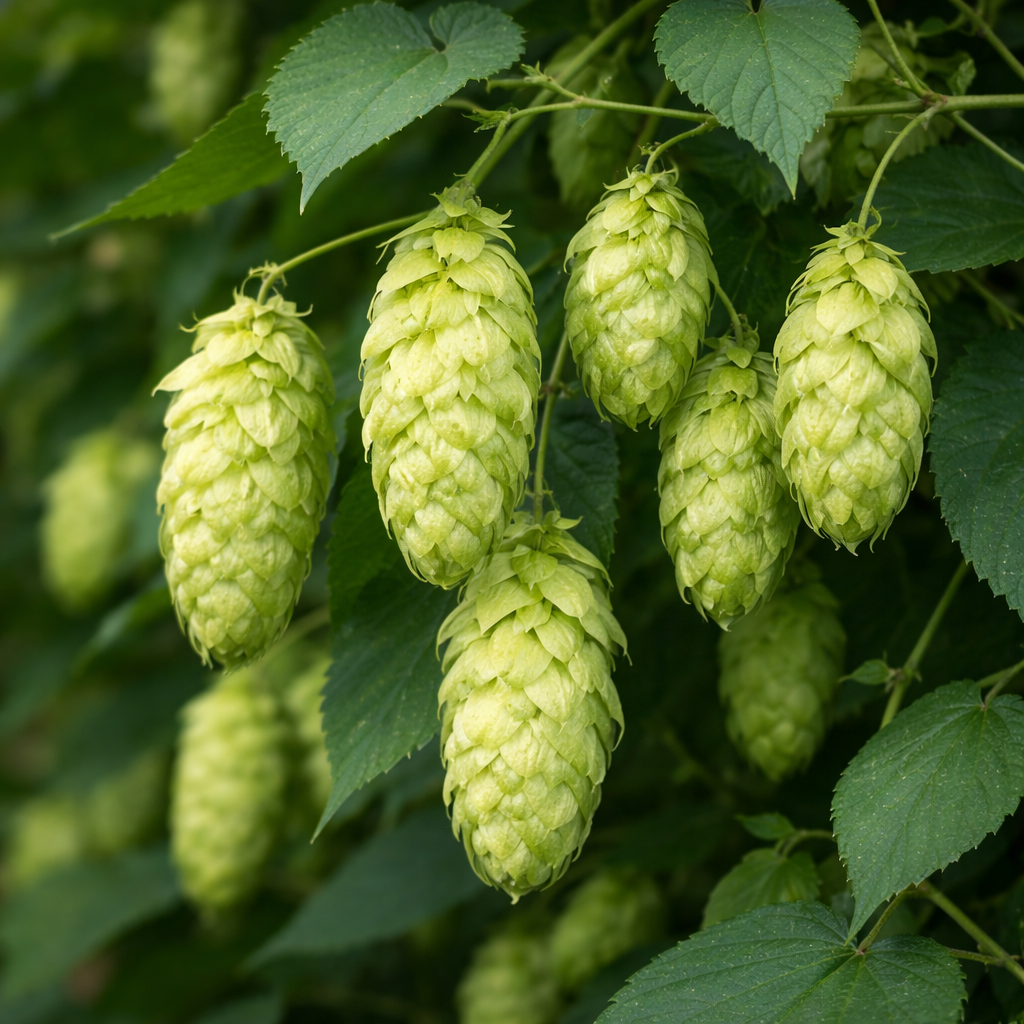
Common Hop (Humulus lupulus) is a vigorous perennial climber whose long twining stems rapidly cover a sturdy trellis, pergola, fence, or support cable. Its broad, deeply lobed green leaves create dense summer screening before dying back after hard frost. Female plants produce pale green, aromatic hop cones late in the season, while male plants bear less conspicuous flowers. The annual stems may reach 3 to 6 m in a single growing season. Exceptionally hardy, the underground crown survives Quebec winters and produces vigorous new shoots each spring, making this plant a dependable choice for fast seasonal coverage and strong vertical structure.
Common Hop prefers full sun or light partial shade and deep, rich, moist, well-drained soil. Consistent moisture supports its rapid stem growth, particularly during hot weather. Seeds benefit from moist cold stratification before spring sowing, or they may be planted outdoors in autumn. Sow them approximately 5 mm deep and maintain even moisture at temperatures of 18 to 22°C. Install a strong support at planting time and guide young shoots as they lengthen. An annual application of mature compost supports vigour, but excessive fertilizer may produce abundant foliage at the expense of cone development. Established crowns also require room for gradual rhizome expansion.
In the garden, Common Hop quickly covers fences, arbours, pergolas, and other vertical structures. Its foliage provides shade, privacy, and a bold architectural presence throughout the growing season. Female cones are traditionally used in brewing, but seed-grown plants may be male or female and will not reproduce the exact brewing qualities of a named cultivar. Pair this climber with Wild Bergamot, Black-Eyed Susan, goldenrods, and coneflowers to create a layered, biodiversity-friendly planting. Allow generous space and monitor underground spread because established rhizomes may expand vigorously. Keep the plant away from dogs, as hop material can be hazardous if consumed.

Sowing guide
It all startswith a seed.
Sowing depth
Approximately 5 mm
Spacing / density
1.5 to 2 m (5 to 6.5 ft)
Germination temperature
18 to 22°C after stratification
Germination time
14 to 30 days after stratification
Sowing period
Autumn or spring after cold stratification
Propagation
Stratified seed, rhizome division, or cuttings
Cold stratification
Yes
Growing method
Grow Common Hop from seed after a period of cold stratification to encourage even germination. Sow the seeds about 5 mm (0.2 in) deep in a light, moist growing medium at 18 to 22°C (64 to 72°F). Germination usually occurs within 14 to 30 days. Transplant seedlings outdoors after the last frost into a sunny or lightly shaded location. Provide a strong climbing support, as the vines can reach several metres in a single season. Rich, cool, well-drained soil promotes vigorous growth and abundant cone production.
Soil and care
The right care,at the right time.
Soil pH
Slightly acidic to neutral, about 6.0 to 7.5
Minimum temperature
Approximately -40°C for the dormant crown
Care level
High
Watering
Regular to keep soil moist
Soil type
Rich, deep, moist, and well drained
Fertilization
Mature spring compost; light organic feeding if needed
Moisture
Moderate; moist, fertile and well-drained soil
Seasonal care
In spring, cut all dead stems to ground level before new shoots emerge. Apply compost and inspect the trellis or support cables for strength. When young shoots reach approximately 30 to 60 cm, select the strongest and train them around the support. During summer, water deeply in hot weather and guide the rapidly lengthening stems regularly. Remove shoots spreading beyond the intended area. In autumn, harvest mature female cones if desired, then allow the foliage to die back naturally before removing the annual stems. Monitor underground spread and divide vigorous crowns when they become overcrowded.
Container growing
A garden,within reach.
Recommended pot size
40 to 60 L (10 to 16 gal)
Common Hop can be grown in large containers of at least 40 to 60 L (10 to 16 gal), as its vigorous root system and rapid growth require ample space. Provide a sturdy trellis or support for the climbing stems. Use an organic-rich growing medium that retains moisture while draining well. Regular watering and light fertilization will produce dense foliage and an attractive living screen throughout the growing season.
Bloom and dimensions
Its place,in your garden.
Mature height
Approximately 6 m with support
Width / spread
Variable according to support and rhizome spread
Flower color
Yellowish green
Foliage color
Green
Foliage type
Deciduous
Growth rate
Very fast
Growth habit
Climbing, twining, rhizomatous and very vigorous
Fragrance
Female cones are highly aromatic, resinous and herbal
Bloom period
July to August
Fruiting
Aromatic cones produced only on female plants
Days to maturity
First light harvest generally after 2 years; full production after 3 years
Harvest
August to September for female cones
Garden associations
In goodcompany.
Companion plants
Wild Bergamot, Black-Eyed Susan, goldenrods, and coneflower
Plants to avoid
Lavender, cotton lavender, sedum, and other dry-soil plants
Recipe idea
From the gardento your plate.
Edible parts
Female cones used in brewing; toxic to dogs
The fragrant female cones are traditionally harvested for brewing beer, where they provide bitterness and distinctive aroma. They are also popular for dried floral arrangements and other craft projects. In edible and brewing gardens, Common Hop offers both ornamental beauty and practical value. Harvest the cones when they become slightly papery and release their characteristic hop fragrance.
Frequently asked questions
Your questions,answered.
When should Common Hop seeds be sown?
Common Hop seeds can be sown in spring or autumn after a period of cold stratification. This treatment generally improves germination and mimics natural conditions.
Why should support be installed at planting time?
Common Hop is an extremely vigorous climbing vine that can grow several metres in a single season. Installing a sturdy support at planting time keeps the vines organized and prevents them from sprawling across the ground.
Will every seedling produce hop cones?
Yes. Common Hop grows well in large containers provided a sturdy support is available. Because of its rapid growth, container-grown plants require regular watering throughout summer.
When should hop cones be harvested?
The cones are usually harvested from August through September when they become slightly papery and develop their characteristic aroma. Harvesting at the proper stage ensures the highest quality.
Is Common Hop safe for pets?
Yes. Its flowers attract a variety of beneficial pollinating insects, while the dense foliage provides valuable shelter for small wildlife throughout the growing season.
Wildlife and pets
Life,around your plants.
Native plant
Yes
Reported toxicity
Yes
Supporting wildlife
Bees and pollinators
For a great start to your seeds
The right extras.Right here.
Seed Starting Soil
Shop the collectionSeed starting supplies
Shop the collection





