


Sale
Sold out

Native perennial
Lamiaceae
Edible native pollinator plants
Wild Bergamot (Monarda fistulosa) – Seeds
Product code : AKENE-0061
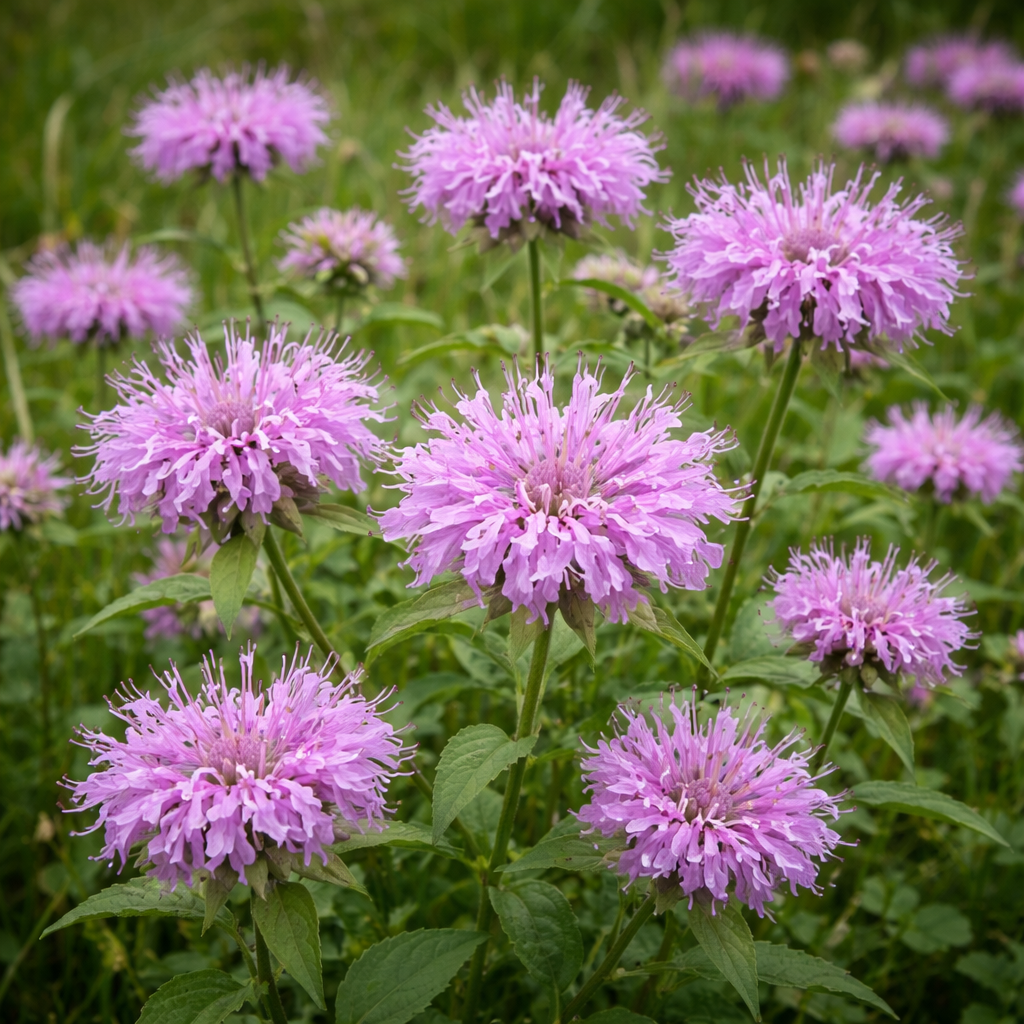
An aromatic native perennial with rosy lavender flowers, Wild Bergamot attracts a wide range of pollinators. Its edible leaves and flowers may also be used to flavour herbal teas and selected culinary preparations.
- Quantity
- Approximately 300 seeds
- Exposure
- Full sun to light partial shade
- Life cycle
- Perennial
- Hardiness
- Zones 3 to 8
Discover the plant
Common nameWild Bergamot
FamilyLamiaceae
GenusMonarda
Speciesfistulosa
TypeNative perennial
Botanical nameMonarda fistulosa
Reproducible seedsYes
Wild Bergamot (Monarda fistulosa) is an upright native perennial valued for its rounded flower heads composed of slender rosy lavender blooms. Its green, deciduous foliage releases a spicy fragrance reminiscent of oregano and bergamot when crushed. Flowering generally extends from June through August, adding colour, texture, and movement to naturalistic landscapes. The stems commonly reach 60 to 120 cm and gradually form attractive colonies through shallow rhizomes. Hardy in Zones 3 to 8, this dependable perennial returns each year and is especially well suited to Canadian gardens inspired by North American meadows, open woodlands, and prairie plant communities.
Wild Bergamot performs best in full sun, although it tolerates light partial shade where it still receives abundant light. It adapts to several soil types provided drainage is reliable, favouring average to moderately fertile soil with consistent moisture but no prolonged waterlogging. Proper spacing and good air circulation help reduce the likelihood of powdery mildew on the leaves. Sow the seeds on the surface or cover them with no more than 3 mm of fine growing medium. In Quebec and elsewhere in Canada, outdoor sowing can be completed in spring after the last frost. Established plants tolerate brief dry periods, although moderate watering supports stronger growth and flowering.
Wild Bergamot is an outstanding choice for pollinator gardens, wildflower meadows, edible landscapes, and naturalized plantings. Its nectar-rich flowers attract hummingbirds, butterflies, bees, bumblebees, and numerous beneficial insects throughout the summer. It combines beautifully with Black-eyed Susan, Purple Coneflower, Dense Blazing Star, and native ornamental grasses. The aromatic leaves and flowers are edible and may be used to flavour herbal teas, cold beverages, salads, and decorative garnishes. Its greatest contribution, however, is its ecological value, combining reliable summer bloom, habitat support, and a strong vertical presence that brings structure and fragrance to diverse garden settings.

Sowing guide
It all startswith a seed.
Sowing depth
Surface to 3 mm (0 to 0.1 in)
Spacing / density
45 to 60 cm (18 to 24 in)
Germination temperature
18 to 22°C
Germination time
10 to 30 days
Sowing period
Spring after the last frost
Propagation
Seed or division of mature clumps
Cold stratification
Yes
Growing method
Surface sow Wild Bergamot seeds or cover them with no more than 3 mm (0.1 in) of fine growing medium. Maintain temperatures between 18 and 22°C (64 to 72°F) with consistent moisture until germination, which generally occurs within 10 to 30 days. Transplant seedlings once they have developed several true leaves. Plant them in rich, well-drained soil in full sun, where good air circulation helps reduce the risk of powdery mildew. Once established, this native perennial gradually forms attractive colonies that support pollinators throughout the growing season.
Soil and care
The right care,at the right time.
Soil pH
Acidic to alkaline
Minimum temperature
Approximately -40°C (-40°F)
Care level
Low to moderate
Drought tolerance
Yes
Watering
Moderate; keep soil evenly moist without waterlogging
Soil type
Average, loamy, or clay soil with good drainage
Fertilization
Light spring compost; avoid excessive nitrogen
Moisture
Medium; moist to moderately dry soil
Seasonal care
In spring, cut back the previous year’s dry stems and spread a thin layer of compost around the plants. During summer, water through prolonged dry periods and watch for powdery mildew on the foliage. Generous spacing and good air circulation help reduce this issue. Remove selected faded blooms for a tidier appearance, or allow them to mature to feed wildlife and encourage reseeding. Divide overcrowded colonies every three or four years. In fall, leave several stems and seed heads standing to provide food and shelter for birds and beneficial insects throughout winter.
Container growing
A garden,within reach.
Recommended pot size
20 to 30 L (5 to 8 gal)
Wild Bergamot performs exceptionally well in containers of at least 20 to 30 L (5 to 8 gal) with excellent drainage. Use an organically rich growing medium and place the container where it receives several hours of direct sun each day. Water regularly without allowing the soil to become waterlogged. Container growing is an excellent way to enjoy its nectar-rich flowers and aromatic foliage on patios and balconies.
Bloom and dimensions
Its place,in your garden.
Mature height
120 cm (48 in)
Width / spread
75 cm (30 in)
Flower color
Rosy lavender to pale mauve
Foliage color
Green
Foliage type
Deciduous and aromatic
Growth rate
Moderate
Growth habit
Upright and branching
Fragrance
Aromatic foliage reminiscent of oregano and bergamot
Bloom period
June to August; rounded, nectar-rich flower heads
Fruiting
Small brown seeds maturing in dried flower heads
Harvest
Leaves before or during bloom; flowers from June to August

Garden associations
In goodcompany.
Companion plants
Purple Coneflower, Black-eyed Susan, Dense Blazing Star, Blue Vervain, and native grasses
Plants to avoid
Avoid plants requiring constantly waterlogged soil or deep shade
Recipe idea
From the gardento your plate.
Edible parts
Leaves and flowers
The leaves and flowers of Wild Bergamot are edible and have a pleasant flavor reminiscent of oregano and bergamot. They can be used fresh in salads, summer beverages, or as edible floral garnishes. The leaves are also prized for preparing traditional herbal teas. This native perennial is highly valued in edible gardens for combining culinary uses, traditional herbal value, and outstanding ecological benefits.
Frequently asked questions
Your questions,answered.
When should Wild Bergamot seeds be sown?
Wild Bergamot seeds are generally sown in spring after the risk of frost has passed or started indoors several weeks earlier. Bright light encourages strong germination and healthy seedling development.
Does Wild Bergamot attract hummingbirds?
Yes. Its nectar-rich flowers naturally attract hummingbirds throughout the summer, along with native bees, butterflies, and many other beneficial pollinators.
Can Wild Bergamot be used in herbal tea?
Yes. The leaves and flowers can be harvested and dried to prepare a fragrant herbal tea, a traditional use that has been appreciated across North America for generations.
How can powdery mildew be prevented?
Provide good air circulation, plant in full sun, and avoid excessive nitrogen fertilizer. These practices greatly reduce the risk of powdery mildew.
Does Wild Bergamot spread?
Yes. Wild Bergamot is a hardy native perennial that is easy to grow in Canadian climates. Once established, it requires little maintenance and returns reliably every year.
Wildlife and pets
Life,around your plants.
Attracts birds
Yes
Native plant
Yes
Supporting wildlife
Hummingbirds, bees, and butterflies
For a great start to your seeds
The right extras.Right here.
Seed Starting Soil
Shop the collectionSeed starting supplies
Shop the collection





