🌱 The basics for starting a successful vegetable garden

  1. A sunny location:
    Most vegetables and herbs require between 6 and 8 hours of sunlight per day to grow well.

  2. A quality soil:
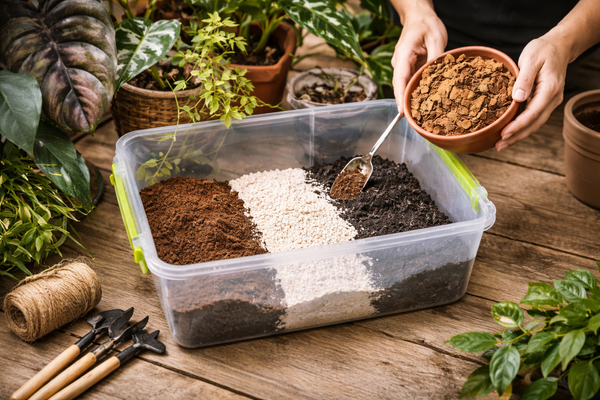
    Enrich your soil with compost or suitable potting soil to provide essential nutrients to your plants.

  3. Regular maintenance:
    Watering, weeding and monitoring pests are essential tasks for a healthy vegetable garden.

  4. Lack of space?

    • Use containers: Pots, planters, or even planting bags.
    • Choose compact or climbing varieties to maximize available space.

🌿 Avoid Common Beginner Mistakes

One of the common pitfalls for beginning gardeners is overplanting. The variety available at the garden center can be tempting, but it's important to stay realistic:

  • Plant only what your family will consume.
  • Do not sow the entire contents of your seed packets. Store them in a cool, dry place for later sowing.

🌟 Example of a vegetable garden for 4 people

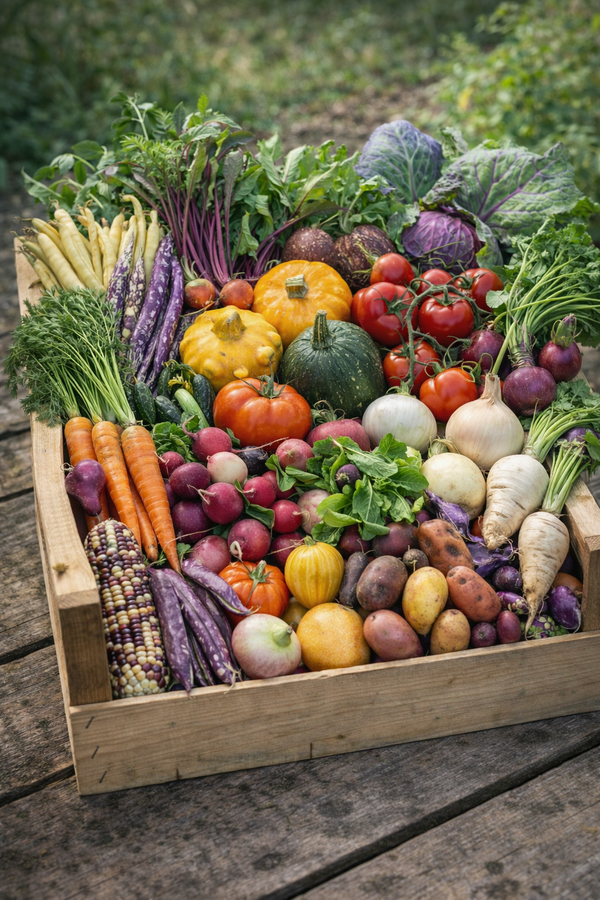
A well-planned vegetable garden can feed a family of four without waste. Here's a balanced suggestion:

In seeds:

  • Lettuce: Successive sowing for regular harvests.
  • Carrots: Easy to grow and loved by everyone.
  • Beans: Ideal for continuous summer harvests.
  • Radishes: Perfect for beginners, grow quickly.
  • Beets: Edible leaves and roots, a double pleasure!
  • Peas (snap or sugar snap): Delicious raw or cooked.

In plants:

  • 3 tomatoes : Vary the varieties (Italian, cherry, yellow).
  • 2 cucumbers : Make them climb to save space.
  • 1 zucchini : Very productive, ideal for summer dishes.
  • 3 peppers or hot peppers : Add color and flavor.
  • 3 cabbages : Kale or headed cabbage for their nutritional benefits and their resistance.
  • 25 onions, leeks or shallots : An essential basic.
  • 4 herbs : Parsley, basil, thyme, rosemary. Grow them in pots to keep them close to the kitchen.

🌼 Optimize your space

  1. Choose compact varieties:
    Some varieties, such as determinate tomatoes or climbing cucumbers, are ideal for small spaces.

  2. Use trellises:

    • Train cucumbers, zucchini or peas to free up ground space.
    • Trellises also add a decorative touch to the vegetable garden.
  3. Planting herbs in pots:
    This allows you to move them as needed and save space in the main vegetable garden.


💧 Maintenance makes all the difference

A thriving vegetable garden requires a minimum of rigor:

  • Watering: Maintain constant humidity, especially during hot periods.
  • Weeding: Remove weeds regularly to prevent them from competing with your vegetables.
  • Harvest: Be mindful and harvest your vegetables at the right time to stimulate continued production.

🌟 Growing a vegetable garden is easy and rewarding

Creating a vegetable garden is much more than a utilitarian activity. It is an enriching experience that reconnects you with nature and offers fresh, tasty, pesticide-free vegetables. Whether you are a beginner or an experienced gardener, plan your vegetable garden well, pay attention to your crops, and enjoy your harvest with pride.

So what are you waiting for? On your seeds, get set… plant! 🌿🌞

Other articles

Ces arbustes qui agrémentent votre aménagement paysager
These shrubs that enhance your landscaping
Plantes et animaux de compagnie : cohabiter sans danger
Plants and pets: coexisting safely
Semis : les erreurs à éviter absolument pour réussir son potager
Sowing seeds: mistakes to absolutely avoid for a successful vegetable garden
Comprendre les graines et les semences
Understanding seeds
NOUVEAUTÉS SEMENCES 2026
NEW SEEDS 2026
Comment entretenir les cyclamens de A à Z
How to care for cyclamens from A to Z
Les différences entre les variétés de poinsettias
The differences between poinsettia varieties
Comment garder un poinsettia en santé toute l’année
How to keep a poinsettia healthy all year round
Les bulbes d’automne : le secret d’un printemps éclatant
Autumn Bulbs: The Secret to a Brilliant Spring
Démystifier les chiffres sur les engrais : comprendre le rapport N-P-K
Demystifying Fertilizer Numbers: Understanding the N-P-K Ratio
Les meilleurs engrais naturels pour un potager sain et abondant
The Best Natural Fertilizers for a Healthy and Abundant Vegetable Garden
Tomates ancestrales : goût, productivité et soins — Top 10 des variétés à découvrir
Heirloom Tomatoes: Flavor, Yield & Care — Top 10 Must-Try Varieties
Les meilleures vivaces pour sol pauvre et sec
The best perennials for poor, dry soil
Comment choisir le bon terreau pour vos plantes en pot
How to Choose the Right Potting Mix for Your Plants
Créer un tapis végétal durable grâce aux vivaces couvre-sols
Ground Cover Perennials
Les graminées vivaces : la clé d’un jardin structuré, vivant et durable
Perennial grasses
Bien choisir ses vivaces pour le plein soleil, la mi-ombre et l’ombre
Choosing the right perennials for full sun, part shade and shade
L’huile de dormance et la bouillie soufrée : un traitement efficace et écologique !
Dormant oil and lime sulfur: an effective and ecological treatment!
Bien préparer sa surface de plantation
Properly preparing your planting area
Pourquoi utiliser un engrais enracineur ?
Why use a rooting fertilizer?
Pourquoi utiliser des mycorhizes (MYKE) lors de la plantation et du rempotage des végétaux?
Why use mycorrhizae (MYKE) when planting and repotting plants?
L’analyse de sol, le premier pas pour des végétaux en pleine santé!
Soil analysis, the first step towards healthy plants!
Les toiles de protection contre le gel pour jardiner plus longtemps
Frost protection covers for extended gardening
Choisir son éclairage artificiel pour les semis
Choosing the artificial lighting for seedlings
La fertilisation des semis – quand, comment et pourquoi ?
Seedling fertilization - when, how and why?
Des légumes dans les plates-bandes? Pourquoi pas!
Vegetables in the flowerbed? Why not!
Planifier son potager pour 4 personnes
Planning a vegetable garden for 4 people
Une mini-serre pour vos semis
A mini greenhouse for your seedlings
Cultiver un potager en ville : exploiter le balcon
Growing a urban vegetable garden: exploiting the balcony
Créer un potager à thématique cocktail
Creating a cocktail themed garden
Les bienfaits d’une pelouse diversifiée
Benefits of a diverse lawn
Quand commencer ses semis pour réussir son potager
When is the best time to prepare my seedlings for the vegetable garden?
Le caladium, une plante méconnue
Caladium, a barely known plant
Quand tailler les arbres fruitiers?
When to prune fruit trees?
Envie de renouveau? Créez une nouvelle plate-bande!
Fancy a change of scenery? Create a new flowerbed!
Plantes et canicule : les bonnes pratiques d’arrosage
Plants and heat waves: watering best practices
Pourquoi choisir un arbre en motte
Why choose a root ball tree?
Vivaces grimpantes
Climbing perennials
Pour une pelouse verte, dense et en pleine santé, pensez à bien la fertiliser!
For a green, thick and healthy lawn, remember to fertilize it well!
Planter un arbre : simple comme bonjour?
Planting a tree: easy peasy?
Qui n’aime pas les petits fruits?
Who doesn’t like berries?
Prendre soin de ses plantes d’intérieur en hiver
Caring for your houseplants in winter
Octobre, le moment parfait pour planter l’ail
October, the perfect time to plant garlic
Les potées d’automne pour redonner du pep à votre aménagement!
Autumn planters to give your landscape a boost!
Les protections hivernales : quoi protéger et quand?
Winter protection: what to protect and when?
Le calathea, une plante fascinante
Calathea, a fascinating plant
Lumière et humidité : deux facteurs clés de la réussite de vos plantes d’intérieur
Light and humidity: two key factors for the success of your indoor plants
Bien choisir son terreau : la base d’un jardin en santé
Potting Soil: a key choice to boost plant health and growth