Perennial Ground Covers: A Beautiful, Low-Maintenance Living Carpet

Some areas of the landscape are difficult for traditional lawns to thrive, including shady spaces, slopes, narrow planting strips, dry soils, and locations that are hard to mow. Instead of struggling with turf in challenging conditions, perennial ground covers offer a durable, attractive, and environmentally friendly alternative.

Ground cover perennials form a dense layer of vegetation that protects the soil, reduces erosion, suppresses weeds, and helps retain moisture. They also add colour, texture, and year-round visual interest while reducing mowing, watering, and fertilizer requirements.

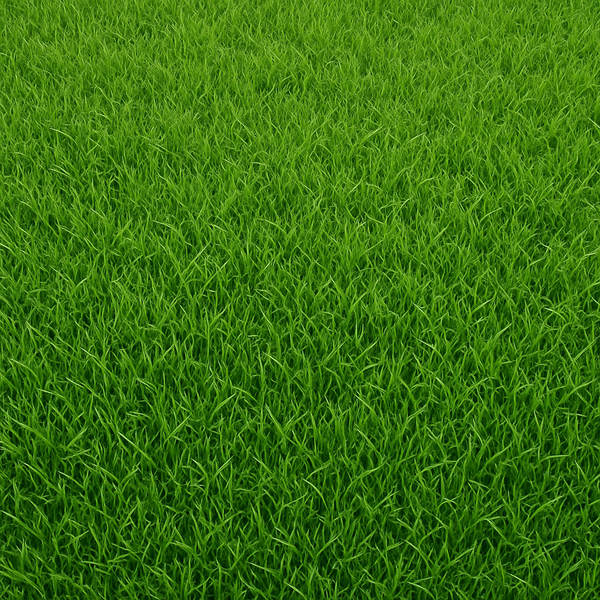
A Living Ground Cover Instead of Turfgrass

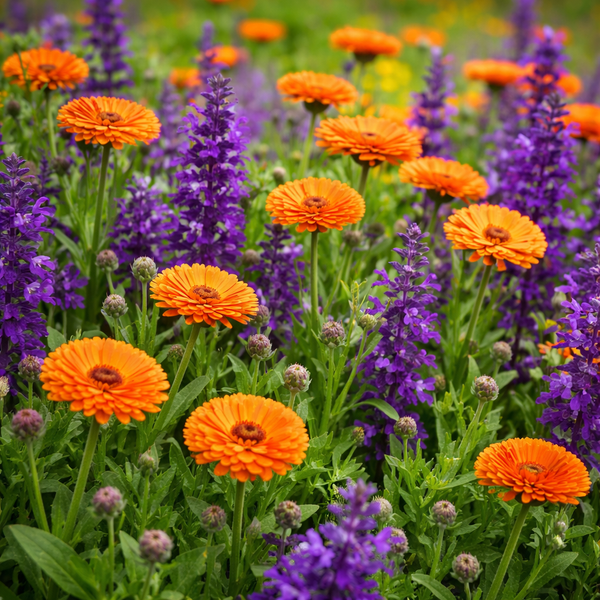
Perennial ground covers for full sun

Unlike traditional lawns that require frequent mowing and regular maintenance, perennial ground covers gradually spread to create a continuous carpet of foliage. Once established, they require minimal care, making them an excellent choice for low-maintenance landscapes.

Their dense root systems improve soil structure, encourage beneficial soil life, retain moisture, and help stabilize slopes by reducing runoff and erosion.

Main Benefits

Suppress weeds, reduce watering needs, prevent soil erosion, and enhance the appearance of difficult landscape areas.

Successful Establishment

Plant in staggered rows and follow recommended spacing to encourage fast, even coverage.

Choosing Ground Covers Based on Sun Exposure

Like all perennials, ground covers perform best when matched to the site's growing conditions. Sun exposure directly affects flowering, foliage density, and overall plant health.

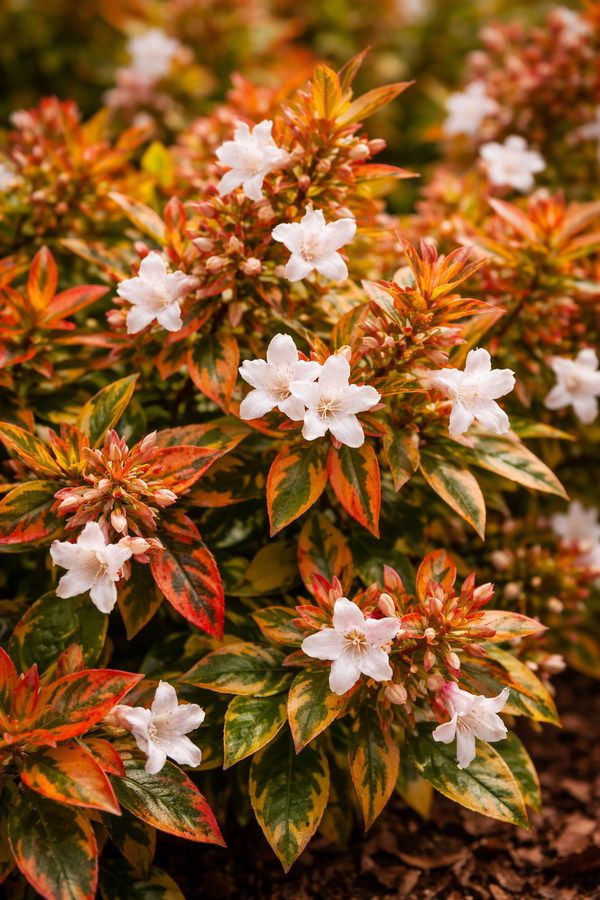
Perennial ground covers for shade

Full Sun

Perfect for drought-tolerant species growing in well-drained soils, including rock gardens and sunny slopes.

Part Shade

Ideal for areas receiving a few hours of direct sunlight while maintaining lush foliage and seasonal blooms.

Full Shade

An excellent solution beneath mature trees or beside buildings where grass struggles to grow.

Foliage, Flowers, and Plant Height

Perennial ground covers offer an impressive variety of foliage textures, colours, and flowering habits. Some provide evergreen interest throughout the year, while others produce spectacular seasonal blooms.

Plant height also influences the overall landscape effect. Low-growing species create a smooth, uniform carpet, while slightly taller varieties add depth and structure to planting beds.

Ground covers and foot traffic

Foot Traffic Tolerance

Lawns remain the best option for areas with constant foot traffic. However, several ground covers can tolerate occasional walking, making them suitable for secondary pathways and lightly used garden spaces.

For frequently travelled areas, combine ground cover plants with stepping stones, pavers, or gravel pathways for long-term durability.

Popular Perennial Ground Cover Plants

  • Bugleweed (Ajuga reptans)
  • Periwinkle (Vinca minor)
  • Japanese Spurge (Pachysandra terminalis)
  • Spotted Dead Nettle (Lamium maculatum)
  • Creeping Thyme (Thymus serpyllum)
  • Creeping Stonecrop (Sedum spurium)
  • Creeping Phlox (Phlox subulata)
  • Barrenwort (Epimedium)
  • Snow-on-the-Mountain (Aegopodium podagraria)
  • Beach Strawberry (Fragaria chiloensis)
  • Snow-in-Summer (Cerastium tomentosum)
  • Lily of the Valley (Convallaria majalis)
  • Foamflower (Tiarella cordifolia)
  • Mexican Fleabane (Erigeron karvinskianus)
  • Rock Rose (Helianthemum)
  • Bigroot Geranium (Geranium macrorrhizum)
  • Woodland Sage (Salvia nemorosa)
  • Creeping Jenny (Lysimachia nummularia)

Summary

Perennial ground covers transform difficult areas into beautiful, long-lasting landscapes while reducing maintenance and improving biodiversity. They provide an environmentally friendly alternative to traditional lawns and help create healthier, more sustainable gardens.

By selecting species according to sunlight, soil conditions, mature height, and intended use, you can create a cohesive, attractive ground cover that enhances your landscape for years to come.

Other articles

Criocère du lys : quoi faire pour protéger vos lis
Les bienfaits du jardinage sur la santé mentale
Énigmatiques plantes aquatiques
Des fleurs sous les arbres
Créer des pizzas à partir du potager
Pour des projets paysagers d’envergure, pensez vrac !
La teigne du poireau : comment protéger l’ail, les oignons et les poireaux au jardin
Quels arbustes choisir pour avoir une floraison wow?
Des jardinières magnifiques toute l’année
Beautiful planters all year round
Du Sud dans sa cour : les tropicales en vedette
Southern Charm in Your Yard: Tropical Plants Take Center Stage
Comment créer un jardin odorant?
How to create a fragrant garden?
Quoi faire avec les surplus de légumes?
What to do with surplus vegetables?
Entretenir sa haie de cèdres
Maintaining your cedar hedge
Planter le basilic : semis, pot et pleine terre
Planting basil: seeds, pots, and garden beds
Basilic : comment récolter, conserver et cuisiner cette herbe incontournable
Basil: how to harvest, store, and cook this essential herb
Qui attaque ma pelouse?
What's attacking my lawn?
Les hydrangées : des fleurs à profusion
Hydrangeas: an abundance of flowers
Réparation de pelouse : quoi et comment?
Lawn Repair: What and How?
Fascinantes plantes insectivores!
Fascinating carnivorous plants!
Cultiver et entretenir un bonsaï
Growing and Caring for a Bonsai Tree
Bien arroser ses plantes d’intérieur : un art qui rapporte!
Watering your houseplants properly: an art that pays off!
Insectes communs des plantes d’intérieur
Common Houseplant Pests
Créez votre jungle urbaine
Create your urban jungle
Germinations, micro-pousses et jeunes plants : jardiner même en hiver
Germinations, microgreens, and young plants: gardening even in winter
Le surfaçage des plantes : en quoi ça consiste ?
Plant topping: what is it?
Faut-il nettoyer les plantes d’intérieur?
Should indoor plants be cleaned?
Tailler les framboisiers : quand et comment?
Pruning raspberry bushes: when and how?
Du repos à la splendeur : comment réveiller vos bulbes d’été
From Rest to Radiance: How to Reawaken Your Summer Bulbs
Un potager pour 2 à 3 personnes
A vegetable garden for 2 to 3 people
Créer une oasis urbaine : végétaliser les rues commerciales
Creating an urban oasis: greening commercial streets
Plantes tropicales à cultiver en pot sur la terrasse
Tropical plants to grow in pots on the patio
Scarabées japonais : l’envahisseur métallique à connaître
Japanese Beetles: What to Know About the Metallic Invader
Les bulbes d’automne : le secret d’un printemps éclatant
Autumn Bulbs: The Secret to a Brilliant Spring
Bien démarrer son potager sans se planter!
Getting your vegetable garden off to a good start without making mistakes!
Tout savoir sur l’hibiscus : plantation, entretien, floraison et hivernage
All about hibiscus: planting, care, flowering and overwintering
Les roses David Austin à l’honneur
David Austin Roses in the spotlight
La pyrale du buis : comment l’identifier et la contrôler
Box tree moth: how to identify and control it
Plantes et animaux de compagnie : cohabiter sans danger
Plants and pets: coexisting safely
Bulbes, rhizomes et tubercules d’été : quoi planter au printemps pour un jardin spectaculaire
Summer bulbs, rhizomes and tubers: what to plant in spring for a spectacular garden
Les plants d’agrumes : guide complet de culture et d’entretien
Citrus plants: a complete guide to growing and caring for
L'Agriculture Urbaine : Votre Potager à Portée de Main
Urban Agriculture: Your Vegetable Garden at Your Fingertips
Semis au potager : les erreurs à éviter pour réussir
Sowing seeds: mistakes to absolutely avoid for a successful vegetable garden
Comprendre les graines et les semences
Understanding seeds
NOUVEAUTÉS SEMENCES 2026
NEW SEEDS 2026
Comment entretenir les cyclamens de A à Z
How to care for cyclamens from A to Z
Les différences entre les variétés de poinsettias
The differences between poinsettia varieties
Comment garder un poinsettia en santé toute l’année
How to keep a poinsettia healthy all year round
Démystifier les chiffres sur les engrais
Demystifying Fertilizer Numbers: Understanding the N-P-K Ratio
Les graminées vivaces : mouvement et structure au jardin
Perennial grasses