Sale
Sold out

Cornaceae
Trees and shrubs
Gray dogwood
Gray dogwood
- Exposure
- Partial shade
- Hardiness
- Zone 2–7
Discover the plant
Common nameGray dogwood
FamilyCornaceae
GenusDogwood
Speciesracemose
TypeNative shrub
Botanical nameGray dogwood
Cornus racemosa, commonly known as gray dogwood, is a hardy and versatile native shrub, widely used for naturalistic and ecological landscaping. It forms a dense, spreading, often suckering shrub, making it an excellent choice for informal hedges, soil stabilization, and plantings along woodlands or embankments. Its deciduous medium green foliage turns pale yellow in autumn, while its discreet spring blooms give way to clusters of white berries much appreciated by wildlife. Its grayish branches add subtle winter interest. Extremely hardy and perfectly adapted to Quebec conditions, Cornus racemosa tolerates poor, dry, or calcareous soils and is a sustainable choice for promoting biodiversity while structuring the landscape.

Soil and care
The right care,at the right time.
Minimum temperature
-40°C
Watering
Moderate to regular
Soil type
Tolerant, dry to cool, poor to chalky
Fertilization
None required
Bloom and dimensions
Its place,in your garden.
Mature height
3–4 m (10–13 ft)
Width / spread
3–4 m (10–13 ft)
Flower color
Creamy white
Foliage color
Green
Foliage type
Obsolete
Growth rate
Fast
Growth habit
Dense, spreading, suckering shrub
Bloom period
Spring
Fruiting
White berries in clusters, very popular with wildlife
Wildlife and pets
Life,around your plants.
Supporting wildlife
Yes
For your trees, shrubs and conifers
The right extras.Right here.
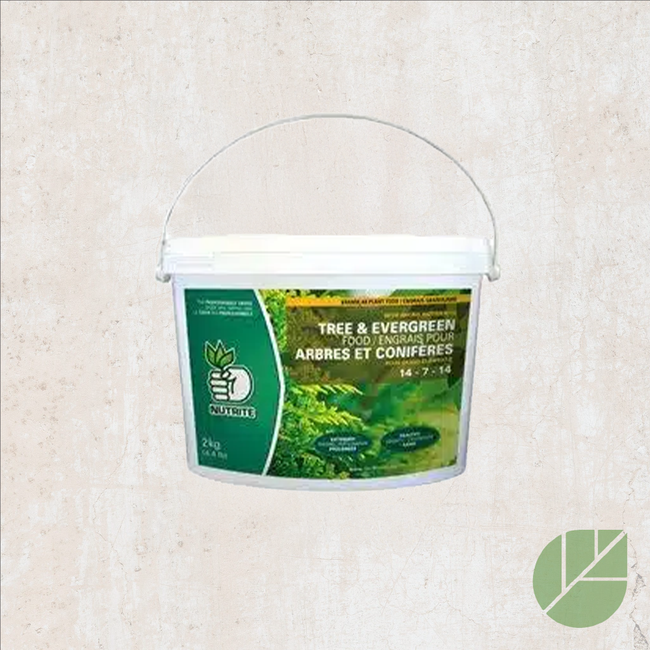
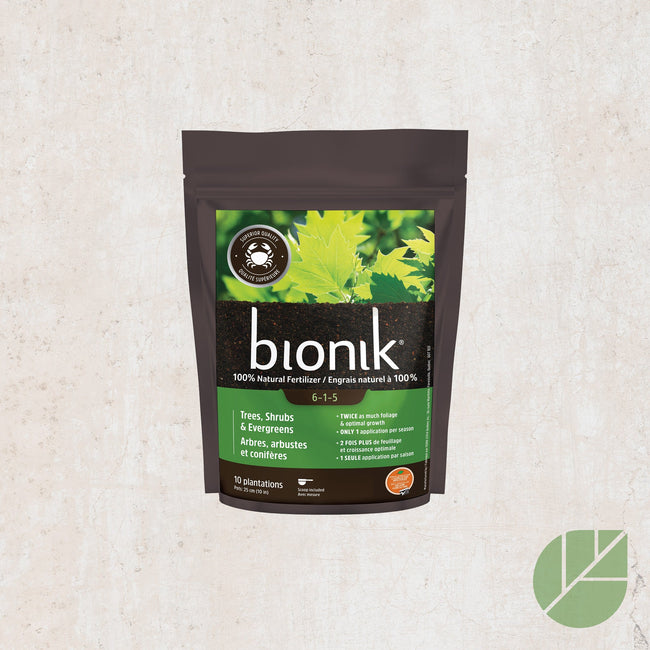
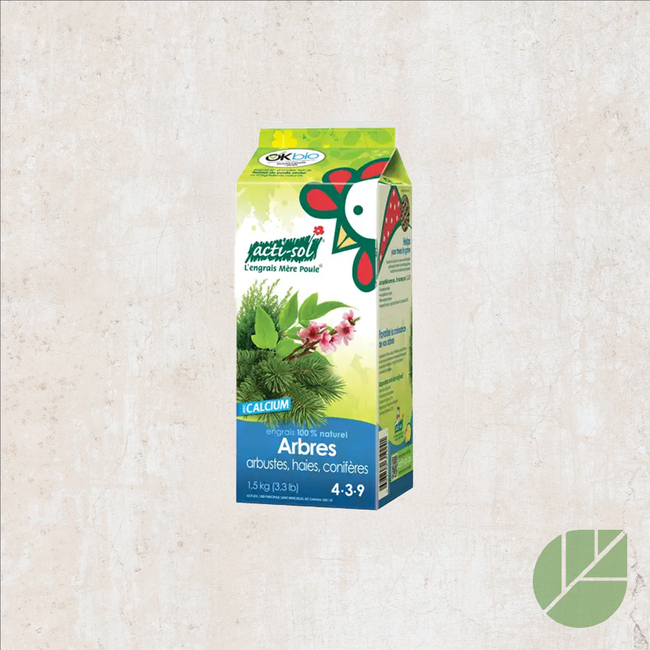
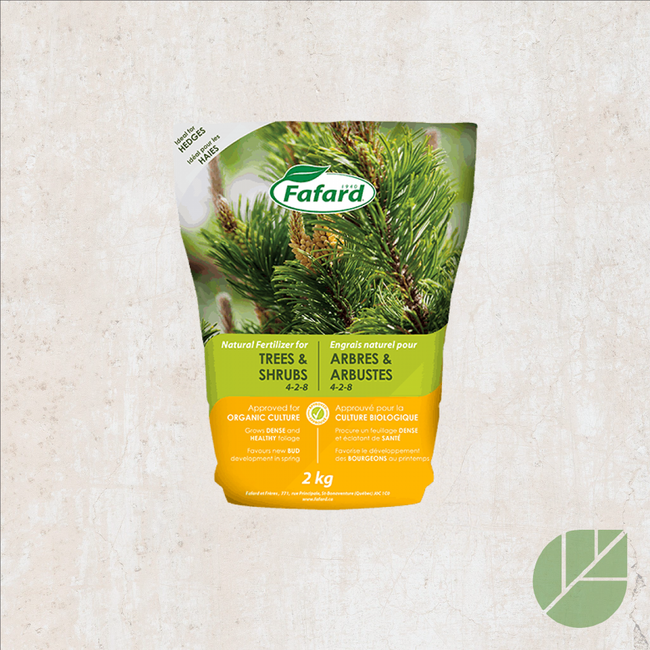
Tree and Shrub Fertilizer
Shop the collection