Botanical profile

Abies procera ‘Glauca’

Latin name
Abies procera ‘Glauca’
Common name
Noble Fir 'Glauca'
Type
Coniferous
Family
Pinaceae

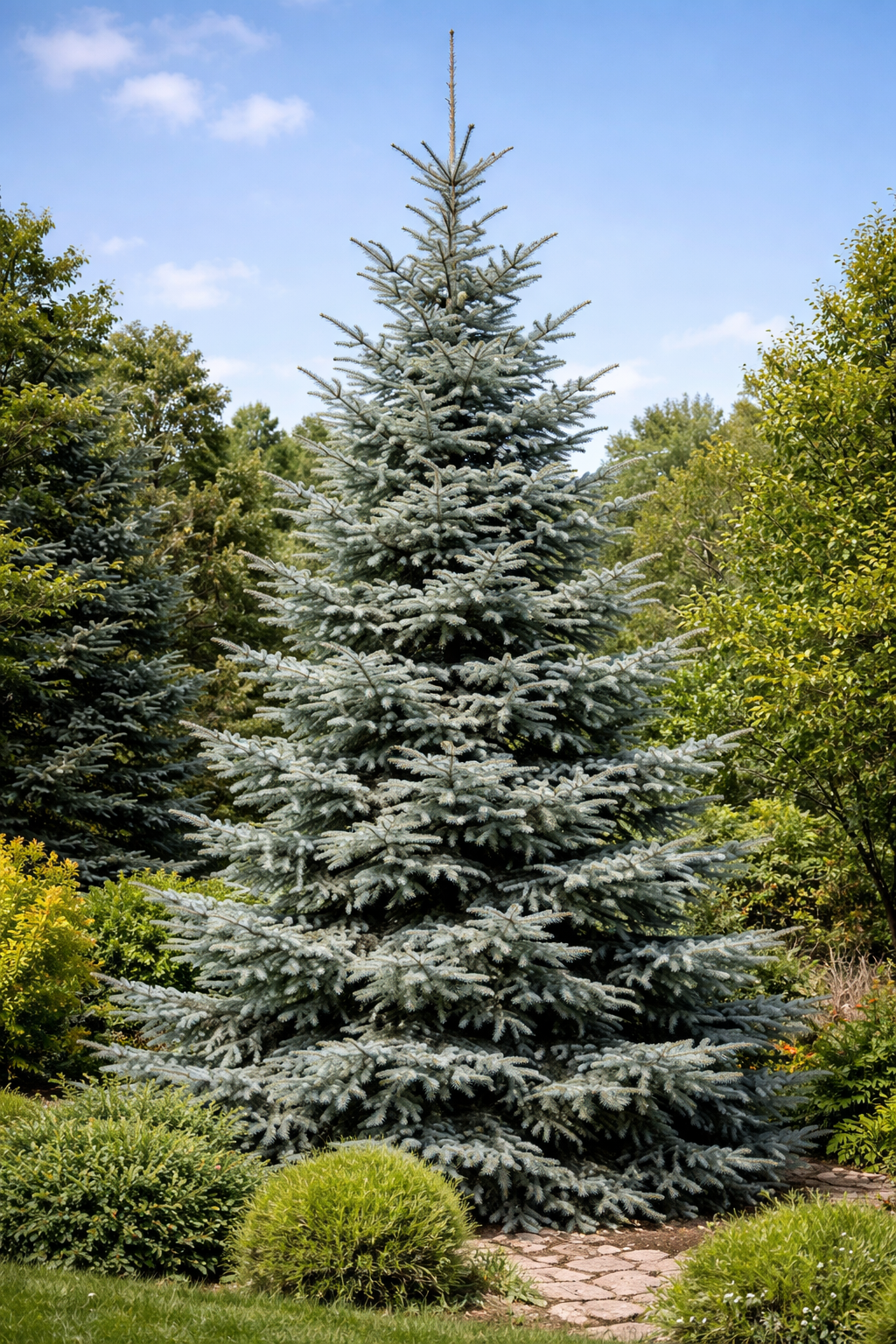
Abies procera ‘Glauca’, also known as the noble fir 'Glauca', is a majestic conifer renowned for its dense and vibrant silvery-blue foliage, which gives it a striking presence in landscape designs. With a naturally pyramidal habit, it develops a slender and regular silhouette, ideal as an accent tree or a standalone specimen in large gardens. Its evergreen foliage, soft to the touch and richly colored, captures light all year round, creating a bright focal point, even in winter. Very hardy and well adapted to Quebec's climatic conditions, the noble fir ‘Glauca’ prefers deep, cool, and well-drained soil, in a sunny to partially shaded location. Thanks to its moderate growth, cold resistance, and structured appearance, Abies procera ‘Glauca’ is an elegant choice for sophisticated and sustainable landscaping projects.

Care guide

Care level
Low to moderate

Choosing this plant

Main benefit
Very bright silver-blue foliage and a majestic pyramidal habit, ideal for creating a focal point in large landscapes.
Feature tree, solitary planting, large garden, structural landscaping, conifer bed, long-term visual screen or winter focal point.
Container growing
Possible in very large containers during the first few years only, but this conifer becomes too large for permanent pot cultivation. Provide a deep container, excellent drainage, a slightly acidic substrate, and winter protection for the pot.
Seasonal care
Water regularly during the first few years to encourage strong root development. Add mulch at the base to keep the soil cool, without covering the crown. No significant pruning is necessary, except to remove dead, damaged, or misplaced branches.
Growing conditions

Light, soil, water and hardiness

Hardiness zone
Zone 4
Exposure
Sun
Watering
Moderate to regular
Humidity
Cool, slightly moist soil, without excess water
Fertilization
Fertilizer for conifers in spring
Soil type
Fresh, deep, well-drained
Soil pH
Acidic to slightly acidic
Minimum temperature
-35°C
Propagation method
Grafting
Plant appearance

Blooming, foliage and shape

Blooming period
Not specified
Fruiting
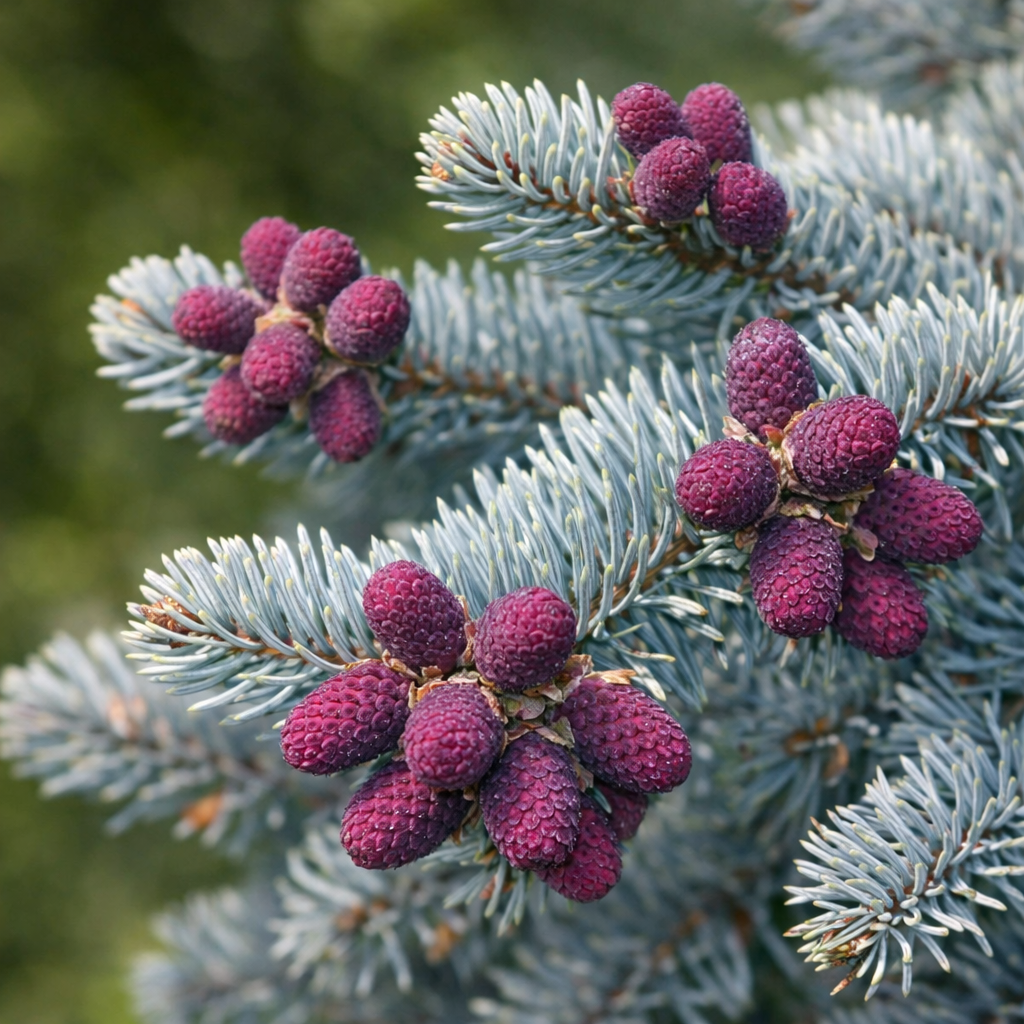
Cones erect, cylindrical, purplish-blue, turning brown at maturity
Foliage color
Silver blue
Foliage type
Persistent
Shape
Pyramidal, slender and regular
Garden structure

Size and growth

Height
12 m (39 ft)
Width
4 m (13 ft)
Growth rate
Moderate
Vegetable garden and yield

Companion planting, spacing and harvest

Companion plants
Dwarf conifers, ornamental grasses, Japanese maples, rhododendrons, azaleas, heathers, ferns, and woodland perennials
Plants to avoid
Avoid very competitive plants, invasive ground covers, or plants that retain too much moisture at their base.
Spacing
4 to 6 m (13 to 20 ft)
Pet friendly
Safe for pets

Pets

Deer
Less attractive or generally tolerated by deer

Deer

The availability of our plants varies depending on arrivals, seasons, nursery production and supplier availability. Some varieties may be offered for a limited time only, depending on their natural cycle or current stock. These plant profiles are designed to guide and inspire you when choosing plants for the garden, landscaping projects, containers or long-lasting outdoor arrangements.