

 Bionik marine and forest compost 0.6-1.8-0.13$9.99
SaleSold out

Asteraceae
Fine Herbs
Tarragon
Perennial aromatic tarragon with fine, fragrant foliage, prized for sauces, vinaigrettes, fish, poultry, and fresh herbs.
Pair it with
Bionik marine and forest compost 0.6-1.8-0.13$9.99Choose the essentials to add to your selection.
Format
$4.49
Each store has its own inventory.
Products and available quantities may vary between Brossard and Laval. To check a store’s inventory, please contact us directly.
Even better: visit us in store to discover the full selection available!
- Exposure
- Full sun
- Hardiness
- Zone 3
Discover the plant
Common nameTarragon
FamilyAsteraceae
TypePerennial
Botanical nameArtemisia dracunculus
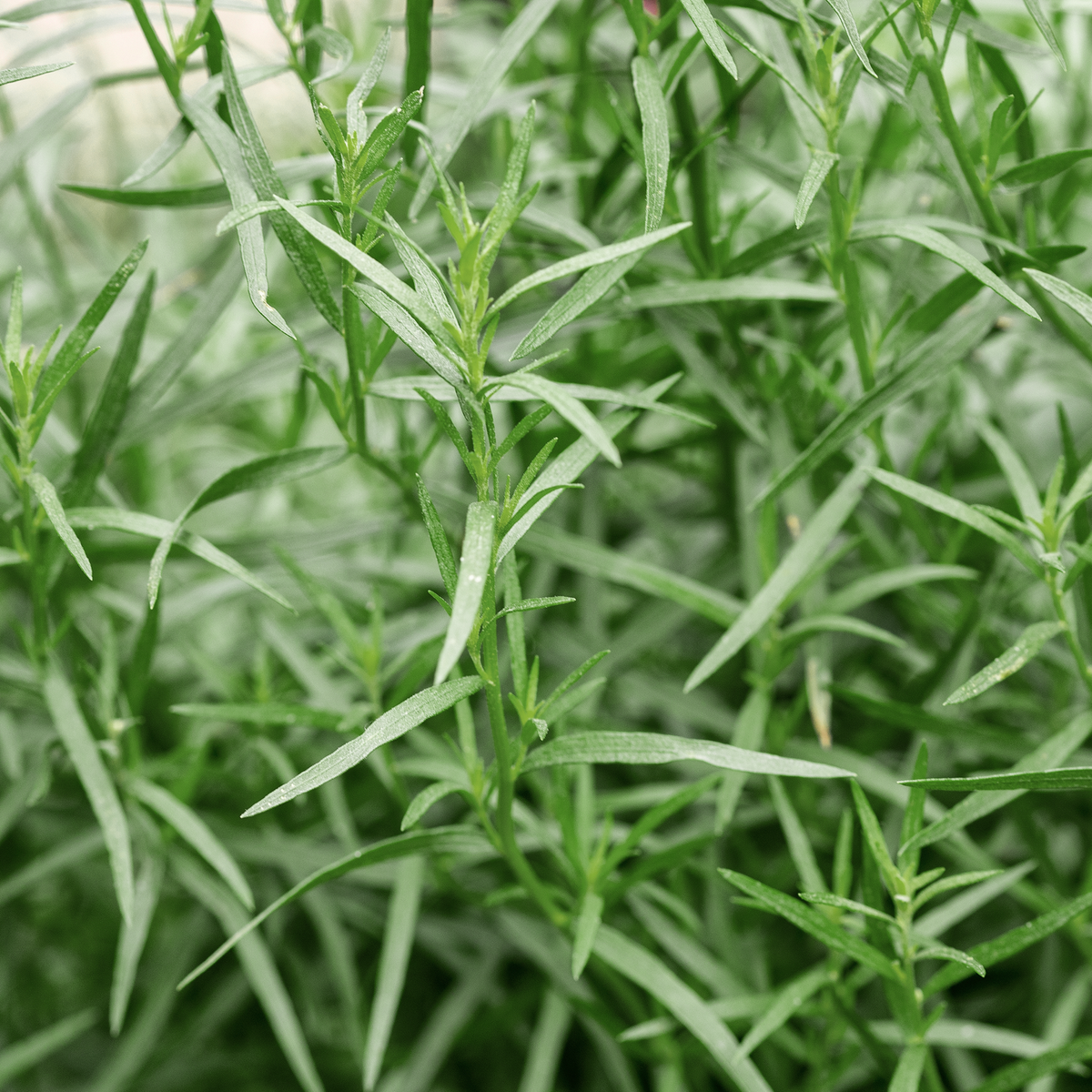
Tarragon is a perennial herb highly valued for its narrow, green, and aromatic foliage, with a delicate, slightly anise-like fragrance. An essential ingredient in the kitchen, it adds a refined flavor to sauces, vinaigrettes, marinades, fish, poultry, eggs, vegetables, potatoes, and cream-based dishes. Its elegant habit and fine foliage integrate beautifully into herb gardens, vegetable patches, edible borders, and containers near the kitchen.
Easy to grow, tarragon prefers a sunny to slightly semi-shaded location, in light, fertile, and very well-drained soil. It tolerates slightly dry soil better than excessive moisture, especially when temperatures are cooler. Whether in pots or in the ground, regular harvesting of young shoots encourages a denser, bushier, and more productive plant. Light pruning during the season also helps maintain tender and flavorful foliage.
Both aromatic, decorative, and very versatile, tarragon is an essential plant for creating a gourmet garden with fine and classic flavors. Its leaves are best when used fresh or added at the end of cooking to preserve their subtle fragrance. It is an excellent herb for gardeners looking for a durable, elegant, and indispensable plant for home cooking.

Planting guide
From planting to establishment.
Propagation
Division or cuttings
Soil and care
The right care,at the right time.
Soil pH
Neutral to slightly alkaline
Minimum temperature
-30°C
Care level
Easy
Watering
Moderate; allow the soil surface to dry slightly between waterings
Soil type
Light, fertile, rather dry, and well-drained soil
Fertilization
Light compost in spring; avoid excessive fertilizer
Moisture
Low to moderate humidity; prefers well-drained soil
Seasonal care
Divide clumps every 3 to 4 years; cut back dry foliage in spring; protect from waterlogged soil in winter
Container growing
A garden,within reach.
Container culture excellent in a well-drained container

Bloom and dimensions
Its place,in your garden.
Mature height
45 to 90 cm (18 to 36 inches)
Width / spread
45 to 60 cm (18 to 24 inches)
Flower color
Pale green to greenish white
Foliage color
Green
Foliage type
Obsolete
Growth rate
Average growth
Bloom period
Summer
Harvest
Spring to Fall Leaves
Garden associations
In goodcompany.
Companion plants
Tomatoes, peppers, eggplants, chives
Plants to avoid
Plants that require very moist or constantly waterlogged soil
Wildlife and pets
Life,around your plants.
Supporting wildlife
Attracts few beneficial wildlife